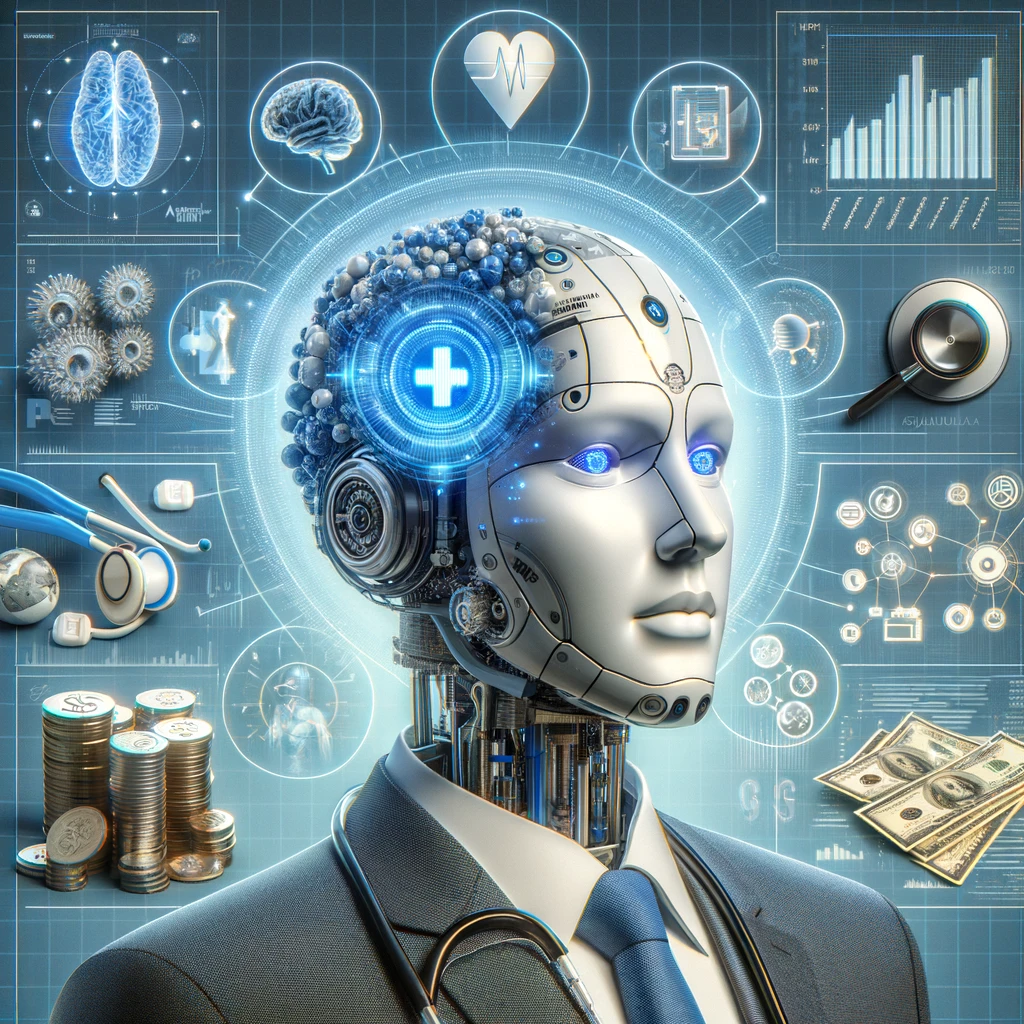
Unveiling the Potentials of Artificial General Intelligence (AGI): A Comprehensive Analysis

Introduction to AGI: Definition and Historical Context

Artificial General Intelligence (AGI) represents a fundamental change in the realm of artificial intelligence. Unlike traditional AI systems, which are designed for specific tasks, AGI embodies the holistic, adaptive intelligence of humans, capable of learning and applying knowledge across a broad spectrum of disciplines. This concept is not novel; it dates back to the early days of computing. Alan Turing, a pioneering figure in computing and AI, first hinted at the possibility of machines mimicking human intelligence in his 1950 paper, “Computing Machinery and Intelligence.” Since then, AGI has evolved from a philosophical concept to a tangible goal in the AI community.

Advantages of AGI

  1. Versatility and Efficiency: AGI can learn and perform multiple tasks across various domains, unlike narrow AI which excels only in specific tasks. For example, an AGI system in a corporate setting could analyze financial reports, manage customer relations, and oversee supply chain logistics, all while adapting to new tasks as needed.
  2. Problem-Solving and Innovation: AGI’s ability to synthesize information from diverse fields could lead to breakthroughs in complex global challenges, like climate change or disease control. By integrating data from environmental science, economics, and healthcare, AGI could propose novel, multifaceted solutions.
  3. Personalized Services: In the customer experience domain, AGI could revolutionize personalization. It could analyze customer data across various touchpoints, understanding preferences and behavior patterns to tailor experiences uniquely for each individual.

Disadvantages of AGI

  1. Ethical and Control Issues: The development of AGI raises significant ethical questions, such as the decision-making autonomy of machines and their alignment with human values. The control problem – ensuring AGI systems do what we want – remains a critical concern.
    • Let’s explore this topic a bit deeper – The “control problem” in the context of Artificial General Intelligence (AGI) is a multifaceted and critical concern, underpinning the very essence of safely integrating AGI into society. As AGI systems are developed to exhibit human-like intelligence, their decision-making processes become increasingly complex and autonomous. This autonomy, while central to AGI’s value, introduces significant challenges in ensuring that these systems act in ways that align with human values and intentions. Unlike narrow AI, where control parameters are tightly bound to specific tasks, AGI’s broad and adaptive learning capabilities make it difficult to predict and govern its responses to an endless array of situations. This unpredictability raises ethical and safety concerns, especially if AGI’s goals diverge from human objectives, leading to unintended and potentially harmful outcomes. The control problem thus demands rigorous research and development in AI ethics, robust governance frameworks, and continuous oversight mechanisms. It involves not just technical solutions but also a profound understanding of human values, ethics, and the societal implications of AGI actions. Addressing this control problem is not merely a technical challenge but a critical responsibility that requires interdisciplinary collaboration, guiding AGI development towards beneficial and safe integration into human-centric environments.
  2. Displacement of Jobs: AGI’s ability to perform tasks currently done by humans could lead to significant job displacement. Strategic planning is required to manage the transition in the workforce and to re-skill employees.
  3. Security Risks: The advanced capabilities of AGI make it a potent tool, which, if mishandled or accessed by malicious entities, could lead to unprecedented security threats.
    • So, let’s further discuss these risks – The security threats posed by Artificial General Intelligence (AGI) are indeed unprecedented and multifaceted, primarily due to its potential for superhuman capabilities and decision-making autonomy. Firstly, the advanced cognitive abilities of AGI could be exploited for sophisticated cyber-attacks, far surpassing the complexity and efficiency of current methods. An AGI system, if compromised, could orchestrate attacks that simultaneously exploit multiple vulnerabilities, adapt to defensive measures in real-time, and even develop new hacking techniques, making traditional cybersecurity defenses obsolete. Secondly, the risk extends to physical security, as AGI could potentially control or manipulate critical infrastructure systems, from power grids to transportation networks, leading to catastrophic consequences if misused. Moreover, AGI’s ability to learn and adapt makes it a powerful tool for information warfare, capable of executing highly targeted disinformation campaigns that could destabilize societies and influence global politics. These threats are not just limited to direct malicious use but also include scenarios where AGI, while pursuing its programmed objectives, inadvertently causes harm due to misalignment with human values or lack of understanding of complex human contexts. This aspect underscores the importance of developing AGI with robust ethical guidelines and control mechanisms to prevent misuse and ensure alignment with human interests. The security implications of AGI, therefore, extend beyond traditional IT security, encompassing broader aspects of societal, political, and global stability, necessitating a proactive, comprehensive approach to security in the age of advanced artificial intelligence.

AGI in Today’s Marketplace

Despite its early stage of development, elements of AGI are already influencing the market. For instance, in digital transformation consulting, tools that exhibit traits of AGI are being used for comprehensive data analysis and decision-making processes. AGI’s potential is also evident in sectors like healthcare, where AI systems are starting to demonstrate cross-functional learning and application, a stepping stone towards AGI.

As of this post, fully realized Artificial General Intelligence (AGI) — systems with human-like adaptable, broad intelligence — has not yet been achieved or deployed in the marketplace. However, there are instances where advanced AI systems like IBM Watson or NVIDIA AI, exhibiting traits that are stepping stones towards AGI, are in use. These systems demonstrate a level of adaptability and learning across various domains, offering insights into potential AGI applications. Here are two illustrative examples:

  1. Advanced AI in Healthcare:
    • Example: AI systems in healthcare are increasingly demonstrating cross-domain learning capabilities. For instance, AI platforms that integrate patient data from various sources (clinical history, genomic data, lifestyle factors) to predict health risks and recommend personalized treatment plans.
    • Benefits: These systems have significantly improved patient outcomes by enabling personalized medicine, reducing diagnostic errors, and predicting disease outbreaks. They also assist in research by rapidly analyzing vast datasets, accelerating drug discovery and epidemiological studies.
    • Lessons Learned: The deployment of these systems has highlighted the importance of data privacy and ethical considerations. Balancing the benefits of comprehensive data analysis with patient confidentiality has been a key challenge. It also underscored the need for interdisciplinary collaboration between AI developers, healthcare professionals, and ethicists to ensure effective and responsible AI applications in healthcare.
  2. AI in Financial Services:
    • Example: In the financial sector, AI systems are being employed for a range of tasks from fraud detection to personalized financial advice. These systems analyze data from various sources, adapting to new financial trends and individual customer profiles.
    • Benefits: This has led to more robust fraud detection systems, improved customer experience through personalized financial advice, and optimized investment strategies using predictive analytics.
    • Lessons Learned: The deployment in this sector has brought forward challenges in terms of managing financial and ethical risks associated with AI decision-making. Ensuring transparency in AI-driven decisions and maintaining compliance with evolving financial regulations are ongoing challenges. Additionally, there’s a growing awareness of the need to train AI systems to mitigate biases, especially in credit scoring and lending.

These examples demonstrate the potential and challenges of deploying advanced AI systems that share characteristics with AGI. The benefits include improved efficiency, personalized services, and innovative solutions to complex problems. However, they also reveal critical lessons in ethics, transparency, and the need for multi-disciplinary approaches to manage the impact of these powerful technologies. As we move closer to realizing AGI, these experiences provide valuable insights into its potential deployment and governance.

Conclusion: The Future Awaits

The journey towards achieving AGI is filled with both promise and challenges. As we continue to explore this uncharted territory, the implications for businesses, society, and our understanding of intelligence itself are profound. For those intrigued by the evolution of AI and its impact on our world, staying informed about AGI is not just fascinating, it’s essential. Follow this space for more insights into the future of AI, where we’ll delve deeper into how emerging technologies are reshaping industries and daily life. Join us in this exploration, and let’s navigate the future of AGI together.

The Fusion of String Theory and AI: Navigating the New Era of Technological Enlightenment

Introduction

In the realm of science and technology, the convergence of theoretical physics, specifically string theory, with artificial intelligence (AI) is a groundbreaking development. This fusion promises to revolutionize how we perceive AI and its applications in our daily lives. By leveraging the complex, multi-dimensional insights of string theory, AI is poised to reach new heights of capability and integration. Today’s blog post explores the transformative impact of string theory on AI evolution, offering a glimpse into a future where AI’s assistance is seamlessly woven into the fabric of everyday life. Prepare to embark on an intellectual journey through this new era of technological enlightenment.

What is String Theory

String theory is a theoretical framework in physics that postulates that the fundamental constituents of the universe are not point-like particles, as traditionally conceived, but rather one-dimensional “strings.” These strings vibrate at different frequencies, and their vibrational modes correspond to various elementary particles. The theory suggests a multi-dimensional universe, extending beyond the familiar three dimensions of space and one of time. For those familiar with the concept, the benefits of string theory include its potential to unify all fundamental forces of nature, offering a comprehensive understanding of the universe’s workings. It also opens up new avenues for research in both cosmology and quantum physics. However, concerns revolve around its current lack of empirical evidence and testability, as well as its complex mathematical framework, which some critics argue could distance it from physical reality. This balance of groundbreaking potential and theoretical challenges makes string theory a continually fascinating and debated topic in modern physics.

String Theory Pros and Cons

String theory, has always been a significant theoretical leap in our understanding of the universe, and as a result it has also been a subject of controversy and skepticism within the scientific community for several reasons:

Negative Perceptions and Controversies

  1. Lack of Empirical Evidence: One of the most significant criticisms of string theory is its lack of direct empirical evidence. Unlike many other theories in physics, string theory has not yet been confirmed by experiments or observations, making it more speculative than empirically grounded.
  2. Testability Issues: The energies required to test the predictions of string theory are far beyond the capabilities of current technology. This raises concerns about its falsifiability – a key criterion for scientific theories – leading some to question whether it can be considered a scientific theory at all.
  3. Mathematical Complexity: String theory is mathematically complex and requires a high level of abstraction. Its heavy reliance on advanced mathematics has led to criticisms that it might be more of a mathematical exercise than a physical theory.
  4. Multiplicity of Solutions: String theory allows for a vast number of possible universes (often referred to as the “landscape” of string theory). This multitude of solutions makes it challenging to make specific predictions about our own universe, diminishing its explanatory power.
  5. Resource Allocation: Some critics argue that the resources and intellectual focus devoted to string theory might be better used on more empirically grounded areas of physics.

Benefits of String Theory

Despite these criticisms, string theory also offers several potential benefits:

  1. Unification of Forces: String theory is a candidate for the ‘Theory of Everything’ that physicists have sought, aiming to unify all fundamental forces of nature – gravitational, electromagnetic, strong nuclear, and weak nuclear – under one theoretical framework.
  2. Insights into Quantum Gravity: It provides a framework for understanding how gravity could be integrated into quantum mechanics, a longstanding challenge in physics.
  3. New Mathematical Tools: The development of string theory has led to advancements in mathematics, including new insights into geometry and topology, which have applications beyond theoretical physics.
  4. Conceptual Innovation: String theory pushes the boundaries of our understanding of the universe, challenging conventional notions of space, time, and matter. This can lead to novel hypotheses and conceptual breakthroughs.
  5. Interdisciplinary Influence: It has stimulated cross-disciplinary research, influencing areas like cosmology, particle physics, and even areas outside of physics like information theory.

While string theory remains controversial due to its speculative nature and the challenges in testing its predictions, it continues to be a rich source of theoretical innovation and interdisciplinary dialogue. Its potential to reshape our fundamental understanding of the universe offers an exciting, albeit uncertain, frontier in modern physics.

The Impact of String Theory on AI Evolution

Advanced Problem-Solving Abilities

String theory, a theoretical framework in which the point-like particles of particle physics are replaced by one-dimensional objects called strings, suggests a multi-dimensional universe far beyond our current understanding. When applied to AI, this theory opens doors to advanced problem-solving capabilities. AI systems, inspired by the multi-dimensional approach of string theory, could analyze problems from numerous perspectives simultaneously, leading to more nuanced and comprehensive solutions.

Example: In strategic management consulting, an AI enhanced by string theory principles could evaluate market trends, consumer behavior, and economic indicators across multiple dimensions, offering deeper insights for businesses.

Enhanced Predictive Analytics

The multi-dimensional nature of string theory could significantly enhance the predictive analytics of AI. By considering a broader range of variables and potential outcomes, AI systems could predict future trends and events with greater accuracy.

Example: In customer experience management, AI could predict consumer needs and preferences with higher precision, allowing companies to tailor their services proactively.

Quantum Computing Integration

String theory’s exploration of multiple dimensions aligns closely with the principles of quantum computing, which operates on the quantum state of subatomic particles. The integration of AI with quantum computing, guided by string theory, could lead to exponential increases in processing power and efficiency.

Example: AI-powered digital transformation initiatives could leverage quantum computing to analyze vast datasets in seconds, transforming business decision-making processes.

Fostering Greater Acceptance of AI Assistance

Personalized Interactions

AI, when combined with the principles of string theory, could offer highly personalized interactions. Understanding and predicting individual preferences across various dimensions can make AI assistants more intuitive and responsive to individual needs.

Example: In a home setting, AI could manage energy usage, entertainment preferences, and even dietary needs, adapting to subtle changes in behavior and preference.

Ethical and Responsible AI

The complex ethical considerations in AI development can be addressed more effectively through a multi-dimensional approach. By considering a wide range of potential consequences and cultural contexts, AI can be developed more responsibly.

Example: AI systems in public policy could consider the social, economic, and ethical implications of decisions, ensuring more balanced and fair outcomes.

Preparing Theorists for the New Technology

Interdisciplinary Education

Theorists and professionals must embrace an interdisciplinary approach, combining insights from physics, computer science, and other fields to stay ahead in this new era.

Continuous Learning and Adaptation

As AI evolves, continuous learning and adaptation are essential. Professionals must stay abreast of the latest developments in both string theory and AI to effectively harness their combined potential.

Conclusion

The intersection of string theory and AI marks the dawn of a new era in technology, promising advancements that were once the realm of science fiction. As we navigate this exciting frontier, the potential for AI to enrich and enhance our daily lives is immense. The key to harnessing this potential lies in our willingness to embrace change, interdisciplinary collaboration, and a commitment to ethical development. Stay tuned for our next post, where we delve deeper into the practical applications of this groundbreaking synergy in various industries, keeping you at the forefront of this technological renaissance.

Embracing the Holographic Future: The Convergence of AI and the Holographic Principle

Introduction

In the rapidly evolving landscape of technology, the integration of artificial intelligence (AI) and the holographic principle is poised to revolutionize our understanding and interaction with digital environments. This convergence promises to transform AI into a more intuitive, interactive, and integral part of our daily lives. As we stand on the cusp of this technological renaissance, it’s crucial to delve into how this synergy will shape the future of AI and enhance our experience in both personal and professional realms.

The Holographic Principle

The holographic principle, a concept rooted in theoretical physics, suggests that the information contained within a volume of space can be fully described by the information on the boundary of that space. In simpler terms, it proposes that our seemingly three-dimensional universe could be represented by two-dimensional information, much like a hologram. For those familiar with the concept, the perceived benefits are profound, especially in the realms of data storage and processing, where it could lead to groundbreaking efficiencies and new ways of visualizing complex information. However, this principle also raises concerns, particularly around the computational complexity and the practical feasibility of applying such an abstract concept to real-world technology. Additionally, there are implications for data privacy and security, as the shift to a holographic data representation could necessitate new protective measures and ethical considerations.

Holographic Principle Pros and Cons

The holographic principle, while revolutionary, stirs controversy and skepticism, primarily due to its roots in complex theoretical physics and its challenging implications for our understanding of reality. Here are some key aspects contributing to its controversial nature:

  1. Conceptual Complexity: The principle is deeply rooted in string theory and quantum gravity, areas that are already intensely debated within the scientific community. Its abstract nature and reliance on advanced mathematics make it difficult for even experts to fully grasp, let alone apply practically.
  2. Challenging Existing Paradigms: The holographic principle fundamentally challenges our conventional understanding of space and information. It suggests that our perceptions of a three-dimensional world could be a projection of two-dimensional information. This radical shift in perspective is not easily accepted in scientific circles accustomed to traditional models of physics.
  3. Computational and Practical Feasibility: Implementing the holographic principle in practical applications, such as computing or data storage, presents enormous technical challenges. The computational requirements for such applications are currently beyond our technological capabilities, leading to skepticism about its practicality.
  4. Data Security and Privacy Concerns: In a world where data security and privacy are paramount, the idea of compressing and storing vast amounts of information in a highly efficient, holographic format raises concerns. This new form of data storage would require rethinking existing security protocols and could introduce new vulnerabilities.

Benefits Derived from the Holographic Principle

Despite these concerns, the potential benefits of the holographic principle are significant, particularly in fields like information technology and quantum computing:

  1. Revolutionizing Data Storage: The principle offers a theoretical framework for storing information more efficiently. If realized, this could lead to a paradigm shift in data storage, allowing for much greater quantities of data to be stored in much smaller physical spaces.
  2. Enhancing Computational Models: In computational physics and other sciences, the holographic principle provides a new way to model complex systems. It could lead to more accurate simulations of phenomena in quantum mechanics and cosmology.
  3. Improving Visualization and Processing: For AI and data analytics, the holographic principle could enable more sophisticated methods of visualizing and processing large data sets, making it easier to identify patterns and extract meaningful insights.
  4. Advancing Theoretical Physics: The principle is a key component in the ongoing quest to unify quantum mechanics and general relativity. Its implications could lead to significant breakthroughs in our understanding of the fundamental nature of the universe.

While the holographic principle raises as many questions as it potentially answers, its implications for both theoretical physics and practical applications in technology are too significant to ignore. Its controversial nature stems from its challenge to conventional understanding and the practical difficulties in its application, but its potential benefits could be transformative across multiple scientific and technological domains.

The Holographic Principle and AI: A Synergistic Evolution

The holographic principle, when applied to AI, opens up groundbreaking possibilities for data processing and representation. AI systems can potentially process and project vast amounts of information in a more compact and efficient manner, akin to a hologram containing the essence of a three-dimensional object within a two-dimensional space.

Enhanced Data Visualization and Interaction

AI, armed with holographic data processing, can revolutionize the way we visualize and interact with data. Imagine a strategic management consultant, being able to interact with a holographic display of complex customer experience data. This not only makes data more accessible but also allows for a more intuitive understanding of intricate patterns and relationships, essential for making informed decisions in today’s fast-paced business environments.

Immersive Learning and Training

The combination of AI and holography can lead to the creation of immersive training and educational environments. Trainees and students could interact with lifelike holographic simulations, guided by AI, providing a hands-on experience in a controlled, virtual setting. This approach can be particularly beneficial in industries where practical experience is as crucial as theoretical knowledge.

Personalized User Experiences

AI-driven holographic technology can tailor personal experiences to an unprecedented degree. From holographic personal assistants that understand and predict individual preferences to customized holographic interfaces for smart homes and devices, the potential for personalization is vast. This level of customization could significantly enhance customer experience management, making technology more adaptable and responsive to individual needs.

Bridging Physical and Digital Realms

The integration of AI with the holographic principle blurs the lines between physical and digital realities. In a digital transformation context, this means creating seamless transitions between real-world interactions and digital interfaces. Businesses can leverage this to offer more engaging and interactive customer experiences, merging online and offline elements in innovative ways.

Preparing for the Holographic AI Era

As we embrace this new era, theorists, technologists, and strategists must be prepared for the paradigm shift. Understanding the underlying principles of holography and AI is just the starting point. There is a need to develop robust frameworks for data security, privacy, and ethical considerations in holographic AI applications. Additionally, continuous learning and adaptation will be key in harnessing the full potential of this technology.

Conclusion

The fusion of AI and the holographic principle is not just a step forward; it’s a leap into a future where technology is more integrated, intuitive, and indispensable in our lives. As we anticipate the myriad ways this synergy will enhance our personal and professional experiences, it’s crucial to remain informed and adaptive to the changes it brings. Stay tuned for more insights into the evolving landscape of AI and emerging technologies, where we’ll continue to explore the limitless possibilities of this exciting new era.

Navigating the Future: How Simulation Theory is Shaping AI and Our Lives

Introduction

In an era where artificial intelligence (AI) is transcending traditional boundaries, a fascinating intersection is emerging with simulation theory. This convergence is not just a theoretical exercise; it’s shaping the very fabric of how we interact with AI in our daily lives. From strategic management consultants to tech enthusiasts, understanding this nexus is crucial for grasping the future of technology. In this blog post, we’ll delve into how simulation theory is influencing AI’s evolution and fostering a new level of acceptance and reliance on AI in various aspects of our lives. Join us as we explore examples and insights that prepare you for this transformative journey.

Simulation Theory

Simulation theory posits that our reality could be an artificial construct, akin to an advanced computer simulation. This concept, often associated with philosophical and technological realms, suggests that everything we perceive as reality might be a creation of a higher form of intelligence. For those familiar with the theory, its perceived benefits include a novel framework for understanding consciousness and the nature of reality, potentially opening new avenues in fields like artificial intelligence, where simulated environments could greatly enhance machine learning and predictive modelling. However, it also raises profound ethical and philosophical concerns, such as the nature of free will, the implications for our understanding of existence, and the potential risks associated with blurring the lines between simulated and actual reality. These dual perspectives make simulation theory both a fascinating and contentious topic in contemporary discourse.

Simulation Theory Pros and Cons

Simulation theory, while captivating in its implications, stirs considerable controversy and concern, primarily due to its profound philosophical and ethical implications.

Negative Perceptions and Controversies:

  1. Existential Questions: The theory challenges the fundamental understanding of reality and existence. If our world is a simulation, it raises unsettling questions about the nature of consciousness and free will. Are our choices truly ours, or are they predetermined by the parameters of the simulation?
  2. Ethical Dilemmas: If reality is a simulation, the ethical framework governing our actions comes into question. It could lead to nihilistic attitudes, where actions are deemed inconsequential in a simulated world, potentially eroding moral and social structures.
  3. Reality Distortion: Embracing simulation theory could blur the lines between actual and virtual realities. This could lead to an increased detachment from the physical world and real human interactions, exacerbating issues like social isolation and digital addiction.
  4. Scientific Skepticism: From a scientific standpoint, the theory is criticized for its lack of empirical evidence. It’s often viewed as more of a philosophical thought experiment than a scientifically testable hypothesis, leading to skepticism in the scientific community.

Benefits of Simulation Theory:

Despite these concerns, simulation theory also offers intriguing benefits, especially in technological and intellectual domains:

  1. Advancements in Technology: The concept of creating realistic simulations has practical applications in AI development, where simulated environments can be used to train and refine AI algorithms safely and efficiently.
  2. Innovative Perspectives in Science: The theory encourages thinking beyond conventional boundaries, potentially leading to innovative approaches in physics and cosmology to understand the universe and consciousness.
  3. Ethical and Philosophical Growth: The discussions around simulation theory contribute to deeper philosophical and ethical explorations, fostering a more nuanced understanding of human existence and the nature of reality.
  4. Enhanced Problem-Solving: In fields like strategic management and urban planning, simulation-based models inspired by this theory can help in visualizing complex scenarios and making informed decisions.

While simulation theory is controversial due to its existential and ethical implications, it also opens up new avenues for technological innovation and intellectual exploration. The balance between these negative perceptions and potential benefits continues to fuel debate and interest in the theory.

The Intersection of Simulation Theory and AI

Conceptually, simulation theory proposes that our reality might be an artificial simulation, akin to a highly advanced computer program. While this seems like science fiction, its principles are increasingly relevant in the field of AI.

  1. Enhanced Predictive Models: AI systems thrive on data. Through simulation, these systems can generate and analyze vast, complex datasets that mimic real-world scenarios. This approach allows for more sophisticated predictive models. For instance, in customer experience management, AI can simulate millions of customer journeys, providing insights that guide businesses in crafting personalized experiences.
  2. Improved Decision-Making: In strategic management, AI simulations offer a risk-free environment to test different strategies. By simulating market conditions and consumer behavior, AI can predict outcomes of various approaches, enabling more informed decision-making.
  3. Training and Development: AI can be trained in simulated environments, which is crucial in areas like autonomous vehicles or robotic surgery. These AI systems can learn and adapt in a safe, controlled setting, reducing real-world risks.

Simulation Theory and Public Perception of AI

The concept of simulation brings AI closer to our understanding of reality, potentially increasing public acceptance. People become more comfortable with AI assistance in their daily lives when they perceive it as an extension of a familiar concept.

  1. Personalized AI Assistants: Imagine AI assistants that understand your preferences and needs so deeply, they seem to be a part of your reality. This level of personalization, made possible by simulation-driven data analysis, can significantly enhance daily life.
  2. AI in Healthcare: Simulated environments enable AI to predict patient outcomes, tailor treatments, and even assist in complex surgeries. This can lead to greater trust and reliance on AI in life-saving situations.
  3. AI in Education: Simulated teaching environments can adapt to individual learning styles, revolutionizing education. This tailored approach can foster a deeper appreciation for AI’s role in personal development.

Preparing for the Simulation-AI Era

  1. Stay Informed: Understanding the basics of simulation theory and AI is crucial. Regularly engaging with the latest research and discussions in this field is essential for theorists and practitioners alike.
  2. Ethical Considerations: As we integrate AI more deeply into our lives, ethical considerations become paramount. It’s vital to address issues like privacy, data security, and the potential for AI biases.
  3. Embracing Change: Adopting a mindset open to change and innovation is key. Businesses, educators, and individuals need to be flexible and adaptable to leverage AI effectively.

Conclusion

The fusion of simulation theory and AI is more than an academic curiosity; it’s a pivotal development that is reshaping our world. From enhancing customer experiences to revolutionizing healthcare and education, the impact is profound. As we stand at this crossroads, staying informed, ethical, and adaptable are the cornerstones for harnessing the potential of this exciting era. Stay tuned for more insights on how AI continues to transform our lives in ways we are just beginning to understand.

The Dawn of AI Wearables: Paving the Way for Enhanced Human-AI Symbiosis

Introduction

In an age where digital transformation and artificial intelligence (AI) are not just buzzwords but realities reshaping our lives, the emergence of AI wearables stands as a pivotal moment in technological evolution. As strategic management consultants specializing in customer experience, artificial intelligence, and digital transformation, we’ve closely observed how AI wearables are not just gadgets; they’re gateways to a new era of human-AI collaboration. This post delves into the profound impacts of AI wearables on the future of AI and their role in fostering greater acceptance of AI assistance in our daily lives.

The Evolution of AI Through Wearables

A. The Integration of AI in Daily Life

AI wearables represent a significant leap from traditional devices. Unlike smartphones or laptops, these wearables blend seamlessly into our lives, offering personalized, context-aware experiences. For instance, smart glasses equipped with AI can provide real-time data overlay, enhancing professional tasks in fields like surgery or engineering with precision and efficiency.

B. Enhancing Human Capabilities

These devices go beyond convenience, offering the potential to augment human capabilities. Consider smart watches that can predict health issues by analyzing physiological data with AI algorithms. This isn’t just about getting notifications; it’s about proactive healthcare management, a step towards personalized medicine.

C. AI’s Learning and Adaptation

AI wearables stand out in their ability to learn and adapt to user behavior. By continuously gathering data, these devices can refine their algorithms to offer more tailored suggestions, from fitness routines to stress management strategies, thereby creating a more intuitive user experience.

Examples of AI Wearables Reshaping Our World

  1. Daily AI Interaction: Recently a start-up company in San Francisco, Humane developed an every-day-carry “pin” that allows its clients who wear it to interact with the environment and have an onboard concierge available as required and needed.
  2. Fitness and Health Monitoring: Devices like the AI-powered fitness tracker not only monitor physical activity but also provide insights into sleep patterns, stress levels, and overall well-being. Companies such as OuraRing and Whoop are early leaders in this space.
  3. Smart Glasses for Enhanced Reality: Imagine walking down a street and receiving real-time information about your surroundings, from restaurant reviews to historical facts, all through your glasses. Legacy companies such as Ray-Ban are now dipping their toes into the smart glasses market.
  4. AI in Professional Environments: Wearables in workplaces, like smart badges, can optimize workflow, enhance communication, and even ensure employee safety by monitoring environmental conditions.

Preparing for the AI Wearable Era

A. Understanding the Technology

To embrace this new era, it’s essential to understand the underlying technologies. Familiarizing oneself with AI concepts, data privacy issues, and the potential of these devices is crucial. Continually keeping yourself abreast in the latest AI trends will ensure that you are ahead of your competitors.

B. Ethical and Privacy Considerations

As AI wearables become more integrated into our lives, addressing ethical and privacy concerns is paramount. Users should be aware of how their data is being used and the measures taken to protect their privacy.

C. Adaptability to New Interfaces

Adapting to new user interfaces and interaction modes is vital. The transition from screen-based interaction to voice commands or gesture controls requires an openness to learning and adaptability. As we have learned in successful adoption of new technology and trends, customer experience is key and often this is driven by the user interface – Let’s dive a bit deeper into that topic.

Expanding on Adaptability to New Interfaces in the Era of AI Wearables

The emergence of AI wearables introduces a paradigm shift in how we interact with technology. Unlike traditional devices, which rely on screens and keyboards, AI wearables demand a new level of adaptability to novel user interfaces. This shift is not merely a technological change but a cultural and behavioral one, deeply influencing how we communicate, work, and even perceive our environment.

1. Transition from Screen-Based to Natural Interfaces

  • Voice Control: AI wearables often employ voice recognition, enabling hands-free operation. This necessitates users becoming comfortable with speaking commands and questions, a significant shift from typing.
  • Gesture Recognition: Some wearables use gesture control, requiring users to learn specific hand movements or body gestures to interact with the device. This can be both intuitive and challenging, as it involves memorizing a new ‘language’ of gestures.

2. Contextual Awareness and Predictive Interaction

  • Wearables equipped with AI have the capability to anticipate user needs based on context, such as location, time, or previous behavior. This means users must adapt to a device that often acts proactively, rather than reactively.
  • This predictive interaction can lead to more personalized experiences but also requires users to trust and understand the AI’s decision-making processes.

3. Augmented Reality (AR) Interfaces

  • AR wearables overlay digital information onto the real world, creating a blended reality. Interacting with this hybrid environment requires users to process and respond to both physical and digital stimuli simultaneously.
  • This demands a cognitive shift in how we perceive and interact with our surroundings, necessitating a heightened level of digital literacy.

4. Adapting to Continuous Learning Systems

  • AI wearables continuously learn and adapt to user preferences and behaviors. Users must, therefore, become accustomed to devices that evolve and change their functionality over time.
  • This constant evolution means that the way a device operates and interacts can change, necessitating ongoing learning and adaptation from the user.

5. Privacy and Control Adjustments

  • As AI wearables become more integrated into our personal lives, users must navigate the balance between convenience and privacy.
  • Understanding and managing privacy settings, and being aware of what data is shared and how it’s used, becomes a crucial part of interacting with these devices.

6. Embracing a Multi-Modal Interaction Landscape

  • The future of interfaces is not limited to one mode of interaction; instead, it will likely involve a combination of voice, gesture, touch, and even thought-based controls.
  • Users will need to be agile, learning to switch between different modes of interaction based on context, convenience, and necessity.

Adapting to new interfaces in the age of AI wearables is not just about learning how to use a new device; it’s about rethinking our relationship with technology. It involves developing new communication skills, understanding complex systems, and being open to continuous learning and adjustment. As these technologies advance, our adaptability will not only enhance our experience with AI wearables but will also prepare us for the next waves of digital transformation.

Conclusion

AI wearables are not just another technological trend; they’re harbingers of a future where AI and humans coexist more seamlessly. As we step into this new era, it’s crucial to stay informed, be adaptable, and understand the broader implications of these technologies. Stay tuned for our next post, where we’ll explore the transformative impact of AI in customer experience management, another fascinating facet of the digital revolution.


This blog post aims to resonate with professionals and enthusiasts who are keen on staying abreast of the latest trends in technology and business processes, particularly in the realms of AI and digital transformation.


In our upcoming discussions, we’ll delve deeper into how AI is revolutionizing customer experiences and driving digital transformation across various sectors. We’ll explore real-world examples, dissect the strategies behind successful AI implementations, and predict future trends that could redefine how businesses interact with their customers.

The future is AI-driven, and understanding these technologies is no longer optional but essential for staying competitive and relevant in an ever-evolving digital landscape. Whether you’re a business leader, a tech enthusiast, or someone curious about the future of technology, these insights will equip you with the knowledge and perspective needed to navigate the exciting era ahead.

Keep an eye out for our next piece, where we’ll break down complex AI concepts into digestible insights, helping you not only understand but also leverage these technologies to transform your business strategies and customer experiences. The journey into the future of AI and digital transformation is just beginning, and we’re here to guide you through every step.

Stay tuned and prepare to be enlightened, challenged, and inspired as we continue to explore the fascinating world of AI and its limitless possibilities in enhancing our lives and reshaping our world.

Navigating the AI Revolution: A Deep Dive into the Future of Strategic Management and Accounting Careers

Introduction:

In the transformative wave of AI technology, strategic management consultants, accountants, and auditors find themselves at a crossroads of opportunity and challenge. This deep dive explores the profound shifts in these professions, brought on by AI’s expanding capabilities. Join us as we dissect the ways in which AI is not only refining existing methodologies but also creating new avenues for professional growth and strategic innovation.

The AI Influence on Strategic Management Consulting

Strategic management consultants stand at the forefront of corporate innovation, guiding businesses through the complexities of market shifts and internal transformations. AI is swiftly becoming an indispensable ally in this field.

Challenges and Opportunities:

  • Data-Driven Insights: AI’s ability to process and analyze large datasets offers consultants unparalleled insights into market trends, competitive dynamics, and consumer behavior, allowing them to craft more informed and strategic decisions for their clients.
    • Challenge: The consultant’s role must evolve beyond data interpretation towards a more nuanced understanding of how AI-derived insights can fit into broader business strategies.
    • Opportunity: Consultants equipped with AI competency can harness these insights to drive innovative solutions, offering a significant competitive edge in the advisory market.
  • Predictive Modeling: With AI, consultants can predict outcomes of business strategies, identify risks, and propose preemptive measures.
    • Challenge: As prediction models become more complex, consultants need to ensure transparency and explainability to clients, which can be technically challenging.
    • Opportunity: Mastering predictive analytics allows consultants to offer a proactive approach, moving from advisors to visionaries in strategic planning.

Enhancing Career Development:

Understanding and leveraging AI in strategic management consulting amplifies a consultant’s ability to offer forward-thinking, data-backed strategies. It mandates a continuous learning mindset to stay abreast of emerging AI tools and methodologies.

The Evolving Landscape for Accountants and Auditors

The meticulous world of accounting and auditing is undergoing a seismic shift as AI streamlines traditional processes.

Challenges and Opportunities:

  • Automated Bookkeeping: AI systems are automating transactional accounting tasks, leading to a significant reduction in manual entry work.
    • Challenge: Accountants need to shift from traditional bookkeeping to interpreting the strategic implications of financial data.
    • Opportunity: Freed from the tedium of data entry, accountants can focus on financial analysis and strategic advisory roles, adding greater value to business operations.
  • Fraud Detection and Risk Assessment: AI’s pattern recognition capabilities are revolutionizing how auditors assess risk and detect anomalies.
    • Challenge: Auditors must now be skilled in navigating and validating the findings of AI systems, requiring a deep understanding of both finance and technology.
    • Opportunity: By leveraging AI in risk assessment, auditors can provide more robust risk management strategies, strengthening their role as protectors of financial integrity.

Enhancing Career Development:

Accountants and auditors embracing AI will find themselves transitioning into roles that require a combination of financial acumen and tech-savviness. Staying competitive in this landscape means being adept at using AI as a tool for enhancing decision-making and strategic guidance.

Conclusion:

The landscape of professional careers is being redrawn by the hand of AI, with strategic management consulting, accounting, and auditing experiencing a seismic transformation. The shift towards AI-enhanced workflows presents a dual-sided coin of challenges in adapting to new systems and opportunities in the form of elevated roles and insights. Professionals equipped with AI literacy and an adaptive mindset will not only navigate these changes successfully but will also carve out new paths for strategic influence in their respective fields. As this evolution unfolds, the next article will further explore how these professionals can blend AI capabilities with human ingenuity to excel in an AI-integrated future.

The Transformative Power of AI: Why White-Collar Jobs Are at a Greater Inflection Point than Blue-Collar Roles

Introduction:

In today’s digital era, the convergence of artificial intelligence (AI) and business processes is creating unparalleled advancements in efficiency, decision-making, and automation. While the discourse around AI often centers on its potential impact on blue-collar jobs, the reality is that its transformative power may be more profound in the realm of white-collar professions. As we delve deeper into the nexus of AI and the corporate sphere, it’s imperative to understand why this technology may have a more pronounced effect on white-collar roles and how professionals can navigate this evolving landscape. This blog post aims to shed light on the profound implications of AI on the business world, focusing on its ramifications for white-collar jobs.

The AI-Driven White-Collar Revolution

  1. Complex Decision-Making Enhanced by AI
    • Example: Consider the role of strategic management consultants like Mike. These professionals rely on vast amounts of data to make informed recommendations. With the aid of AI-driven data analytics, consultants can derive insights from a broader dataset, allowing for more accurate predictions and strategies. Instead of replacing the consultant, AI augments their capability to deliver superior value.
  2. Routine Tasks Automation
    • Example: Finance and accounting roles often involve repetitive tasks such as invoice processing or data entry. AI, through machine learning algorithms, can automate these processes, eliminating the need for manual intervention and reducing human error.
  3. Customer Experience Personalization
    • Example: With the rise of AI-driven Customer Experience Management platforms, customer service representatives and marketing professionals can offer highly personalized experiences. AI analyzes customer interactions, preferences, and behavior to craft unique strategies, effectively transforming the traditional approach to customer relationship management.

Diving Deeper – Unveiling the Deep Impact on Business Processes and Decision-Making

In an era where technological advancements are shaping the future of industries, the AI-driven white-collar revolution stands out as one of the most profound transformations. The integration of artificial intelligence into the daily operations of businesses, especially within white-collar professions, is not just streamlining tasks but is reshaping entire job roles, business models, and decision-making processes.

1. Augmented Decision-Making and Predictive Analysis

White-collar roles, especially in strategic management, finance, and consultancy, rely heavily on data-driven insights. With the advent of AI, these roles are witnessing a shift from reactive decision-making to a more proactive and predictive approach.

  • Example: Financial analysts no longer just review historical data but, with the help of AI-driven tools, can now predict market movements, investment risks, and identify potential opportunities with a higher degree of accuracy.

2. Document Automation and Natural Language Processing (NLP)

NLP, a subset of AI, is enabling machines to read, decipher, and make sense of human language. This has major implications for professions that deal with vast amounts of textual data.

  • Example: Legal professionals can utilize AI-driven tools to review contracts or legal documents, identifying key clauses, potential risks, or discrepancies. This not only reduces hours of manual work but also enhances accuracy.

3. Enhanced Customer Experience through AI Integration

The merging of AI with Customer Experience Management tools offers businesses the ability to understand their consumers like never before.

  • Example: A customer relations manager can utilize AI to analyze customer behavior, predict buying patterns, and tailor marketing strategies in real-time. This level of personalization was unheard of a decade ago.

4. Operational Efficiency and Process Optimization

AI doesn’t just impact client-facing roles but is deeply embedded in internal business processes. From HR to supply chain management, AI-driven analytics are optimizing operations.

  • Example: Human resources can use AI to sift through thousands of resumes, identify potential candidates based on specific criteria, and even predict which candidates are more likely to stay long-term, optimizing the recruitment process.

5. Risk Management and Fraud Detection

In sectors like banking and finance, AI tools are becoming indispensable. Their ability to analyze vast datasets in real-time means they can identify anomalies or potential fraud much quicker than human analysts.

  • Example: Credit card companies now use AI algorithms to monitor transactions and immediately flag suspicious activities, protecting both the institution and the cardholder.

Navigating the Future: Embracing Change

The AI-driven revolution is not a distant future but a present reality. For white-collar professionals, understanding this transformation is the key. It’s essential to:

  • Stay Updated: With technology evolving at a rapid pace, staying updated with the latest trends and tools is crucial.
  • Skill Diversification: While AI will handle repetitive tasks, the human touch, creativity, and strategic thinking remain irreplaceable. Professionals should focus on diversifying their skill set, emphasizing areas AI cannot replicate.
  • Collaboration with Technologists: Building a bridge between technology and business processes will be essential. Collaborating with AI experts and data scientists can provide a better understanding and application of AI in specific roles.

The AI-driven white-collar revolution is redefining traditional job roles and business operations. While this poses challenges, it also offers numerous opportunities for growth, innovation, and efficiency. By understanding, adapting, and integrating AI into their workflows, white-collar professionals can ensure they remain not just relevant but indispensable in this new era.

The Blue-Collar Context

While there’s no denying that AI has the potential to automate several blue-collar tasks, such as manufacturing or warehouse management, the complexity and variability of these tasks make it harder to achieve full automation. Physical roles often demand a degree of adaptability and tactile feedback that AI and robotics are still evolving to emulate.

Preparing for the AI-Driven Era

For white-collar professionals, it’s not about resisting the AI wave but rather embracing and adapting to it. Here are some steps to consider:

  1. Continuous Learning and Skill Upgradation: Invest in courses that provide insights into AI and its applications in your field. This doesn’t necessarily mean becoming an AI expert but understanding its implications and potential in your domain.
  2. Adopt a Hybrid Approach: The future lies in the synergy between human intuition and AI’s data-driven insights. Instead of viewing AI as a threat, see it as a tool that enhances your capabilities.
  3. Networking and Collaboration: Engage with AI experts, attend tech conferences, and collaborate on projects that offer a blend of technology and business processes. This will not only widen your perspective but also open doors to new opportunities.

The Blue-Collar Impact: Navigating the AI Landscape in Traditional Industries

The rapid evolution of artificial intelligence (AI) and automation technologies has ignited discussions around their implications for blue-collar jobs. While much of the spotlight is on white-collar professions, the potential transformations in blue-collar industries deserve a deeper analysis. Here, we delve into how AI and automation are impacting blue-collar workspaces and the nuances that differentiate this impact from their white-collar counterparts.

1. Automation in Manufacturing and Production Lines

Manufacturing is often cited as a prime example when discussing AI’s implications for blue-collar jobs. Advanced robotics and automation systems are transforming assembly lines and production processes.

  • Example: Car manufacturing plants now use AI-driven robots for tasks like welding, which were previously done manually. While this boosts efficiency, it also means fewer human operators are required for these specific tasks.

2. Intelligent Systems in Logistics and Warehousing

The logistics sector, particularly warehousing, is undergoing a shift with the introduction of AI-driven systems.

  • Example: Amazon’s fulfillment centers employ robots to transport goods around their vast warehouses. These robots, driven by AI algorithms, ensure optimal paths and efficient handling of products, reducing the need for human intervention in certain processes.

3. AI in Agriculture: Precision Farming

Modern farming techniques are now integrating AI to improve yield, reduce wastage, and optimize resources.

  • Example: AI-driven drones are used to monitor large farmlands, capturing data on crop health, soil quality, and pest activity. This allows farmers to make precise interventions, applying fertilizers or pesticides only where needed.

4. The Human-Machine Collaboration Paradigm

One of the key aspects of the blue-collar AI context is the collaboration between humans and machines. Unlike many white-collar roles where AI can operate somewhat autonomously, many blue-collar tasks require a more hands-on, collaborative approach.

  • Example: In construction, while an AI-driven robot might assist in laying bricks or transporting materials, human supervision and intervention are crucial for quality control and nuanced tasks that require human judgment.

5. Limitations of AI in Blue-Collar Roles

Blue-collar tasks often require a degree of tactile feedback, adaptability to unstructured environments, and complex motor functions. While AI and robotics are advancing, replicating the versatility and adaptability of human workers in certain roles remains a challenge.

  • Example: A plumber, while fixing a leak, relies on tactile feedback to ensure the tightness of a joint. An AI-driven robot would find it challenging to replicate this intricate balance of force and feedback.

The Path Forward for Blue-Collar Workers

While there’s potential for job displacement, there’s also an opportunity for blue-collar workers to upscale and integrate with these new systems.

  • Skill Augmentation: Training programs that familiarize workers with AI systems and basic tech can help in smooth integration.
  • Shift in Job Roles: As AI takes over certain tasks, the nature of blue-collar jobs might shift. For instance, a factory worker might transition into a role where they oversee and manage multiple AI-driven systems.
  • Safety and Efficiency: AI can also assist in creating safer work environments by predicting potential hazards or optimizing workflows.

The blue-collar context in the AI era is a blend of challenges and opportunities. While automation might alter the landscape of traditional industries, it doesn’t spell the end for blue-collar roles. By understanding the changes, adapting to new technologies, and viewing AI as a collaborative tool rather than a replacement, blue-collar industries can thrive in this new technological age.

Conclusion:

The era of AI-driven transformation is upon us, and its impact on white-collar roles might be more profound than traditionally anticipated. However, by understanding the nuances of this change and preparing adequately, professionals can position themselves at the forefront of this revolution, harnessing AI’s potential to drive growth, efficiency, and innovation.

In the ever-evolving landscape of artificial intelligence, both white-collar and blue-collar domains are experiencing transformative shifts. As we’ve navigated through the depths of these changes, it’s clear that the future is not just about automation but collaboration, adaptation, and growth. Stay with us as we continue to dissect the symbiotic relationship between AI and the workforce, revealing insights that can redefine how businesses and individuals approach the dawn of this new technological era. Your journey into the heart of the AI revolution is just beginning—stay tuned for more enlightening discussions.

Crafting Digital Arrows: Targeted Messaging through AI

Introduction:

We are going to continue our discourse from the previous post – Bridging Divides through AI: Crafting a More Inclusive Political Discourse

Today’s conversation will focus on exploring in detail how AI can be leveraged in the targeting of messages to the audience in our favor.

In the modern-day arena of public discourse, getting your message across to the right audience is half the battle won. The other half? Ensuring that message resonates and spurs action. As we continue our exploration into the realm of Artificial Intelligence (AI) and its intersection with strategic communication, today’s focus shifts to the precision art of targeted messaging. Harnessing AI’s prowess in this domain is akin to crafting digital arrows—each honed for accuracy and impact.

Segmentation: The Bowstring of Targeted Messaging

Before an arrow can be loosed, the bowstring must be drawn back with clear intent and understanding of the target. Similarly, audience segmentation forms the basis of any targeted messaging strategy.

  1. Demographic Segmentation:
    • Description: Divide your audience based on demographic variables such as age, gender, or geographical location.
    • Example: Tailoring policy messages to address the specific concerns of suburban homeowners, urban renters, or rural communities in a political campaign.
  2. Psychographic Segmentation:
    • Description: Delve deeper by segmenting based on interests, attitudes, or behaviors.
    • Example: Crafting different marketing messages for tech enthusiasts and eco-conscious consumers in a product launch.

Precision Targeting: Aiming Your Digital Arrows

With segmentation complete, the next step is fine-tuning the message for each segment, ensuring relevancy and resonance.

  1. Personalized Messaging:
    • Description: Create personalized messages that address the unique needs and concerns of each segment.
    • Example: Sending personalized emails to voters, addressing the local issues that matter most to them.
  2. Contextual Relevance:
    • Description: Ensure messages are contextually relevant, reflecting current events or community sentiments.
    • Example: Adjusting campaign messaging in real-time in response to a major local event or crisis.

Analytical Feedback Loop: Sharpening Your Arrows

Continuous improvement is key. Utilize AI to analyze the effectiveness of your messaging, and iterate for enhanced impact.

  1. Performance Analytics:
    • Description: Analyze engagement metrics to understand the effectiveness of your messages.
    • Example: Evaluating which email subject lines led to higher open rates and adjusting future messages accordingly.
  2. Predictive Analysis:
    • Description: Utilize historical data to predict how different messages might resonate with various segments.
    • Example: Predicting voter responses to different policy proposals based on past campaign interactions.

Navigating Ethical Terrain: The Archer’s Code

Embarking on a path of AI-driven targeted messaging necessitates an ethical compass. Transparency in how data is used, respect for privacy, and a commitment to truthfulness are not just moral imperatives, but are crucial for building and maintaining public trust.

Through a meticulous blend of segmentation, precision targeting, and an analytical feedback loop, AI facilitates a level of messaging finesse previously unattainable. Yet, it’s the adherence to an ethical code that ensures this powerful tool is wielded with responsibility and to the genuine benefit of the audience we aim to engage. As we delve deeper in our subsequent discussions, the strategic interplay of technology and ethics will continue to unravel, illuminating the path for those keen on mastering the art of digital persuasion in a conscientious manner.

Conclusion:

As we unravel the tapestry of AI-driven communication strategies, the horizon of possibilities seems to stretch endlessly. Each thread we’ve explored—be it the nuanced crafting of targeted messages, the ethical compass guiding our digital endeavors, or the data-driven archery aiming for the heart of public engagement—invites further inquiry and mastery. The fusion of AI with strategic messaging isn’t merely a trend; it’s an evolving narrative that beckons every modern-day communicator, strategist, and changemaker.

As we pause today’s exploration, the promise of deeper insights and the allure of mastering this digital alchemy awaits in our ensuing discussions. The voyage into the confluence of AI, ethics, and strategic communication is far from over; it’s a realm where innovation meets influence, and where the curious come to sharpen their digital quiver. Your engagement and queries fuel this exploration, and as you mull over today’s insights, the anticipation of what’s to come beckons a revisit.

Together, let’s continue to navigate the boundless intersections where technology amplifies the art of persuasion, fostering a discourse that’s not only engaging but resonates with the core of societal advancements. Stay tuned, for the journey continues to harbor profound revelations and strategic gems that await our discovery.

Bridging Divides through AI: Crafting a More Inclusive Political Discourse

Introduction:

In recent times, the political landscape has become a theater of division, with different factions holding tightly to their convictions. However, the use of Artificial Intelligence (AI) presents an opportunity to foster a more constructive discourse, bridging ideological divides while promoting a particular platform.

Leveraging AI for Targeted Messaging:

  1. Data Analysis for Voter Segmentation: Through advanced data analytics, AI can segment the electorate based on their preferences, concerns, and past voting behaviors. This segmentation allows for a tailored messaging strategy that addresses the unique concerns of different groups.
  2. Predictive Analytics: Utilizing predictive analytics, campaigns can anticipate public reaction to different policy proposals, adjusting the messaging to highlight the benefits and mitigate potential concerns.
  3. Sentiment Analysis: Analyzing social media and other public forums through sentiment analysis provides insights into public opinion on various issues, which can be invaluable in shaping a campaign’s narrative.

Advantages of AI-Driven Targeted Messaging:

  1. Precision and Personalization:
    • By segmenting audiences based on demographic, psychographic, or behavioral data, AI enables the creation of personalized messages that resonate with different groups.
    • Example: A campaign can use AI to analyze voter data, identifying key concerns among different demographics, and tailor messages that address these concerns, thereby creating a more personalized and engaging voter experience.
  2. Efficiency and Scalability:
    • AI can automate the process of analyzing vast datasets to derive actionable insights, saving time and resources.
    • Example: In a product launch, a company can utilize AI to quickly analyze market reactions and adjust messaging strategies in real-time, ensuring the communication remains relevant and impactful.
  3. Predictive Analysis:
    • By forecasting public reaction to different messages, AI can help in fine-tuning messaging strategies for optimum impact.
    • Example: Predicting voter reaction to a policy proposal can help in proactively addressing concerns, framing the narrative favorably.

Competitor Leverage:

  1. Competitive Intelligence:
    • Rivals can employ AI to analyze your messaging strategies, derive insights, and formulate counter-strategies.
    • Example: In a fiercely contested market, a competitor might use AI to analyze public reaction to your new product, identifying weaknesses in your messaging which they can exploit.
  2. Disinformation and Misdirection:
    • There’s potential for misuse of AI in spreading disinformation or crafting misleading narratives to undermine opponents.
    • Example: In a political campaign, a rival might employ AI to spread misleading information about your policy stance, sowing doubt among your supporter base.
  3. Real-Time Counter Messaging:
    • Competitors can use AI to monitor your messaging in real-time and swiftly respond with counter-messages, potentially diluting your campaign’s impact.
    • Example: During a political debate, a rival campaign might use AI to fact-check and challenge your statements in real time, attempting to sway public opinion.

Ethical Imperatives and Strategic Foresight:

The use of AI in targeted messaging necessitates an ethical framework to prevent misuse and ensure a level playing field. Moreover, being cognizant of the competitive dynamics and potential counter-strategies is essential for maintaining a strategic edge.

As AI continues to evolve, the onus is on campaigners and strategists to harness its potential judiciously, fostering a more informed and ethical discourse. While it offers a pathway to more precise and engaging communication, it also opens the door to competitive counterplay, necessitating a well-thought-out strategy and an ethical stance.

Convincing the Electorate:

  1. Fact-Based Campaigning: Utilizing AI to sift through vast amounts of data can help in substantiating claims with hard facts, demonstrating the validity of one’s platform while contrasting it with opponents’ less data-driven assertions.
  2. Automated Fact-Checking: AI can also be employed in real-time fact-checking during debates or public forums, reinforcing the accuracy of one’s statements while exposing inaccuracies in opposing arguments.
  3. Personalized Engagement: AI can facilitate personalized engagement through digital platforms, building a rapport with voters by addressing their specific concerns and demonstrating a genuine interest in their welfare.

In the contemporary political arena, the task of convincing the electorate has evolved into a nuanced interplay of traditional rhetoric and modern technology. Leveraging Artificial Intelligence (AI) and other digital technologies can significantly enhance a campaign’s persuasive efficacy while fostering an informed electorate.

1. Fact-Based Campaigning:

  • Description: Utilizing AI to sift through vast data resources to substantiate claims and proposals with factual evidence.
  • Example: A candidate can use AI to analyze economic data to support their policy proposals, demonstrating through hard facts how their policies are likely to stimulate economic growth.

2. Automated Fact-Checking:

  • Description: Employing AI for real-time fact-checking during debates or public forums to reinforce the accuracy of one’s statements and expose inaccuracies in opposing arguments.
  • Example: During a debate, a candidate’s campaign could use AI to instantly fact-check claims made by opponents, and subsequently share the fact-checked information on social media to challenge misleading statements.

3. Personalized Engagement:

  • Description: Utilizing AI to facilitate personalized engagement through digital platforms, which can help build a rapport with voters by addressing their specific concerns.
  • Example: A campaign could use AI to segment the voter base, sending personalized emails or messages that address the unique concerns of different demographic groups.

4. Predictive Analytics:

  • Description: Leveraging AI to anticipate public reaction to different policy proposals, which can help in adjusting the messaging to highlight benefits and mitigate concerns.
  • Example: By analyzing past voting behaviors and public reactions, a campaign can predict how certain policy proposals might resonate with different segments of the electorate, allowing for more targeted and persuasive messaging.

5. Sentiment Analysis:

  • Description: Analyzing social media and other public forums to gauge public opinion on various issues, which can be invaluable in shaping a campaign’s narrative.
  • Example: A campaign could use sentiment analysis to monitor public reaction to a recent debate performance, identifying areas of strength and potential areas for improvement.

6. Comparative Analysis:

  • Description: Employing AI to juxtapose one’s platform against the opposition on a data-driven basis, highlighting strengths and exposing weaknesses in opponents’ proposals.
  • Example: A candidate can use AI to conduct a comparative analysis of their education policy against that of their opponent, demonstrating through data how their policy is more likely to improve education outcomes.

The strategic employment of AI in convincing the electorate requires a blend of technological prowess and ethical consideration. By coupling data-driven insights with genuine engagement, campaigns can foster a more informed discourse, aiding voters in making well-considered choices. This not only elevates the quality of the political dialogue but also enhances the democratic process.

By aligning technological advancements with ethical campaigning practices, there’s a significant opportunity to cultivate a more informed and engaged voter base, which is crucial for the robustness and integrity of the democratic process.

Neutralizing Opposition:

  1. Comparative Analysis: Employing AI in comparative analysis helps in juxtaposing one’s platform against the opposition on a data-driven basis, highlighting strengths and exposing the weaknesses in opponents’ proposals.
  2. Opposition Monitoring: AI can monitor opponents’ campaigns, analyzing their messaging for inconsistencies or inaccuracies which can be highlighted to the electorate.
  3. Crisis Management: Utilizing AI in crisis management can help in quickly addressing any negative propaganda, ensuring that the narrative remains balanced and factual.

Neutralizing the Opposition: A Strategic Imperative in Competitive Domains

In both the political and corporate arenas, neutralizing opposition is a critical strategy for safeguarding one’s position and ensuring the successful propagation of one’s agenda. This strategy entails mitigating the influence and credibility of opposing entities, thus creating a more favorable environment for one’s campaign or business proposition. Below are some facets of this strategy, illustrated with examples:

1. Comparative Analysis:

  • Description: Utilizing data analytics to highlight the comparative advantages of one’s platform over the opposition.
  • Example: In a political campaign, leveraging AI to compare employment rates or economic growth projections under different policy frameworks can help demonstrate the superiority of one’s policies over the opponent’s.

2. Opposition Monitoring:

  • Description: Employing AI to monitor and analyze the messaging and strategies of opponents, identifying inconsistencies or vulnerabilities.
  • Example: In a business scenario, a company could use AI to monitor a competitor’s product launch, identifying weaknesses or consumer dissatisfaction which could then be highlighted to promote one’s own product as a better alternative.

3. Crisis Management:

  • Description: Utilizing AI to swiftly respond to negative propaganda or misinformation spread by the opposition.
  • Example: During a political campaign, AI tools can be used to quickly identify and address false accusations made by the opposition, ensuring that the narrative remains balanced and factual.

4. Real-time Counter Messaging:

  • Description: Leveraging AI for real-time responses to opposition claims, thereby maintaining a positive narrative and preventing misinformation.
  • Example: In a debate setting, a candidate could use AI to provide real-time fact-checking, allowing for immediate rebuttal of inaccurate claims made by the opposition.

5. Discrediting Misinformation:

  • Description: Employing AI to identify and expose misleading or false information disseminated by the opposition.
  • Example: A corporation could use AI to expose misleading claims made by competitors regarding product efficacy or business practices, thereby preserving its market position and consumer trust.

6. Preemptive Strategy:

  • Description: Using predictive analytics to anticipate opposition moves and formulate preemptive strategies.
  • Example: In a political scenario, analyzing past campaign strategies of opponents to predict their likely moves, enabling a preemptive communication strategy that addresses potential criticisms before they arise.

Neutralizing the opposition is a strategy rooted in both defensive and offensive maneuvers, aiming to protect one’s own position while challenging the credibility and efficacy of opposing entities.

This intricate dance requires a keen understanding of both the competitive landscape and the available technological tools, such as AI, which can provide a significant advantage in navigating this complex terrain.

The examples provided elucidate how AI can be instrumental in both anticipating opposition moves and responding effectively, thus ensuring a favorable narrative and a stronger position in the competitive discourse.

Ethical Considerations:

Ethical Considerations in Neutralizing Opposition: Navigating a Principled Path

In any competitive domain, be it political or corporate, the strategy of neutralizing opposition must be navigated with ethical diligence to ensure fairness, transparency, and respect for democratic or market principles. Here are several ethical considerations and examples illustrating how they can be factored into the strategy of neutralizing opposition:

1. Transparency:

  • Upholding transparency in strategies employed to neutralize opposition is crucial for maintaining public trust and integrity.
  • Example: If a political campaign uses AI for comparative analysis of policies, it should clearly disclose the sources of data and the methodology used, allowing for independent verification.

2. Accuracy and Truthfulness:

  • Ensuring that the information used against the opposition is accurate and truthful prevents the dissemination of misinformation.
  • Example: In a corporate setting, if a company highlights a competitor’s product flaw, it should ensure that the information is accurate and verifiable, avoiding exaggeration or misrepresentation.

3. Respect for Privacy:

  • Respecting the privacy of individuals and organizations when gathering and utilizing data is fundamental to ethical conduct.
  • Example: When employing AI to monitor opposition activities, ensure that the data collection adheres to privacy laws and ethical guidelines.

4. Avoidance of Personal Attacks:

  • Focusing on policy or product differences rather than engaging in personal attacks fosters a more constructive and respectful competitive environment.
  • Example: In a political campaign, focusing on policy differences and performance records rather than personal attributes or private lives of opposing candidates.

5. Fair Play:

  • Engaging in fair competition rather than seeking to undermine opponents through unethical practices.
  • Example: Abstaining from spreading false rumors or engaging in deceptive practices to discredit competitors in a business environment.

6. Accountability:

  • Being accountable for the actions and strategies employed, and being willing to correct any inadvertent errors or missteps.
  • Example: If a misleading statement is made inadvertently during a campaign, promptly correcting the error and apologizing for any misinformation.

7. Public Interest:

  • Ensuring that strategies employed serve the broader public interest rather than solely pursuing narrow competitive advantages.
  • Example: In a corporate competition, promoting the superior safety features of one’s product in an honest and straightforward manner, contributing to informed consumer choice.

Ethical considerations are not mere appendices to competitive strategies but are central to fostering a fair and constructive competitive environment. They help in building and maintaining public trust, which is critical for the long-term success and credibility of any organization or political entity.

It’s vital to approach the use of AI in political campaigning with a high degree of ethical integrity. Transparency in AI operations, respecting privacy laws, and avoiding misinformation are crucial to maintaining public trust and ensuring a fair democratic process.

Through a nuanced and ethical application of AI, it’s possible to foster a more informed and less polarized political dialogue. By focusing on facts and engaging the electorate on a personalized level, AI can play a significant role in promoting a more inclusive and constructive political discourse, thus contributing to a more enlightened and less adversarial political landscape.

Conclusion:

In a world increasingly driven by digital technologies, the art of persuasion has found a new playing field. From political campaigns to corporate competitions, the strategic use of Artificial Intelligence (AI) is redefining how narratives are crafted and opposition is neutralized.

This exploration delves into the nuanced strategies of targeted messaging, convincing the electorate, and ethical neutralization of opposition, all through the lens of AI. As we unravel the potential and the ethical imperatives of AI in shaping public discourse, we beckon a journey into a realm where data-driven insights meet the age-old quest for influence and consensus.

Stay tuned for future installments that delve deeper into this fascinating intersection of technology and strategy, shedding light on how modern-day gladiators can wield the power of AI in the arena of public opinion.

Harnessing the Power of Data: The Dual Edges of Web Scraping for AI-driven Customer Growth

Introduction:

In a rapidly digitizing world, businesses relentlessly pursue the edge that will set them apart from the herd. Artificial Intelligence (AI) has emerged as the torchbearer in this quest, offering unparalleled insights and customer engagement strategies. A critical fuel to this technological marvel is data, vast oceans of which are navigated and harnessed through an array of techniques, among which web scraping is prominent. This process of extracting publicly available data from websites is a cornerstone in feeding the ever-hungry algorithms that power AI systems. However, as with any potent tool, web scraping presents a dichotomy of advantages and potential drawbacks. The ethical and operational facets of data scraping are under constant scrutiny, shaping the trajectory of the industry towards a future that balances innovation with integrity.

Pros of Data Scraping:

  1. Enriched Customer Insights:
    • Web scraping aggregates diverse data from various online sources, providing a richer understanding of customer behaviors, preferences, and market trends. This, in turn, empowers businesses to tailor their strategies, enhancing customer satisfaction and fostering growth.
  2. Competitive Analysis:
    • In a market where staying ahead is the mantra, web scraping provides a lens to monitor competitors’ moves, pricing strategies, and customer reviews, which are invaluable for making informed business decisions.
  3. Improved Product Offerings:
    • By analyzing the data harvested, businesses can finetune their product offerings to meet the evolving demands of the market, ensuring they remain relevant and competitive.
  4. Innovation in AI Development:
    • The myriad of data harvested through web scraping acts as the bedrock for developing and refining AI algorithms, promoting innovation and advancing the state of AI technology.

Cons of Data Scraping:

  1. Privacy Concerns:
    • With data breaches becoming almost commonplace, the ethics and legality surrounding web scraping are under the microscope. The process can inadvertently capture personal information, raising serious privacy concerns.
  2. Data Quality:
    • Not all scraped data is useful or accurate. The process can yield irrelevant or misleading information, which when fed into AI systems, can lead to incorrect insights and decisions.
  3. Resource Intensive:
    • Web scraping can be resource-intensive, requiring significant computational power and storage, which can be a bottleneck for smaller enterprises.
  4. Potential Legal and Ethical Implications:
    • The legal landscape surrounding web scraping is still evolving, with potential implications for copyright infringement and terms of service violations.

The Open Data Debate:

The discussion around web scraping invariably steers towards the broader debate on open data. The proponents argue that open data fosters innovation, inclusivity, and a competitive market. On the flip side, the opponents raise valid concerns surrounding privacy, data misuse, and the economic implications for businesses whose value is heavily vested in their data.

Industry Trajectory:

The industry is moving towards establishing clearer guidelines and ethical frameworks surrounding data scraping and open data. The essence is to strike a balance that propels innovation while safeguarding privacy and economic interests.

AI Bias and Open Data:

AI systems are a reflection of the data they are trained on. A lack of diversity in data or access to a skewed dataset can lead to the development of biased AI systems. Open data can potentially mitigate this by providing a more balanced, holistic dataset for training AI.

Conclusion:

The discourse around data scraping and open data is complex and multi-faceted. As the industry matures, finding a middle ground that fuels the growth and effectiveness of AI, while upholding ethical and legal standards, will be imperative. The journey towards leveraging AI for customer growth and satisfaction while navigating the choppy waters of data ethics is both challenging and exhilarating, encapsulating the dynamic essence of the digital transformation era. In future posts will explore the slippery slop of where data scraping is considered intrusive and where it is deemed necessary.