
Embracing the Future: The Promise and Perils of Artificial General Intelligence

Navigating the Uncharted Territories of AGI in Business and Governance
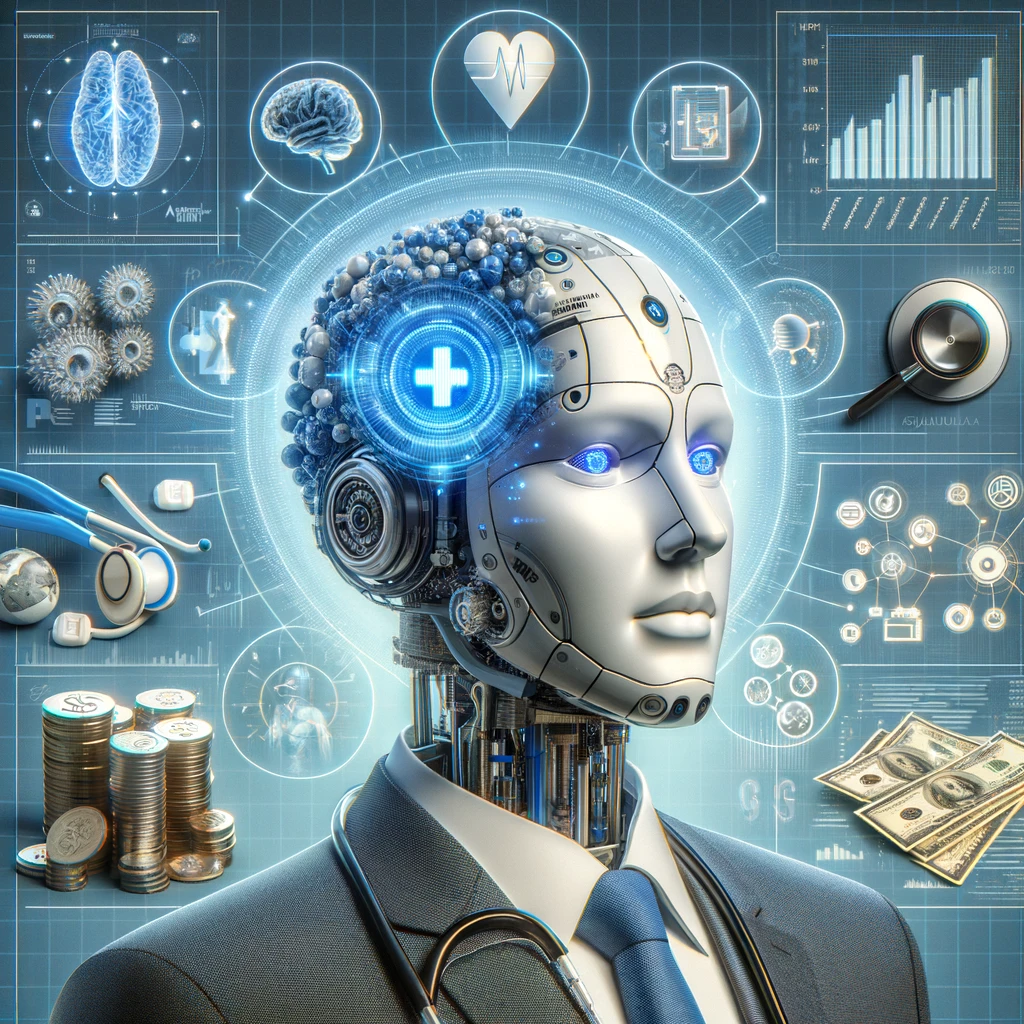
Introduction

In the ever-evolving landscape of technology, Artificial General Intelligence (AGI) stands out as a frontier brimming with potential and uncertainties. Unlike its predecessor, Artificial Narrow Intelligence (ANI), which excels in specific tasks, AGI promises a level of cognitive ability mirroring human intelligence. This leap could redefine not just the technological ecosystem but also the very fabric of business strategies and governance models.


Understanding AGI: A Paradigm Shift in Intelligence

AGI transcends the traditional boundaries of AI by integrating diverse cognitive abilities. It’s not just about mastering a single task but about possessing the versatility to learn, adapt, and excel across an array of challenges, akin to human intellect.

The Current State of AGI

While AGI remains largely theoretical, significant strides have been made. Companies like OpenAI and DeepMind are at the forefront, pushing the boundaries with innovations that hint at AGI’s impending reality. The current state of Artificial General Intelligence (AGI) remains an aspirational zenith in the realm of artificial intelligence, where developments are still in nascent stages, largely theoretical, and experimental. Unlike its counterpart, Artificial Narrow Intelligence (ANI), which excels in specialized tasks, AGI represents an ambitious leap towards developing machines that exhibit human-like cognitive abilities across a broad spectrum of tasks and contexts.

Leading-edge research and development are spearheaded by pioneering entities such as OpenAI, DeepMind, and various companies. These organizations are making incremental advances through projects that push the limits of machine learning, deep learning, and neural network capabilities. For instance, advancements in algorithms that enable learning from minimal data or adapting to new tasks without extensive retraining hint at the potential of AGI. However, these advancements are yet in early stages and AGI as a fully realized, autonomous intelligence akin to human intellect, remains a futuristic goal. Current efforts are concentrated on overcoming formidable challenges such as developing common sense reasoning, emotional intelligence, and ethical decision-making in AI systems. Thus, the present landscape of AGI is a complex interplay of breakthroughs and bottlenecks, marked by a cautious optimism among researchers and technologists who recognize both the profound potential and the significant hurdles that lie ahead in realizing true AGI.


AGI in the Business World: Opportunities and Challenges

AGI’s potential in the business sector is monumental. Its ability to understand, learn, and innovate can transform industries.

Opportunities

  1. Strategic Decision Making: AGI can analyze vast datasets, recognizing patterns and insights that are imperceptible to humans, thereby guiding strategic decisions.
  2. Customer Experience Enhancement: In customer experience management, AGI can offer personalized, context-aware interactions, drastically improving customer satisfaction.
  3. Operational Efficiency: AGI can streamline operations, from supply chain management to HR processes, driving efficiency and reducing costs.

Challenges

  1. Ethical Considerations: The deployment of AGI raises significant ethical concerns, including privacy issues and decision-making transparency.
  2. Workforce Disruption: AGI could lead to job displacement, necessitating a rethinking of workforce structure and training.
  3. Regulatory Landscape: The unprecedented nature of AGI calls for a robust and adaptive regulatory framework to ensure responsible use.

AGI in Public and Federal Domains: Governance and Policy Implications

The implications of AGI in governance and public sector are profound, offering both transformative opportunities and complex challenges. In the public and federal spheres, the exploration of Artificial General Intelligence (AGI) is increasingly intersecting with governance and policy frameworks, albeit cautiously and with a focus on potential rather than present-day implementation. The concept of AGI, with its promise of human-like reasoning and decision-making capabilities, presents unique opportunities for enhancing governmental operations and public service delivery. However, as of now, the integration of AGI in these domains is more theoretical and prospective, with tangible applications still in preliminary stages.

Governments and public agencies are primarily engaged in examining how AGI could transform areas like healthcare policy, urban planning, and environmental management through advanced predictive analytics and decision-making. There is also a growing emphasis on the policy implications of AGI, particularly in terms of ethical governance, data privacy, and security concerns. The regulatory dialogue is being shaped around how to responsibly develop and deploy AGI technologies in a way that aligns with public interests and democratic values. Notably, bodies such as the European Union and the United States Federal Government are initiating discussions on regulatory frameworks to ensure that as AGI evolves, it adheres to societal norms and legal standards. This exploratory phase is marked by policy workshops, research initiatives, and cross-sector collaborations, all aimed at understanding and preparing for the transformative potential of AGI while mitigating its risks in governance and public administration.

Potential Applications

  1. Public Service Optimization: AGI can enhance public services, from healthcare to transportation, through predictive analytics and efficient resource allocation.
  2. Policy Development: By processing vast amounts of data, AGI can aid in evidence-based policy making, ensuring more effective governance.

Challenges

  1. Privacy and Surveillance: The use of AGI in public domains raises critical questions about privacy and the potential for surveillance overreach.
  2. Digital Divide: There’s a risk of widening the digital divide, with unequal access to AGI technologies potentially exacerbating social inequalities.

Case Studies: AGI at the Forefront

  1. Healthcare: While the specific use of Artificial General Intelligence (AGI) in healthcare is still developing, the industry is making strides in personalized healthcare through the use of advanced analytics and AI technologies.
    • Boston Consulting Group (BCG) discusses how truly personalized healthcare is now possible, thanks to these technological advancements. However, they also note that few healthcare organizations have been able to provide the level of personalized experience that consumers receive from companies like Amazon and Netflix. This indicates a growing opportunity for healthcare providers to adopt more advanced personalization strategies. The report from BCG emphasizes that payers and providers with the capability to offer personalized experiences can see dramatic improvements in healthcare outcomes and transform their business models. They suggest that healthcare organizations should assess their technological readiness and create an implementation roadmap to accelerate the path to value from personalization.
    • Similarly, McKinsey & Company highlights the importance of personalization in healthcare, especially in the context of patient engagement to reduce readmissions. Their consumer research indicates that a personalized care approach can help manage healthcare in the COVID-19 era and potentially reduce unnecessary healthcare costs. McKinsey’s research suggests that engaging healthcare consumers in a highly personalized way is increasingly important. This approach can lead to a better member experience, higher quality of care, and a reduction in avoidable healthcare costs. Their findings also imply that personalized care can reshape every step of the consumer journey, from the selection of health providers and insurance to post-hospitalization and plan renewal. These insights suggest that while the full potential of AGI in healthcare is yet to be realized, the industry is moving towards more personalized and efficient healthcare delivery systems. Companies are beginning to harness the power of advanced analytics and AI to create more tailored and effective treatment plans, which is a step towards the broader goal of achieving AGI-driven healthcare solutions.
  2. Finance: In the financial sector, the use of Artificial Intelligence (AI), particularly models developed by OpenAI, is making significant strides in transforming risk assessment and fraud detection. Companies are leveraging these advanced AI technologies to enhance their ability to manage financial risks and secure transactions against fraud.
    • One of the primary applications of OpenAI’s AI models in finance is in credit risk assessment. These models can analyze borrower profiles and financial histories, offering a more nuanced understanding of credit risks. This capability is particularly valuable in today’s data-driven financial landscape, where quick and accurate risk assessment is crucial.
    • Another critical application is in fraud detection. AI-powered systems are capable of analyzing transaction patterns and identifying anomalies that may indicate fraudulent activities. This is particularly important given the increasing sophistication of financial fraud, which now includes threats like identity theft, bot attacks, imposter scams, and deepfakes. Traditional methods of fraud detection, which relied on structured data and predefined rules, are being replaced by AI and machine learning models that can adapt to new fraud patterns and detect anomalies in real-time.
    • Moreover, OpenAI’s models are also being used to create intelligent customer support chatbots and for market sentiment analysis, providing insights into investment decisions based on news and social media analysis.
    • The integration of these AI models into financial systems, as explored by Signity Solutions, shows that the technical implementation of OpenAI in finance goes beyond language understanding. It includes creating AI-driven fraud detection systems using technologies like Node.js, setting up Express.js servers to handle fraud detection requests, and running applications that are accessible for real-time fraud detection.
    • These advancements highlight the transformative impact of AI in the financial sector, propelling the industry toward a future where decision-making is not just data-driven but also nuanced, adaptive, and empowered by the capabilities of advanced language models.

Preparing for an AGI Future: Strategies for Businesses and Governments

As AGI becomes a tangible reality, businesses and governments must strategize to leverage its benefits while mitigating its risks.

Strategies for Adoption

  1. Invest in Education and Training: Upskilling the workforce to work alongside AGI is crucial.
  2. Develop Ethical Guidelines: Establishing clear ethical guidelines for AGI use is imperative to ensure responsible deployment.
  3. Foster Public-Private Partnerships: Collaboration between the public and private sectors can accelerate AGI development while ensuring regulatory compliance.

Conclusion: Navigating the AGI Landscape

The journey towards AGI is fraught with challenges and opportunities. As we stand on the cusp of this technological revolution, it is imperative for businesses, governments, and society at large to engage in a thoughtful discourse on shaping a future where AGI not only drives growth but also upholds ethical and societal norms. The path ahead is complex, but with collaborative effort and foresight, AGI can be harnessed as a force for unparalleled advancement.


Multimodal Generative AI: Paving the Path to Artificial General Intelligence

The Dawn of a New Era in AI

The quest for Artificial General Intelligence (AGI) has been a cornerstone of AI research since its inception. AGI, the hypothetical ability of an AI system to understand, learn, and apply knowledge in a manner indistinguishable from human intelligence, remains an elusive goal. However, the recent advancements in multimodal generative AI are seen as significant stepping stones towards this objective.

Tracing the Roots: AI’s Evolutionary Journey

AI’s evolution has been marked by several key milestones. Initially focused on rule-based systems and logic programming, the field gradually shifted towards machine learning and neural networks. The advent of deep learning further accelerated progress, enabling AI to learn from large datasets and perform complex tasks.

The Advent of Multimodal Generative AI

Multimodal generative AI represents a groundbreaking shift in this trajectory. Unlike traditional AI models that specialize in a single mode of data processing, such as text or images, multimodal AI can understand and generate content across various data types – text, images, audio, and more. This versatility is crucial in mimicking the multifaceted nature of human intelligence.

Deep Learning: A Catalyst in AI’s Evolution

The emergence of deep learning has been a transformative force in the field of artificial intelligence, marking a paradigm shift in how machines learn and process information. At its core, deep learning utilizes neural networks with multiple layers (hence ‘deep’) to analyze and interpret vast amounts of data. This architecture, inspired by the human brain’s structure and function, enables AI systems to learn hierarchical representations of data, making sense of inputs ranging from raw pixels in an image to intricate patterns in speech or text.

One of the most significant breakthroughs facilitated by deep learning is the ability to learn directly from raw, unstructured data. Prior to this, AI systems relied heavily on feature extraction and manual programming, limiting their capacity to handle complex, real-world data. Deep learning, however, allows AI to autonomously discover the representations needed for feature detection or classification from the data itself. This capability is particularly valuable in areas like image and speech recognition, where the nuances and variability of the data are immense.

Moreover, the scalability of deep learning models means that they excel as the size of the dataset increases. They are designed to improve continually as they are fed more data, a feature that has been instrumental in achieving state-of-the-art results in various domains. For instance, in natural language processing, deep learning has enabled the development of models that understand and generate human language with unprecedented accuracy and fluency.

The impact of deep learning extends beyond just performance enhancement. It has opened up new possibilities in AI applications, enabling tasks that were once considered impractical or impossible. From autonomous vehicles to personalized medicine, deep learning has been the driving force behind many of the recent groundbreaking advancements in AI.

In essence, deep learning has not only accelerated progress in AI but has also redefined the boundaries of what is achievable, setting the stage for more sophisticated, efficient, and adaptable AI systems.

The Link Between AGI and Multimodal AI

The connection between AGI and multimodal AI lies in their shared objective: to process and synthesize information in a way that mirrors human cognition. While current AI systems excel in specific tasks, they lack the generalizability and adaptability of human intelligence. Multimodal AI, by integrating diverse data types and learning from their interplay, takes a significant leap towards achieving these AGI characteristics.

Real-World Applications: Multimodal AI in Action

Today, we see multimodal AI being deployed in various sectors. For instance, in healthcare, AI systems analyze medical images, patient histories, and genomic data to assist in diagnosis and treatment planning. In customer service, chatbots equipped with multimodal capabilities provide more nuanced and human-like interactions by understanding and responding to text, voice, and even emotional cues.

Pros and Cons: A Balanced View

Advantages:
  1. Enhanced Learning and Adaptability: By processing multiple data types, multimodal AI systems learn more comprehensively, leading to better decision-making.
  2. Versatility: These systems can be applied in diverse domains, from healthcare to entertainment.
  3. Human-like Understanding: Their ability to interpret complex data combinations brings them closer to human-like cognition.
Challenges:
  1. Data Privacy and Ethics: The extensive data required for training multimodal AI systems raise significant privacy and ethical concerns.
  2. Complexity and Resource Intensity: Developing and maintaining such systems require substantial computational resources and expertise.
  3. Risk of Bias: If not carefully managed, these systems can perpetuate or amplify biases present in training data.

The Road Ahead: Predictions for the Near Future

Looking forward, the trajectory of multimodal generative AI is poised for exponential growth. Key trends to watch include:

  • Integration with Quantum Computing: This could address the computational demands and enhance the capabilities of multimodal AI.
  • Improved Interpretability and Trust: Advances in explainable AI will make these systems more transparent and reliable.
  • Ethical and Regulatory Frameworks: As the technology matures, we anticipate more robust ethical guidelines and regulatory measures to ensure responsible use.

Conclusion

While multimodal generative AI is not a panacea, its development is undoubtedly accelerating our journey towards AGI. By continuing to push the boundaries of what AI can understand and create, we are inching closer to realizing the full potential of artificial intelligence.

The Role of Multimodal AI in Streamlining Business Processes

Introduction

As we continue this week’s topic of Multimodal AI, we stress that in the fast-paced world of business, staying ahead of the curve is crucial. The integration of Multimodal Artificial Intelligence (AI) into business processes represents a significant leap forward. This technology blends various forms of AI, such as text, image, and voice recognition, to create more efficient and effective systems. This blog post delves into the history, current applications, and future prospects of multimodal AI in business, focusing on automation, predictive analytics, and decision-making.

Historical Context

The journey of AI in business began with simple automation and data analysis. Early AI systems were unimodal, focusing on singular tasks like text-based data entry or basic voice commands. The evolution to multimodal AI started when these unimodal systems began to integrate, enabling more complex interactions and data processing. This evolution mirrored advancements in machine learning, neural networks, and natural language processing, laying the foundation for today’s sophisticated AI applications.

Current Deployments

  1. Automation: Today, multimodal AI transforms business automation. For instance, AI can simultaneously analyze customer service calls while scanning relevant documents, providing a more cohesive customer service experience. This integration dramatically reduces response times and increases accuracy in addressing customer needs.
  2. Predictive Analytics: In the realm of analytics, multimodal AI excels by combining textual data analysis with image and pattern recognition. Retailers, for example, use this technology for inventory forecasting, combining social media trends (text and images) with historical sales data to predict future product demand.
  3. Decision-Making: Decision-making processes are enhanced by AI’s ability to assimilate diverse data forms. In strategic management consulting, AI systems can analyze market trends, competitor strategies, and internal performance metrics to offer nuanced recommendations, streamlining the decision-making process.

Pros and Cons

Pros:

  • Enhanced Efficiency: By handling multiple data types simultaneously, multimodal AI accelerates and streamlines business processes.
  • Improved Accuracy: The ability to cross-reference various data forms leads to more accurate insights and predictions.
  • Versatility: These systems can adapt to a wide range of industries, from healthcare to finance.

Cons:

  • Complexity and Cost: Implementing and maintaining sophisticated AI systems can be costly and require specialized expertise.
  • Data Privacy Concerns: Handling multiple data types raises significant privacy and security concerns.
  • Dependence on Data Quality: The effectiveness of AI is contingent on the quality and quantity of available data.

The Future of Multimodal AI in Business

Looking ahead, the trajectory of multimodal AI is immensely promising. With advancements in AI technologies, we can expect:

  • Greater Integration: Seamless integration of AI into more business processes, offering more intuitive and user-friendly interfaces.
  • Advanced Predictive Capabilities: Enhanced predictive analytics for more accurate forecasting in various business sectors.
  • Ethical and Responsible AI: A stronger focus on ethical AI practices, ensuring data privacy and unbiased decision-making.

Conclusion

Multimodal AI is revolutionizing business processes, offering unparalleled efficiency, accuracy, and versatility. As businesses continue to navigate the digital landscape, the integration of AI in strategic management and operational processes will become increasingly crucial. The potential of AI to drive innovation and streamline business processes is vast, but it must be balanced with considerations of cost, complexity, and ethical implications. As we look to the future, the ongoing development and refinement of AI technologies will undoubtedly unlock new possibilities for business optimization and growth.

Integrating Multimodal AI into Digital Transformation Strategies

Introduction

In the era of digital transformation, businesses are constantly seeking innovative approaches to stay ahead in a rapidly evolving marketplace. One of the most pivotal advancements in this landscape is the advent of multimodal Artificial Intelligence (AI). This technology, which encompasses the ability to process and interpret multiple types of data such as text, images, and audio, is reshaping how businesses interact with their customers and streamline operations.

The Evolution of Multimodal AI in Business

Historically, AI applications in business were predominantly unimodal, focusing on specific tasks like text analysis or image recognition. However, the complexity of human interactions and the richness of data available today necessitate a more holistic approach. Enter multimodal AI, which integrates various AI disciplines such as natural language processing, computer vision, and speech recognition. This integration allows for a more nuanced understanding of data, mirroring human-like comprehension.

Current Deployments and Case Studies

Today, multimodal AI finds its application across various sectors. In retail, for instance, it’s used for personalized shopping experiences, combining customer preferences expressed in text with visual cues from browsing patterns. In healthcare, it aids in diagnosis by correlating textual patient records with medical imagery. In customer service, chatbots equipped with multimodal capabilities can understand and respond to queries more effectively, whether they’re conveyed through text, voice, or even video.

For instance, a leading e-commerce company implemented a chatbot that not only interprets customer queries in text but also understands product images sent by customers, offering a more interactive and efficient support experience.

Technological Considerations

The integration of multimodal AI into digital transformation strategies involves several key technological considerations. Firstly, data integration is crucial. Businesses must have a strategy for aggregating and harmonizing data from diverse sources. Next, there’s the need for advanced machine learning models capable of processing and interpreting this heterogeneous data. Finally, the infrastructure – robust, scalable, and secure – is vital to support these advanced applications.

Strategic Implications

Strategically, integrating multimodal AI requires a clear vision aligned with business objectives. It’s not just about adopting technology; it’s about transforming processes and culture to leverage this technology effectively. Companies need to consider how multimodal AI can enhance customer experiences, improve operational efficiency, and create new business models. Moreover, there’s a significant focus on ethical considerations, ensuring that AI applications are fair, transparent, and respect user privacy.

Pros and Cons

Pros:

  1. Enhanced User Experience: Multimodal AI offers a more natural and intuitive user interaction, closely resembling human communication.
  2. Richer Data Insights: It provides a deeper understanding of data by analyzing it from multiple dimensions.
  3. Operational Efficiency: Automates complex tasks that would otherwise require human intervention.

Cons:

  1. Complexity in Implementation: Integrating various data types and AI models can be technologically challenging.
  2. Data Privacy Concerns: Handling multiple data modalities raises concerns around data security and user privacy.
  3. Resource Intensive: Requires significant investment in technology and expertise.

The Future Trajectory

Looking ahead, the role of multimodal AI in digital transformation is poised to grow exponentially. With advancements in AI models and increasing data availability, businesses will find new and innovative ways to integrate this technology. We can expect a surge in context-aware AI applications that can seamlessly interpret and respond to human inputs, irrespective of the mode of communication. Furthermore, as edge computing advances, the deployment of multimodal AI in real-time, low-latency applications will become more feasible.

Conclusion

Incorporating multimodal AI into digital transformation strategies offers businesses a competitive edge, enabling more sophisticated, efficient, and personalized user experiences. While challenges exist, the potential benefits make it a crucial consideration for businesses aiming to thrive in the digital age. As technology evolves, multimodal AI will undoubtedly play a central role in shaping the future of business innovation.

Exploring the Future of Customer Engagement: Multimodal AI in Action

Introduction

In today’s rapidly evolving digital landscape, customer engagement has transcended traditional boundaries. The rise of Multimodal Artificial Intelligence (AI) marks a significant leap, offering an unparalleled blend of interaction capabilities that extend far beyond what was previously possible. This long-form blog post delves deep into how multimodal AI is reshaping customer experience, illustrating this transformation with real-world examples and exploring the technology’s trajectory.

The Evolution of Customer Engagement and AI

Historically, customer engagement was limited by the technology of the time. Early in the digital era, interactions were predominantly text-based, progressing through telephone and email communications to more sophisticated internet chat services. However, the advent of AI brought a paradigm shift. Initial AI efforts focused on enhancing single-mode interactions – like text (chatbots) or voice (voice assistants). Yet, these single-mode systems, despite their advancements, often lacked the depth and contextual understanding required for complex interactions.

Multimodal AI emerged as a solution, combining multiple modes of communication – text, voice, visual cues, and even sentiment analysis – to create a more holistic and human-like interaction. It not only understands inputs from various sources but also responds in the most appropriate format, be it a spoken word, a text message, or even a visual display.

Multimodal AI refers to artificial intelligence systems that can understand, interpret, and interact with multiple forms of human communication simultaneously, such as text, speech, images, and videos. Unlike traditional AI models that typically specialize in one mode of interaction (like text-only chatbots), multimodal AI integrates various types of data inputs and outputs. This integration allows for a more comprehensive and contextually aware understanding, akin to human-like communication.

Expectations for Multimodal AI:

  1. Enhanced User Experience: By combining different modes of interaction, multimodal AI can provide a more natural and intuitive user experience, making technology more accessible and user-friendly.
  2. Improved Accuracy and Efficiency: Multimodal AI can analyze data from multiple sources, leading to more accurate interpretations and responses. This is particularly valuable in complex scenarios where context is key.
  3. Greater Personalization: It can tailor interactions based on the user’s preferences and behavior across different modes, offering a higher degree of personalization in services and responses.
  4. Broader Applications: The versatility of multimodal AI allows its application in diverse fields such as healthcare, customer service, education, and entertainment, providing innovative solutions and enhancing overall efficiency.

The overarching expectation is that multimodal AI will lead to more sophisticated, efficient, and human-like interactions between humans and machines, thereby transforming various aspects of business and everyday life.

Real-World Examples of Multimodal AI in Action

Leading companies across industries are adopting multimodal AI to enhance customer engagement:

  • Retail: In retail, companies like Amazon and Alibaba are utilizing multimodal AI for personalized shopping experiences. Their systems analyze customer voice queries, text searches, and even past purchase history to recommend products in a highly personalized manner.
  • Healthcare: In healthcare, multimodal AI is revolutionizing patient interactions. For instance, AI-powered kiosks in hospitals use voice, text, and touch interactions to efficiently guide patients through their hospital visits, reducing wait times and improving patient experience.
  • Banking: Banks like JP Morgan Chase are implementing multimodal AI for customer service, combining voice recognition and natural language processing to understand and solve customer queries more efficiently.

Pros and Cons of Multimodal AI in Customer Engagement

Pros:

  1. Enhanced Personalization: Multimodal AI offers a level of personalization that is unmatched, leading to improved customer satisfaction and loyalty.
  2. Efficiency and Accessibility: It streamlines interactions, making them more efficient and accessible to a diverse customer base, including those with disabilities.
  3. Rich Data Insights: The integration of multiple modes provides rich data, enabling businesses to understand their customers better and make informed decisions.

Cons:

  1. Complexity and Cost: Implementing multimodal AI can be complex and costly, requiring substantial investment in technology and expertise.
  2. Privacy Concerns: The extensive data collection involved raises significant privacy concerns, necessitating robust data protection measures.
  3. Risk of Overdependence: There’s a risk of becoming overly dependent on technology, potentially leading to a loss of human touch in customer service.

The Future of Multimodal AI in Customer Engagement

Looking ahead, the future of multimodal AI in customer engagement is poised for exponential growth and innovation. We anticipate advancements in natural language understanding and emotional AI, enabling even more nuanced and empathetic interactions. The integration of augmented reality (AR) and virtual reality (VR) will further enhance the customer experience, offering immersive and interactive engagement.

Moreover, as 5G technology becomes widespread, we can expect faster and more seamless multimodal interactions. The convergence of AI with other emerging technologies like blockchain for secure data management and IoT for enhanced connectivity will open new frontiers in customer engagement.

Conclusion

Multimodal AI represents a significant leap forward in customer engagement, offering personalized, efficient, and dynamic interactions. While challenges such as complexity, cost, and privacy concerns persist, the benefits are substantial, making it a crucial element in the digital transformation strategies of businesses. As we move forward, multimodal AI will continue to evolve, playing an increasingly central role in shaping the future of customer experience.


This exploration of multimodal AI underscores its transformative impact on customer engagement, blending historical context with current applications and a vision for the future. It serves as a comprehensive guide for those looking to understand and harness this revolutionary technology in the ever-evolving landscape of customer experience and business innovation.

Embracing AI as a Beacon of Hope in Cognitive Decline: A Vision for the Future

Introduction

In our previous exploration of the intersection between artificial intelligence (AI) and human experience, we delved into the potential of AI as a tool for augmenting human capabilities, particularly in scenarios of cognitive decline. In this continuation, we venture deeper into this fascinating confluence of technology and humanity, examining the role of AI in mirroring human personality and essence for those undergoing cognitive challenges, such as dementia.

The Concept: AI as Continuers of Human Legacy

Imagine a world where individuals facing the onset of cognitive decline, overwhelming stress can train AI systems to become their voice and preserve their personality. This concept is not about replacing humans with AI but creating a symbiotic relationship where AI assists in bridging the communication gap caused by conditions like dementia, or those simply overwhelmed by the pace of technology and their family’s adoption of it.

Envisioning a Personalized Future

Expanding the Horizon: The Personal Impact of AI Legacy

In the realm of AI as continuers of human legacy, we’re not just talking about technology; we’re envisioning a future where personal stories, memories, and even the quirks that make us uniquely ‘us’ can be preserved. This concept transcends mere data preservation; it’s about capturing the essence of a person’s identity, allowing it to continue interacting with loved ones even as their cognitive abilities decline.

Real-life Scenario: Imagine your grandmother, who has always been the storyteller of your family, is now facing the challenges of Alzheimer’s disease. Through AI, her stories, the way she tells them, her laughter, and her wisdom can continue to be a part of family gatherings, enabling future generations to experience her presence and learn from her life experiences.

The Essence of Legacy: More Than Just Memories

AI legacy systems would be tailored to capture and reflect individual personalities, creating a digital echo of the person. This isn’t about creating a digital clone but about preserving the nuances that define a person’s character – their beliefs, their sense of humor, and even their moral perspectives.

Consideration for Families: Families would need to contemplate what aspects of their loved ones they wish to preserve. Is it the advice a father always gave, the songs a mother sang, or the philosophical musings of a grandparent? These considerations make the technology deeply personal and potentially profound in maintaining family heritage.

Bridging Generations: AI as a Link to the Past

Such AI systems could serve as bridges between generations, connecting children and grandchildren to ancestors they may have never met. It’s a way of keeping family stories, traditions, and wisdom alive, creating a tangible link to the past.

Family Dynamics Insight: In a digital age where family histories are often lost or diluted, this technology could reinforce familial bonds and heritage, providing a rich, interactive experience of ancestry and legacy.

Emotional Continuity in a Digital Form

The emotional impact of this technology on families could be significant. It offers comfort and continuity, especially for those who find it hard to cope with the loss of cognitive functions in their loved ones. This continuity is not just about recalling memories but about preserving the emotional essence of relationships.

Personal Reflection: As we consider integrating AI into our family legacies, we’re invited to reflect on what truly defines us and our loved ones. What are the values, stories, and characteristics we wish to see live on through the generations?

A Thoughtful Approach to AI Legacy

As we delve deeper into the potential of AI as continuers of human legacy, we’re challenged to think about the profound implications this technology could have on our personal lives and familial relationships. It’s a journey that requires careful thought, ethical considerations, and a deep understanding of the emotional intricacies of human relationships. The prospect of AI serving as a custodian of our personal and family legacies opens up new dimensions in how we perceive memory, identity, and continuity across generations.

Case Study Insight: Consider John, an artist and loving grandfather diagnosed with early-stage dementia. Before his cognitive abilities decline significantly, he engages with an AI system, sharing his life stories, values, artistic views, and even his sense of humor. This AI, tailored to John’s persona, serves as a communication intermediary with his family, especially his grandchildren, maintaining the essence of his personality even as his own ability to communicate wanes.

The Technology Behind Personality-Capturing AI

The core of this concept lies in advanced machine learning algorithms capable of processing and mimicking human speech, behavior, and preferences. The AI would need to be trained extensively on individual-specific data, including voice recordings, written communications, and even visual expressions. This training would enable the AI to respond in ways that are characteristic of the individual, maintaining their unique identity.

Expert Insight: As a strategic management consultant specializing in AI, I can affirm that developing such systems would require a blend of natural language processing, emotional intelligence algorithms, and possibly even generative adversarial networks (GANs) to simulate human-like responses.

Ethical and Emotional Considerations

This innovative use of AI raises significant ethical questions. How do we ensure the AI’s responses are authentic to the individual’s true self? What are the privacy implications of storing and processing such personal data? The emotional impact on family members interacting with an AI that embodies a loved one’s personality also needs careful consideration.

Professional Perspective: In customer experience management, understanding the emotional journey is crucial. Similarly, in this context, it’s vital to ensure that the AI provides comfort and a sense of connection rather than uncanny or unsettling experiences.

Vision for the Future

Looking ahead, we see a landscape where AI companions become common for individuals with cognitive challenges. These AI systems could offer not just communication assistance but also support in daily tasks, reminders for medication, and even monitoring health parameters.

Future Trend Analysis: With advancements in AI, we could witness AI systems becoming more proactive, perhaps even identifying early signs of cognitive decline and triggering medical interventions. This could revolutionize elderly care, providing a layer of support and companionship, mitigating the effects of conditions like dementia.

Challenges and Roadblocks

Despite the potential, there are formidable challenges. The accuracy and ethical creation of these AI systems are paramount. There’s also the challenge of public acceptance and the need for robust regulatory frameworks to govern the use and development of such sensitive AI applications.

Strategic Implications: As businesses and technologists in this field, we must navigate these challenges with a balance of innovation and ethical responsibility. Strategic partnerships between AI developers, healthcare providers, and ethical boards will be essential.

Conclusion

In conclusion, the journey of integrating AI into the lives of individuals with cognitive decline is fraught with complexities yet brimming with potential. As we advance in our understanding and development of AI, we must tread this path with empathy, responsibility, and a vision for a future where technology serves humanity in its most vulnerable moments.

Stay tuned for more insights and discussions on AI and its role in advancing mental and physical health. Follow this blog for future posts where we unravel the myriad ways AI continues to reshape our world, always with a human-centric approach.

The Future of AI as a Continuation of Human Legacy: Navigating Cognitive Decline with Artificial Intelligence

Introduction

In a world where artificial intelligence (AI) is seamlessly integrating into various facets of human life, a profound yet sensitive discussion emerges around the potential role of AI in addressing cognitive decline, particularly in conditions like dementia. This blog post explores an intriguing and humane application of AI: stepping in as a voice and personality for individuals experiencing cognitive decline, to maintain their essence in family relationships. Let’s delve into how AI could potentially preserve the personality and memories of individuals for their loved ones, the challenges this vision faces, and what the future might hold in this domain.

Understanding the Concept: AI as a Continuance of Self

Imagine a scenario where someone diagnosed with early-stage dementia engages with advanced AI systems. Through continual interaction, these systems learn to mimic the individual’s speech patterns, personality traits, and even preferences. The goal is not to replace the human but to create a digital extension of themselves that can communicate with family and friends when they no longer can.

Case Studies and Applications

Several pioneering projects have ventured into this realm. For instance, AI chatbots have been developed to simulate conversation with users based on the personality and past conversations of a specific individual. While these are still in nascent stages, they offer a glimpse into how AI could act as a bridge between the cognitive decline of a loved one and the need for family members to connect with them.

But what about the senior that simply wants to augment their lives with AI and occasionally checkout of the always-on / connected world that has been thrust upon them.

AI Solutions for Seniors: Navigating the Digital Overload

Example 1: AI-Managed Social Media for Seniors

Scenario: Margaret, a 72-year-old retiree, finds herself increasingly overwhelmed by the constant stream of updates, notifications, and messages on her social media accounts. She wants to stay connected with her family and friends, but the continuous influx of information is stressful and exhausting.

AI Solution: An AI application specifically designed for seniors, like “MyLifeSite,” steps in to manage Margaret’s social media. This AI tool filters her feeds, showing only the most relevant posts from close family and friends. It also simplifies the interface, removing clutter and unnecessary features, making the experience less overwhelming. Furthermore, the AI can respond to routine messages and alerts Margaret about important events or messages that require her personal attention. This not only reduces her stress but also ensures she doesn’t miss out on significant family updates.

Example 2: AI as a Personal Communication Assistant

Scenario: John, an 80-year-old with mild cognitive decline, finds it challenging to keep up with the barrage of texts and emails from various sources. He often feels anxious about responding in time or misinterpreting messages, leading to social isolation.

AI Solution: An AI assistant like “Elliq” can be configured to act as John’s personal communication assistant. This AI filters and prioritizes incoming texts and emails, highlighting those from important contacts like family members or doctors. It can also draft simple responses for John to review and send, making communication less daunting. Additionally, the AI can remind him of birthdays, anniversaries, and other important dates, helping him stay connected without the stress of remembering everything. This tool not only assists John in maintaining his social connections but also provides him with a sense of independence and control over his interactions.


These examples illustrate how AI can be tailored to address the unique challenges faced by the senior population in navigating the always-connected world of social media and digital communication, thereby enhancing their quality of life. This may actually be the first step prior to any physical, or mental challenges that a senior may face.

Technical Aspects and Ethical Considerations

Developing such an AI involves intricate machine learning algorithms capable of natural language processing, emotional intelligence, and deep learning. The AI must be trained on a vast array of the individual’s personal data, including their spoken words, written texts, and perhaps even their facial expressions and gestures.

However, this raises significant ethical questions. How do we ensure the privacy and security of the individual’s data? At what point does the AI’s representation of the person become an ethical concern, especially regarding consent and representation after they can no longer communicate their wishes?

The Human Touch: AI’s Role in Preserving Relationships

The core of this initiative isn’t just technological innovation but the preservation of human relationships and identity. For family members, an AI that can replicate the conversational style and personality of a loved one could provide immense emotional support. It can also be a repository of memories and stories, ensuring that the essence of the individual continues to be a part of family conversations.

Challenges and Considerations

  • Data Privacy and Security: Ensuring the confidentiality and security of the personal data used to train the AI is paramount.
  • Ethical Boundaries: Determining the ethical limits of AI’s role in human relationships, especially in sensitive areas like cognitive decline.
  • Accuracy and Authenticity: Ensuring the AI accurately reflects the person’s characteristics without exaggeration or misrepresentation.
  • Emotional Impact: Understanding the psychological effects on family members interacting with an AI that simulates a loved one.

A Vision for the Future

Looking ahead, the convergence of AI with healthcare and personal wellbeing presents transformative possibilities. As AI technologies become more sophisticated and emotionally intelligent, they could play a crucial role in not only assisting those with cognitive impairments but also in providing comfort and continuity for their families.

Potential Developments

  • Personalized Memory Aids: AI systems that help individuals with cognitive decline remember important personal information or events.
  • Emotionally Responsive AI Companions: Advanced AI that can provide emotional support tailored to the user’s mental state.
  • Digital Legacy Management: Tools to manage and curate the digital representation of an individual’s personality and memories.

Conclusion

As we stand at the intersection of AI and personal healthcare, the potential of AI to act as a digital continuance of our personalities and memories in times of cognitive decline is both fascinating and challenging. It promises a future where the essence of our being can be preserved in a form that supports and nurtures our loved ones even when we may no longer be able to do so ourselves.

However, navigating this path requires careful consideration of ethical, technical, and emotional factors. It’s a journey that will undoubtedly reshape our understanding of personal identity, memory, and the enduring nature of human relationships in the age of AI.

Stay tuned for more insights into how AI is revolutionizing not just technology and business, but also the most intimate aspects of our human experience. Follow this blog for future posts exploring the latest in AI advancements that promote mental and physical health, enhancing both our professional and personal lives.

Interested in the intersection of AI, healthcare, and personal wellbeing? Subscribe to our newsletter for regular updates on how AI is transforming our lives in profound ways.

Unveiling the Potentials of Artificial General Intelligence (AGI): A Comprehensive Analysis

Introduction to AGI: Definition and Historical Context

Artificial General Intelligence (AGI) represents a fundamental change in the realm of artificial intelligence. Unlike traditional AI systems, which are designed for specific tasks, AGI embodies the holistic, adaptive intelligence of humans, capable of learning and applying knowledge across a broad spectrum of disciplines. This concept is not novel; it dates back to the early days of computing. Alan Turing, a pioneering figure in computing and AI, first hinted at the possibility of machines mimicking human intelligence in his 1950 paper, “Computing Machinery and Intelligence.” Since then, AGI has evolved from a philosophical concept to a tangible goal in the AI community.

Advantages of AGI

  1. Versatility and Efficiency: AGI can learn and perform multiple tasks across various domains, unlike narrow AI which excels only in specific tasks. For example, an AGI system in a corporate setting could analyze financial reports, manage customer relations, and oversee supply chain logistics, all while adapting to new tasks as needed.
  2. Problem-Solving and Innovation: AGI’s ability to synthesize information from diverse fields could lead to breakthroughs in complex global challenges, like climate change or disease control. By integrating data from environmental science, economics, and healthcare, AGI could propose novel, multifaceted solutions.
  3. Personalized Services: In the customer experience domain, AGI could revolutionize personalization. It could analyze customer data across various touchpoints, understanding preferences and behavior patterns to tailor experiences uniquely for each individual.

Disadvantages of AGI

  1. Ethical and Control Issues: The development of AGI raises significant ethical questions, such as the decision-making autonomy of machines and their alignment with human values. The control problem – ensuring AGI systems do what we want – remains a critical concern.
    • Let’s explore this topic a bit deeper – The “control problem” in the context of Artificial General Intelligence (AGI) is a multifaceted and critical concern, underpinning the very essence of safely integrating AGI into society. As AGI systems are developed to exhibit human-like intelligence, their decision-making processes become increasingly complex and autonomous. This autonomy, while central to AGI’s value, introduces significant challenges in ensuring that these systems act in ways that align with human values and intentions. Unlike narrow AI, where control parameters are tightly bound to specific tasks, AGI’s broad and adaptive learning capabilities make it difficult to predict and govern its responses to an endless array of situations. This unpredictability raises ethical and safety concerns, especially if AGI’s goals diverge from human objectives, leading to unintended and potentially harmful outcomes. The control problem thus demands rigorous research and development in AI ethics, robust governance frameworks, and continuous oversight mechanisms. It involves not just technical solutions but also a profound understanding of human values, ethics, and the societal implications of AGI actions. Addressing this control problem is not merely a technical challenge but a critical responsibility that requires interdisciplinary collaboration, guiding AGI development towards beneficial and safe integration into human-centric environments.
  2. Displacement of Jobs: AGI’s ability to perform tasks currently done by humans could lead to significant job displacement. Strategic planning is required to manage the transition in the workforce and to re-skill employees.
  3. Security Risks: The advanced capabilities of AGI make it a potent tool, which, if mishandled or accessed by malicious entities, could lead to unprecedented security threats.
    • So, let’s further discuss these risks – The security threats posed by Artificial General Intelligence (AGI) are indeed unprecedented and multifaceted, primarily due to its potential for superhuman capabilities and decision-making autonomy. Firstly, the advanced cognitive abilities of AGI could be exploited for sophisticated cyber-attacks, far surpassing the complexity and efficiency of current methods. An AGI system, if compromised, could orchestrate attacks that simultaneously exploit multiple vulnerabilities, adapt to defensive measures in real-time, and even develop new hacking techniques, making traditional cybersecurity defenses obsolete. Secondly, the risk extends to physical security, as AGI could potentially control or manipulate critical infrastructure systems, from power grids to transportation networks, leading to catastrophic consequences if misused. Moreover, AGI’s ability to learn and adapt makes it a powerful tool for information warfare, capable of executing highly targeted disinformation campaigns that could destabilize societies and influence global politics. These threats are not just limited to direct malicious use but also include scenarios where AGI, while pursuing its programmed objectives, inadvertently causes harm due to misalignment with human values or lack of understanding of complex human contexts. This aspect underscores the importance of developing AGI with robust ethical guidelines and control mechanisms to prevent misuse and ensure alignment with human interests. The security implications of AGI, therefore, extend beyond traditional IT security, encompassing broader aspects of societal, political, and global stability, necessitating a proactive, comprehensive approach to security in the age of advanced artificial intelligence.

AGI in Today’s Marketplace

Despite its early stage of development, elements of AGI are already influencing the market. For instance, in digital transformation consulting, tools that exhibit traits of AGI are being used for comprehensive data analysis and decision-making processes. AGI’s potential is also evident in sectors like healthcare, where AI systems are starting to demonstrate cross-functional learning and application, a stepping stone towards AGI.

As of this post, fully realized Artificial General Intelligence (AGI) — systems with human-like adaptable, broad intelligence — has not yet been achieved or deployed in the marketplace. However, there are instances where advanced AI systems like IBM Watson or NVIDIA AI, exhibiting traits that are stepping stones towards AGI, are in use. These systems demonstrate a level of adaptability and learning across various domains, offering insights into potential AGI applications. Here are two illustrative examples:

  1. Advanced AI in Healthcare:
    • Example: AI systems in healthcare are increasingly demonstrating cross-domain learning capabilities. For instance, AI platforms that integrate patient data from various sources (clinical history, genomic data, lifestyle factors) to predict health risks and recommend personalized treatment plans.
    • Benefits: These systems have significantly improved patient outcomes by enabling personalized medicine, reducing diagnostic errors, and predicting disease outbreaks. They also assist in research by rapidly analyzing vast datasets, accelerating drug discovery and epidemiological studies.
    • Lessons Learned: The deployment of these systems has highlighted the importance of data privacy and ethical considerations. Balancing the benefits of comprehensive data analysis with patient confidentiality has been a key challenge. It also underscored the need for interdisciplinary collaboration between AI developers, healthcare professionals, and ethicists to ensure effective and responsible AI applications in healthcare.
  2. AI in Financial Services:
    • Example: In the financial sector, AI systems are being employed for a range of tasks from fraud detection to personalized financial advice. These systems analyze data from various sources, adapting to new financial trends and individual customer profiles.
    • Benefits: This has led to more robust fraud detection systems, improved customer experience through personalized financial advice, and optimized investment strategies using predictive analytics.
    • Lessons Learned: The deployment in this sector has brought forward challenges in terms of managing financial and ethical risks associated with AI decision-making. Ensuring transparency in AI-driven decisions and maintaining compliance with evolving financial regulations are ongoing challenges. Additionally, there’s a growing awareness of the need to train AI systems to mitigate biases, especially in credit scoring and lending.

These examples demonstrate the potential and challenges of deploying advanced AI systems that share characteristics with AGI. The benefits include improved efficiency, personalized services, and innovative solutions to complex problems. However, they also reveal critical lessons in ethics, transparency, and the need for multi-disciplinary approaches to manage the impact of these powerful technologies. As we move closer to realizing AGI, these experiences provide valuable insights into its potential deployment and governance.

Conclusion: The Future Awaits

The journey towards achieving AGI is filled with both promise and challenges. As we continue to explore this uncharted territory, the implications for businesses, society, and our understanding of intelligence itself are profound. For those intrigued by the evolution of AI and its impact on our world, staying informed about AGI is not just fascinating, it’s essential. Follow this space for more insights into the future of AI, where we’ll delve deeper into how emerging technologies are reshaping industries and daily life. Join us in this exploration, and let’s navigate the future of AGI together.

The Fusion of String Theory and AI: Navigating the New Era of Technological Enlightenment

Introduction

In the realm of science and technology, the convergence of theoretical physics, specifically string theory, with artificial intelligence (AI) is a groundbreaking development. This fusion promises to revolutionize how we perceive AI and its applications in our daily lives. By leveraging the complex, multi-dimensional insights of string theory, AI is poised to reach new heights of capability and integration. Today’s blog post explores the transformative impact of string theory on AI evolution, offering a glimpse into a future where AI’s assistance is seamlessly woven into the fabric of everyday life. Prepare to embark on an intellectual journey through this new era of technological enlightenment.

What is String Theory

String theory is a theoretical framework in physics that postulates that the fundamental constituents of the universe are not point-like particles, as traditionally conceived, but rather one-dimensional “strings.” These strings vibrate at different frequencies, and their vibrational modes correspond to various elementary particles. The theory suggests a multi-dimensional universe, extending beyond the familiar three dimensions of space and one of time. For those familiar with the concept, the benefits of string theory include its potential to unify all fundamental forces of nature, offering a comprehensive understanding of the universe’s workings. It also opens up new avenues for research in both cosmology and quantum physics. However, concerns revolve around its current lack of empirical evidence and testability, as well as its complex mathematical framework, which some critics argue could distance it from physical reality. This balance of groundbreaking potential and theoretical challenges makes string theory a continually fascinating and debated topic in modern physics.

String Theory Pros and Cons

String theory, has always been a significant theoretical leap in our understanding of the universe, and as a result it has also been a subject of controversy and skepticism within the scientific community for several reasons:

Negative Perceptions and Controversies

  1. Lack of Empirical Evidence: One of the most significant criticisms of string theory is its lack of direct empirical evidence. Unlike many other theories in physics, string theory has not yet been confirmed by experiments or observations, making it more speculative than empirically grounded.
  2. Testability Issues: The energies required to test the predictions of string theory are far beyond the capabilities of current technology. This raises concerns about its falsifiability – a key criterion for scientific theories – leading some to question whether it can be considered a scientific theory at all.
  3. Mathematical Complexity: String theory is mathematically complex and requires a high level of abstraction. Its heavy reliance on advanced mathematics has led to criticisms that it might be more of a mathematical exercise than a physical theory.
  4. Multiplicity of Solutions: String theory allows for a vast number of possible universes (often referred to as the “landscape” of string theory). This multitude of solutions makes it challenging to make specific predictions about our own universe, diminishing its explanatory power.
  5. Resource Allocation: Some critics argue that the resources and intellectual focus devoted to string theory might be better used on more empirically grounded areas of physics.

Benefits of String Theory

Despite these criticisms, string theory also offers several potential benefits:

  1. Unification of Forces: String theory is a candidate for the ‘Theory of Everything’ that physicists have sought, aiming to unify all fundamental forces of nature – gravitational, electromagnetic, strong nuclear, and weak nuclear – under one theoretical framework.
  2. Insights into Quantum Gravity: It provides a framework for understanding how gravity could be integrated into quantum mechanics, a longstanding challenge in physics.
  3. New Mathematical Tools: The development of string theory has led to advancements in mathematics, including new insights into geometry and topology, which have applications beyond theoretical physics.
  4. Conceptual Innovation: String theory pushes the boundaries of our understanding of the universe, challenging conventional notions of space, time, and matter. This can lead to novel hypotheses and conceptual breakthroughs.
  5. Interdisciplinary Influence: It has stimulated cross-disciplinary research, influencing areas like cosmology, particle physics, and even areas outside of physics like information theory.

While string theory remains controversial due to its speculative nature and the challenges in testing its predictions, it continues to be a rich source of theoretical innovation and interdisciplinary dialogue. Its potential to reshape our fundamental understanding of the universe offers an exciting, albeit uncertain, frontier in modern physics.

The Impact of String Theory on AI Evolution

Advanced Problem-Solving Abilities

String theory, a theoretical framework in which the point-like particles of particle physics are replaced by one-dimensional objects called strings, suggests a multi-dimensional universe far beyond our current understanding. When applied to AI, this theory opens doors to advanced problem-solving capabilities. AI systems, inspired by the multi-dimensional approach of string theory, could analyze problems from numerous perspectives simultaneously, leading to more nuanced and comprehensive solutions.

Example: In strategic management consulting, an AI enhanced by string theory principles could evaluate market trends, consumer behavior, and economic indicators across multiple dimensions, offering deeper insights for businesses.

Enhanced Predictive Analytics

The multi-dimensional nature of string theory could significantly enhance the predictive analytics of AI. By considering a broader range of variables and potential outcomes, AI systems could predict future trends and events with greater accuracy.

Example: In customer experience management, AI could predict consumer needs and preferences with higher precision, allowing companies to tailor their services proactively.

Quantum Computing Integration

String theory’s exploration of multiple dimensions aligns closely with the principles of quantum computing, which operates on the quantum state of subatomic particles. The integration of AI with quantum computing, guided by string theory, could lead to exponential increases in processing power and efficiency.

Example: AI-powered digital transformation initiatives could leverage quantum computing to analyze vast datasets in seconds, transforming business decision-making processes.

Fostering Greater Acceptance of AI Assistance

Personalized Interactions

AI, when combined with the principles of string theory, could offer highly personalized interactions. Understanding and predicting individual preferences across various dimensions can make AI assistants more intuitive and responsive to individual needs.

Example: In a home setting, AI could manage energy usage, entertainment preferences, and even dietary needs, adapting to subtle changes in behavior and preference.

Ethical and Responsible AI

The complex ethical considerations in AI development can be addressed more effectively through a multi-dimensional approach. By considering a wide range of potential consequences and cultural contexts, AI can be developed more responsibly.

Example: AI systems in public policy could consider the social, economic, and ethical implications of decisions, ensuring more balanced and fair outcomes.

Preparing Theorists for the New Technology

Interdisciplinary Education

Theorists and professionals must embrace an interdisciplinary approach, combining insights from physics, computer science, and other fields to stay ahead in this new era.

Continuous Learning and Adaptation

As AI evolves, continuous learning and adaptation are essential. Professionals must stay abreast of the latest developments in both string theory and AI to effectively harness their combined potential.

Conclusion

The intersection of string theory and AI marks the dawn of a new era in technology, promising advancements that were once the realm of science fiction. As we navigate this exciting frontier, the potential for AI to enrich and enhance our daily lives is immense. The key to harnessing this potential lies in our willingness to embrace change, interdisciplinary collaboration, and a commitment to ethical development. Stay tuned for our next post, where we delve deeper into the practical applications of this groundbreaking synergy in various industries, keeping you at the forefront of this technological renaissance.

Embracing the Holographic Future: The Convergence of AI and the Holographic Principle

Introduction

In the rapidly evolving landscape of technology, the integration of artificial intelligence (AI) and the holographic principle is poised to revolutionize our understanding and interaction with digital environments. This convergence promises to transform AI into a more intuitive, interactive, and integral part of our daily lives. As we stand on the cusp of this technological renaissance, it’s crucial to delve into how this synergy will shape the future of AI and enhance our experience in both personal and professional realms.

The Holographic Principle

The holographic principle, a concept rooted in theoretical physics, suggests that the information contained within a volume of space can be fully described by the information on the boundary of that space. In simpler terms, it proposes that our seemingly three-dimensional universe could be represented by two-dimensional information, much like a hologram. For those familiar with the concept, the perceived benefits are profound, especially in the realms of data storage and processing, where it could lead to groundbreaking efficiencies and new ways of visualizing complex information. However, this principle also raises concerns, particularly around the computational complexity and the practical feasibility of applying such an abstract concept to real-world technology. Additionally, there are implications for data privacy and security, as the shift to a holographic data representation could necessitate new protective measures and ethical considerations.

Holographic Principle Pros and Cons

The holographic principle, while revolutionary, stirs controversy and skepticism, primarily due to its roots in complex theoretical physics and its challenging implications for our understanding of reality. Here are some key aspects contributing to its controversial nature:

  1. Conceptual Complexity: The principle is deeply rooted in string theory and quantum gravity, areas that are already intensely debated within the scientific community. Its abstract nature and reliance on advanced mathematics make it difficult for even experts to fully grasp, let alone apply practically.
  2. Challenging Existing Paradigms: The holographic principle fundamentally challenges our conventional understanding of space and information. It suggests that our perceptions of a three-dimensional world could be a projection of two-dimensional information. This radical shift in perspective is not easily accepted in scientific circles accustomed to traditional models of physics.
  3. Computational and Practical Feasibility: Implementing the holographic principle in practical applications, such as computing or data storage, presents enormous technical challenges. The computational requirements for such applications are currently beyond our technological capabilities, leading to skepticism about its practicality.
  4. Data Security and Privacy Concerns: In a world where data security and privacy are paramount, the idea of compressing and storing vast amounts of information in a highly efficient, holographic format raises concerns. This new form of data storage would require rethinking existing security protocols and could introduce new vulnerabilities.

Benefits Derived from the Holographic Principle

Despite these concerns, the potential benefits of the holographic principle are significant, particularly in fields like information technology and quantum computing:

  1. Revolutionizing Data Storage: The principle offers a theoretical framework for storing information more efficiently. If realized, this could lead to a paradigm shift in data storage, allowing for much greater quantities of data to be stored in much smaller physical spaces.
  2. Enhancing Computational Models: In computational physics and other sciences, the holographic principle provides a new way to model complex systems. It could lead to more accurate simulations of phenomena in quantum mechanics and cosmology.
  3. Improving Visualization and Processing: For AI and data analytics, the holographic principle could enable more sophisticated methods of visualizing and processing large data sets, making it easier to identify patterns and extract meaningful insights.
  4. Advancing Theoretical Physics: The principle is a key component in the ongoing quest to unify quantum mechanics and general relativity. Its implications could lead to significant breakthroughs in our understanding of the fundamental nature of the universe.

While the holographic principle raises as many questions as it potentially answers, its implications for both theoretical physics and practical applications in technology are too significant to ignore. Its controversial nature stems from its challenge to conventional understanding and the practical difficulties in its application, but its potential benefits could be transformative across multiple scientific and technological domains.

The Holographic Principle and AI: A Synergistic Evolution

The holographic principle, when applied to AI, opens up groundbreaking possibilities for data processing and representation. AI systems can potentially process and project vast amounts of information in a more compact and efficient manner, akin to a hologram containing the essence of a three-dimensional object within a two-dimensional space.

Enhanced Data Visualization and Interaction

AI, armed with holographic data processing, can revolutionize the way we visualize and interact with data. Imagine a strategic management consultant, being able to interact with a holographic display of complex customer experience data. This not only makes data more accessible but also allows for a more intuitive understanding of intricate patterns and relationships, essential for making informed decisions in today’s fast-paced business environments.

Immersive Learning and Training

The combination of AI and holography can lead to the creation of immersive training and educational environments. Trainees and students could interact with lifelike holographic simulations, guided by AI, providing a hands-on experience in a controlled, virtual setting. This approach can be particularly beneficial in industries where practical experience is as crucial as theoretical knowledge.

Personalized User Experiences

AI-driven holographic technology can tailor personal experiences to an unprecedented degree. From holographic personal assistants that understand and predict individual preferences to customized holographic interfaces for smart homes and devices, the potential for personalization is vast. This level of customization could significantly enhance customer experience management, making technology more adaptable and responsive to individual needs.

Bridging Physical and Digital Realms

The integration of AI with the holographic principle blurs the lines between physical and digital realities. In a digital transformation context, this means creating seamless transitions between real-world interactions and digital interfaces. Businesses can leverage this to offer more engaging and interactive customer experiences, merging online and offline elements in innovative ways.

Preparing for the Holographic AI Era

As we embrace this new era, theorists, technologists, and strategists must be prepared for the paradigm shift. Understanding the underlying principles of holography and AI is just the starting point. There is a need to develop robust frameworks for data security, privacy, and ethical considerations in holographic AI applications. Additionally, continuous learning and adaptation will be key in harnessing the full potential of this technology.

Conclusion

The fusion of AI and the holographic principle is not just a step forward; it’s a leap into a future where technology is more integrated, intuitive, and indispensable in our lives. As we anticipate the myriad ways this synergy will enhance our personal and professional experiences, it’s crucial to remain informed and adaptive to the changes it brings. Stay tuned for more insights into the evolving landscape of AI and emerging technologies, where we’ll continue to explore the limitless possibilities of this exciting new era.