The Future of AI as a Continuation of Human Legacy: Navigating Cognitive Decline with Artificial Intelligence

Introduction

In a world where artificial intelligence (AI) is seamlessly integrating into various facets of human life, a profound yet sensitive discussion emerges around the potential role of AI in addressing cognitive decline, particularly in conditions like dementia. This blog post explores an intriguing and humane application of AI: stepping in as a voice and personality for individuals experiencing cognitive decline, to maintain their essence in family relationships. Let’s delve into how AI could potentially preserve the personality and memories of individuals for their loved ones, the challenges this vision faces, and what the future might hold in this domain.

Understanding the Concept: AI as a Continuance of Self

Imagine a scenario where someone diagnosed with early-stage dementia engages with advanced AI systems. Through continual interaction, these systems learn to mimic the individual’s speech patterns, personality traits, and even preferences. The goal is not to replace the human but to create a digital extension of themselves that can communicate with family and friends when they no longer can.

Case Studies and Applications

Several pioneering projects have ventured into this realm. For instance, AI chatbots have been developed to simulate conversation with users based on the personality and past conversations of a specific individual. While these are still in nascent stages, they offer a glimpse into how AI could act as a bridge between the cognitive decline of a loved one and the need for family members to connect with them.

But what about the senior that simply wants to augment their lives with AI and occasionally checkout of the always-on / connected world that has been thrust upon them.

AI Solutions for Seniors: Navigating the Digital Overload

Example 1: AI-Managed Social Media for Seniors

Scenario: Margaret, a 72-year-old retiree, finds herself increasingly overwhelmed by the constant stream of updates, notifications, and messages on her social media accounts. She wants to stay connected with her family and friends, but the continuous influx of information is stressful and exhausting.

AI Solution: An AI application specifically designed for seniors, like “MyLifeSite,” steps in to manage Margaret’s social media. This AI tool filters her feeds, showing only the most relevant posts from close family and friends. It also simplifies the interface, removing clutter and unnecessary features, making the experience less overwhelming. Furthermore, the AI can respond to routine messages and alerts Margaret about important events or messages that require her personal attention. This not only reduces her stress but also ensures she doesn’t miss out on significant family updates.

Example 2: AI as a Personal Communication Assistant

Scenario: John, an 80-year-old with mild cognitive decline, finds it challenging to keep up with the barrage of texts and emails from various sources. He often feels anxious about responding in time or misinterpreting messages, leading to social isolation.

AI Solution: An AI assistant like “Elliq” can be configured to act as John’s personal communication assistant. This AI filters and prioritizes incoming texts and emails, highlighting those from important contacts like family members or doctors. It can also draft simple responses for John to review and send, making communication less daunting. Additionally, the AI can remind him of birthdays, anniversaries, and other important dates, helping him stay connected without the stress of remembering everything. This tool not only assists John in maintaining his social connections but also provides him with a sense of independence and control over his interactions.


These examples illustrate how AI can be tailored to address the unique challenges faced by the senior population in navigating the always-connected world of social media and digital communication, thereby enhancing their quality of life. This may actually be the first step prior to any physical, or mental challenges that a senior may face.

Technical Aspects and Ethical Considerations

Developing such an AI involves intricate machine learning algorithms capable of natural language processing, emotional intelligence, and deep learning. The AI must be trained on a vast array of the individual’s personal data, including their spoken words, written texts, and perhaps even their facial expressions and gestures.

However, this raises significant ethical questions. How do we ensure the privacy and security of the individual’s data? At what point does the AI’s representation of the person become an ethical concern, especially regarding consent and representation after they can no longer communicate their wishes?

The Human Touch: AI’s Role in Preserving Relationships

The core of this initiative isn’t just technological innovation but the preservation of human relationships and identity. For family members, an AI that can replicate the conversational style and personality of a loved one could provide immense emotional support. It can also be a repository of memories and stories, ensuring that the essence of the individual continues to be a part of family conversations.

Challenges and Considerations

  • Data Privacy and Security: Ensuring the confidentiality and security of the personal data used to train the AI is paramount.
  • Ethical Boundaries: Determining the ethical limits of AI’s role in human relationships, especially in sensitive areas like cognitive decline.
  • Accuracy and Authenticity: Ensuring the AI accurately reflects the person’s characteristics without exaggeration or misrepresentation.
  • Emotional Impact: Understanding the psychological effects on family members interacting with an AI that simulates a loved one.

A Vision for the Future

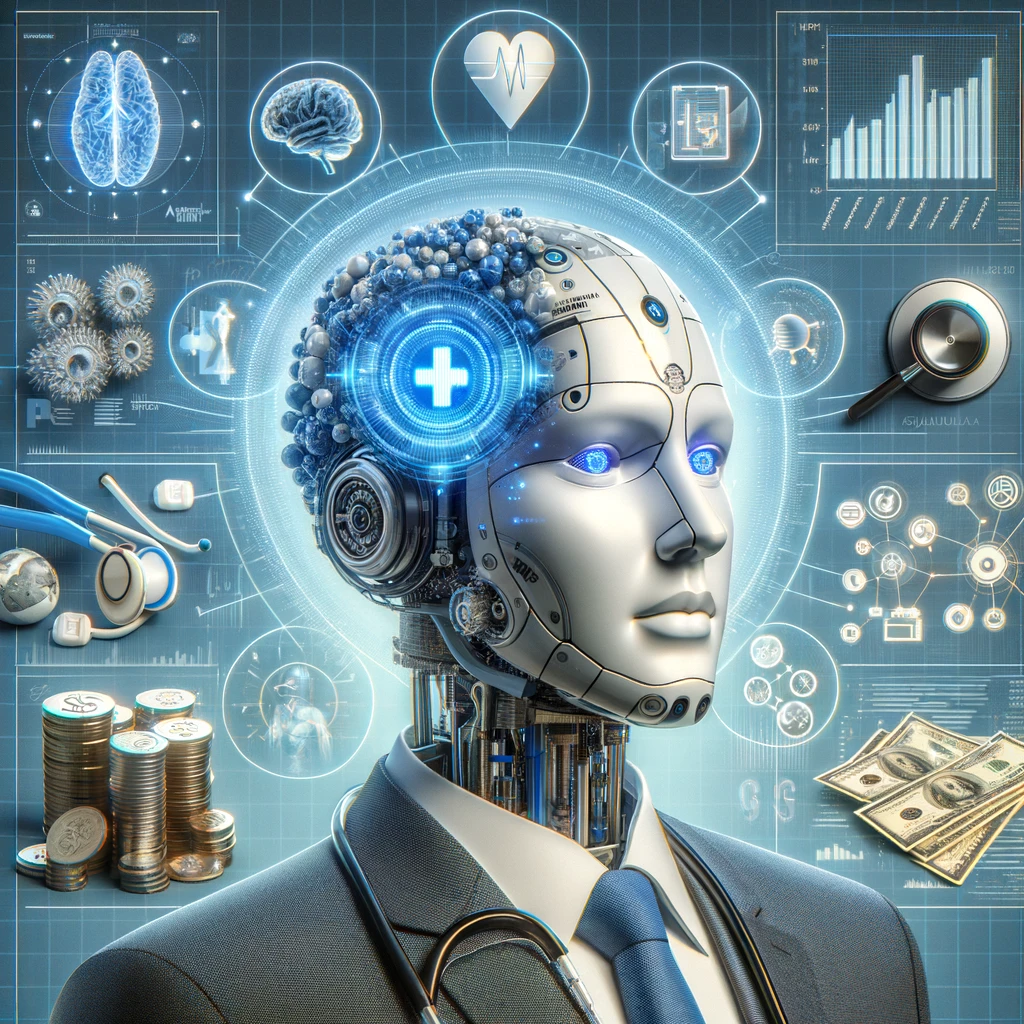
Looking ahead, the convergence of AI with healthcare and personal wellbeing presents transformative possibilities. As AI technologies become more sophisticated and emotionally intelligent, they could play a crucial role in not only assisting those with cognitive impairments but also in providing comfort and continuity for their families.

Potential Developments

  • Personalized Memory Aids: AI systems that help individuals with cognitive decline remember important personal information or events.
  • Emotionally Responsive AI Companions: Advanced AI that can provide emotional support tailored to the user’s mental state.
  • Digital Legacy Management: Tools to manage and curate the digital representation of an individual’s personality and memories.

Conclusion

As we stand at the intersection of AI and personal healthcare, the potential of AI to act as a digital continuance of our personalities and memories in times of cognitive decline is both fascinating and challenging. It promises a future where the essence of our being can be preserved in a form that supports and nurtures our loved ones even when we may no longer be able to do so ourselves.

However, navigating this path requires careful consideration of ethical, technical, and emotional factors. It’s a journey that will undoubtedly reshape our understanding of personal identity, memory, and the enduring nature of human relationships in the age of AI.

Stay tuned for more insights into how AI is revolutionizing not just technology and business, but also the most intimate aspects of our human experience. Follow this blog for future posts exploring the latest in AI advancements that promote mental and physical health, enhancing both our professional and personal lives.

Interested in the intersection of AI, healthcare, and personal wellbeing? Subscribe to our newsletter for regular updates on how AI is transforming our lives in profound ways.

Quantum Computing, Physics, and Mechanics: A Convergence Transforming the Future

Introduction

Today we wrap-up our discussions about the domains of Quantum. While we have just touched on these continually emerging topics, we hope that each conversation left you with an urge to explore more in depth and seek additional knowledge in the space.

In the dynamic landscape of technological innovation, these three domains have continually emerged as frontiers of groundbreaking development: Quantum Computing, Physics, and Mechanics. Each field, distinct in its principles and applications, is now converging to revolutionize how we understand and interact with the world. This week’s posts have explored these domains individually, but now let’s synthesize these insights to envision a future shaped by their synergy.

An Executive Summary – Quantum Computing, Physics, and Mechanics: Unraveling the Threads

Quantum Computing is an area that leverages the principles of quantum mechanics to process information. Unlike classical computing, which uses bits as the smallest unit of data, quantum computing uses quantum bits or qubits. This allows quantum computers to handle complex calculations at unprecedented speeds.

Physics, especially Quantum Physics, explores the nature and behavior of matter and energy at the quantum level. It provides the theoretical foundation for understanding how particles and forces interact, forming the basis of quantum computing.

Mechanics, traditionally, deals with the motion of bodies under the action of forces. Quantum Mechanics, a subset of physics, extends these principles to the atomic and subatomic levels, influencing how we develop technologies that interact with the quantum realm.

The Quantum-Mechanical Engineering Space: A Nexus of Innovation

The intersection of quantum computing, physics, and mechanics opens a new field, often referred to as Quantum-Mechanical Engineering. This domain explores the application of quantum principles in designing and developing mechanical systems.

Use Cases in Public and Private Sectors

  1. Material Science: Organizations are leveraging quantum computing to simulate and design new materials with specific properties, leading to innovations in everything from superconductors to pharmaceuticals.
  2. Optimization Problems: Quantum computers excel at solving complex optimization problems, benefiting logistics companies in route planning or financial institutions in portfolio management.
  3. Cybersecurity: Quantum encryption techniques, rooted in quantum mechanics, offer unprecedented levels of data security, crucial for both government agencies and private corporations.
  4. Drug Discovery: The pharmaceutical industry is exploring quantum computing to model molecular interactions, speeding up the drug discovery process and reducing costs.

Benefits and Disadvantages

Benefits:

  • Speed: Quantum computing can process complex calculations much faster than traditional computers.
  • Precision: Quantum mechanics allows for more precise measurements and predictions at microscopic levels.
  • Innovation: This convergence is leading to new technologies and solutions across various industries.

Disadvantages:

  • Technical Complexity: Quantum technologies are complex and require specialized knowledge, limiting their accessibility.
  • Scalability: Building scalable quantum systems poses significant technological challenges.
  • Security Concerns: Quantum computing could potentially break current encryption methods, leading to new cybersecurity challenges.

Practical Applications in Business

Quantum teachings are gradually finding their way into everyday business challenges. For example, automotive companies are using quantum simulations to develop more efficient batteries. Financial institutions are exploring quantum algorithms for risk analysis and fraud detection. In the realm of artificial intelligence, quantum computing is set to enhance machine learning capabilities significantly.

Proactive Organizations

As we heard, organizations like IBM, Google, and various startups are investing heavily in quantum computing research. Governments around the world are also funding quantum technology initiatives, recognizing its strategic importance.

Looking Ahead: The Quantum Future

Vision for the Future

The future shaped by quantum computing, physics, and mechanics is one of immense potential. We envision a world where quantum technologies revolutionize fields from energy to medicine, bringing about efficiencies and solutions previously deemed impossible. Quantum computers will solve complex global challenges like climate change modeling and large-scale logistical problems with unprecedented precision and speed.

Anticipated Challenges

However, this promising future is not without its challenges. The foremost is the technical complexity and resource intensity required to develop quantum technologies. Maintaining quantum coherence in computers over extended periods, for instance, is a significant hurdle. Additionally, as quantum technologies advance, there will be a growing need for a workforce skilled in these specialized areas, posing an educational and training challenge.

Bridging Quantum Computing and Mechanical Engineering

In the realm of mechanical engineering, quantum technologies offer transformative potential. One can foresee quantum sensors enhancing precision in manufacturing processes or quantum simulations leading to the development of new, more efficient materials. However, integrating quantum solutions into traditional mechanical engineering fields will require a deep understanding of both quantum principles and practical engineering constraints.

Quantum Innovations in Business: A Dual-Edged Sword

As quantum technologies permeate the business world, they bring both opportunities and risks. On one hand, they offer competitive advantages through enhanced data processing capabilities and innovation in product design and material science. On the other hand, they disrupt existing business models and create new competitive landscapes, where companies slow to adapt may find themselves at a significant disadvantage.

The Road Ahead for Organizations

Progressive organizations are already exploring quantum technologies. Tech giants and startups alike are racing to develop the first truly scalable quantum computer. Meanwhile, businesses in sectors like automotive, aerospace, and pharmaceuticals are partnering with quantum experts to explore applications ranging from material design to complex system modeling.

Conclusion

The convergence of Quantum Computing, Physics, and Mechanics is not just a scientific curiosity but a beacon for future technological advancements. As we stand on the brink of this quantum era, the possibilities are as vast as the challenges. For businesses and individuals alike, understanding and leveraging this convergence will be key to staying ahead in a rapidly evolving digital landscape.

So, as we conclude this week’s exploration into quantum computing, physics, and mechanics, it’s clear that we are on the cusp of a new era in technology and business innovation. The convergence of these fields promises to unlock new capabilities and opportunities across industries. For those interested in staying at the forefront of this quantum revolution, follow this blog. Together, we’ll navigate the complexities and possibilities of the quantum realm, uncovering insights and strategies to harness its potential for business and technological advancement.

Unveiling the Future: Quantum Computing, Physics, and Materials in Mechanical Engineering

Introduction

Yesterday, we introduced the topics of quantum computing and materials and today we will welcome quantum physics into the conversation and dive another level deeper. By discussing all three within the mechanical engineering space, we hope to provide a view into how all three are being leveraged by this discipline and what that future may look like.

In an era where technological advancements are not just innovations but revolutions, the fields of quantum computing, quantum physics, and quantum materials are emerging as pivotal game-changers. This blog post delves into these complex yet fascinating domains, focusing particularly on their intersection with mechanical engineering and their multifaceted applications in both public and private sectors.

Foundations of Quantum Computing and Quantum Physics

Quantum computing and quantum physics are intrinsically linked, with the former being a practical application of the principles of the latter. Quantum physics, the study of the behavior of matter and energy at the smallest scales, lays the groundwork for quantum computing. Unlike classical computing, which relies on bits (0s and 1s), quantum computing uses quantum bits or qubits. These qubits can exist in multiple states simultaneously, thanks to the principles of superposition and entanglement, which are cornerstones of quantum mechanics.

Quantum Materials: The New Frontier

Quantum materials are substances that exhibit exotic properties governed by the principles of quantum mechanics. These materials, such as topological insulators, superconductors, and graphene, show immense promise in revolutionizing various fields, including mechanical engineering.

Quantum Materials in Mechanical Engineering: Use Cases

Public Sector Applications

  1. Energy Storage and Conversion: Quantum materials like graphene are being explored for their potential in improving the efficiency of solar cells and batteries. Public institutions are investing in research to leverage these materials for sustainable and efficient energy solutions.
  2. Transportation: Superconducting materials, a subset of quantum materials, could revolutionize public transportation. Their application in magnetic levitation (maglev) trains exemplifies how they can reduce friction and energy consumption, leading to faster and more efficient transportation.

Private Sector Applications

  1. Electronics Industry: The miniaturization and enhanced performance of electronic components, crucial in today’s digital world, are achievable through quantum materials. Private companies are exploring materials like topological insulators for developing next-generation semiconductors.
  2. Aerospace and Defense: Quantum materials are critical in developing advanced materials for aerospace, where weight, strength, and thermal properties are paramount. Private aerospace firms are researching quantum materials for applications in spacecraft and aviation technology.

Advantages and Challenges

Advantages

  1. Enhanced Performance: Quantum materials offer superior properties, like high conductivity and unique magnetic characteristics, which can lead to breakthroughs in various technologies.
  2. Innovation in Various Fields: From energy to healthcare, the application of quantum materials paves the way for innovations across multiple sectors.

Challenges

  1. High Cost and Complexity: The synthesis and manipulation of quantum materials are often expensive and complex, making them currently less accessible for widespread use.
  2. Lack of Understanding: The nascent stage of quantum material research implies a limited understanding, which poses challenges in their practical application.

Quantum Materials: Real-World Business Applications

Quantum materials are not just theoretical constructs but have practical implications in addressing day-to-day business challenges. Companies like IBM and Google are investing in quantum computing, eyeing its potential to solve complex computational problems. In the energy sector, quantum materials are seen as the key to developing more efficient renewable energy systems. Meanwhile, in healthcare, their application in drug discovery and medical imaging represents a frontier of innovation.

Organizations Leading the Charge

Several organizations are proactively addressing the challenges and opportunities presented by quantum materials. Institutes like the Stewart Blusson Quantum Materials Institute (QMI) and companies such as QuantumScape and Rigetti Computing are at the forefront of this endeavor. Their focus ranges from fundamental research to the development of practical applications.

Conclusion

Quantum computing, physics, and materials represent a convergence of science and engineering that holds the promise of transformative changes across industries. As we continue to explore these realms, the potential for innovation in mechanical engineering and beyond is boundless. Stay tuned to this blog for more insights into the world of quantum materials, where the future of technology is being written today.


Engage with our ongoing exploration of quantum materials by following our posts. Discover the impact of these advanced materials in reshaping industries and driving technological progress. Don’t miss out on the journey to the forefront of innovation – follow us for the latest updates and in-depth analyses.

Understanding the Qubit: The Fundamental Unit of Quantum Computing

Introduction

While we are exploring the world of Quantum Computing, Materials and Physics this week, we thought that a quick post discussing the foundational aspect of this domain, specifically in the space of quantum computing may be helpful. The buzz seems to be around the word “qubit” – what is it, what does it do, why should I care and if asked, how can I clearly describe this item within an already confusing topic. As we have discussed earlier, quantum computing stands out among the other domains, as it offers unparalleled computational capabilities. At the heart of this revolution lies the qubit. This blog post aims to demystify the qubit, tracing its history, explaining its working principles, and comparing it with classical computing bits.

What is a Qubit?

A qubit, or quantum bit, is the basic unit of quantum information. It represents a quantum state that can exist simultaneously in multiple states, unlike a classical bit which is binary. This attribute is due to two fundamental principles of quantum mechanics: superposition and entanglement.

Superposition

Superposition allows a qubit to be in a combination of the 0 and 1 states at the same time, offering a spectrum of possibilities. This contrasts with a classical bit, which is strictly either 0 or 1.

Let’s consider a real-life example of superposition in quantum computing through the context of quantum search algorithms, specifically Grover’s Algorithm, which is designed to find a specific item in an unsorted database.

Example: Finding a Book in a Quantum Library

Imagine a library with a vast collection of books, and you need to find one particular book. In a classical scenario, you would check each book one by one, which is time-consuming. However, in a quantum scenario using Grover’s Algorithm, the process is much more efficient due to superposition.

  1. Initialization: First, all the books (or data entries) in the library are represented by qubits. Initially, these qubits are put into a state of superposition, where each qubit simultaneously represents all possible books.
  2. Superposition in Action: Because of superposition, a quantum computer can process all these books simultaneously. It doesn’t look at each book one by one; instead, it examines them all at the same time. This is akin to having a parallel reality where in each one, you’re checking a different book, all happening at once.
  3. Amplification of the Correct Answer: Through a series of quantum operations, Grover’s Algorithm amplifies the probability of the correct book while diminishing the probabilities of the others. Essentially, the superposition state evolves in such a way that the likelihood of finding the right book increases significantly.
  4. Observation and Collapse: Once the algorithm completes its processing, the superposition collapses upon observation, leading to the specific book you were searching for. The remarkable aspect is that this happens in a fraction of the time it would take using classical methods.

Implications

This example demonstrates superposition’s power in quantum computing. By handling multiple possibilities simultaneously, quantum computers can solve certain types of problems, like searching, much faster than traditional computers. This principle is what drives the potential for quantum computing to revolutionize fields like cryptography, complex system simulations, and optimization problems in various industries.

Entanglement

Entanglement is a quantum phenomenon where qubits become interconnected and the state of one can instantaneously affect the state of another, regardless of distance. This property is not found in classical bits and is a cornerstone for quantum computing’s potential speed and efficiency.

Let’s explore a real-life example of entanglement in quantum computing through quantum key distribution (QKD), specifically the BB84 protocol, which is used for secure communication.

Example: Secure Communication with Quantum Key Distribution

Imagine two parties, Alice and Bob, wanting to communicate securely. They decide to use QKD to share a secret key, which they’ll use for encrypting and decrypting their messages. The process leverages quantum entanglement.

  1. Generation of Entangled Qubits: Alice generates a pair of entangled qubits. These qubits are in a special state where the properties of one are intrinsically linked to the properties of the other, regardless of the distance between them.
  2. Distribution of Qubits: Alice sends one of these entangled qubits to Bob, while keeping the other. Due to entanglement, any change in the state of Alice’s qubit will be mirrored in Bob’s qubit, and vice versa.
  3. Measuring Qubits: Both Alice and Bob independently measure their qubits using randomly chosen bases. The choice of measurement basis is crucial and is communicated over a classical channel.
  4. Key Generation: The measurements made by Alice and Bob, thanks to entanglement, will be correlated. They use these correlated results to generate a shared secret key.
  5. Eavesdropping Detection: If an eavesdropper, say Eve, tries to intercept and measure the qubits, the entanglement is disturbed. This disturbance introduces detectable anomalies in the correlation pattern between Alice’s and Bob’s measurements, alerting them to the presence of an eavesdropper.

Implications

This example illustrates the practical application of quantum entanglement in quantum computing, specifically for secure communication. Entanglement ensures that any attempt at interception can be detected, making QKD a highly secure method of key exchange. Such quantum communication methods have profound implications for cybersecurity, making them a pivotal area in the field of AI and digital transformation. As these technologies evolve, they promise to redefine the standards of data security and privacy.

The Evolution of the Qubit

Early Concepts

The theoretical groundwork for quantum computing, and by extension qubits, was laid in the early 20th century with the development of quantum mechanics. However, it wasn’t until the 1980s that the concept of quantum computing began to take shape, thanks to physicists like Richard Feynman and David Deutsch.

The Birth of Quantum Computing

In 1994, Peter Shor’s algorithm for factoring large numbers exponentially faster than classical computers brought significant attention to quantum computing. This marked a turning point, highlighting the potential of qubits to solve complex problems more efficiently.

How Does a Qubit Work?

Unlike a classical bit, a qubit uses properties like electron spin or photon polarization to represent data. The most common types of qubits include:

  1. Superconducting Qubits: Utilize the superconductivity properties of materials to create and maintain quantum states.
  2. Trapped Ion Qubits: Use ions trapped in electromagnetic fields, manipulated with lasers.
  3. Topological Qubits: Based on exotic materials, promising greater stability and reduced error rates.

Qubits vs Classical Bits

The key difference between qubits and classical bits is their ability to process vast amounts of data due to superposition and entanglement. This enables quantum computers to perform certain calculations much faster than classical computers.

Practical Applications

Quantum computing, fueled by qubits, promises advancements in various fields, including:

  • Cryptography: Quantum computers could potentially break many of the cryptographic systems currently in use.
  • Drug Discovery: Simulating molecular structures for drug development could become much faster.
  • Optimization Problems: Solutions for complex optimization problems in logistics, finance, and AI.

Conclusion

Understanding qubits is crucial for anyone looking to become an experienced practitioner in the quantum computing space. They represent not just a technological leap but a paradigm shift in computing. While quantum computing is still in its nascent stages, its potential is immense, and qubits are at its core. As we advance, the role of qubits in driving digital transformation and AI will become increasingly significant.

With this knowledge, you can confidently discuss the intricacies of qubits and quantum computing, marking yourself as a knowledgeable individual in this cutting-edge field.

Quantum Computing and Quantum Materials: Revolutionizing Engineering Across Sectors

Introduction

Quantum computing represents a paradigm shift in our computational capabilities, offering unprecedented processing power and efficiency. Central to this leap is the development and utilization of quantum materials, which are fundamental to the architecture of quantum computers. In this blog post, we will explore how quantum materials are revolutionizing the engineering space, examining their applications across federal, public, and private business spheres. We will delve into the benefits and challenges of these technologies, providing real-world examples of their impact and the proactive measures organizations are taking to harness their potential.

Deeper Analysis of Quantum Materials in the Context of Quantum Computing

Quantum materials represent a groundbreaking frontier in the world of quantum computing. To set the tone for our blog post, it’s essential to delve deeper into what these materials are, their unique properties, and how they are pivotal in the advancement of quantum technology.

Understanding Quantum Materials

Quantum materials are substances whose physical and electronic properties are not just defined by their atomic composition but also by their quantum mechanical characteristics. These include phenomena like quantum entanglement, superposition, and tunneling. Examples of quantum materials include superconductors, topological insulators, and quantum dots, each offering unique properties essential for quantum computing.

Superconductors

Superconductors are materials that exhibit zero electrical resistance and the expulsion of magnetic fields at low temperatures. In quantum computing, they are used to create superconducting qubits. These qubits operate by sustaining a current in a loop of superconducting material, with the direction of the current representing the qubit’s state. This property is crucial for maintaining coherence in quantum computations.

Topological Insulators

Topological insulators are materials that act as insulators internally but support conducting states on their surface. They are robust against impurities, which makes them suitable for stable qubit operation. The stability of surface states in topological insulators is protected by quantum mechanical symmetries, making them highly desirable for error-resistant quantum computing.

Quantum Dots

Quantum dots are tiny semiconductor particles that exhibit quantum mechanical properties. They can be used to create qubit systems where the quantum dot’s state, such as electron position or spin, encodes quantum information. Quantum dots can be precisely controlled and manipulated, making them suitable for scalable quantum computing platforms.

The Role in Quantum Computing

Quantum materials are not just passive elements but active participants in the quantum computing process. Their unique properties allow for the creation and manipulation of qubits, which are the fundamental units of quantum information in a quantum computer.

Enabling Quantum Superposition and Entanglement

Quantum materials facilitate superposition (where a qubit can be in multiple states simultaneously) and entanglement (a strong correlation between qubits even when separated by large distances). These are the key features that give quantum computers their superior processing power over classical computers.

Addressing Decoherence

One of the biggest challenges in quantum computing is decoherence, where qubits lose their quantum properties due to interactions with their environment. Quantum materials, especially those with topological properties, are being explored for their potential to create more stable qubits that are less prone to decoherence.

Applications and Implications

The application of quantum materials extends beyond the realms of theoretical physics into practical, real-world scenarios:

  • Secure Communication: Quantum materials can aid in the development of quantum key distribution systems, providing an unbreakable encryption method for secure communication.
  • Advanced Sensors: The sensitivity of quantum materials to external stimuli makes them suitable for creating highly precise sensors, applicable in fields ranging from navigation to medical diagnostics.
  • Material Science: Quantum computing can simulate material behaviors at the quantum level, paving the way for the discovery of new materials with tailored properties for various industrial applications.

The Road Ahead

The exploration and development of quantum materials are pivotal in overcoming the current limitations of quantum computing. As research progresses, we expect to see more stable, scalable, and efficient quantum computers, leading to unprecedented advancements in various sectors. The journey of quantum materials from lab to real-world application is not just a scientific endeavor but a transformational shift in how we approach complex problems in computing and beyond.

By understanding the depth and potential of quantum materials, we set a solid foundation for our discussion on their impact on engineering and technology. This deeper analysis not only informs but also inspires our readers to appreciate the intricate interplay between quantum physics and practical computing applications.

Quantum Materials: The Building Blocks of Quantum Computing

Quantum materials are substances with distinct properties that enable quantum states, such as superposition and entanglement, fundamental to quantum computing. These materials, like topological insulators and superconductors, provide the necessary environment for qubits – the quantum equivalent of classical bits – to function.

Federal Perspective

In the federal domain, agencies like the U.S. Department of Energy (DOE) and the National Institute of Standards and Technology (NIST) are investing heavily in research and development of quantum materials. Their focus is not only on advancing quantum computing but also on understanding the underlying quantum phenomena for broader applications, such as secure communication networks and advanced sensing technologies.

Public and Private Business Perspective

In the business arena, quantum materials are gaining traction in industries ranging from finance to pharmaceuticals. Companies are exploring quantum computing to solve complex problems that are currently intractable for classical computers, such as optimizing supply chains, developing new materials, and speeding up drug discovery processes.

Advantages of Quantum Materials in Engineering

Enhanced Computational Power

The most significant advantage is the exponential increase in computational power. Quantum materials enable qubits to perform multiple calculations simultaneously, a feat impossible for traditional bits. This capability is crucial for solving complex optimization problems in engineering and data analysis.

Improved Efficiency and Precision

Quantum materials contribute to more efficient and precise computational processes. Their unique properties allow for faster processing speeds and greater accuracy in simulations, essential for industries like aerospace and automotive, where precision is paramount.

Innovative Applications

Quantum materials pave the way for novel applications in various sectors. For instance, in materials science, they facilitate the design of new materials with desired properties, while in cybersecurity, they offer pathways to virtually unbreakable encryption methods.

Challenges and Disadvantages

Technical Complexity

The manipulation and maintenance of quantum states in materials are incredibly complex. It requires extremely low temperatures and sophisticated technology, posing significant challenges for practical implementation.

Scalability and Stability

Building scalable and stable quantum systems using these materials is still a major hurdle. The delicate nature of quantum states makes them susceptible to external disturbances, leading to errors in computations.

High Costs

The development and deployment of quantum materials and related technologies involve substantial financial investment, making it currently inaccessible for many small and medium-sized enterprises.

Real-World Applications and Proactive Organizations

Financial Sector

JPMorgan Chase, for instance, is exploring quantum computing for risk analysis and portfolio optimization. Quantum materials could revolutionize how financial models and complex economic scenarios are processed.

Pharmaceutical Industry

In pharmaceuticals, companies like Pfizer are investigating quantum computing for drug discovery. Quantum materials could drastically reduce the time and cost of developing new treatments.

Automotive Industry

Automakers like BMW are leveraging quantum computing for material research and supply chain optimization, potentially transforming production efficiency and product quality.

Proactive Steps by Organizations

Organizations like IBM and Google are at the forefront, investing in research and infrastructure to harness quantum materials for computing. Universities and research institutions worldwide are also collaborating with industries to develop practical applications and overcome technical challenges.

Conclusion

The intersection of quantum computing and quantum materials is ushering in a new era in engineering and technology. While challenges like technical complexity, scalability, and cost remain, the potential benefits in computational power, efficiency, and innovative applications are immense. As research and development continue, we are likely to witness transformative impacts across various sectors, from finance to pharmaceuticals.

As we continue to explore the depths of quantum materials and their applications, stay tuned for future posts delving deeper into this fascinating field. Follow our blog to stay updated on the latest developments and insights into how quantum computing is reshaping our world.


This blog post is tailored for an audience with a keen interest in technology trends and business processes. The information provided aims to be both informative and thought-provoking, inviting readers to explore the evolving landscape of quantum computing and materials. For more insights on the cutting edge of technology and business, follow our blog and join the conversation.

Quantum Entanglement in Engineering: A Comprehensive Analysis

Introduction

Quantum computing represents a monumental shift in our approach to data processing and problem-solving. Central to this shift is the phenomenon of quantum entanglement, a feature of quantum mechanics where particles become interconnected, with the state of one affecting the other, regardless of the distance separating them. This blog post delves into the role of quantum entanglement in the engineering space, exploring its implications and applications across federal, public, and private business sectors.

Quantum Entanglement: The Engineering Perspective

Quantum entanglement is more than a theoretical curiosity; it’s a pivotal aspect of quantum computing that offers revolutionary potential in engineering. Entangled particles, behaving as a unified system, enable new forms of data transmission and processing that traditional binary computing cannot achieve.

Federal Sector Applications

In the federal space, quantum entanglement is primarily viewed through the lens of security and communication. Agencies like the Department of Defense and the National Security Agency are exploring quantum networks for secure communication. Entanglement ensures that any attempt to intercept or measure the quantum state of the transmitted data would be instantly detectable, offering an unprecedented level of security.

Public and Private Business Utilization

In the private sector, industries are eyeing quantum entanglement for its potential to solve complex optimization problems, which are prevalent in logistics, finance, and resource management. Companies like IBM and Google are investing heavily in quantum computing to harness these capabilities. In the realm of artificial intelligence and machine learning, quantum entanglement could enable faster and more efficient algorithms, significantly impacting data analysis and predictive modeling.

Benefits of Quantum Entanglement in Business

  1. Enhanced Security: Quantum entanglement can create unbreakable encryption methods, crucial for secure data transmission.
  2. Optimization: Solving complex optimization problems in seconds, which would take classical computers years, can revolutionize industries from logistics to finance.
  3. Speed and Efficiency: Quantum computers can process vast amounts of data at speeds unattainable by classical computers, offering immense benefits in big data analytics.

Disadvantages and Challenges

Despite its potential, quantum entanglement in engineering is not without its challenges:

  1. Technological Maturity: Quantum computing is still in its nascent stages, with practical, scalable applications yet to be fully realized.
  2. Cost: The development and maintenance of quantum computers are exceedingly expensive, making it currently inaccessible for many smaller businesses.
  3. Complexity and Expertise: The field requires specialized knowledge, limiting its immediate adoption and integration into existing technology infrastructures.

Real-World Examples

  1. Secure Communication: Governments are experimenting with quantum-secured communication networks, like the Chinese Micius satellite, which uses quantum entanglement for hack-proof communications.
  2. Financial Modeling: JPMorgan Chase, in collaboration with IBM, is exploring quantum computing for risk analysis and portfolio optimization.
  3. Drug Discovery: Pharmaceutical companies are leveraging quantum computing for molecular modeling in drug development, significantly reducing the time and cost involved.

Proactive Organizations

Organizations like the Quantum Economic Development Consortium (QED-C) and the National Quantum Initiative in the United States are fostering collaborations and investments to advance quantum technologies. These entities are not only driving research but also addressing workforce development in this high-tech field.

Conclusion

Quantum entanglement represents a frontier in engineering with transformative potential across various sectors. Its ability to process information in ways unattainable by classical computers opens new horizons in secure communication, optimization, and data analysis. While challenges remain in terms of technological maturity, complexity, and cost, the ongoing investments and research indicate a future where quantum entanglement will be integral to solving some of our most complex business challenges.

For more insights and updates on quantum entanglement and its evolving role in the engineering and business landscape, follow this blog. Stay tuned for future posts where we’ll continue exploring the cutting-edge of quantum technology and its practical applications in various industries.


This blog post is tailored for readers with a keen interest in technology and business processes, providing a professional and informed perspective on the advancements and challenges of quantum entanglement in the engineering field.

Quantum Computing Algorithms: Transforming Federal, Academic, and Business Landscapes

Introduction

A quick thanks to our current followers as we completed VR Week on Friday. This week we hope you will also find as compelling as we dive into the world of Quantum Computing. As always, please remember to comment on this content, as it keeps the publishing team ready to jump deeper into the week’s topic.

Quantum computing, a revolutionary technology, is poised to redefine the boundaries of computation, data analysis, and problem-solving. By harnessing the peculiar properties of quantum mechanics, quantum computing algorithms offer unprecedented computational power. This blog post delves into the world of quantum computing algorithms, exploring their applications across federal, academic, and private business sectors, and analyzing their benefits and challenges.

Understanding Quantum Computing Algorithms

Quantum algorithms differ fundamentally from classical algorithms. At their core, they utilize qubits, which, unlike classical bits, can exist in multiple states simultaneously (quantum superposition) and influence each other even when separated (quantum entanglement). This allows quantum algorithms to process vast amounts of data and solve complex problems much faster than traditional computers.

Federal Perspective: Quantum Computing in National Security and Research

In the federal sphere, quantum computing is a game-changer for national security and research. Agencies like the NSA and the Department of Defense are exploring quantum algorithms for cryptography, foreseeing both threats and opportunities. Quantum computing could render current encryption methods obsolete but also promises to develop unbreakable quantum encryption techniques, like quantum key distribution (QKD).

Moreover, federal research institutions are leveraging quantum algorithms for complex simulations in physics, chemistry, and materials science. The National Quantum Initiative in the United States is a testament to the federal commitment to advancing quantum computing technology.

Academic Contributions: Pioneering Quantum Algorithm Development

The academic world plays a crucial role in developing and refining quantum algorithms. Universities and research labs are hotbeds for pioneering quantum computing research. Quantum algorithms like Shor’s algorithm for factoring large numbers and Grover’s algorithm for database searching demonstrate the potential of quantum computing to solve problems previously thought intractable.

These algorithms not only push the boundaries of computational science but also provide vital tools for fields like bioinformatics, meteorology, and quantum chemistry.

Private Sector Utilization: Business Applications of Quantum Computing

In the private sector, quantum computing is beginning to address complex business challenges. Here are a few areas where quantum algorithms are making an impact:

  1. Finance: Quantum algorithms can optimize portfolios, model financial markets, and manage risk by analyzing complex, multifactorial scenarios much faster than classical computers.
  2. Logistics: Companies like FedEx and UPS are exploring quantum computing for optimizing delivery routes and logistics operations, potentially saving millions in fuel and time.
  3. Pharmaceuticals: Drug discovery and molecular modeling are areas where quantum algorithms can significantly reduce the time and cost of developing new drugs.
  4. Artificial Intelligence and Machine Learning: Quantum computing can accelerate AI algorithms, enabling quicker and more sophisticated data analysis and decision-making.

Benefits of Quantum Computing Algorithms

  • Speed: Quantum algorithms can solve certain problems exponentially faster than classical algorithms.
  • Efficiency: They offer more efficient problem-solving approaches for specific complex tasks.
  • Innovation: Quantum computing fosters new methodologies in various fields, from cryptography to materials science.

Challenges and Disadvantages

  • Hardware Limitations: Current quantum computers are prone to errors and require extremely low temperatures to operate.
  • Algorithm Complexity: Developing and understanding quantum algorithms require specialized knowledge in quantum mechanics.
  • Scalability: Scaling quantum computers to handle more qubits without losing coherence is a significant challenge.

Practical Examples of Quantum Computing in Action

  • IBM and Quantum Finance: IBM has been experimenting with quantum algorithms to improve financial modeling and portfolio optimization.
  • Google’s Quantum Supremacy: Google‘s demonstration of quantum supremacy using a quantum algorithm to perform a calculation that would take a classical supercomputer thousands of years, showcases the potential of this technology.
  • Quantum Cryptography in Government: Governments are investing in quantum cryptography to secure sensitive data against the threat of quantum-powered cyberattacks.

Proactive Organizations in Quantum Computing

Organizations like IBM, Google, and Microsoft are leading the charge in quantum computing research and development. Academic institutions such as MIT and Stanford are also key players, along with government-backed initiatives. These organizations are not just developing the technology but also focusing on creating quantum-ready workforces and establishing ethical guidelines for its use.

Conclusion

Quantum computing algorithms represent a significant leap in computational capabilities, offering transformative prospects for various sectors. While challenges like hardware limitations and algorithm complexity persist, ongoing advancements indicate a promising future. As we stand on the cusp of a quantum revolution, staying informed and engaged with this rapidly evolving field is crucial.

Follow this blog for more insightful posts on quantum computing and its far-reaching implications. Stay ahead of the curve in understanding how quantum technology will shape our world.


Note: This blog post is a primer on quantum computing algorithms, tailored for professionals and enthusiasts with an interest in cutting-edge technology and its business applications. For more in-depth analyses and the latest developments in quantum computing, keep following our series.

Virtual Reality in Security Threat Identification: A Comprehensive Analysis

Introduction

Today we wrap-up our week long coverage discussing the advances and usage of Virtual Reality (VR). We hope that you found this pivot from our typical AI and CX/CRM posts a refreshing and insightful journey. Rest assured, we will continue to explore different technological topics in depth over the course of the year, and if there is something that you really want to hear about – Please drop us a comment.

In the ever-evolving landscape of technology, Virtual Reality (VR) has emerged as a revolutionary tool, extending its capabilities far beyond entertainment and into the realm of security threat identification. This blog post delves into how VR is transforming the way federal, local, and personal security threats are identified and addressed, providing both opportunities and challenges in this critical area.

The Rise of VR in Security

Federal Perspective: Enhancing National Security

At the federal level, VR is being increasingly employed for complex simulations and training scenarios. Agencies like the Department of Defense and Homeland Security are utilizing VR for immersive training, enabling personnel to experience realistic, high-risk situations in a controlled environment. This approach not only improves readiness but also aids in identifying potential security threats in simulated scenarios, reducing the risk of real-world oversights.

Example: The Federal Bureau of Investigation (FBI) uses VR simulations for hostage rescue and anti-terrorism training, allowing agents to virtually navigate through various scenarios, enhancing their decision-making skills in real-life situations.

Local Law Enforcement: Advanced Training and Situational Awareness

Local law enforcement agencies are also harnessing VR for advanced training purposes. By simulating real-world environments and scenarios, officers can train for a variety of situations, including crowd control, de-escalation tactics, and rapid response to active threats.

Example: Police departments in major cities are adopting VR-based training systems that recreate urban environments, helping officers practice their responses to scenarios like armed robberies or public disturbances.

Personal Security: Empowering Individuals

On a personal level, VR technology is being used to educate individuals about security threats and self-defense. VR applications can simulate dangerous situations, teaching users how to respond effectively to threats like home invasions or street attacks.

Example: Self-defense VR applications allow users to practice responding to personal threats in a virtual space, providing a safe environment to learn and develop crucial survival skills.

Benefits of VR in Security Threat Identification

  1. Realistic Training Scenarios: VR provides a hyper-realistic environment where trainees can experience and react to various threats without the risks associated with real-life situations.
  2. Cost-Effectiveness: VR eliminates the need for physical training facilities and resources, reducing costs associated with security training.
  3. Adaptability and Customization: VR scenarios can be quickly modified to address specific threats or training needs, making it an adaptable tool for security training.
  4. Enhanced Data Analytics: VR systems can track and analyze user performance, providing valuable insights for improving threat identification and response strategies.

Challenges and Disadvantages

  1. Technology Limitations: The effectiveness of VR is contingent on the quality of hardware and software, which can be expensive and require regular updates.
  2. Training vs. Reality Gap: Despite its realism, VR cannot fully replicate the unpredictability and emotional intensity of real-life threat situations.
  3. Accessibility and Inclusivity: Ensuring that VR training is accessible and inclusive for all users, regardless of their physical abilities, remains a challenge.
  4. Data Privacy Concerns: The use of VR in security training involves the collection and analysis of personal data, raising concerns about privacy and data security.

Future Perspectives and Potential Applications

The future of VR in security threat identification is promising, with potential applications expanding into areas like cyber threat simulations, border control training, and disaster response planning. As VR technology advances, its integration into security frameworks will likely become more sophisticated and widespread.

Agencies Leading the Charge

Several agencies and organizations are at the forefront of integrating VR into security training and threat identification. These include:

Conclusion

Virtual Reality is redefining the landscape of security threat identification, offering innovative solutions to train and prepare for a variety of threats. While it presents certain challenges, the benefits of VR in enhancing the effectiveness and efficiency of security training are undeniable. As technology continues to evolve, we can anticipate more advanced and impactful uses of VR in safeguarding our communities and nations.

Stay tuned to our blog for more insights into the fascinating world of virtual reality and its myriad applications. Follow us for the latest updates and in-depth analyses of how emerging technologies are shaping our future.


This blog post aims to provide a comprehensive overview of the role of VR in security threat identification, touching on its benefits, challenges, and future potential. For further information or specific inquiries, please feel free to reach out or comment below.

Keywords: Virtual Reality, Security Threat Identification, VR Training, Federal Security, Local Law Enforcement, Personal Safety, Technology in Security

Harnessing Virtual Reality for Transformative Engineering: Unveiling a New Dimension of Possibilities

Introduction

In the ever-evolving landscape of technology, Virtual Reality (VR) has emerged as a groundbreaking tool, revolutionizing not just entertainment but also reshaping the core practices of various engineering disciplines. From mechanical to chemical, and aerospace, VR technology is not only enhancing the way engineers visualize and interact with their work but is also reshaping the broader horizons of these fields. This blog post delves into how VR is advancing the benefits of engineering, exploring its applications, benefits, and potential drawbacks.

Unleashing Innovation Across Engineering Domains

Mechanical Engineering: A New Design Perspective

In mechanical engineering, VR is revolutionizing design and prototyping processes. Engineers are now able to immerse themselves in a virtual environment where they can interact with 3D models of machines, components, and systems. This immersive experience allows for a deeper understanding of how different parts interact and function together. For instance, automotive engineers are using VR to design and test new vehicle models, enabling them to examine intricacies that would be challenging to visualize on a traditional computer screen.

Chemical Engineering: Safety and Process Optimization

VR’s impact in chemical engineering is notably significant in the areas of safety training and process optimization. Chemical plants can be complex and hazardous environments. VR enables engineers and technicians to simulate and interact with virtual models of chemical processes and plants. This approach not only enhances the understanding of complex chemical reactions and processes but also provides a safe environment for training purposes, reducing the risk of accidents in real-world scenarios.

Aerospace Engineering: The Final Frontier

The aerospace sector is perhaps where VR’s potential shines the brightest. Aerospace engineers are utilizing VR for designing, testing, and simulating aircraft and spacecraft. This technology offers a unique advantage in visualizing aerodynamic flows, structural designs, and even simulating the extreme conditions of space. The ability to test and modify designs in a virtual environment accelerates the development process and reduces costs, which is crucial in an industry where physical prototyping can be exceptionally expensive.

Advantages of VR in Engineering

  1. Enhanced Visualization: VR provides engineers with a 3D, immersive view of their designs, allowing for a deeper understanding and interaction with complex structures.
  2. Cost-Effectiveness: Virtual prototyping reduces the need for physical models, leading to significant cost savings, especially in fields like aerospace where prototypes are expensive.
  3. Accelerated Development Cycles: VR enables rapid iterations and modifications, allowing engineers to test and refine designs quickly.
  4. Improved Safety: In high-risk fields like chemical engineering, VR provides a safe training environment that mimics real-life scenarios without the associated risks.
  5. Remote Collaboration: VR facilitates collaboration among engineers across different locations, fostering a more integrated approach to project development.

Challenges and Considerations

Despite its numerous benefits, VR in engineering is not without its challenges:

  1. High Initial Investment: The cost of setting up advanced VR systems can be substantial, particularly for small firms or educational institutions.
  2. Technical Limitations: VR technology, while advanced, still has limitations in terms of resolution, field of view, and user experience, which can impact its effectiveness.
  3. Skill Gap: There is a learning curve associated with using VR technology, requiring specialized training for engineers and designers.
  4. Dependency on Virtual Models: Over-reliance on virtual models may lead to overlooking practical aspects that only emerge in physical environments.

Real-World Examples: VR in Action

  • Automotive Industry: Companies like Ford and BMW are using VR to design, test, and refine new vehicle models, significantly reducing development time and costs.
  • Chemical Plant Training: BASF and other chemical giants are utilizing VR for training employees, enhancing safety, and understanding complex chemical processes.
  • Space Exploration: NASA and SpaceX are leveraging VR for spacecraft design and astronaut training, preparing for missions in a way that was previously impossible.

Conclusion: The Future is Virtually Here

Virtual Reality is not just a technological trend; it’s a transformative tool that is reshaping the landscape of engineering. Its ability to enhance visualization, improve safety, and accelerate development is unparalleled. While challenges such as cost and technical limitations exist, the benefits and potential of VR in engineering are too significant to ignore.

As we continue to explore the vast capabilities of VR in engineering, we invite you to stay connected with our future posts. Delve deeper into the world of VR with us, where we’ll uncover more innovative applications and advancements in this exciting field. Follow us to stay at the forefront of technological evolution and be part of the journey that’s shaping the future of engineering.

The Emerging Role of Virtual Reality in Enhancing Intellectual Developmental Disorder Therapies

Introduction

Virtual Reality (VR) technology, once a staple of science fiction, has rapidly become a tangible and influential tool in various sectors, including healthcare and education. Among its most promising applications is its use in assisting individuals with Intellectual Developmental Disorders (IDD). This technology is not only revolutionizing therapeutic approaches but also offering unique opportunities for addressing the developmental challenges faced by adolescents with IDD. In this blog post, we will delve into the benefits and disadvantages of VR in this context, exploring real-world examples and future potential.

Understanding Intellectual Developmental Disorders

Intellectual Developmental Disorders encompass a range of cognitive impairments that affect learning, reasoning, problem-solving, and adaptive behavior. Adolescents with IDD face unique challenges in their development, often requiring tailored support to navigate their daily lives and integrate into society effectively.

The Advantages of VR in IDD Therapies

Immersive Learning Environments

VR creates immersive, controlled environments that are particularly beneficial for adolescents with IDD. These environments can be customized to the individual’s learning pace and cognitive level, offering a safe space to learn and practice life skills. For instance, a VR program can simulate a grocery store, allowing users to practice shopping, handling money, and social interactions in a realistic yet controlled setting.

Enhanced Engagement and Motivation

The engaging nature of VR can significantly increase motivation in learning and therapy sessions. Adolescents are more likely to participate actively in VR-based activities, which are often perceived as more of a game than traditional therapy or learning methods.

Improved Cognitive and Motor Skills

VR applications have shown promise in enhancing cognitive functions like attention, memory, and problem-solving. Additionally, certain VR programs are designed to improve fine motor skills and coordination, essential for adolescents with IDD who may struggle with these aspects.

Emotional and Social Skill Development

VR scenarios can be tailored to teach emotional recognition and social interaction skills. By simulating various social situations, adolescents with IDD can learn and practice appropriate emotional responses and social behaviors in a low-risk environment.

The Disadvantages and Challenges

Accessibility and Cost

One of the main barriers to widespread VR adoption in IDD therapies is the cost and accessibility of the technology. High-quality VR systems can be expensive, and not all therapy centers or schools may have the resources to implement them.

Potential Overstimulation

VR experiences can sometimes be overwhelming, especially for individuals with sensory processing difficulties common in IDD. Overstimulation can lead to discomfort or anxiety, potentially negating the benefits of the therapy.

Limited Research and Standardization

While VR in IDD therapy shows great promise, there is still a lack of extensive research and standardized protocols. This gap can lead to inconsistent outcomes and difficulties in integrating VR therapies into established treatment plans.

Real-World Examples and Future Potential

Case Studies in Education and Therapy

Several schools and therapy centers have started integrating VR into their programs with positive results. For example, a special education school in the United States has used VR to teach road safety and public transportation navigation. In another case, a therapy center in Europe employs VR to help adolescents with IDD improve social skills through simulated interactions.

Future Directions

The future of VR in IDD therapy is bright, with ongoing research and development aimed at creating more accessible, tailored, and effective VR solutions. Future advancements may include AI-driven VR environments that adapt in real-time to the user’s responses, further personalizing the learning experience.

Conclusion

Virtual Reality presents a groundbreaking avenue for enhancing the lives of adolescents with Intellectual Developmental Disorders. Its immersive, engaging, and customizable nature makes it an effective tool for addressing the unique developmental challenges faced by this group. While there are challenges to overcome, particularly in terms of accessibility and standardization, the potential benefits are immense. As technology continues to advance, we can anticipate even more innovative and impactful applications of VR in this field.

Stay tuned for more insights and updates on the ever-evolving world of Virtual Reality. Follow us for future posts that delve deeper into the intersection of technology and healthcare, exploring how emerging tech is reshaping therapeutic practices and enhancing lives.


Interested in more content like this? Follow our blog for regular updates on the latest trends in technology, healthcare, and education. Discover how cutting-edge technologies like VR are transforming industries and improving lives.


Keywords: Virtual Reality, Intellectual Developmental Disorders, VR Therapy, Adolescent Development, Technology in Healthcare, Innovative Learning Tools, Special Education.