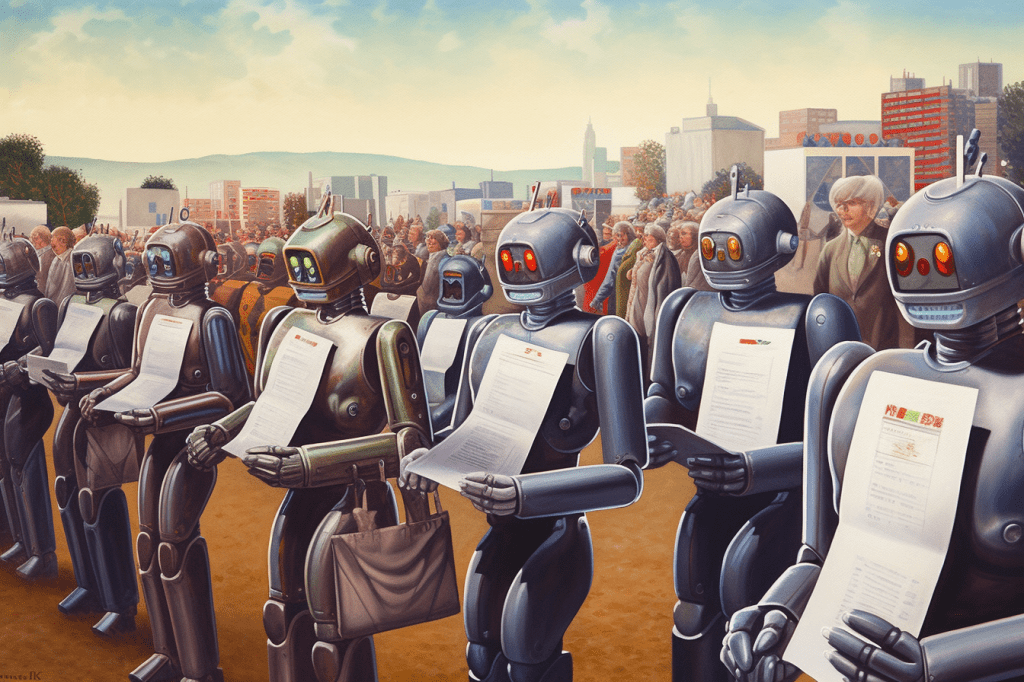
Navigating the AI Lexicon: Essential Terms for the Modern Professional

Introduction

In the rapidly evolving landscape of Artificial Intelligence (AI), staying abreast of the terminology is not just beneficial; it’s a necessity. Whether you’re a strategic management consultant, a tech enthusiast, or a business leader steering your organization through digital transformation, understanding AI jargon is pivotal. This comprehensive glossary serves as your guide through the intricate web of AI terminology, offering clear definitions and practical applications of each term.

Why is this important? As AI continues to redefine industries and reshape customer experiences, the language of AI becomes the language of progress. This list isn’t just a collection of terms and abbreviations; it’s a bridge connecting you to a deeper understanding of AI’s role in the modern business landscape. From fundamental concepts to advanced technologies, these terms have been meticulously chosen to enhance your conversational fluency in AI. Whether you’re engaging in strategic discussions, exploring AI solutions, or simply looking to broaden your knowledge, this glossary is an invaluable resource. By no means is this list exhaustive, but it should allow you to build a foundation on terminology and concepts that you can expand upon.

We present these terms in an alphabetized format for easy navigation. Each entry succinctly explains a key concept or technology and illustrates its relevance in real-world applications. This format is designed not only to enrich your understanding but also to be a quick reference tool in your day-to-day professional encounters with AI. As you delve into this list, we encourage you to reflect on how each term applies to your work, your strategies, and your perception of AI’s transformative power in the digital era. To enhance your comprehension of these terms and concepts, we invite you to download and save this article, then simply copy/paste and search the internet on topics that you are interested in, or better yet let the team know via our Substack site what you want us to explore in a future blog post.

AI Terminology

  1. AGI (Artificial General Intelligence)
    • Definition: A concept that suggests a more advanced version of AI than we know today, where the AI teaches, learns and advances its own capabilities.
    • Application: AGI can learn and understand any intellectual challenge that a human can and foster advancement in areas such as predictive analytics.
  2. AI (Artificial Intelligence)
    • Definition: Simulation of human intelligence in machines.
    • Application: Predictive analytics, chatbots, process automation.
  3. Algorithm
    • Definition: A series of instructions that allows a computer program to learn and analyze data in a particular way.
    • Application: Computer programs can recognize patterns and learn from them to accomplish tasks on their own.
  4. ANN (Artificial Neural Network)
    • Definition: Systems inspired by biological neural networks.
    • Application: Pattern recognition, decision-making.
  5. API (Application Programming Interface)
    • Definition: Set of rules for software communication.
    • Application: AI capabilities integration.
  6. ASR (Automatic Speech Recognition)
    • Definition: Technology recognizing spoken language.
    • Application: Voice command devices, dictation.
  7. BERT (Bidirectional Encoder Representations from Transformers)
    • Definition: Transformer-based ML technique for NLP.
    • Application: Language model understanding.
  8. Bias
    • Definition: In regards to LLMs, the bias would be errors resulting from the training data such as characteristics of certain types of races or groups based on stereotypes
    • Application: Practitioners will strive to remove bias from LLMs and their related training data for more accurate results
  9. Big Data
    • Definition: Large data sets revealing patterns and trends.
    • Application: Data-driven decision-making.
  10. Blockchain
    • Definition: A system of recording information that is difficult to change, hack, or cheat.
    • Application: Enhances AI security, data integrity, and transparency.
  11. Chatbot
    • Definition: AI software simulating a conversation with users in natural language.
    • Application: Customer service automation, user interfaces.
  12. CNN (Convolutional Neural Network)
    • Definition: Deep learning algorithm for image processing.
    • Application: Image recognition and classification.
  13. Computer Vision (CV)
    • Definition: AI technology interpreting the visual world.
    • Application: Image recognition in retail, automated inspection.
  14. CRISP-DM (Cross-Industry Standard Process for Data Mining)
    • Definition: Process model for data mining approaches.
    • Application: Structured AI/ML project planning and execution.
  15. DaaS (Data as a Service)
    • Definition: Cloud-based data access and management.
    • Application: Streamlining data access for AI applications.
  16. Deep Learning (DL)
    • Definition: ML with deep neural networks.
    • Application: Image/speech recognition, virtual assistants.
  17. Diffusion
    • Definition: A method of ML that takes an existing piece of data, like a photo and adds random noise
    • Application: Diffusion models train their networks to re-engineer or recover the photo (ex. Stable Diffusion, Midjourney apps)
  18. EDA (Event-Driven Architecture)
    • Definition: Design pattern for event production and reaction.
    • Application: Real-time data processing in AI systems.
  19. EDA (Exploratory Data Analysis)
    • Definition: Analyzing data to summarize characteristics.
    • Application: Initial phase of data projects.
  20. Edge Computing
    • Definition: Distributed computing bringing processing closer to data sources.
    • Application: Real-time AI processing in IoT, remote applications.
  21. FaaS (Function as a Service)
    • Definition: Cloud computing service for application management.
    • Application: Efficient AI model deployment.
  22. GAN (Generative Adversarial Network)
    • Definition: Framework with two contesting neural networks.
    • Application: Creating realistic images/videos.
  23. GPU (Graphics Processing Unit)
    • Definition: Processor for AI/ML computations.
    • Application: Deep learning tasks.
  24. Hallucination
    • Definition: An incorrect response from AI, but stated with confidence as if it was correct.
    • Application: There is no real positive application to AI hallucinations, other than to ensure that responses and results generated need to be continually validated and verified for accuracy
  25. IoT (Internet of Things)
    • Definition: Network of interconnected devices sharing data.
    • Application: Real-time data for decision-making, inventory management.
  26. KNN (K-Nearest Neighbors)
    • Definition: Algorithm for classification and regression.
    • Application: Recommendation systems, behavior classification.
  27. LSTM (Long Short Term Memory)
    • Definition: RNN capable of learning long-term dependencies.
    • Application: Sequence prediction, language modeling.
  28. Machine Learning (ML)
    • Definition: Development of systems that learn from data.
    • Application: Customer behavior prediction, fraud detection.
  29. MLOps (Machine Learning Operations)
    • Definition: Practices combining ML, DevOps, and data engineering.
    • Application: Reliable ML systems maintenance in production.
  30. NLP (Natural Language Processing)
    • Definition: AI’s ability to understand and interact in human language.
    • Application: Sentiment analysis, customer feedback.
  31. PCA (Principal Component Analysis)
    • Definition: Technique for emphasizing variation in data.
    • Application: Data preprocessing, dimensional reduction.
  32. Quantum Computing
    • Definition: Computing based on quantum theory principles.
    • Application: Potential to revolutionize AI processing speeds.
  33. RNN (Recurrent Neural Network)
    • Definition: Neural network with temporal dynamic behavior.
    • Application: Time series analysis.
  34. RPA (Robotic Process Automation)
    • Definition: Automation of repetitive tasks using software bots.
    • Application: Data entry, report generation.
  35. Sentiment Analysis
    • Definition: Identifying and categorizing opinions in text.
    • Application: Attitude analysis in customer feedback.
  36. Supervised Learning
    • Definition: ML with labeled data.
    • Application: Email spam filters, classification tasks.
  37. SVM (Support Vector Machine)
    • Definition: Supervised learning model for analysis.
    • Application: Text and image classification.
  38. Text-to-Speech (TTS)
    • Definition: Converting text into spoken words.
    • Application: Customer service automation, assistive technology.
  39. Transfer Learning
    • Definition: Reusing a model on a similar problem.
    • Application: Quick AI solution deployment.
  40. Unsupervised Learning
    • Definition: ML to find patterns in unlabeled data.
    • Application: Customer segmentation.
  41. XAI (Explainable AI)
    • Definition: Understandable AI approaches.
    • Application: Compliance, trust-building in AI systems.

Conclusion

This glossary is more than just a list; it’s a compass to navigate the intricate world of AI, a field that’s constantly evolving and expanding its influence across various sectors. By familiarizing yourself with these terms, you empower yourself to engage more effectively and innovatively in the realm of AI. We hope this resource not only enhances your understanding but also sparks curiosity and inspires deeper exploration into the vast and dynamic universe of AI technologies and applications. If there are any terms or topics within this extensive domain that you wish to explore further, or if you have suggestions for additional terms that could enrich this list, please let us know at our Substack, or deliotechtrends.com. Your insights and inquiries are invaluable as we collectively journey through the ever-changing landscape of artificial intelligence.

The Future of Work: Navigating a Career in Artificial Intelligence

Introduction

Artificial intelligence (AI) is rapidly transforming the global job market, creating a wide array of opportunities for professionals equipped with the right skills. As AI continues to evolve, it is crucial for aspiring professionals to understand the landscape of AI-centric careers, from entry-level positions to senior roles. This blog post aims to demystify the career paths in AI, outlining the necessary educational background, skills, and employer expectations for various positions.

1. Data Scientist

  • Analyze large and complex datasets to identify trends and insights.
  • Develop predictive models and machine learning algorithms.
  • Collaborate with business stakeholders to understand data needs and deliver actionable insights.

Entry-Level: Junior data scientists typically hold a bachelor’s degree in computer science, mathematics, statistics, or a related field. Foundational courses in data structures, algorithms, statistical analysis, and machine learning are essential.

Advanced/Senior Level: Senior data scientists often have a master’s or Ph.D. in a related field. They possess deep expertise in machine learning algorithms, big data platforms, and have strong programming skills in Python, R, or Scala. Employers expect them to lead projects, mentor junior staff, and possess strong problem-solving and communication skills.

2. AI Research Scientist

  • Conduct cutting-edge research to advance the field of artificial intelligence.
  • Develop new AI algorithms and improve existing ones.
  • Publish research findings and collaborate with academic and industry partners.

Entry-Level: A bachelor’s degree in AI, computer science, or related fields is a starting point. Introductory courses in AI, machine learning, and deep learning are crucial.

Advanced/Senior Level: Typically, a Ph.D. in AI or machine learning is required. Senior AI research scientists are expected to publish papers, contribute to research communities, and develop innovative AI models. Employers look for advanced knowledge in neural networks, cognitive science theory, and expertise in programming languages like Python and TensorFlow.

3. Machine Learning Engineer

  • Design and implement machine learning systems and algorithms.
  • Optimize data pipelines and model performance.
  • Integrate machine learning solutions into applications and software systems.

Entry-Level: A bachelor’s degree in computer science or related fields with courses in data structures, algorithms, and basic machine learning principles is required. Familiarity with Python, Java, or C++ is essential.

Advanced/Senior Level: A master’s degree or significant work experience is often necessary. Senior machine learning engineers need strong skills in advanced machine learning techniques, distributed computing, and model deployment. Employers expect them to lead development teams and manage large-scale projects.

4. AI Product Manager

  • Define product vision and strategy for AI-based products.
  • Oversee the development lifecycle of AI products, from conception to launch.
  • Coordinate cross-functional teams and manage stakeholder expectations.

Entry-Level: A bachelor’s degree in computer science, business, or a related field. Basic understanding of AI and machine learning concepts, along with strong organizational skills, is essential.

Advanced/Senior Level: An MBA or relevant experience is often preferred. Senior AI product managers should have a deep understanding of AI technologies and market trends. They are responsible for product strategy, cross-functional leadership, and often need strong negotiation and communication skills.

5. Robotics Engineer

  • Design and develop robotic systems and components.
  • Implement AI algorithms for robotic perception, decision-making, and actions.
  • Test and troubleshoot robotic systems in various environments.

Entry-Level: A bachelor’s degree in robotics, mechanical engineering, or electrical engineering. Courses in control systems, computer vision, and AI are important.

Advanced/Senior Level: Advanced degrees or substantial experience in robotics are required. Senior robotics engineers should be proficient in advanced AI algorithms, sensor integration, and have strong programming skills. They often lead design and development teams.

6. Natural Language Processing (NLP) Engineer

  • Develop algorithms to enable computers to understand and interpret human language.
  • Implement NLP applications such as chatbots, speech recognition, and text analysis tools.
  • Work on language data, improving language models, and fine-tuning performance.

Entry-Level: A bachelor’s degree in computer science or linguistics with courses in AI, linguistics, and programming. Familiarity with Python and NLP libraries like NLTK or SpaCy is necessary.

Advanced/Senior Level: Advanced degrees or considerable experience in NLP. Senior NLP engineers require deep knowledge of machine learning models for language, expertise in multiple languages, and experience in deploying large-scale NLP systems. They are expected to lead projects and innovate in NLP applications.

7. AI Ethics Specialist

  • Develop ethical guidelines and frameworks for AI development and usage.
  • Ensure AI solutions comply with legal and ethical standards.
  • Consult on AI projects to assess and mitigate ethical risks and biases.

Entry-Level: A bachelor’s degree in computer science, philosophy, or law, with a focus on ethics. Understanding of AI principles and ethical frameworks is key.

Advanced/Senior Level: Advanced degrees in ethics, law, or AI, with experience in ethical AI implementation. Senior AI ethics specialists are responsible for developing ethical AI guidelines, ensuring compliance, and advising on AI policy.

8. Computational Biologist

  • Apply AI and computational methods to biological data analysis.
  • Develop models and tools for understanding biological systems and processes.
  • Collaborate with biologists and researchers to provide computational insights.

Entry-Level: A bachelor’s degree in biology, bioinformatics, or a related field. Courses in molecular biology, statistics, and basic programming skills are important.

Advanced/Senior Level: A Ph.D. or extensive experience in computational biology. Expertise in machine learning applications in genomics, strong data analysis skills, and proficiency in Python or R are expected. Senior computational biologists often lead research teams in biotech or pharmaceutical companies.

9. AI Solutions Architect

  • Design the architecture of AI systems, ensuring scalability, efficiency, and integration.
  • Evaluate and select appropriate AI technologies and platforms.
  • Provide technical leadership and guidance in AI projects.

Entry-Level: A bachelor’s degree in computer science or related fields. Knowledge in AI principles, cloud computing, and system architecture is necessary.

Advanced/Senior Level: Advanced degrees or significant professional experience. Senior AI solutions architects have deep expertise in designing AI solutions, cloud services like AWS or Azure, and are proficient in multiple programming languages. They are responsible for overseeing the technical architecture of AI projects and collaborating with cross-functional teams.

10. Autonomous Vehicle Systems Engineer

  • Develop and implement AI algorithms for autonomous vehicle navigation and control.
  • Integrate sensors, software, and hardware systems in autonomous vehicles.
  • Test and validate the performance and safety of autonomous vehicle systems.

Entry-Level: A bachelor’s degree in mechanical engineering, computer science, or related fields. Courses in AI, robotics, and sensor technologies are essential.

Advanced/Senior Level: Advanced degrees or significant experience in autonomous systems. Senior engineers should have expertise in AI algorithms for autonomous navigation, sensor fusion, and vehicle software systems. They lead the development and testing of autonomous vehicle systems.

A Common Skill Set Among All Career Paths

There is a common set of foundational skills and educational elements that are beneficial across various AI-related career paths. These core competencies form a solid base for anyone looking to pursue a career in the field of AI. Here are some key areas that are generally important:

1. Strong Mathematical and Statistical Foundation

  • Relevance: Essential for understanding algorithms, data analysis, and machine learning models.
  • Courses: Linear algebra, calculus, probability, and statistics.

2. Programming Skills

  • Relevance: Crucial for implementing AI algorithms, data processing, and model development.
  • Languages: Python is widely used due to its rich library ecosystem (like TensorFlow and PyTorch). Other languages like R, Java, and C++ are also valuable.

3. Understanding of Data Structures and Algorithms

  • Relevance: Fundamental for efficient code writing, problem-solving, and optimizing AI models.
  • Courses: Basic to advanced data structures, algorithms, and their applications in AI.

4. Knowledge of Machine Learning and AI Principles

  • Relevance: Core to all AI-related roles, from data science to AI research.
  • Courses: Introductory to advanced machine learning, neural networks, deep learning.

5. Familiarity with Big Data Technologies

  • Relevance: Important for handling and processing large datasets, a common requirement in AI applications.
  • Technologies: Hadoop, Spark, and cloud platforms like AWS, Azure, or Google Cloud.

6. Problem-Solving Skills

  • Relevance: Essential for developing innovative AI solutions and overcoming technical challenges.
  • Practice: Engaging in real-world projects, hackathons, or online problem-solving platforms.

7. Communication and Collaboration Skills

  • Relevance: Important for working effectively in teams, explaining complex AI concepts, and collaborating across different departments.
  • Practice: Team projects, presentations, and interdisciplinary collaborations.

8. Continuous Learning and Adaptability

  • Relevance: AI is a rapidly evolving field; staying updated with the latest technologies and methodologies is crucial.
  • Approach: Ongoing education through online courses, workshops, webinars, and reading current research.

9. Ethical Understanding and Responsibility

  • Relevance: Increasingly important as AI systems have societal impacts.
  • Courses/Training: Ethics in AI, responsible AI use, data privacy laws.

10. Domain-Specific Knowledge (Optional but Beneficial)

  • Relevance: Depending on the AI application area (like healthcare, finance, robotics), specific domain knowledge can be highly valuable.
  • Approach: Relevant coursework, internships, or work experience in the chosen domain.

In summary, while each AI-related job role has its specific requirements, these foundational skills and educational elements form a versatile toolkit that can benefit anyone embarking on a career in AI. They not only prepare individuals for a range of positions but also provide the agility needed to adapt and thrive in this dynamic and rapidly evolving field.

Conclusion

The AI landscape offers a diverse range of career opportunities. For those aspiring to enter this field, a strong foundation in STEM, coupled with specialized knowledge in AI and related technologies, is vital. As AI continues to evolve, staying abreast of the latest advancements and continuously upgrading skills will be key to a successful career in this dynamic and exciting field.

Embracing AI as a Beacon of Hope in Cognitive Decline: A Vision for the Future

Introduction

In our previous exploration of the intersection between artificial intelligence (AI) and human experience, we delved into the potential of AI as a tool for augmenting human capabilities, particularly in scenarios of cognitive decline. In this continuation, we venture deeper into this fascinating confluence of technology and humanity, examining the role of AI in mirroring human personality and essence for those undergoing cognitive challenges, such as dementia.

The Concept: AI as Continuers of Human Legacy

Imagine a world where individuals facing the onset of cognitive decline, overwhelming stress can train AI systems to become their voice and preserve their personality. This concept is not about replacing humans with AI but creating a symbiotic relationship where AI assists in bridging the communication gap caused by conditions like dementia, or those simply overwhelmed by the pace of technology and their family’s adoption of it.

Envisioning a Personalized Future

Expanding the Horizon: The Personal Impact of AI Legacy

In the realm of AI as continuers of human legacy, we’re not just talking about technology; we’re envisioning a future where personal stories, memories, and even the quirks that make us uniquely ‘us’ can be preserved. This concept transcends mere data preservation; it’s about capturing the essence of a person’s identity, allowing it to continue interacting with loved ones even as their cognitive abilities decline.

Real-life Scenario: Imagine your grandmother, who has always been the storyteller of your family, is now facing the challenges of Alzheimer’s disease. Through AI, her stories, the way she tells them, her laughter, and her wisdom can continue to be a part of family gatherings, enabling future generations to experience her presence and learn from her life experiences.

The Essence of Legacy: More Than Just Memories

AI legacy systems would be tailored to capture and reflect individual personalities, creating a digital echo of the person. This isn’t about creating a digital clone but about preserving the nuances that define a person’s character – their beliefs, their sense of humor, and even their moral perspectives.

Consideration for Families: Families would need to contemplate what aspects of their loved ones they wish to preserve. Is it the advice a father always gave, the songs a mother sang, or the philosophical musings of a grandparent? These considerations make the technology deeply personal and potentially profound in maintaining family heritage.

Bridging Generations: AI as a Link to the Past

Such AI systems could serve as bridges between generations, connecting children and grandchildren to ancestors they may have never met. It’s a way of keeping family stories, traditions, and wisdom alive, creating a tangible link to the past.

Family Dynamics Insight: In a digital age where family histories are often lost or diluted, this technology could reinforce familial bonds and heritage, providing a rich, interactive experience of ancestry and legacy.

Emotional Continuity in a Digital Form

The emotional impact of this technology on families could be significant. It offers comfort and continuity, especially for those who find it hard to cope with the loss of cognitive functions in their loved ones. This continuity is not just about recalling memories but about preserving the emotional essence of relationships.

Personal Reflection: As we consider integrating AI into our family legacies, we’re invited to reflect on what truly defines us and our loved ones. What are the values, stories, and characteristics we wish to see live on through the generations?

A Thoughtful Approach to AI Legacy

As we delve deeper into the potential of AI as continuers of human legacy, we’re challenged to think about the profound implications this technology could have on our personal lives and familial relationships. It’s a journey that requires careful thought, ethical considerations, and a deep understanding of the emotional intricacies of human relationships. The prospect of AI serving as a custodian of our personal and family legacies opens up new dimensions in how we perceive memory, identity, and continuity across generations.

Case Study Insight: Consider John, an artist and loving grandfather diagnosed with early-stage dementia. Before his cognitive abilities decline significantly, he engages with an AI system, sharing his life stories, values, artistic views, and even his sense of humor. This AI, tailored to John’s persona, serves as a communication intermediary with his family, especially his grandchildren, maintaining the essence of his personality even as his own ability to communicate wanes.

The Technology Behind Personality-Capturing AI

The core of this concept lies in advanced machine learning algorithms capable of processing and mimicking human speech, behavior, and preferences. The AI would need to be trained extensively on individual-specific data, including voice recordings, written communications, and even visual expressions. This training would enable the AI to respond in ways that are characteristic of the individual, maintaining their unique identity.

Expert Insight: As a strategic management consultant specializing in AI, I can affirm that developing such systems would require a blend of natural language processing, emotional intelligence algorithms, and possibly even generative adversarial networks (GANs) to simulate human-like responses.

Ethical and Emotional Considerations

This innovative use of AI raises significant ethical questions. How do we ensure the AI’s responses are authentic to the individual’s true self? What are the privacy implications of storing and processing such personal data? The emotional impact on family members interacting with an AI that embodies a loved one’s personality also needs careful consideration.

Professional Perspective: In customer experience management, understanding the emotional journey is crucial. Similarly, in this context, it’s vital to ensure that the AI provides comfort and a sense of connection rather than uncanny or unsettling experiences.

Vision for the Future

Looking ahead, we see a landscape where AI companions become common for individuals with cognitive challenges. These AI systems could offer not just communication assistance but also support in daily tasks, reminders for medication, and even monitoring health parameters.

Future Trend Analysis: With advancements in AI, we could witness AI systems becoming more proactive, perhaps even identifying early signs of cognitive decline and triggering medical interventions. This could revolutionize elderly care, providing a layer of support and companionship, mitigating the effects of conditions like dementia.

Challenges and Roadblocks

Despite the potential, there are formidable challenges. The accuracy and ethical creation of these AI systems are paramount. There’s also the challenge of public acceptance and the need for robust regulatory frameworks to govern the use and development of such sensitive AI applications.

Strategic Implications: As businesses and technologists in this field, we must navigate these challenges with a balance of innovation and ethical responsibility. Strategic partnerships between AI developers, healthcare providers, and ethical boards will be essential.

Conclusion

In conclusion, the journey of integrating AI into the lives of individuals with cognitive decline is fraught with complexities yet brimming with potential. As we advance in our understanding and development of AI, we must tread this path with empathy, responsibility, and a vision for a future where technology serves humanity in its most vulnerable moments.

Stay tuned for more insights and discussions on AI and its role in advancing mental and physical health. Follow this blog for future posts where we unravel the myriad ways AI continues to reshape our world, always with a human-centric approach.

The Future of AI as a Continuation of Human Legacy: Navigating Cognitive Decline with Artificial Intelligence

Introduction

In a world where artificial intelligence (AI) is seamlessly integrating into various facets of human life, a profound yet sensitive discussion emerges around the potential role of AI in addressing cognitive decline, particularly in conditions like dementia. This blog post explores an intriguing and humane application of AI: stepping in as a voice and personality for individuals experiencing cognitive decline, to maintain their essence in family relationships. Let’s delve into how AI could potentially preserve the personality and memories of individuals for their loved ones, the challenges this vision faces, and what the future might hold in this domain.

Understanding the Concept: AI as a Continuance of Self

Imagine a scenario where someone diagnosed with early-stage dementia engages with advanced AI systems. Through continual interaction, these systems learn to mimic the individual’s speech patterns, personality traits, and even preferences. The goal is not to replace the human but to create a digital extension of themselves that can communicate with family and friends when they no longer can.

Case Studies and Applications

Several pioneering projects have ventured into this realm. For instance, AI chatbots have been developed to simulate conversation with users based on the personality and past conversations of a specific individual. While these are still in nascent stages, they offer a glimpse into how AI could act as a bridge between the cognitive decline of a loved one and the need for family members to connect with them.

But what about the senior that simply wants to augment their lives with AI and occasionally checkout of the always-on / connected world that has been thrust upon them.

AI Solutions for Seniors: Navigating the Digital Overload

Example 1: AI-Managed Social Media for Seniors

Scenario: Margaret, a 72-year-old retiree, finds herself increasingly overwhelmed by the constant stream of updates, notifications, and messages on her social media accounts. She wants to stay connected with her family and friends, but the continuous influx of information is stressful and exhausting.

AI Solution: An AI application specifically designed for seniors, like “MyLifeSite,” steps in to manage Margaret’s social media. This AI tool filters her feeds, showing only the most relevant posts from close family and friends. It also simplifies the interface, removing clutter and unnecessary features, making the experience less overwhelming. Furthermore, the AI can respond to routine messages and alerts Margaret about important events or messages that require her personal attention. This not only reduces her stress but also ensures she doesn’t miss out on significant family updates.

Example 2: AI as a Personal Communication Assistant

Scenario: John, an 80-year-old with mild cognitive decline, finds it challenging to keep up with the barrage of texts and emails from various sources. He often feels anxious about responding in time or misinterpreting messages, leading to social isolation.

AI Solution: An AI assistant like “Elliq” can be configured to act as John’s personal communication assistant. This AI filters and prioritizes incoming texts and emails, highlighting those from important contacts like family members or doctors. It can also draft simple responses for John to review and send, making communication less daunting. Additionally, the AI can remind him of birthdays, anniversaries, and other important dates, helping him stay connected without the stress of remembering everything. This tool not only assists John in maintaining his social connections but also provides him with a sense of independence and control over his interactions.


These examples illustrate how AI can be tailored to address the unique challenges faced by the senior population in navigating the always-connected world of social media and digital communication, thereby enhancing their quality of life. This may actually be the first step prior to any physical, or mental challenges that a senior may face.

Technical Aspects and Ethical Considerations

Developing such an AI involves intricate machine learning algorithms capable of natural language processing, emotional intelligence, and deep learning. The AI must be trained on a vast array of the individual’s personal data, including their spoken words, written texts, and perhaps even their facial expressions and gestures.

However, this raises significant ethical questions. How do we ensure the privacy and security of the individual’s data? At what point does the AI’s representation of the person become an ethical concern, especially regarding consent and representation after they can no longer communicate their wishes?

The Human Touch: AI’s Role in Preserving Relationships

The core of this initiative isn’t just technological innovation but the preservation of human relationships and identity. For family members, an AI that can replicate the conversational style and personality of a loved one could provide immense emotional support. It can also be a repository of memories and stories, ensuring that the essence of the individual continues to be a part of family conversations.

Challenges and Considerations

  • Data Privacy and Security: Ensuring the confidentiality and security of the personal data used to train the AI is paramount.
  • Ethical Boundaries: Determining the ethical limits of AI’s role in human relationships, especially in sensitive areas like cognitive decline.
  • Accuracy and Authenticity: Ensuring the AI accurately reflects the person’s characteristics without exaggeration or misrepresentation.
  • Emotional Impact: Understanding the psychological effects on family members interacting with an AI that simulates a loved one.

A Vision for the Future

Looking ahead, the convergence of AI with healthcare and personal wellbeing presents transformative possibilities. As AI technologies become more sophisticated and emotionally intelligent, they could play a crucial role in not only assisting those with cognitive impairments but also in providing comfort and continuity for their families.

Potential Developments

  • Personalized Memory Aids: AI systems that help individuals with cognitive decline remember important personal information or events.
  • Emotionally Responsive AI Companions: Advanced AI that can provide emotional support tailored to the user’s mental state.
  • Digital Legacy Management: Tools to manage and curate the digital representation of an individual’s personality and memories.

Conclusion

As we stand at the intersection of AI and personal healthcare, the potential of AI to act as a digital continuance of our personalities and memories in times of cognitive decline is both fascinating and challenging. It promises a future where the essence of our being can be preserved in a form that supports and nurtures our loved ones even when we may no longer be able to do so ourselves.

However, navigating this path requires careful consideration of ethical, technical, and emotional factors. It’s a journey that will undoubtedly reshape our understanding of personal identity, memory, and the enduring nature of human relationships in the age of AI.

Stay tuned for more insights into how AI is revolutionizing not just technology and business, but also the most intimate aspects of our human experience. Follow this blog for future posts exploring the latest in AI advancements that promote mental and physical health, enhancing both our professional and personal lives.

Interested in the intersection of AI, healthcare, and personal wellbeing? Subscribe to our newsletter for regular updates on how AI is transforming our lives in profound ways.

Quantum Computing Algorithms: Transforming Federal, Academic, and Business Landscapes

Introduction

A quick thanks to our current followers as we completed VR Week on Friday. This week we hope you will also find as compelling as we dive into the world of Quantum Computing. As always, please remember to comment on this content, as it keeps the publishing team ready to jump deeper into the week’s topic.

Quantum computing, a revolutionary technology, is poised to redefine the boundaries of computation, data analysis, and problem-solving. By harnessing the peculiar properties of quantum mechanics, quantum computing algorithms offer unprecedented computational power. This blog post delves into the world of quantum computing algorithms, exploring their applications across federal, academic, and private business sectors, and analyzing their benefits and challenges.

Understanding Quantum Computing Algorithms

Quantum algorithms differ fundamentally from classical algorithms. At their core, they utilize qubits, which, unlike classical bits, can exist in multiple states simultaneously (quantum superposition) and influence each other even when separated (quantum entanglement). This allows quantum algorithms to process vast amounts of data and solve complex problems much faster than traditional computers.

Federal Perspective: Quantum Computing in National Security and Research

In the federal sphere, quantum computing is a game-changer for national security and research. Agencies like the NSA and the Department of Defense are exploring quantum algorithms for cryptography, foreseeing both threats and opportunities. Quantum computing could render current encryption methods obsolete but also promises to develop unbreakable quantum encryption techniques, like quantum key distribution (QKD).

Moreover, federal research institutions are leveraging quantum algorithms for complex simulations in physics, chemistry, and materials science. The National Quantum Initiative in the United States is a testament to the federal commitment to advancing quantum computing technology.

Academic Contributions: Pioneering Quantum Algorithm Development

The academic world plays a crucial role in developing and refining quantum algorithms. Universities and research labs are hotbeds for pioneering quantum computing research. Quantum algorithms like Shor’s algorithm for factoring large numbers and Grover’s algorithm for database searching demonstrate the potential of quantum computing to solve problems previously thought intractable.

These algorithms not only push the boundaries of computational science but also provide vital tools for fields like bioinformatics, meteorology, and quantum chemistry.

Private Sector Utilization: Business Applications of Quantum Computing

In the private sector, quantum computing is beginning to address complex business challenges. Here are a few areas where quantum algorithms are making an impact:

  1. Finance: Quantum algorithms can optimize portfolios, model financial markets, and manage risk by analyzing complex, multifactorial scenarios much faster than classical computers.
  2. Logistics: Companies like FedEx and UPS are exploring quantum computing for optimizing delivery routes and logistics operations, potentially saving millions in fuel and time.
  3. Pharmaceuticals: Drug discovery and molecular modeling are areas where quantum algorithms can significantly reduce the time and cost of developing new drugs.
  4. Artificial Intelligence and Machine Learning: Quantum computing can accelerate AI algorithms, enabling quicker and more sophisticated data analysis and decision-making.

Benefits of Quantum Computing Algorithms

  • Speed: Quantum algorithms can solve certain problems exponentially faster than classical algorithms.
  • Efficiency: They offer more efficient problem-solving approaches for specific complex tasks.
  • Innovation: Quantum computing fosters new methodologies in various fields, from cryptography to materials science.

Challenges and Disadvantages

  • Hardware Limitations: Current quantum computers are prone to errors and require extremely low temperatures to operate.
  • Algorithm Complexity: Developing and understanding quantum algorithms require specialized knowledge in quantum mechanics.
  • Scalability: Scaling quantum computers to handle more qubits without losing coherence is a significant challenge.

Practical Examples of Quantum Computing in Action

  • IBM and Quantum Finance: IBM has been experimenting with quantum algorithms to improve financial modeling and portfolio optimization.
  • Google’s Quantum Supremacy: Google‘s demonstration of quantum supremacy using a quantum algorithm to perform a calculation that would take a classical supercomputer thousands of years, showcases the potential of this technology.
  • Quantum Cryptography in Government: Governments are investing in quantum cryptography to secure sensitive data against the threat of quantum-powered cyberattacks.

Proactive Organizations in Quantum Computing

Organizations like IBM, Google, and Microsoft are leading the charge in quantum computing research and development. Academic institutions such as MIT and Stanford are also key players, along with government-backed initiatives. These organizations are not just developing the technology but also focusing on creating quantum-ready workforces and establishing ethical guidelines for its use.

Conclusion

Quantum computing algorithms represent a significant leap in computational capabilities, offering transformative prospects for various sectors. While challenges like hardware limitations and algorithm complexity persist, ongoing advancements indicate a promising future. As we stand on the cusp of a quantum revolution, staying informed and engaged with this rapidly evolving field is crucial.

Follow this blog for more insightful posts on quantum computing and its far-reaching implications. Stay ahead of the curve in understanding how quantum technology will shape our world.


Note: This blog post is a primer on quantum computing algorithms, tailored for professionals and enthusiasts with an interest in cutting-edge technology and its business applications. For more in-depth analyses and the latest developments in quantum computing, keep following our series.

Navigating the Future: How Simulation Theory is Shaping AI and Our Lives

Introduction

In an era where artificial intelligence (AI) is transcending traditional boundaries, a fascinating intersection is emerging with simulation theory. This convergence is not just a theoretical exercise; it’s shaping the very fabric of how we interact with AI in our daily lives. From strategic management consultants to tech enthusiasts, understanding this nexus is crucial for grasping the future of technology. In this blog post, we’ll delve into how simulation theory is influencing AI’s evolution and fostering a new level of acceptance and reliance on AI in various aspects of our lives. Join us as we explore examples and insights that prepare you for this transformative journey.

Simulation Theory

Simulation theory posits that our reality could be an artificial construct, akin to an advanced computer simulation. This concept, often associated with philosophical and technological realms, suggests that everything we perceive as reality might be a creation of a higher form of intelligence. For those familiar with the theory, its perceived benefits include a novel framework for understanding consciousness and the nature of reality, potentially opening new avenues in fields like artificial intelligence, where simulated environments could greatly enhance machine learning and predictive modelling. However, it also raises profound ethical and philosophical concerns, such as the nature of free will, the implications for our understanding of existence, and the potential risks associated with blurring the lines between simulated and actual reality. These dual perspectives make simulation theory both a fascinating and contentious topic in contemporary discourse.

Simulation Theory Pros and Cons

Simulation theory, while captivating in its implications, stirs considerable controversy and concern, primarily due to its profound philosophical and ethical implications.

Negative Perceptions and Controversies:

  1. Existential Questions: The theory challenges the fundamental understanding of reality and existence. If our world is a simulation, it raises unsettling questions about the nature of consciousness and free will. Are our choices truly ours, or are they predetermined by the parameters of the simulation?
  2. Ethical Dilemmas: If reality is a simulation, the ethical framework governing our actions comes into question. It could lead to nihilistic attitudes, where actions are deemed inconsequential in a simulated world, potentially eroding moral and social structures.
  3. Reality Distortion: Embracing simulation theory could blur the lines between actual and virtual realities. This could lead to an increased detachment from the physical world and real human interactions, exacerbating issues like social isolation and digital addiction.
  4. Scientific Skepticism: From a scientific standpoint, the theory is criticized for its lack of empirical evidence. It’s often viewed as more of a philosophical thought experiment than a scientifically testable hypothesis, leading to skepticism in the scientific community.

Benefits of Simulation Theory:

Despite these concerns, simulation theory also offers intriguing benefits, especially in technological and intellectual domains:

  1. Advancements in Technology: The concept of creating realistic simulations has practical applications in AI development, where simulated environments can be used to train and refine AI algorithms safely and efficiently.
  2. Innovative Perspectives in Science: The theory encourages thinking beyond conventional boundaries, potentially leading to innovative approaches in physics and cosmology to understand the universe and consciousness.
  3. Ethical and Philosophical Growth: The discussions around simulation theory contribute to deeper philosophical and ethical explorations, fostering a more nuanced understanding of human existence and the nature of reality.
  4. Enhanced Problem-Solving: In fields like strategic management and urban planning, simulation-based models inspired by this theory can help in visualizing complex scenarios and making informed decisions.

While simulation theory is controversial due to its existential and ethical implications, it also opens up new avenues for technological innovation and intellectual exploration. The balance between these negative perceptions and potential benefits continues to fuel debate and interest in the theory.

The Intersection of Simulation Theory and AI

Conceptually, simulation theory proposes that our reality might be an artificial simulation, akin to a highly advanced computer program. While this seems like science fiction, its principles are increasingly relevant in the field of AI.

  1. Enhanced Predictive Models: AI systems thrive on data. Through simulation, these systems can generate and analyze vast, complex datasets that mimic real-world scenarios. This approach allows for more sophisticated predictive models. For instance, in customer experience management, AI can simulate millions of customer journeys, providing insights that guide businesses in crafting personalized experiences.
  2. Improved Decision-Making: In strategic management, AI simulations offer a risk-free environment to test different strategies. By simulating market conditions and consumer behavior, AI can predict outcomes of various approaches, enabling more informed decision-making.
  3. Training and Development: AI can be trained in simulated environments, which is crucial in areas like autonomous vehicles or robotic surgery. These AI systems can learn and adapt in a safe, controlled setting, reducing real-world risks.

Simulation Theory and Public Perception of AI

The concept of simulation brings AI closer to our understanding of reality, potentially increasing public acceptance. People become more comfortable with AI assistance in their daily lives when they perceive it as an extension of a familiar concept.

  1. Personalized AI Assistants: Imagine AI assistants that understand your preferences and needs so deeply, they seem to be a part of your reality. This level of personalization, made possible by simulation-driven data analysis, can significantly enhance daily life.
  2. AI in Healthcare: Simulated environments enable AI to predict patient outcomes, tailor treatments, and even assist in complex surgeries. This can lead to greater trust and reliance on AI in life-saving situations.
  3. AI in Education: Simulated teaching environments can adapt to individual learning styles, revolutionizing education. This tailored approach can foster a deeper appreciation for AI’s role in personal development.

Preparing for the Simulation-AI Era

  1. Stay Informed: Understanding the basics of simulation theory and AI is crucial. Regularly engaging with the latest research and discussions in this field is essential for theorists and practitioners alike.
  2. Ethical Considerations: As we integrate AI more deeply into our lives, ethical considerations become paramount. It’s vital to address issues like privacy, data security, and the potential for AI biases.
  3. Embracing Change: Adopting a mindset open to change and innovation is key. Businesses, educators, and individuals need to be flexible and adaptable to leverage AI effectively.

Conclusion

The fusion of simulation theory and AI is more than an academic curiosity; it’s a pivotal development that is reshaping our world. From enhancing customer experiences to revolutionizing healthcare and education, the impact is profound. As we stand at this crossroads, staying informed, ethical, and adaptable are the cornerstones for harnessing the potential of this exciting era. Stay tuned for more insights on how AI continues to transform our lives in ways we are just beginning to understand.

Navigating the AI Revolution: A Deep Dive into the Future of Strategic Management and Accounting Careers

Introduction:

In the transformative wave of AI technology, strategic management consultants, accountants, and auditors find themselves at a crossroads of opportunity and challenge. This deep dive explores the profound shifts in these professions, brought on by AI’s expanding capabilities. Join us as we dissect the ways in which AI is not only refining existing methodologies but also creating new avenues for professional growth and strategic innovation.

The AI Influence on Strategic Management Consulting

Strategic management consultants stand at the forefront of corporate innovation, guiding businesses through the complexities of market shifts and internal transformations. AI is swiftly becoming an indispensable ally in this field.

Challenges and Opportunities:

  • Data-Driven Insights: AI’s ability to process and analyze large datasets offers consultants unparalleled insights into market trends, competitive dynamics, and consumer behavior, allowing them to craft more informed and strategic decisions for their clients.
    • Challenge: The consultant’s role must evolve beyond data interpretation towards a more nuanced understanding of how AI-derived insights can fit into broader business strategies.
    • Opportunity: Consultants equipped with AI competency can harness these insights to drive innovative solutions, offering a significant competitive edge in the advisory market.
  • Predictive Modeling: With AI, consultants can predict outcomes of business strategies, identify risks, and propose preemptive measures.
    • Challenge: As prediction models become more complex, consultants need to ensure transparency and explainability to clients, which can be technically challenging.
    • Opportunity: Mastering predictive analytics allows consultants to offer a proactive approach, moving from advisors to visionaries in strategic planning.

Enhancing Career Development:

Understanding and leveraging AI in strategic management consulting amplifies a consultant’s ability to offer forward-thinking, data-backed strategies. It mandates a continuous learning mindset to stay abreast of emerging AI tools and methodologies.

The Evolving Landscape for Accountants and Auditors

The meticulous world of accounting and auditing is undergoing a seismic shift as AI streamlines traditional processes.

Challenges and Opportunities:

  • Automated Bookkeeping: AI systems are automating transactional accounting tasks, leading to a significant reduction in manual entry work.
    • Challenge: Accountants need to shift from traditional bookkeeping to interpreting the strategic implications of financial data.
    • Opportunity: Freed from the tedium of data entry, accountants can focus on financial analysis and strategic advisory roles, adding greater value to business operations.
  • Fraud Detection and Risk Assessment: AI’s pattern recognition capabilities are revolutionizing how auditors assess risk and detect anomalies.
    • Challenge: Auditors must now be skilled in navigating and validating the findings of AI systems, requiring a deep understanding of both finance and technology.
    • Opportunity: By leveraging AI in risk assessment, auditors can provide more robust risk management strategies, strengthening their role as protectors of financial integrity.

Enhancing Career Development:

Accountants and auditors embracing AI will find themselves transitioning into roles that require a combination of financial acumen and tech-savviness. Staying competitive in this landscape means being adept at using AI as a tool for enhancing decision-making and strategic guidance.

Conclusion:

The landscape of professional careers is being redrawn by the hand of AI, with strategic management consulting, accounting, and auditing experiencing a seismic transformation. The shift towards AI-enhanced workflows presents a dual-sided coin of challenges in adapting to new systems and opportunities in the form of elevated roles and insights. Professionals equipped with AI literacy and an adaptive mindset will not only navigate these changes successfully but will also carve out new paths for strategic influence in their respective fields. As this evolution unfolds, the next article will further explore how these professionals can blend AI capabilities with human ingenuity to excel in an AI-integrated future.

The Transformative Power of AI: Why White-Collar Jobs Are at a Greater Inflection Point than Blue-Collar Roles

Introduction:

In today’s digital era, the convergence of artificial intelligence (AI) and business processes is creating unparalleled advancements in efficiency, decision-making, and automation. While the discourse around AI often centers on its potential impact on blue-collar jobs, the reality is that its transformative power may be more profound in the realm of white-collar professions. As we delve deeper into the nexus of AI and the corporate sphere, it’s imperative to understand why this technology may have a more pronounced effect on white-collar roles and how professionals can navigate this evolving landscape. This blog post aims to shed light on the profound implications of AI on the business world, focusing on its ramifications for white-collar jobs.

The AI-Driven White-Collar Revolution

  1. Complex Decision-Making Enhanced by AI
    • Example: Consider the role of strategic management consultants like Mike. These professionals rely on vast amounts of data to make informed recommendations. With the aid of AI-driven data analytics, consultants can derive insights from a broader dataset, allowing for more accurate predictions and strategies. Instead of replacing the consultant, AI augments their capability to deliver superior value.
  2. Routine Tasks Automation
    • Example: Finance and accounting roles often involve repetitive tasks such as invoice processing or data entry. AI, through machine learning algorithms, can automate these processes, eliminating the need for manual intervention and reducing human error.
  3. Customer Experience Personalization
    • Example: With the rise of AI-driven Customer Experience Management platforms, customer service representatives and marketing professionals can offer highly personalized experiences. AI analyzes customer interactions, preferences, and behavior to craft unique strategies, effectively transforming the traditional approach to customer relationship management.

Diving Deeper – Unveiling the Deep Impact on Business Processes and Decision-Making

In an era where technological advancements are shaping the future of industries, the AI-driven white-collar revolution stands out as one of the most profound transformations. The integration of artificial intelligence into the daily operations of businesses, especially within white-collar professions, is not just streamlining tasks but is reshaping entire job roles, business models, and decision-making processes.

1. Augmented Decision-Making and Predictive Analysis

White-collar roles, especially in strategic management, finance, and consultancy, rely heavily on data-driven insights. With the advent of AI, these roles are witnessing a shift from reactive decision-making to a more proactive and predictive approach.

  • Example: Financial analysts no longer just review historical data but, with the help of AI-driven tools, can now predict market movements, investment risks, and identify potential opportunities with a higher degree of accuracy.

2. Document Automation and Natural Language Processing (NLP)

NLP, a subset of AI, is enabling machines to read, decipher, and make sense of human language. This has major implications for professions that deal with vast amounts of textual data.

  • Example: Legal professionals can utilize AI-driven tools to review contracts or legal documents, identifying key clauses, potential risks, or discrepancies. This not only reduces hours of manual work but also enhances accuracy.

3. Enhanced Customer Experience through AI Integration

The merging of AI with Customer Experience Management tools offers businesses the ability to understand their consumers like never before.

  • Example: A customer relations manager can utilize AI to analyze customer behavior, predict buying patterns, and tailor marketing strategies in real-time. This level of personalization was unheard of a decade ago.

4. Operational Efficiency and Process Optimization

AI doesn’t just impact client-facing roles but is deeply embedded in internal business processes. From HR to supply chain management, AI-driven analytics are optimizing operations.

  • Example: Human resources can use AI to sift through thousands of resumes, identify potential candidates based on specific criteria, and even predict which candidates are more likely to stay long-term, optimizing the recruitment process.

5. Risk Management and Fraud Detection

In sectors like banking and finance, AI tools are becoming indispensable. Their ability to analyze vast datasets in real-time means they can identify anomalies or potential fraud much quicker than human analysts.

  • Example: Credit card companies now use AI algorithms to monitor transactions and immediately flag suspicious activities, protecting both the institution and the cardholder.

Navigating the Future: Embracing Change

The AI-driven revolution is not a distant future but a present reality. For white-collar professionals, understanding this transformation is the key. It’s essential to:

  • Stay Updated: With technology evolving at a rapid pace, staying updated with the latest trends and tools is crucial.
  • Skill Diversification: While AI will handle repetitive tasks, the human touch, creativity, and strategic thinking remain irreplaceable. Professionals should focus on diversifying their skill set, emphasizing areas AI cannot replicate.
  • Collaboration with Technologists: Building a bridge between technology and business processes will be essential. Collaborating with AI experts and data scientists can provide a better understanding and application of AI in specific roles.

The AI-driven white-collar revolution is redefining traditional job roles and business operations. While this poses challenges, it also offers numerous opportunities for growth, innovation, and efficiency. By understanding, adapting, and integrating AI into their workflows, white-collar professionals can ensure they remain not just relevant but indispensable in this new era.

The Blue-Collar Context

While there’s no denying that AI has the potential to automate several blue-collar tasks, such as manufacturing or warehouse management, the complexity and variability of these tasks make it harder to achieve full automation. Physical roles often demand a degree of adaptability and tactile feedback that AI and robotics are still evolving to emulate.

Preparing for the AI-Driven Era

For white-collar professionals, it’s not about resisting the AI wave but rather embracing and adapting to it. Here are some steps to consider:

  1. Continuous Learning and Skill Upgradation: Invest in courses that provide insights into AI and its applications in your field. This doesn’t necessarily mean becoming an AI expert but understanding its implications and potential in your domain.
  2. Adopt a Hybrid Approach: The future lies in the synergy between human intuition and AI’s data-driven insights. Instead of viewing AI as a threat, see it as a tool that enhances your capabilities.
  3. Networking and Collaboration: Engage with AI experts, attend tech conferences, and collaborate on projects that offer a blend of technology and business processes. This will not only widen your perspective but also open doors to new opportunities.

The Blue-Collar Impact: Navigating the AI Landscape in Traditional Industries

The rapid evolution of artificial intelligence (AI) and automation technologies has ignited discussions around their implications for blue-collar jobs. While much of the spotlight is on white-collar professions, the potential transformations in blue-collar industries deserve a deeper analysis. Here, we delve into how AI and automation are impacting blue-collar workspaces and the nuances that differentiate this impact from their white-collar counterparts.

1. Automation in Manufacturing and Production Lines

Manufacturing is often cited as a prime example when discussing AI’s implications for blue-collar jobs. Advanced robotics and automation systems are transforming assembly lines and production processes.

  • Example: Car manufacturing plants now use AI-driven robots for tasks like welding, which were previously done manually. While this boosts efficiency, it also means fewer human operators are required for these specific tasks.

2. Intelligent Systems in Logistics and Warehousing

The logistics sector, particularly warehousing, is undergoing a shift with the introduction of AI-driven systems.

  • Example: Amazon’s fulfillment centers employ robots to transport goods around their vast warehouses. These robots, driven by AI algorithms, ensure optimal paths and efficient handling of products, reducing the need for human intervention in certain processes.

3. AI in Agriculture: Precision Farming

Modern farming techniques are now integrating AI to improve yield, reduce wastage, and optimize resources.

  • Example: AI-driven drones are used to monitor large farmlands, capturing data on crop health, soil quality, and pest activity. This allows farmers to make precise interventions, applying fertilizers or pesticides only where needed.

4. The Human-Machine Collaboration Paradigm

One of the key aspects of the blue-collar AI context is the collaboration between humans and machines. Unlike many white-collar roles where AI can operate somewhat autonomously, many blue-collar tasks require a more hands-on, collaborative approach.

  • Example: In construction, while an AI-driven robot might assist in laying bricks or transporting materials, human supervision and intervention are crucial for quality control and nuanced tasks that require human judgment.

5. Limitations of AI in Blue-Collar Roles

Blue-collar tasks often require a degree of tactile feedback, adaptability to unstructured environments, and complex motor functions. While AI and robotics are advancing, replicating the versatility and adaptability of human workers in certain roles remains a challenge.

  • Example: A plumber, while fixing a leak, relies on tactile feedback to ensure the tightness of a joint. An AI-driven robot would find it challenging to replicate this intricate balance of force and feedback.

The Path Forward for Blue-Collar Workers

While there’s potential for job displacement, there’s also an opportunity for blue-collar workers to upscale and integrate with these new systems.

  • Skill Augmentation: Training programs that familiarize workers with AI systems and basic tech can help in smooth integration.
  • Shift in Job Roles: As AI takes over certain tasks, the nature of blue-collar jobs might shift. For instance, a factory worker might transition into a role where they oversee and manage multiple AI-driven systems.
  • Safety and Efficiency: AI can also assist in creating safer work environments by predicting potential hazards or optimizing workflows.

The blue-collar context in the AI era is a blend of challenges and opportunities. While automation might alter the landscape of traditional industries, it doesn’t spell the end for blue-collar roles. By understanding the changes, adapting to new technologies, and viewing AI as a collaborative tool rather than a replacement, blue-collar industries can thrive in this new technological age.

Conclusion:

The era of AI-driven transformation is upon us, and its impact on white-collar roles might be more profound than traditionally anticipated. However, by understanding the nuances of this change and preparing adequately, professionals can position themselves at the forefront of this revolution, harnessing AI’s potential to drive growth, efficiency, and innovation.

In the ever-evolving landscape of artificial intelligence, both white-collar and blue-collar domains are experiencing transformative shifts. As we’ve navigated through the depths of these changes, it’s clear that the future is not just about automation but collaboration, adaptation, and growth. Stay with us as we continue to dissect the symbiotic relationship between AI and the workforce, revealing insights that can redefine how businesses and individuals approach the dawn of this new technological era. Your journey into the heart of the AI revolution is just beginning—stay tuned for more enlightening discussions.

How to Become the Ideal Candidate in a Competitive Job Market: A Focus on AI and Continuous Learning

Introduction

In today’s fast-paced business environment, where the convergence of customer experience, digital transformation, and artificial intelligence (AI) is reshaping industries, the competition for top talent is fiercer than ever. If you’re aiming to secure a coveted position in a medium to large organization, the typical credentials are no longer enough. This blog post will provide insights on how to make yourself an irresistible candidate and how leveraging AI can give you a competitive edge. We’ll also discuss strategies to ensure you’re ever-ready for new opportunities, even in the unfortunate event of a layoff.

Understand the Core Competencies

Hard Skills

Organizations are increasingly looking for candidates with a skill set that aligns closely with the company’s strategic goals. Apart from domain-specific expertise, skills in analytics, data interpretation, and platform-specific competencies (such as Salesforce for CRM or AWS for cloud services) are highly valuable.

Soft Skills

These are equally critical. Skills like leadership, teamwork, and adaptability are often considered key indicators of how well a candidate will fit into the corporate culture.

Importance of Understanding Core Competencies

Understanding the core competencies required for a specific role is crucial for multiple reasons:

  1. Alignment with Organizational Goals: Core competencies directly relate to the functions and responsibilities you’ll handle, which in turn align with the organization’s broader objectives. Knowing these skills allows you to understand your impact on the business.
  2. Efficiency and Productivity: Mastering core competencies enables you to perform tasks more efficiently, thereby contributing to your productivity and the organization’s bottom line.
  3. Career Advancement: Being proficient in core competencies often paves the way for career progression. You’re more likely to be considered for promotions or leadership roles if you excel in these areas.
  4. Interdisciplinary Collaboration: In today’s complex business ecosystem, roles often overlap. Understanding core competencies allows for better cross-functional collaboration, crucial for any projects that require interdisciplinary expertise.
  5. Personal Branding: In a competitive job market, knowing your core competencies allows you to market yourself effectively, positioning you as an ideal candidate for roles that match your skill set.

Examples of Core Competencies

Here are some examples that might be particularly relevant given the rapid developments in customer experience management, artificial intelligence, and digital transformation:

Hard Skills

  1. Data Analytics: The ability to interpret data and glean insights is indispensable in roles ranging from marketing to finance. For instance, customer experience experts use analytics to understand customer behaviors and preferences.
  2. Machine Learning Algorithms: If you’re aiming for a role in AI or data science, understanding machine learning algorithms is fundamental. You might be required to create predictive models to improve customer interactions.
  3. Cloud Computing: Given the ubiquity of cloud services like AWS or Azure, understanding how to navigate these platforms is essential for virtually any tech role today.
  4. SEO and SEM: For roles in digital marketing, competency in Search Engine Optimization (SEO) and Search Engine Marketing (SEM) can set you apart.
  5. Blockchain Technology: For roles in finance or supply chain management, a working knowledge of blockchain can offer a strategic edge, as it is increasingly being used for secure, transparent transactions.

Soft Skills

  1. Strategic Thinking: This skill is highly valued in management and executive roles, where long-term planning and vision are critical for success.
  2. Communication: Whether it’s conveying complex data findings or leading a team, effective communication is essential across roles and departments.
  3. Adaptability: The fast-paced evolution of technologies like AI demands adaptability to learn and grow with changing tools and platforms.
  4. Leadership: For senior roles or team lead positions, leadership skills are crucial. This doesn’t just mean being able to manage people but also includes strategic vision for project execution.

By targeting these competencies, you not only make yourself more marketable but also prepare yourself for a more holistic role within any organization. It ensures you’re not just a candidate with technical acumen, but also one who understands the business implications of these technologies, aligning closely with the evolving needs of modern enterprises.

Utilize Artificial Intelligence (AI)

AI in Resume Building

AI-powered tools like resume builders can analyze job descriptions and suggest optimizations to ensure your resume aligns closely with the job requirements, thereby passing Applicant Tracking Systems (ATS). Some examples of tools and support already available:

  • Resume Genius: Uses software to quickly create customized career documents
  • Rezi: Uses machine learning algorithms to create a resume optimized for success in job interviews and applicant tracking systems (ATS)
  • Kickresume: Uses OpenAI’s GPT-3 neural network to automatically write your resume
  • ResumAI: Uses AI technology to guide you through resume creation, optimize for ATS, and provide customizable templates
  • Enhancv: Helps you stand out from the competition by creating a resume that expresses your personality and individual strength
  • Zety: Helps users create professional-looking resumes in mere minutes

AI for Interview Preparation

AI-driven platforms can simulate real interview scenarios, providing instant feedback on your answers, tone, and body language, and offering actionable insights for improvement.

Data Science and Machine Learning (ML)

If you’re in a field where data analytics or machine learning skills are prized, showcasing a portfolio of relevant projects can dramatically elevate your profile. Tools like Jupyter notebooks, embedded in a GitHub repository, can not only demonstrate your technical prowess but also your ability to communicate complex ideas effectively.

Continuous Learning and Upskilling

Certifications

Online platforms offer a myriad of courses ranging from Project Management to Neural Networks. Certificates from recognized institutions can add value to your profile. If you’re in strategy or operations, Six Sigma or PMP could be beneficial. For those in AI, certifications in TensorFlow or PyTorch can stand you in good stead.

Networking

Leverage AI to find and attend the most relevant webinars, workshops, or online courses. Platforms like LinkedIn use sophisticated algorithms to recommend events that align closely with your profile and aspirations.

Stay Current

AI can also help you stay updated with industry trends. Algorithms can curate the most relevant articles, papers, and blog posts, allowing you to stay ahead of the curve.

Preparing for the Unthinkable: What to Do If You Face a Layoff

Financial Preparedness

Use AI-based financial tools to assess your financial health and prepare a contingency plan.

Skill Assessment

AI algorithms can help you identify the skills most in-demand in your field, helping you prioritize your learning goals.

Personal Branding

Maintaining an active online presence is crucial. AI tools can analyze your online profile and suggest areas for improvement, making you more visible to recruiters.

Consult Your Network

AI can also recommend when to reach out to connections who might be beneficial in your job search, automating a task that many find time-consuming and sometimes awkward.

Conclusion

The job market is a competitive arena, but the convergence of AI, digital transformation, and strategic thinking provides a myriad of opportunities for candidates willing to invest in continuous learning and leverage the latest technologies. By incorporating AI into your job search and preparation, you not only demonstrate your proficiency in using advanced tools but also significantly increase your chances of standing out in a crowded marketplace.

To navigate through the intricacies of the modern job landscape, a multifaceted approach that marries technical skills with soft skills and employs the full gamut of available AI tools is not just recommended; it’s essential.

By preparing in these ways, you not only become an ideal candidate for jobs today but also future-proof your employability for the opportunities of tomorrow.

Monetization of AI Processing in the Current Technology Landscape

Introduction

In today’s tech-driven world, artificial intelligence (AI) has permeated almost every industry, streamlining processes, improving decision-making, and providing new services and products. While AI continues to evolve, the commercialization and monetization of AI processing are turning heads. This post will delve into how AI processing is being monetized, the concept of tokenization, and how decentralization could be the key to a more inclusive and diverse AI ecosystem.

Understanding the Monetization of AI Processing

To get started, it’s essential to understand what AI processing entails. It involves the use of computing resources to run algorithms and models that can perform tasks typically requiring human intelligence. These tasks include understanding natural language, recognizing patterns and images, and making predictions based on data.

Traditionally, companies that offered AI capabilities often did so via cloud-based platforms. However, as the technology matures, new avenues of monetization have emerged.

Tokenization: Pay-per-Use Models

One of these novel approaches is tokenization, which, in the context of AI processing, means paying for processing power using digital tokens. This model allows for more granular control over costs as you can pay for processing time per minute or even per second. This pay-per-use model is incredibly efficient for companies that may not have consistent processing needs.

Tokenization is facilitated through blockchain technology, which allows transactions to be securely and transparently recorded. Companies can buy tokens and then redeem them for processing time on AI platforms. This model is not only cost-effective but also fosters a marketplace for AI processing where companies can compete on price and performance.

Processors vs. Modelers: Where Lies the Opportunity?

Within the AI landscape, companies usually fall into one of two categories – processors or modelers. Processors provide the computing power necessary to run AI algorithms, while modelers develop the algorithms and models.

For processors, the opportunity lies in scaling and optimizing computing resources efficiently. As AI algorithms become more complex, there is a growing demand for high-performance computing. By providing these resources as a service, processors can attract a wide range of customers who don’t want to or can’t afford to invest in building their infrastructure.

On the other hand, modelers can focus on creating innovative algorithms that cater to niche markets or solve specific problems. By concentrating on specialization, they can build a competitive edge that is not easily replicable.

Decentralization: Breaking the Silos

One of the challenges of AI development has been the siloed nature of research and development. Companies often keep their data and models proprietary, which can stifle innovation and lead to biases within AI algorithms.

This is where decentralization can be a game-changer. By decentralizing AI development and processing, companies, individuals, and institutions can collaborate and contribute to a shared pool of knowledge. Large Language Models (LLM) and Natural Language Processing (NLP) models, for instance, can benefit from diverse datasets that are not bound by the constraints of a single organization.

Enhancing Diversity and Inclusion

Decentralization can lead to AI models that are more inclusive and representative of the global population. When development is centralized, the data used to train AI models often reflect the biases and limitations of that particular organization. By opening up the development process and allowing contributions from a diverse group of collaborators, the resulting AI models are more likely to be free of biases and better attuned to different cultures, languages, and perspectives.

The Vision for the Future

The vision for AI processing is one where decentralized networks of processors and modelers collaborate on a global scale. Blockchain technology can facilitate this through secure transactions and the tokenization of processing power. This approach is expected to reduce the barriers to entry for AI development, allowing smaller players and even individuals to participate actively in the ecosystem.

In such a network, innovation can thrive as AI models can be crowdsourced, bringing together the collective intelligence of experts from various domains. Here’s what this visionary landscape would entail:

Shared Learning and Continuous Improvement

In a decentralized AI network, models can be constantly updated and improved upon by contributors worldwide. This shared learning can facilitate more robust and high-performance AI algorithms. Open-source models that are backed by a community of contributors can evolve much faster than proprietary ones.

Enhanced Security and Privacy

Decentralization can also lead to improved security and privacy. With the use of blockchain technology, transactions and data exchanges are encrypted and verifiable. This ensures that data used for training AI models can be anonymized and that contributors can retain control over their data.

Cost Efficiency

For businesses and developers, decentralized AI processing can translate into cost savings. Instead of investing in expensive infrastructure, they can access processing power on-demand. Additionally, by contributing to and utilizing community-driven models, they can save on development costs and focus on innovation.

Empowering the Underrepresented

One of the most significant advantages of a decentralized approach to AI development is the empowerment of underrepresented communities. In many cases, the data used to train AI models is biased towards a specific demographic. Through decentralization, contributors from various backgrounds can ensure that the data and models are representative of a diverse population, resulting in fairer and more inclusive AI systems.

Scalability

Decentralized networks are highly scalable. With the advent of 5G and other high-speed communication technologies, it is possible to have a global network of AI processors and modelers working seamlessly together. This scalability can further fuel the AI revolution, bringing its benefits to every nook and corner of the world.

Wrapping It Up

The monetization of AI processing is poised to undergo a transformative change through tokenization and decentralization. By harnessing the power of blockchain for tokenized transactions and fostering a global, collaborative development ecosystem, the AI landscape can become more vibrant, inclusive, and innovative.

Companies and individuals that embrace this shift and contribute to the shared growth of AI will likely find themselves at the forefront of the AI revolution. This new paradigm holds the promise of not just advanced technologies, but also of a more equitable and just society where the benefits of AI are accessible to all.