Quantum Computing and Quantum Materials: Revolutionizing Engineering Across Sectors

Introduction

Quantum computing represents a paradigm shift in our computational capabilities, offering unprecedented processing power and efficiency. Central to this leap is the development and utilization of quantum materials, which are fundamental to the architecture of quantum computers. In this blog post, we will explore how quantum materials are revolutionizing the engineering space, examining their applications across federal, public, and private business spheres. We will delve into the benefits and challenges of these technologies, providing real-world examples of their impact and the proactive measures organizations are taking to harness their potential.

Deeper Analysis of Quantum Materials in the Context of Quantum Computing

Quantum materials represent a groundbreaking frontier in the world of quantum computing. To set the tone for our blog post, it’s essential to delve deeper into what these materials are, their unique properties, and how they are pivotal in the advancement of quantum technology.

Understanding Quantum Materials

Quantum materials are substances whose physical and electronic properties are not just defined by their atomic composition but also by their quantum mechanical characteristics. These include phenomena like quantum entanglement, superposition, and tunneling. Examples of quantum materials include superconductors, topological insulators, and quantum dots, each offering unique properties essential for quantum computing.

Superconductors

Superconductors are materials that exhibit zero electrical resistance and the expulsion of magnetic fields at low temperatures. In quantum computing, they are used to create superconducting qubits. These qubits operate by sustaining a current in a loop of superconducting material, with the direction of the current representing the qubit’s state. This property is crucial for maintaining coherence in quantum computations.

Topological Insulators

Topological insulators are materials that act as insulators internally but support conducting states on their surface. They are robust against impurities, which makes them suitable for stable qubit operation. The stability of surface states in topological insulators is protected by quantum mechanical symmetries, making them highly desirable for error-resistant quantum computing.

Quantum Dots

Quantum dots are tiny semiconductor particles that exhibit quantum mechanical properties. They can be used to create qubit systems where the quantum dot’s state, such as electron position or spin, encodes quantum information. Quantum dots can be precisely controlled and manipulated, making them suitable for scalable quantum computing platforms.

The Role in Quantum Computing

Quantum materials are not just passive elements but active participants in the quantum computing process. Their unique properties allow for the creation and manipulation of qubits, which are the fundamental units of quantum information in a quantum computer.

Enabling Quantum Superposition and Entanglement

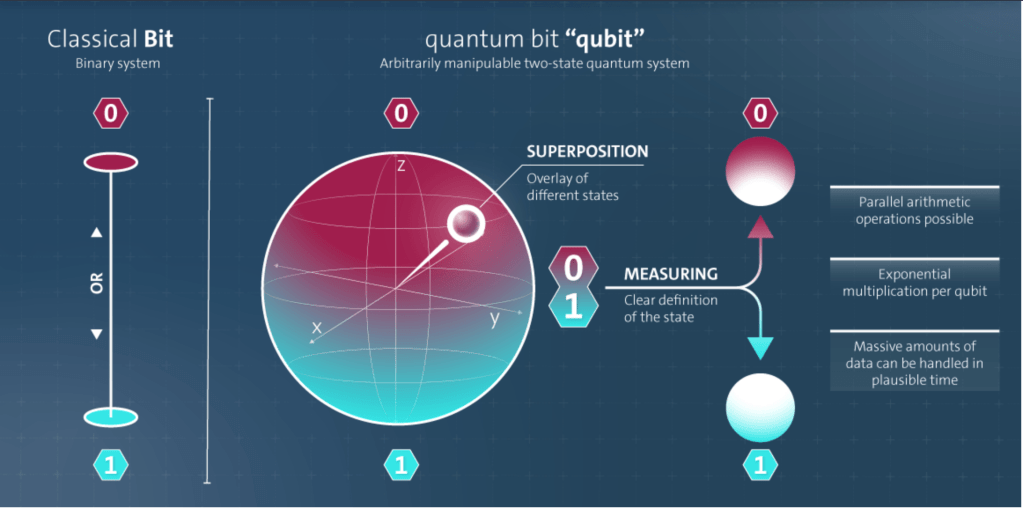
Quantum materials facilitate superposition (where a qubit can be in multiple states simultaneously) and entanglement (a strong correlation between qubits even when separated by large distances). These are the key features that give quantum computers their superior processing power over classical computers.

Addressing Decoherence

One of the biggest challenges in quantum computing is decoherence, where qubits lose their quantum properties due to interactions with their environment. Quantum materials, especially those with topological properties, are being explored for their potential to create more stable qubits that are less prone to decoherence.

Applications and Implications

The application of quantum materials extends beyond the realms of theoretical physics into practical, real-world scenarios:

  • Secure Communication: Quantum materials can aid in the development of quantum key distribution systems, providing an unbreakable encryption method for secure communication.
  • Advanced Sensors: The sensitivity of quantum materials to external stimuli makes them suitable for creating highly precise sensors, applicable in fields ranging from navigation to medical diagnostics.
  • Material Science: Quantum computing can simulate material behaviors at the quantum level, paving the way for the discovery of new materials with tailored properties for various industrial applications.

The Road Ahead

The exploration and development of quantum materials are pivotal in overcoming the current limitations of quantum computing. As research progresses, we expect to see more stable, scalable, and efficient quantum computers, leading to unprecedented advancements in various sectors. The journey of quantum materials from lab to real-world application is not just a scientific endeavor but a transformational shift in how we approach complex problems in computing and beyond.

By understanding the depth and potential of quantum materials, we set a solid foundation for our discussion on their impact on engineering and technology. This deeper analysis not only informs but also inspires our readers to appreciate the intricate interplay between quantum physics and practical computing applications.

Quantum Materials: The Building Blocks of Quantum Computing

Quantum materials are substances with distinct properties that enable quantum states, such as superposition and entanglement, fundamental to quantum computing. These materials, like topological insulators and superconductors, provide the necessary environment for qubits – the quantum equivalent of classical bits – to function.

Federal Perspective

In the federal domain, agencies like the U.S. Department of Energy (DOE) and the National Institute of Standards and Technology (NIST) are investing heavily in research and development of quantum materials. Their focus is not only on advancing quantum computing but also on understanding the underlying quantum phenomena for broader applications, such as secure communication networks and advanced sensing technologies.

Public and Private Business Perspective

In the business arena, quantum materials are gaining traction in industries ranging from finance to pharmaceuticals. Companies are exploring quantum computing to solve complex problems that are currently intractable for classical computers, such as optimizing supply chains, developing new materials, and speeding up drug discovery processes.

Advantages of Quantum Materials in Engineering

Enhanced Computational Power

The most significant advantage is the exponential increase in computational power. Quantum materials enable qubits to perform multiple calculations simultaneously, a feat impossible for traditional bits. This capability is crucial for solving complex optimization problems in engineering and data analysis.

Improved Efficiency and Precision

Quantum materials contribute to more efficient and precise computational processes. Their unique properties allow for faster processing speeds and greater accuracy in simulations, essential for industries like aerospace and automotive, where precision is paramount.

Innovative Applications

Quantum materials pave the way for novel applications in various sectors. For instance, in materials science, they facilitate the design of new materials with desired properties, while in cybersecurity, they offer pathways to virtually unbreakable encryption methods.

Challenges and Disadvantages

Technical Complexity

The manipulation and maintenance of quantum states in materials are incredibly complex. It requires extremely low temperatures and sophisticated technology, posing significant challenges for practical implementation.

Scalability and Stability

Building scalable and stable quantum systems using these materials is still a major hurdle. The delicate nature of quantum states makes them susceptible to external disturbances, leading to errors in computations.

High Costs

The development and deployment of quantum materials and related technologies involve substantial financial investment, making it currently inaccessible for many small and medium-sized enterprises.

Real-World Applications and Proactive Organizations

Financial Sector

JPMorgan Chase, for instance, is exploring quantum computing for risk analysis and portfolio optimization. Quantum materials could revolutionize how financial models and complex economic scenarios are processed.

Pharmaceutical Industry

In pharmaceuticals, companies like Pfizer are investigating quantum computing for drug discovery. Quantum materials could drastically reduce the time and cost of developing new treatments.

Automotive Industry

Automakers like BMW are leveraging quantum computing for material research and supply chain optimization, potentially transforming production efficiency and product quality.

Proactive Steps by Organizations

Organizations like IBM and Google are at the forefront, investing in research and infrastructure to harness quantum materials for computing. Universities and research institutions worldwide are also collaborating with industries to develop practical applications and overcome technical challenges.

Conclusion

The intersection of quantum computing and quantum materials is ushering in a new era in engineering and technology. While challenges like technical complexity, scalability, and cost remain, the potential benefits in computational power, efficiency, and innovative applications are immense. As research and development continue, we are likely to witness transformative impacts across various sectors, from finance to pharmaceuticals.

As we continue to explore the depths of quantum materials and their applications, stay tuned for future posts delving deeper into this fascinating field. Follow our blog to stay updated on the latest developments and insights into how quantum computing is reshaping our world.


This blog post is tailored for an audience with a keen interest in technology trends and business processes. The information provided aims to be both informative and thought-provoking, inviting readers to explore the evolving landscape of quantum computing and materials. For more insights on the cutting edge of technology and business, follow our blog and join the conversation.

Quantum Entanglement in Engineering: A Comprehensive Analysis

Introduction

Quantum computing represents a monumental shift in our approach to data processing and problem-solving. Central to this shift is the phenomenon of quantum entanglement, a feature of quantum mechanics where particles become interconnected, with the state of one affecting the other, regardless of the distance separating them. This blog post delves into the role of quantum entanglement in the engineering space, exploring its implications and applications across federal, public, and private business sectors.

Quantum Entanglement: The Engineering Perspective

Quantum entanglement is more than a theoretical curiosity; it’s a pivotal aspect of quantum computing that offers revolutionary potential in engineering. Entangled particles, behaving as a unified system, enable new forms of data transmission and processing that traditional binary computing cannot achieve.

Federal Sector Applications

In the federal space, quantum entanglement is primarily viewed through the lens of security and communication. Agencies like the Department of Defense and the National Security Agency are exploring quantum networks for secure communication. Entanglement ensures that any attempt to intercept or measure the quantum state of the transmitted data would be instantly detectable, offering an unprecedented level of security.

Public and Private Business Utilization

In the private sector, industries are eyeing quantum entanglement for its potential to solve complex optimization problems, which are prevalent in logistics, finance, and resource management. Companies like IBM and Google are investing heavily in quantum computing to harness these capabilities. In the realm of artificial intelligence and machine learning, quantum entanglement could enable faster and more efficient algorithms, significantly impacting data analysis and predictive modeling.

Benefits of Quantum Entanglement in Business

  1. Enhanced Security: Quantum entanglement can create unbreakable encryption methods, crucial for secure data transmission.
  2. Optimization: Solving complex optimization problems in seconds, which would take classical computers years, can revolutionize industries from logistics to finance.
  3. Speed and Efficiency: Quantum computers can process vast amounts of data at speeds unattainable by classical computers, offering immense benefits in big data analytics.

Disadvantages and Challenges

Despite its potential, quantum entanglement in engineering is not without its challenges:

  1. Technological Maturity: Quantum computing is still in its nascent stages, with practical, scalable applications yet to be fully realized.
  2. Cost: The development and maintenance of quantum computers are exceedingly expensive, making it currently inaccessible for many smaller businesses.
  3. Complexity and Expertise: The field requires specialized knowledge, limiting its immediate adoption and integration into existing technology infrastructures.

Real-World Examples

  1. Secure Communication: Governments are experimenting with quantum-secured communication networks, like the Chinese Micius satellite, which uses quantum entanglement for hack-proof communications.
  2. Financial Modeling: JPMorgan Chase, in collaboration with IBM, is exploring quantum computing for risk analysis and portfolio optimization.
  3. Drug Discovery: Pharmaceutical companies are leveraging quantum computing for molecular modeling in drug development, significantly reducing the time and cost involved.

Proactive Organizations

Organizations like the Quantum Economic Development Consortium (QED-C) and the National Quantum Initiative in the United States are fostering collaborations and investments to advance quantum technologies. These entities are not only driving research but also addressing workforce development in this high-tech field.

Conclusion

Quantum entanglement represents a frontier in engineering with transformative potential across various sectors. Its ability to process information in ways unattainable by classical computers opens new horizons in secure communication, optimization, and data analysis. While challenges remain in terms of technological maturity, complexity, and cost, the ongoing investments and research indicate a future where quantum entanglement will be integral to solving some of our most complex business challenges.

For more insights and updates on quantum entanglement and its evolving role in the engineering and business landscape, follow this blog. Stay tuned for future posts where we’ll continue exploring the cutting-edge of quantum technology and its practical applications in various industries.


This blog post is tailored for readers with a keen interest in technology and business processes, providing a professional and informed perspective on the advancements and challenges of quantum entanglement in the engineering field.

Virtual Reality in Security Threat Identification: A Comprehensive Analysis

Introduction

Today we wrap-up our week long coverage discussing the advances and usage of Virtual Reality (VR). We hope that you found this pivot from our typical AI and CX/CRM posts a refreshing and insightful journey. Rest assured, we will continue to explore different technological topics in depth over the course of the year, and if there is something that you really want to hear about – Please drop us a comment.

In the ever-evolving landscape of technology, Virtual Reality (VR) has emerged as a revolutionary tool, extending its capabilities far beyond entertainment and into the realm of security threat identification. This blog post delves into how VR is transforming the way federal, local, and personal security threats are identified and addressed, providing both opportunities and challenges in this critical area.

The Rise of VR in Security

Federal Perspective: Enhancing National Security

At the federal level, VR is being increasingly employed for complex simulations and training scenarios. Agencies like the Department of Defense and Homeland Security are utilizing VR for immersive training, enabling personnel to experience realistic, high-risk situations in a controlled environment. This approach not only improves readiness but also aids in identifying potential security threats in simulated scenarios, reducing the risk of real-world oversights.

Example: The Federal Bureau of Investigation (FBI) uses VR simulations for hostage rescue and anti-terrorism training, allowing agents to virtually navigate through various scenarios, enhancing their decision-making skills in real-life situations.

Local Law Enforcement: Advanced Training and Situational Awareness

Local law enforcement agencies are also harnessing VR for advanced training purposes. By simulating real-world environments and scenarios, officers can train for a variety of situations, including crowd control, de-escalation tactics, and rapid response to active threats.

Example: Police departments in major cities are adopting VR-based training systems that recreate urban environments, helping officers practice their responses to scenarios like armed robberies or public disturbances.

Personal Security: Empowering Individuals

On a personal level, VR technology is being used to educate individuals about security threats and self-defense. VR applications can simulate dangerous situations, teaching users how to respond effectively to threats like home invasions or street attacks.

Example: Self-defense VR applications allow users to practice responding to personal threats in a virtual space, providing a safe environment to learn and develop crucial survival skills.

Benefits of VR in Security Threat Identification

  1. Realistic Training Scenarios: VR provides a hyper-realistic environment where trainees can experience and react to various threats without the risks associated with real-life situations.
  2. Cost-Effectiveness: VR eliminates the need for physical training facilities and resources, reducing costs associated with security training.
  3. Adaptability and Customization: VR scenarios can be quickly modified to address specific threats or training needs, making it an adaptable tool for security training.
  4. Enhanced Data Analytics: VR systems can track and analyze user performance, providing valuable insights for improving threat identification and response strategies.

Challenges and Disadvantages

  1. Technology Limitations: The effectiveness of VR is contingent on the quality of hardware and software, which can be expensive and require regular updates.
  2. Training vs. Reality Gap: Despite its realism, VR cannot fully replicate the unpredictability and emotional intensity of real-life threat situations.
  3. Accessibility and Inclusivity: Ensuring that VR training is accessible and inclusive for all users, regardless of their physical abilities, remains a challenge.
  4. Data Privacy Concerns: The use of VR in security training involves the collection and analysis of personal data, raising concerns about privacy and data security.

Future Perspectives and Potential Applications

The future of VR in security threat identification is promising, with potential applications expanding into areas like cyber threat simulations, border control training, and disaster response planning. As VR technology advances, its integration into security frameworks will likely become more sophisticated and widespread.

Agencies Leading the Charge

Several agencies and organizations are at the forefront of integrating VR into security training and threat identification. These include:

Conclusion

Virtual Reality is redefining the landscape of security threat identification, offering innovative solutions to train and prepare for a variety of threats. While it presents certain challenges, the benefits of VR in enhancing the effectiveness and efficiency of security training are undeniable. As technology continues to evolve, we can anticipate more advanced and impactful uses of VR in safeguarding our communities and nations.

Stay tuned to our blog for more insights into the fascinating world of virtual reality and its myriad applications. Follow us for the latest updates and in-depth analyses of how emerging technologies are shaping our future.


This blog post aims to provide a comprehensive overview of the role of VR in security threat identification, touching on its benefits, challenges, and future potential. For further information or specific inquiries, please feel free to reach out or comment below.

Keywords: Virtual Reality, Security Threat Identification, VR Training, Federal Security, Local Law Enforcement, Personal Safety, Technology in Security

The Emerging Role of Virtual Reality in Enhancing Intellectual Developmental Disorder Therapies

Introduction

Virtual Reality (VR) technology, once a staple of science fiction, has rapidly become a tangible and influential tool in various sectors, including healthcare and education. Among its most promising applications is its use in assisting individuals with Intellectual Developmental Disorders (IDD). This technology is not only revolutionizing therapeutic approaches but also offering unique opportunities for addressing the developmental challenges faced by adolescents with IDD. In this blog post, we will delve into the benefits and disadvantages of VR in this context, exploring real-world examples and future potential.

Understanding Intellectual Developmental Disorders

Intellectual Developmental Disorders encompass a range of cognitive impairments that affect learning, reasoning, problem-solving, and adaptive behavior. Adolescents with IDD face unique challenges in their development, often requiring tailored support to navigate their daily lives and integrate into society effectively.

The Advantages of VR in IDD Therapies

Immersive Learning Environments

VR creates immersive, controlled environments that are particularly beneficial for adolescents with IDD. These environments can be customized to the individual’s learning pace and cognitive level, offering a safe space to learn and practice life skills. For instance, a VR program can simulate a grocery store, allowing users to practice shopping, handling money, and social interactions in a realistic yet controlled setting.

Enhanced Engagement and Motivation

The engaging nature of VR can significantly increase motivation in learning and therapy sessions. Adolescents are more likely to participate actively in VR-based activities, which are often perceived as more of a game than traditional therapy or learning methods.

Improved Cognitive and Motor Skills

VR applications have shown promise in enhancing cognitive functions like attention, memory, and problem-solving. Additionally, certain VR programs are designed to improve fine motor skills and coordination, essential for adolescents with IDD who may struggle with these aspects.

Emotional and Social Skill Development

VR scenarios can be tailored to teach emotional recognition and social interaction skills. By simulating various social situations, adolescents with IDD can learn and practice appropriate emotional responses and social behaviors in a low-risk environment.

The Disadvantages and Challenges

Accessibility and Cost

One of the main barriers to widespread VR adoption in IDD therapies is the cost and accessibility of the technology. High-quality VR systems can be expensive, and not all therapy centers or schools may have the resources to implement them.

Potential Overstimulation

VR experiences can sometimes be overwhelming, especially for individuals with sensory processing difficulties common in IDD. Overstimulation can lead to discomfort or anxiety, potentially negating the benefits of the therapy.

Limited Research and Standardization

While VR in IDD therapy shows great promise, there is still a lack of extensive research and standardized protocols. This gap can lead to inconsistent outcomes and difficulties in integrating VR therapies into established treatment plans.

Real-World Examples and Future Potential

Case Studies in Education and Therapy

Several schools and therapy centers have started integrating VR into their programs with positive results. For example, a special education school in the United States has used VR to teach road safety and public transportation navigation. In another case, a therapy center in Europe employs VR to help adolescents with IDD improve social skills through simulated interactions.

Future Directions

The future of VR in IDD therapy is bright, with ongoing research and development aimed at creating more accessible, tailored, and effective VR solutions. Future advancements may include AI-driven VR environments that adapt in real-time to the user’s responses, further personalizing the learning experience.

Conclusion

Virtual Reality presents a groundbreaking avenue for enhancing the lives of adolescents with Intellectual Developmental Disorders. Its immersive, engaging, and customizable nature makes it an effective tool for addressing the unique developmental challenges faced by this group. While there are challenges to overcome, particularly in terms of accessibility and standardization, the potential benefits are immense. As technology continues to advance, we can anticipate even more innovative and impactful applications of VR in this field.

Stay tuned for more insights and updates on the ever-evolving world of Virtual Reality. Follow us for future posts that delve deeper into the intersection of technology and healthcare, exploring how emerging tech is reshaping therapeutic practices and enhancing lives.


Interested in more content like this? Follow our blog for regular updates on the latest trends in technology, healthcare, and education. Discover how cutting-edge technologies like VR are transforming industries and improving lives.


Keywords: Virtual Reality, Intellectual Developmental Disorders, VR Therapy, Adolescent Development, Technology in Healthcare, Innovative Learning Tools, Special Education.

Virtual Reality in Adolescent Health Care: Transforming Hospital Experiences

Introduction

In the evolving landscape of health care, particularly in pediatric settings, Virtual Reality (VR) technology has emerged as a groundbreaking tool. Its implementation in adolescent patient care within hospitals marks a significant leap forward in addressing the unique health care needs of this demographic. This blog post delves into the benefits and challenges of VR in adolescent health care, providing insights into current applications and potential future developments.

The Rise of VR in Health Care

Virtual reality, once a staple of science fiction, has transcended its origins to become a versatile tool in various sectors, including health care. By creating immersive, interactive environments, VR technology offers unprecedented opportunities for patient care and medical training. Its adaptation for adolescent patients in hospitals is particularly noteworthy, given their unique developmental and psychological needs.

The Adolescent Patient: A Unique Challenge

Adolescents, transitioning from childhood to adulthood, face distinct challenges when hospitalized. This period is marked by heightened self-awareness, sensitivity to peer perception, and a need for autonomy. Traditional hospital settings, often perceived as intimidating and isolating, can exacerbate stress and anxiety in these patients.

Enter Virtual Reality

VR technology, with its ability to create immersive and controlled environments, offers a novel solution to these challenges. By transporting adolescents into a virtual world, it can significantly alleviate the discomfort and anxiety associated with hospital stays.

Benefits of VR in Adolescent Health Care

Psychological Well-being

  1. Stress Reduction: VR experiences can transport patients to serene, calming environments, offering a respite from the clinical hospital setting. This escape can significantly reduce stress and anxiety, contributing to overall well-being.
  2. Pain Management: Studies have shown that VR can be effective in pain management, particularly during procedures like IV insertions or dressing changes. The immersive nature of VR distracts the brain, reducing the perception of pain.
  3. Emotional Support: Customized VR experiences can provide emotional support, offering scenarios that help adolescents process their emotions or escape from the reality of their medical condition.

Educational and Developmental Benefits

  1. Medical Education: VR can educate adolescent patients about their medical conditions and procedures in an engaging, age-appropriate manner, fostering a better understanding of their health and treatment.
  2. Cognitive Development: Interactive VR games and activities can aid in cognitive development, keeping the young minds engaged and active during long hospital stays.
  3. Social Interaction: Multiplayer VR experiences can facilitate social interactions with peers or family, crucial for adolescents’ emotional development, especially when isolated due to hospitalization.

Physical Rehabilitation

  1. Physical Therapy: VR-based physical therapy programs can make exercises more engaging, encouraging better participation and adherence to rehabilitation protocols.
  2. Motor Skills Development: Custom VR experiences can be designed to target specific motor skills, aiding in the rehabilitation process for patients with motor impairments.

Challenges and Considerations

Despite the evident benefits, integrating VR into adolescent health care is not without challenges.

Technological and Financial Constraints

  1. Cost: High-quality VR equipment and software can be expensive, posing a financial challenge for many healthcare institutions.
  2. Technology Integration: Integrating VR technology with existing hospital systems and processes requires careful planning and execution.

Health and Safety Concerns

  1. Cybersickness: VR can cause nausea or dizziness in some users, known as cybersickness, which must be monitored.
  2. Age-Appropriate Content: Ensuring that VR content is suitable for the adolescent age group is crucial for both their safety and psychological well-being.

Training and Staffing

  1. Staff Training: Adequate training for healthcare providers is essential to effectively implement and manage VR technology in a clinical setting.
  2. Technical Support: Continuous technical support is necessary to address any issues that may arise with the VR equipment.

Current Applications and Future Potential

Case Studies

  1. Pain Management During Procedures: Hospitals have begun using VR to distract adolescent patients during painful procedures, with reported success in reducing pain perception and anxiety.
  2. Rehabilitation Programs: Some institutions have implemented VR-based rehabilitation programs, noting improvements in patient engagement and recovery outcomes.

Future Prospects

  1. Telehealth Integration: VR could be integrated with telehealth services, providing remote psychological support or rehabilitation for adolescents unable to visit hospitals.
  2. Personalized Healthcare: Advances in AI and machine learning could enable the creation of highly personalized VR experiences, tailored to individual patient needs and preferences.

Conclusion

Virtual Reality represents a transformative approach to adolescent health care in hospital settings. By addressing the unique psychological, educational, and physical needs of these patients, VR not only enhances the quality of care but also reshapes the hospital experience into a more positive and engaging journey. As technology evolves, the potential applications of VR in healthcare will continue to expand, paving the way for more innovative and effective treatments.

Stay tuned for more insights into the fascinating world of virtual reality and its impact on various sectors. Follow this blog for the latest updates and discussions on the intersection of technology and health care. Join us as we explore the future of digital transformation in medicine and beyond.

Virtual Reality: A Game-Changer in Senior Assisted Living Communities

Introduction

In an era where technological advancements are transforming every aspect of life, virtual reality (VR) stands out as a beacon of innovation, especially in the realm of senior care. Career opportunities, technological advancements and the future marketplace find the intersection of VR technology and elder care both fascinating and promising. This blog post delves into how VR is revolutionizing experiences in retirement homes and senior assisted living communities, offering a blend of benefits and challenges in these settings.

The Emergence of VR in Senior Care

Virtual reality, once a concept confined to the realms of science fiction and gaming, has now permeated various sectors, including healthcare. In senior living communities, VR technology has emerged as a powerful tool to enhance the quality of life for the elderly. But what in particular has VR done to enhance the elderly’s quality of life?

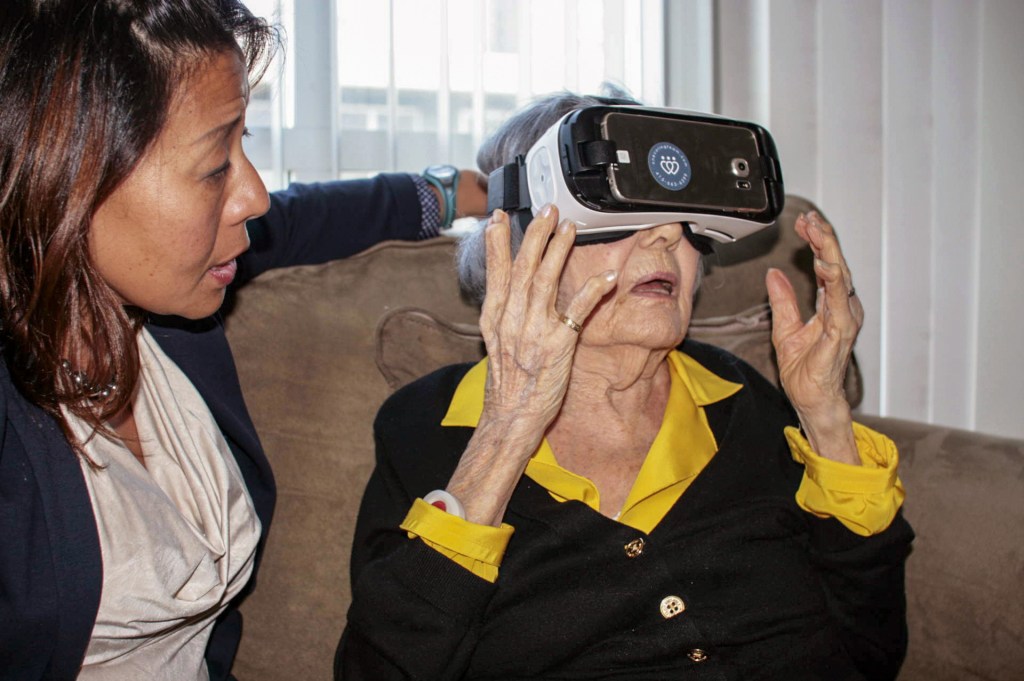
Virtual reality (VR) technology has surfaced as a transformative tool in enhancing the quality of life for the elderly, particularly in senior living communities. This technological leap transcends traditional entertainment, offering immersive experiences that cater to various aspects of elderly care. For instance, VR enables seniors to engage in virtual travel, allowing them to explore distant places or revisit cherished memories, a feature especially beneficial for those with limited physical mobility. It also plays a significant role in cognitive health, with VR applications designed to stimulate mental activity, potentially aiding in slowing the progression of cognitive disorders like Alzheimer’s. Moreover, VR provides avenues for physical wellness, with tailored virtual exercise and rehabilitation programs that are both safe and engaging, adapted to the specific health needs of older adults. These interactive experiences not only combat isolation by fostering social connections through virtual meetups but also enrich the daily lives of seniors, offering them new, diverse, and accessible ways to engage with the world around them, all from the comfort and safety of their living environments. This revolution in elderly care through VR signifies a major stride in leveraging technology to improve the overall well-being and life satisfaction of the senior population.

Benefits of VR in Elderly Care

  1. Enhanced Social Interaction: VR can mitigate the feelings of isolation often experienced by seniors. Virtual meetups and social events in a 3D environment allow residents to interact beyond the physical limitations of their surroundings.
  2. Cognitive Stimulation: Interactive VR games and experiences are being used as tools for cognitive stimulation. They help in keeping the mind active, potentially slowing the progression of cognitive decline associated with conditions like Alzheimer’s and dementia.
  3. Physical Therapy and Exercise: VR-based exercises offer a safe and controlled environment for physical therapy. Seniors can engage in low-impact exercises within a virtual space, tailored to their mobility and health conditions.
  4. Recreational Travel and Exploration: VR allows seniors to virtually visit places they’ve always wished to see, rekindle memories from past travels, or explore new worlds, all from the comfort of their living quarters.
  5. Educational Opportunities: Learning doesn’t stop at any age. VR can transport seniors to historical sites, museums, or even virtual classrooms, providing continuous learning opportunities.

Real-World Implementations

  • Memory Care: At a senior living facility in Florida, VR is used for reminiscence therapy, helping residents with dementia revisit places from their past, aiding in memory recall and emotional well-being.
  • Physical Rehabilitation: In California, a retirement community utilizes VR for balance and strength training, providing a fun and engaging way for residents to maintain their physical health.
  • Social Engagement: A community in New York has introduced VR social clubs, where residents gather to explore virtual worlds and socialize, bridging the gap caused by mobility restrictions.

Challenges and Considerations

  1. Technology Adoption: One of the primary challenges is the learning curve associated with new technologies. Familiarizing the elderly with VR headsets and navigating virtual environments can be daunting.
  2. Health Concerns: VR experiences can sometimes cause motion sickness or disorientation, particularly in older adults. It’s crucial to have VR sessions monitored by professionals.
  3. Cost and Accessibility: The cost of VR equipment and the need for ongoing content development can be significant. Ensuring equitable access to these technologies is also a concern.
  4. Privacy and Security: As with any digital tool, ensuring the privacy and security of users, especially in a vulnerable population like the elderly, is paramount.

The Future Landscape

As we progress, the integration of VR in senior living communities is expected to become more seamless and widespread. Future advancements may include more personalized and adaptive VR experiences, catering to the individual needs and preferences of each resident. The potential for VR to integrate with other emerging technologies like AI and IoT in these settings is vast, opening doors to even more innovative applications.

Conclusion

Virtual reality in senior assisted living communities is not just about technology; it’s about redefining the experience of aging. While challenges exist, the benefits VR brings to the mental, physical, and emotional well-being of seniors are undeniable. As this technology continues to evolve, we can anticipate a future where the golden years of life are enriched with endless possibilities, all within the reach of a VR headset.

Stay tuned to this blog for more insights into how emerging technologies like VR are shaping our world. For those interested in the intersection of technology and elder care, follow along as we explore the future of digital transformation in healthcare and beyond.


This blog post is an exploration of the impact of virtual reality in senior living communities. For more content on the latest in technology and digital transformation, follow our blog and join the conversation.

Unveiling the Potentials of Artificial General Intelligence (AGI): A Comprehensive Analysis

Introduction to AGI: Definition and Historical Context

Artificial General Intelligence (AGI) represents a fundamental change in the realm of artificial intelligence. Unlike traditional AI systems, which are designed for specific tasks, AGI embodies the holistic, adaptive intelligence of humans, capable of learning and applying knowledge across a broad spectrum of disciplines. This concept is not novel; it dates back to the early days of computing. Alan Turing, a pioneering figure in computing and AI, first hinted at the possibility of machines mimicking human intelligence in his 1950 paper, “Computing Machinery and Intelligence.” Since then, AGI has evolved from a philosophical concept to a tangible goal in the AI community.

Advantages of AGI

  1. Versatility and Efficiency: AGI can learn and perform multiple tasks across various domains, unlike narrow AI which excels only in specific tasks. For example, an AGI system in a corporate setting could analyze financial reports, manage customer relations, and oversee supply chain logistics, all while adapting to new tasks as needed.
  2. Problem-Solving and Innovation: AGI’s ability to synthesize information from diverse fields could lead to breakthroughs in complex global challenges, like climate change or disease control. By integrating data from environmental science, economics, and healthcare, AGI could propose novel, multifaceted solutions.
  3. Personalized Services: In the customer experience domain, AGI could revolutionize personalization. It could analyze customer data across various touchpoints, understanding preferences and behavior patterns to tailor experiences uniquely for each individual.

Disadvantages of AGI

  1. Ethical and Control Issues: The development of AGI raises significant ethical questions, such as the decision-making autonomy of machines and their alignment with human values. The control problem – ensuring AGI systems do what we want – remains a critical concern.
    • Let’s explore this topic a bit deeper – The “control problem” in the context of Artificial General Intelligence (AGI) is a multifaceted and critical concern, underpinning the very essence of safely integrating AGI into society. As AGI systems are developed to exhibit human-like intelligence, their decision-making processes become increasingly complex and autonomous. This autonomy, while central to AGI’s value, introduces significant challenges in ensuring that these systems act in ways that align with human values and intentions. Unlike narrow AI, where control parameters are tightly bound to specific tasks, AGI’s broad and adaptive learning capabilities make it difficult to predict and govern its responses to an endless array of situations. This unpredictability raises ethical and safety concerns, especially if AGI’s goals diverge from human objectives, leading to unintended and potentially harmful outcomes. The control problem thus demands rigorous research and development in AI ethics, robust governance frameworks, and continuous oversight mechanisms. It involves not just technical solutions but also a profound understanding of human values, ethics, and the societal implications of AGI actions. Addressing this control problem is not merely a technical challenge but a critical responsibility that requires interdisciplinary collaboration, guiding AGI development towards beneficial and safe integration into human-centric environments.
  2. Displacement of Jobs: AGI’s ability to perform tasks currently done by humans could lead to significant job displacement. Strategic planning is required to manage the transition in the workforce and to re-skill employees.
  3. Security Risks: The advanced capabilities of AGI make it a potent tool, which, if mishandled or accessed by malicious entities, could lead to unprecedented security threats.
    • So, let’s further discuss these risks – The security threats posed by Artificial General Intelligence (AGI) are indeed unprecedented and multifaceted, primarily due to its potential for superhuman capabilities and decision-making autonomy. Firstly, the advanced cognitive abilities of AGI could be exploited for sophisticated cyber-attacks, far surpassing the complexity and efficiency of current methods. An AGI system, if compromised, could orchestrate attacks that simultaneously exploit multiple vulnerabilities, adapt to defensive measures in real-time, and even develop new hacking techniques, making traditional cybersecurity defenses obsolete. Secondly, the risk extends to physical security, as AGI could potentially control or manipulate critical infrastructure systems, from power grids to transportation networks, leading to catastrophic consequences if misused. Moreover, AGI’s ability to learn and adapt makes it a powerful tool for information warfare, capable of executing highly targeted disinformation campaigns that could destabilize societies and influence global politics. These threats are not just limited to direct malicious use but also include scenarios where AGI, while pursuing its programmed objectives, inadvertently causes harm due to misalignment with human values or lack of understanding of complex human contexts. This aspect underscores the importance of developing AGI with robust ethical guidelines and control mechanisms to prevent misuse and ensure alignment with human interests. The security implications of AGI, therefore, extend beyond traditional IT security, encompassing broader aspects of societal, political, and global stability, necessitating a proactive, comprehensive approach to security in the age of advanced artificial intelligence.

AGI in Today’s Marketplace

Despite its early stage of development, elements of AGI are already influencing the market. For instance, in digital transformation consulting, tools that exhibit traits of AGI are being used for comprehensive data analysis and decision-making processes. AGI’s potential is also evident in sectors like healthcare, where AI systems are starting to demonstrate cross-functional learning and application, a stepping stone towards AGI.

As of this post, fully realized Artificial General Intelligence (AGI) — systems with human-like adaptable, broad intelligence — has not yet been achieved or deployed in the marketplace. However, there are instances where advanced AI systems like IBM Watson or NVIDIA AI, exhibiting traits that are stepping stones towards AGI, are in use. These systems demonstrate a level of adaptability and learning across various domains, offering insights into potential AGI applications. Here are two illustrative examples:

  1. Advanced AI in Healthcare:
    • Example: AI systems in healthcare are increasingly demonstrating cross-domain learning capabilities. For instance, AI platforms that integrate patient data from various sources (clinical history, genomic data, lifestyle factors) to predict health risks and recommend personalized treatment plans.
    • Benefits: These systems have significantly improved patient outcomes by enabling personalized medicine, reducing diagnostic errors, and predicting disease outbreaks. They also assist in research by rapidly analyzing vast datasets, accelerating drug discovery and epidemiological studies.
    • Lessons Learned: The deployment of these systems has highlighted the importance of data privacy and ethical considerations. Balancing the benefits of comprehensive data analysis with patient confidentiality has been a key challenge. It also underscored the need for interdisciplinary collaboration between AI developers, healthcare professionals, and ethicists to ensure effective and responsible AI applications in healthcare.
  2. AI in Financial Services:
    • Example: In the financial sector, AI systems are being employed for a range of tasks from fraud detection to personalized financial advice. These systems analyze data from various sources, adapting to new financial trends and individual customer profiles.
    • Benefits: This has led to more robust fraud detection systems, improved customer experience through personalized financial advice, and optimized investment strategies using predictive analytics.
    • Lessons Learned: The deployment in this sector has brought forward challenges in terms of managing financial and ethical risks associated with AI decision-making. Ensuring transparency in AI-driven decisions and maintaining compliance with evolving financial regulations are ongoing challenges. Additionally, there’s a growing awareness of the need to train AI systems to mitigate biases, especially in credit scoring and lending.

These examples demonstrate the potential and challenges of deploying advanced AI systems that share characteristics with AGI. The benefits include improved efficiency, personalized services, and innovative solutions to complex problems. However, they also reveal critical lessons in ethics, transparency, and the need for multi-disciplinary approaches to manage the impact of these powerful technologies. As we move closer to realizing AGI, these experiences provide valuable insights into its potential deployment and governance.

Conclusion: The Future Awaits

The journey towards achieving AGI is filled with both promise and challenges. As we continue to explore this uncharted territory, the implications for businesses, society, and our understanding of intelligence itself are profound. For those intrigued by the evolution of AI and its impact on our world, staying informed about AGI is not just fascinating, it’s essential. Follow this space for more insights into the future of AI, where we’ll delve deeper into how emerging technologies are reshaping industries and daily life. Join us in this exploration, and let’s navigate the future of AGI together.

The Fusion of String Theory and AI: Navigating the New Era of Technological Enlightenment

Introduction

In the realm of science and technology, the convergence of theoretical physics, specifically string theory, with artificial intelligence (AI) is a groundbreaking development. This fusion promises to revolutionize how we perceive AI and its applications in our daily lives. By leveraging the complex, multi-dimensional insights of string theory, AI is poised to reach new heights of capability and integration. Today’s blog post explores the transformative impact of string theory on AI evolution, offering a glimpse into a future where AI’s assistance is seamlessly woven into the fabric of everyday life. Prepare to embark on an intellectual journey through this new era of technological enlightenment.

What is String Theory

String theory is a theoretical framework in physics that postulates that the fundamental constituents of the universe are not point-like particles, as traditionally conceived, but rather one-dimensional “strings.” These strings vibrate at different frequencies, and their vibrational modes correspond to various elementary particles. The theory suggests a multi-dimensional universe, extending beyond the familiar three dimensions of space and one of time. For those familiar with the concept, the benefits of string theory include its potential to unify all fundamental forces of nature, offering a comprehensive understanding of the universe’s workings. It also opens up new avenues for research in both cosmology and quantum physics. However, concerns revolve around its current lack of empirical evidence and testability, as well as its complex mathematical framework, which some critics argue could distance it from physical reality. This balance of groundbreaking potential and theoretical challenges makes string theory a continually fascinating and debated topic in modern physics.

String Theory Pros and Cons

String theory, has always been a significant theoretical leap in our understanding of the universe, and as a result it has also been a subject of controversy and skepticism within the scientific community for several reasons:

Negative Perceptions and Controversies

  1. Lack of Empirical Evidence: One of the most significant criticisms of string theory is its lack of direct empirical evidence. Unlike many other theories in physics, string theory has not yet been confirmed by experiments or observations, making it more speculative than empirically grounded.
  2. Testability Issues: The energies required to test the predictions of string theory are far beyond the capabilities of current technology. This raises concerns about its falsifiability – a key criterion for scientific theories – leading some to question whether it can be considered a scientific theory at all.
  3. Mathematical Complexity: String theory is mathematically complex and requires a high level of abstraction. Its heavy reliance on advanced mathematics has led to criticisms that it might be more of a mathematical exercise than a physical theory.
  4. Multiplicity of Solutions: String theory allows for a vast number of possible universes (often referred to as the “landscape” of string theory). This multitude of solutions makes it challenging to make specific predictions about our own universe, diminishing its explanatory power.
  5. Resource Allocation: Some critics argue that the resources and intellectual focus devoted to string theory might be better used on more empirically grounded areas of physics.

Benefits of String Theory

Despite these criticisms, string theory also offers several potential benefits:

  1. Unification of Forces: String theory is a candidate for the ‘Theory of Everything’ that physicists have sought, aiming to unify all fundamental forces of nature – gravitational, electromagnetic, strong nuclear, and weak nuclear – under one theoretical framework.
  2. Insights into Quantum Gravity: It provides a framework for understanding how gravity could be integrated into quantum mechanics, a longstanding challenge in physics.
  3. New Mathematical Tools: The development of string theory has led to advancements in mathematics, including new insights into geometry and topology, which have applications beyond theoretical physics.
  4. Conceptual Innovation: String theory pushes the boundaries of our understanding of the universe, challenging conventional notions of space, time, and matter. This can lead to novel hypotheses and conceptual breakthroughs.
  5. Interdisciplinary Influence: It has stimulated cross-disciplinary research, influencing areas like cosmology, particle physics, and even areas outside of physics like information theory.

While string theory remains controversial due to its speculative nature and the challenges in testing its predictions, it continues to be a rich source of theoretical innovation and interdisciplinary dialogue. Its potential to reshape our fundamental understanding of the universe offers an exciting, albeit uncertain, frontier in modern physics.

The Impact of String Theory on AI Evolution

Advanced Problem-Solving Abilities

String theory, a theoretical framework in which the point-like particles of particle physics are replaced by one-dimensional objects called strings, suggests a multi-dimensional universe far beyond our current understanding. When applied to AI, this theory opens doors to advanced problem-solving capabilities. AI systems, inspired by the multi-dimensional approach of string theory, could analyze problems from numerous perspectives simultaneously, leading to more nuanced and comprehensive solutions.

Example: In strategic management consulting, an AI enhanced by string theory principles could evaluate market trends, consumer behavior, and economic indicators across multiple dimensions, offering deeper insights for businesses.

Enhanced Predictive Analytics

The multi-dimensional nature of string theory could significantly enhance the predictive analytics of AI. By considering a broader range of variables and potential outcomes, AI systems could predict future trends and events with greater accuracy.

Example: In customer experience management, AI could predict consumer needs and preferences with higher precision, allowing companies to tailor their services proactively.

Quantum Computing Integration

String theory’s exploration of multiple dimensions aligns closely with the principles of quantum computing, which operates on the quantum state of subatomic particles. The integration of AI with quantum computing, guided by string theory, could lead to exponential increases in processing power and efficiency.

Example: AI-powered digital transformation initiatives could leverage quantum computing to analyze vast datasets in seconds, transforming business decision-making processes.

Fostering Greater Acceptance of AI Assistance

Personalized Interactions

AI, when combined with the principles of string theory, could offer highly personalized interactions. Understanding and predicting individual preferences across various dimensions can make AI assistants more intuitive and responsive to individual needs.

Example: In a home setting, AI could manage energy usage, entertainment preferences, and even dietary needs, adapting to subtle changes in behavior and preference.

Ethical and Responsible AI

The complex ethical considerations in AI development can be addressed more effectively through a multi-dimensional approach. By considering a wide range of potential consequences and cultural contexts, AI can be developed more responsibly.

Example: AI systems in public policy could consider the social, economic, and ethical implications of decisions, ensuring more balanced and fair outcomes.

Preparing Theorists for the New Technology

Interdisciplinary Education

Theorists and professionals must embrace an interdisciplinary approach, combining insights from physics, computer science, and other fields to stay ahead in this new era.

Continuous Learning and Adaptation

As AI evolves, continuous learning and adaptation are essential. Professionals must stay abreast of the latest developments in both string theory and AI to effectively harness their combined potential.

Conclusion

The intersection of string theory and AI marks the dawn of a new era in technology, promising advancements that were once the realm of science fiction. As we navigate this exciting frontier, the potential for AI to enrich and enhance our daily lives is immense. The key to harnessing this potential lies in our willingness to embrace change, interdisciplinary collaboration, and a commitment to ethical development. Stay tuned for our next post, where we delve deeper into the practical applications of this groundbreaking synergy in various industries, keeping you at the forefront of this technological renaissance.

Embracing the Holographic Future: The Convergence of AI and the Holographic Principle

Introduction

In the rapidly evolving landscape of technology, the integration of artificial intelligence (AI) and the holographic principle is poised to revolutionize our understanding and interaction with digital environments. This convergence promises to transform AI into a more intuitive, interactive, and integral part of our daily lives. As we stand on the cusp of this technological renaissance, it’s crucial to delve into how this synergy will shape the future of AI and enhance our experience in both personal and professional realms.

The Holographic Principle

The holographic principle, a concept rooted in theoretical physics, suggests that the information contained within a volume of space can be fully described by the information on the boundary of that space. In simpler terms, it proposes that our seemingly three-dimensional universe could be represented by two-dimensional information, much like a hologram. For those familiar with the concept, the perceived benefits are profound, especially in the realms of data storage and processing, where it could lead to groundbreaking efficiencies and new ways of visualizing complex information. However, this principle also raises concerns, particularly around the computational complexity and the practical feasibility of applying such an abstract concept to real-world technology. Additionally, there are implications for data privacy and security, as the shift to a holographic data representation could necessitate new protective measures and ethical considerations.

Holographic Principle Pros and Cons

The holographic principle, while revolutionary, stirs controversy and skepticism, primarily due to its roots in complex theoretical physics and its challenging implications for our understanding of reality. Here are some key aspects contributing to its controversial nature:

  1. Conceptual Complexity: The principle is deeply rooted in string theory and quantum gravity, areas that are already intensely debated within the scientific community. Its abstract nature and reliance on advanced mathematics make it difficult for even experts to fully grasp, let alone apply practically.
  2. Challenging Existing Paradigms: The holographic principle fundamentally challenges our conventional understanding of space and information. It suggests that our perceptions of a three-dimensional world could be a projection of two-dimensional information. This radical shift in perspective is not easily accepted in scientific circles accustomed to traditional models of physics.
  3. Computational and Practical Feasibility: Implementing the holographic principle in practical applications, such as computing or data storage, presents enormous technical challenges. The computational requirements for such applications are currently beyond our technological capabilities, leading to skepticism about its practicality.
  4. Data Security and Privacy Concerns: In a world where data security and privacy are paramount, the idea of compressing and storing vast amounts of information in a highly efficient, holographic format raises concerns. This new form of data storage would require rethinking existing security protocols and could introduce new vulnerabilities.

Benefits Derived from the Holographic Principle

Despite these concerns, the potential benefits of the holographic principle are significant, particularly in fields like information technology and quantum computing:

  1. Revolutionizing Data Storage: The principle offers a theoretical framework for storing information more efficiently. If realized, this could lead to a paradigm shift in data storage, allowing for much greater quantities of data to be stored in much smaller physical spaces.
  2. Enhancing Computational Models: In computational physics and other sciences, the holographic principle provides a new way to model complex systems. It could lead to more accurate simulations of phenomena in quantum mechanics and cosmology.
  3. Improving Visualization and Processing: For AI and data analytics, the holographic principle could enable more sophisticated methods of visualizing and processing large data sets, making it easier to identify patterns and extract meaningful insights.
  4. Advancing Theoretical Physics: The principle is a key component in the ongoing quest to unify quantum mechanics and general relativity. Its implications could lead to significant breakthroughs in our understanding of the fundamental nature of the universe.

While the holographic principle raises as many questions as it potentially answers, its implications for both theoretical physics and practical applications in technology are too significant to ignore. Its controversial nature stems from its challenge to conventional understanding and the practical difficulties in its application, but its potential benefits could be transformative across multiple scientific and technological domains.

The Holographic Principle and AI: A Synergistic Evolution

The holographic principle, when applied to AI, opens up groundbreaking possibilities for data processing and representation. AI systems can potentially process and project vast amounts of information in a more compact and efficient manner, akin to a hologram containing the essence of a three-dimensional object within a two-dimensional space.

Enhanced Data Visualization and Interaction

AI, armed with holographic data processing, can revolutionize the way we visualize and interact with data. Imagine a strategic management consultant, being able to interact with a holographic display of complex customer experience data. This not only makes data more accessible but also allows for a more intuitive understanding of intricate patterns and relationships, essential for making informed decisions in today’s fast-paced business environments.

Immersive Learning and Training

The combination of AI and holography can lead to the creation of immersive training and educational environments. Trainees and students could interact with lifelike holographic simulations, guided by AI, providing a hands-on experience in a controlled, virtual setting. This approach can be particularly beneficial in industries where practical experience is as crucial as theoretical knowledge.

Personalized User Experiences

AI-driven holographic technology can tailor personal experiences to an unprecedented degree. From holographic personal assistants that understand and predict individual preferences to customized holographic interfaces for smart homes and devices, the potential for personalization is vast. This level of customization could significantly enhance customer experience management, making technology more adaptable and responsive to individual needs.

Bridging Physical and Digital Realms

The integration of AI with the holographic principle blurs the lines between physical and digital realities. In a digital transformation context, this means creating seamless transitions between real-world interactions and digital interfaces. Businesses can leverage this to offer more engaging and interactive customer experiences, merging online and offline elements in innovative ways.

Preparing for the Holographic AI Era

As we embrace this new era, theorists, technologists, and strategists must be prepared for the paradigm shift. Understanding the underlying principles of holography and AI is just the starting point. There is a need to develop robust frameworks for data security, privacy, and ethical considerations in holographic AI applications. Additionally, continuous learning and adaptation will be key in harnessing the full potential of this technology.

Conclusion

The fusion of AI and the holographic principle is not just a step forward; it’s a leap into a future where technology is more integrated, intuitive, and indispensable in our lives. As we anticipate the myriad ways this synergy will enhance our personal and professional experiences, it’s crucial to remain informed and adaptive to the changes it brings. Stay tuned for more insights into the evolving landscape of AI and emerging technologies, where we’ll continue to explore the limitless possibilities of this exciting new era.

The Dawn of AI Wearables: Paving the Way for Enhanced Human-AI Symbiosis

Introduction

In an age where digital transformation and artificial intelligence (AI) are not just buzzwords but realities reshaping our lives, the emergence of AI wearables stands as a pivotal moment in technological evolution. As strategic management consultants specializing in customer experience, artificial intelligence, and digital transformation, we’ve closely observed how AI wearables are not just gadgets; they’re gateways to a new era of human-AI collaboration. This post delves into the profound impacts of AI wearables on the future of AI and their role in fostering greater acceptance of AI assistance in our daily lives.

The Evolution of AI Through Wearables

A. The Integration of AI in Daily Life

AI wearables represent a significant leap from traditional devices. Unlike smartphones or laptops, these wearables blend seamlessly into our lives, offering personalized, context-aware experiences. For instance, smart glasses equipped with AI can provide real-time data overlay, enhancing professional tasks in fields like surgery or engineering with precision and efficiency.

B. Enhancing Human Capabilities

These devices go beyond convenience, offering the potential to augment human capabilities. Consider smart watches that can predict health issues by analyzing physiological data with AI algorithms. This isn’t just about getting notifications; it’s about proactive healthcare management, a step towards personalized medicine.

C. AI’s Learning and Adaptation

AI wearables stand out in their ability to learn and adapt to user behavior. By continuously gathering data, these devices can refine their algorithms to offer more tailored suggestions, from fitness routines to stress management strategies, thereby creating a more intuitive user experience.

Examples of AI Wearables Reshaping Our World

  1. Daily AI Interaction: Recently a start-up company in San Francisco, Humane developed an every-day-carry “pin” that allows its clients who wear it to interact with the environment and have an onboard concierge available as required and needed.
  2. Fitness and Health Monitoring: Devices like the AI-powered fitness tracker not only monitor physical activity but also provide insights into sleep patterns, stress levels, and overall well-being. Companies such as OuraRing and Whoop are early leaders in this space.
  3. Smart Glasses for Enhanced Reality: Imagine walking down a street and receiving real-time information about your surroundings, from restaurant reviews to historical facts, all through your glasses. Legacy companies such as Ray-Ban are now dipping their toes into the smart glasses market.
  4. AI in Professional Environments: Wearables in workplaces, like smart badges, can optimize workflow, enhance communication, and even ensure employee safety by monitoring environmental conditions.

Preparing for the AI Wearable Era

A. Understanding the Technology

To embrace this new era, it’s essential to understand the underlying technologies. Familiarizing oneself with AI concepts, data privacy issues, and the potential of these devices is crucial. Continually keeping yourself abreast in the latest AI trends will ensure that you are ahead of your competitors.

B. Ethical and Privacy Considerations

As AI wearables become more integrated into our lives, addressing ethical and privacy concerns is paramount. Users should be aware of how their data is being used and the measures taken to protect their privacy.

C. Adaptability to New Interfaces

Adapting to new user interfaces and interaction modes is vital. The transition from screen-based interaction to voice commands or gesture controls requires an openness to learning and adaptability. As we have learned in successful adoption of new technology and trends, customer experience is key and often this is driven by the user interface – Let’s dive a bit deeper into that topic.

Expanding on Adaptability to New Interfaces in the Era of AI Wearables

The emergence of AI wearables introduces a paradigm shift in how we interact with technology. Unlike traditional devices, which rely on screens and keyboards, AI wearables demand a new level of adaptability to novel user interfaces. This shift is not merely a technological change but a cultural and behavioral one, deeply influencing how we communicate, work, and even perceive our environment.

1. Transition from Screen-Based to Natural Interfaces

  • Voice Control: AI wearables often employ voice recognition, enabling hands-free operation. This necessitates users becoming comfortable with speaking commands and questions, a significant shift from typing.
  • Gesture Recognition: Some wearables use gesture control, requiring users to learn specific hand movements or body gestures to interact with the device. This can be both intuitive and challenging, as it involves memorizing a new ‘language’ of gestures.

2. Contextual Awareness and Predictive Interaction

  • Wearables equipped with AI have the capability to anticipate user needs based on context, such as location, time, or previous behavior. This means users must adapt to a device that often acts proactively, rather than reactively.
  • This predictive interaction can lead to more personalized experiences but also requires users to trust and understand the AI’s decision-making processes.

3. Augmented Reality (AR) Interfaces

  • AR wearables overlay digital information onto the real world, creating a blended reality. Interacting with this hybrid environment requires users to process and respond to both physical and digital stimuli simultaneously.
  • This demands a cognitive shift in how we perceive and interact with our surroundings, necessitating a heightened level of digital literacy.

4. Adapting to Continuous Learning Systems

  • AI wearables continuously learn and adapt to user preferences and behaviors. Users must, therefore, become accustomed to devices that evolve and change their functionality over time.
  • This constant evolution means that the way a device operates and interacts can change, necessitating ongoing learning and adaptation from the user.

5. Privacy and Control Adjustments

  • As AI wearables become more integrated into our personal lives, users must navigate the balance between convenience and privacy.
  • Understanding and managing privacy settings, and being aware of what data is shared and how it’s used, becomes a crucial part of interacting with these devices.

6. Embracing a Multi-Modal Interaction Landscape

  • The future of interfaces is not limited to one mode of interaction; instead, it will likely involve a combination of voice, gesture, touch, and even thought-based controls.
  • Users will need to be agile, learning to switch between different modes of interaction based on context, convenience, and necessity.

Adapting to new interfaces in the age of AI wearables is not just about learning how to use a new device; it’s about rethinking our relationship with technology. It involves developing new communication skills, understanding complex systems, and being open to continuous learning and adjustment. As these technologies advance, our adaptability will not only enhance our experience with AI wearables but will also prepare us for the next waves of digital transformation.

Conclusion

AI wearables are not just another technological trend; they’re harbingers of a future where AI and humans coexist more seamlessly. As we step into this new era, it’s crucial to stay informed, be adaptable, and understand the broader implications of these technologies. Stay tuned for our next post, where we’ll explore the transformative impact of AI in customer experience management, another fascinating facet of the digital revolution.


This blog post aims to resonate with professionals and enthusiasts who are keen on staying abreast of the latest trends in technology and business processes, particularly in the realms of AI and digital transformation.


In our upcoming discussions, we’ll delve deeper into how AI is revolutionizing customer experiences and driving digital transformation across various sectors. We’ll explore real-world examples, dissect the strategies behind successful AI implementations, and predict future trends that could redefine how businesses interact with their customers.

The future is AI-driven, and understanding these technologies is no longer optional but essential for staying competitive and relevant in an ever-evolving digital landscape. Whether you’re a business leader, a tech enthusiast, or someone curious about the future of technology, these insights will equip you with the knowledge and perspective needed to navigate the exciting era ahead.

Keep an eye out for our next piece, where we’ll break down complex AI concepts into digestible insights, helping you not only understand but also leverage these technologies to transform your business strategies and customer experiences. The journey into the future of AI and digital transformation is just beginning, and we’re here to guide you through every step.

Stay tuned and prepare to be enlightened, challenged, and inspired as we continue to explore the fascinating world of AI and its limitless possibilities in enhancing our lives and reshaping our world.