AI Engagement and Senior Lifestyles: The Integration of AI and VR in Therapeutic Practices

Introduction

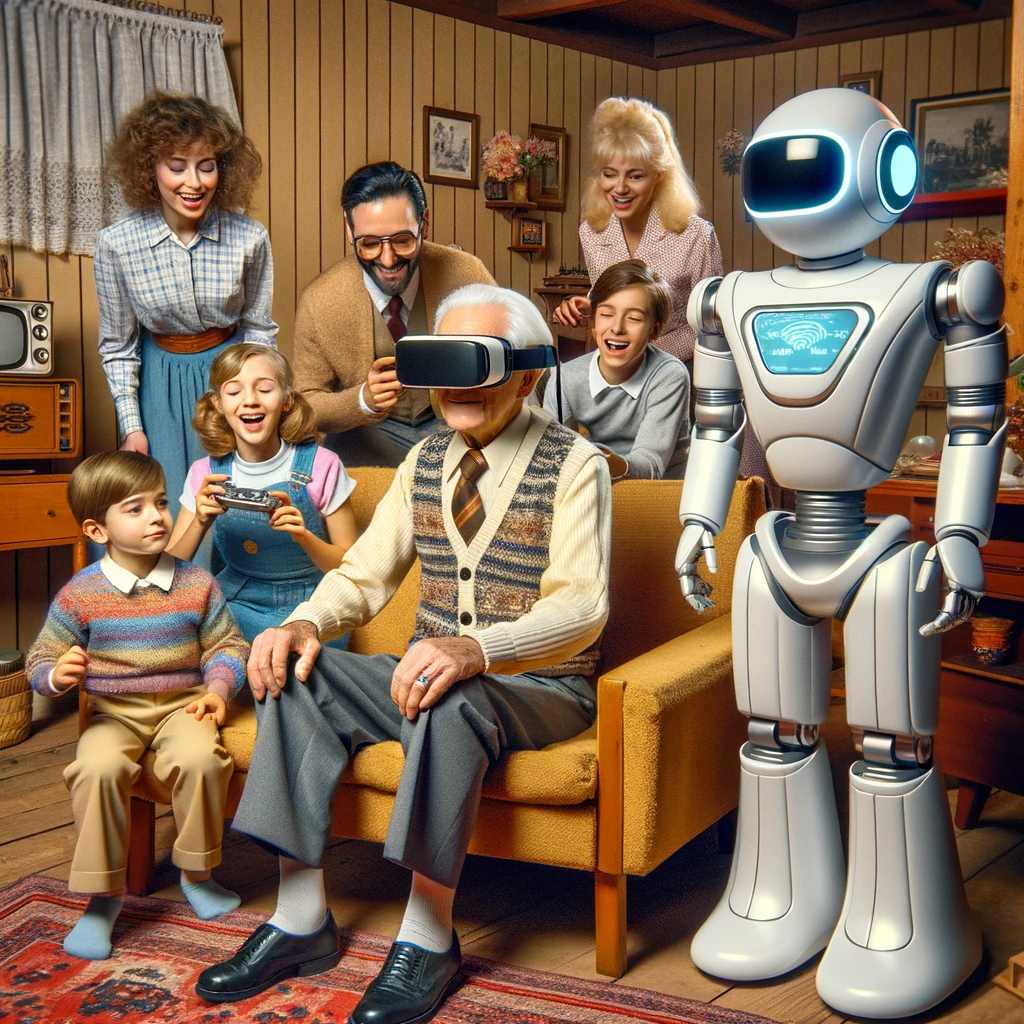
As we wrap-up this week’s continuing exploration of artificial intelligence’s role in enhancing senior lifestyles, our blog posts had delved into the confluence of AI and Virtual Reality (VR) in the realm of therapy and assistance for the elderly, particularly those facing cognitive decline. This intersection of technology not only paints a visionary future for senior care but also presents its unique set of challenges.

The Synergy of AI and VR in Senior Care

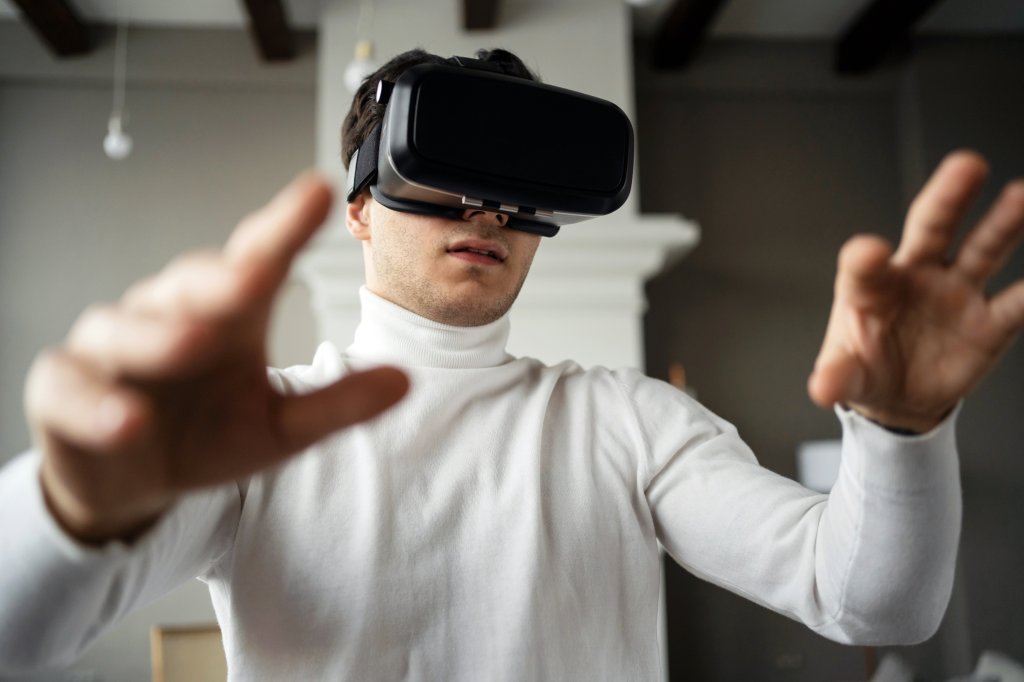
The integration of AI and VR in senior care is an evolving landscape that promises to revolutionize how we approach age-related cognitive decline and therapy. AI, with its ability to process and analyze vast amounts of data, can offer personalized care plans, while VR provides immersive experiences that can aid in cognitive therapy and emotional well-being. So, lets talk about AI for the moment and its advantages.

AI as a Personalized Care Assistant

As we discussed in previous posts, seniors experiencing cognitive decline, AI can function as a personalized assistant, adapting to their changing needs. AI systems can monitor health metrics, remind patients of medication schedules, and even detect early signs of deteriorating health conditions. This proactive approach ensures a tailored and responsive care regimen.

AI as a Personalized Care Assistant: A Deep Dive

Definition and Fundamentals

At its core, when we talk about AI as a Personalized Care Assistant, we are referring to the use of advanced artificial intelligence systems to provide tailored support and assistance to individuals, particularly in the context of healthcare and senior care. These AI systems are designed to adapt to the unique needs and preferences of each person, offering a level of customization that goes beyond traditional care models.

AI assistants in this realm are more than just passive tools; they are proactive agents capable of learning and evolving with their users. They harness the power of machine learning, natural language processing, and predictive analytics to understand and anticipate the needs of seniors. This includes monitoring health indicators, managing medication schedules, providing companionship, and even aiding in decision-making processes related to healthcare.

In-Depth Functionality and Impact

The sophistication of an AI Personalized Care Assistant lies in its ability to integrate various data points – from medical records and sensor data to user interactions and preferences. For example, AI can analyze speech patterns to detect signs of emotional distress or cognitive decline, allowing for early intervention. It can track physical activity through wearable devices to suggest personalized exercise routines or alert caregivers to potential health issues.

Moreover, AI assistants can interact with users in a conversational manner, making them more approachable and user-friendly, especially for seniors who might be less tech-savvy. These interactions can range from daily check-ins and health-related queries to providing companionship through meaningful conversations, helping to combat feelings of loneliness and isolation.

In the realm of medication management, AI assistants can not only remind seniors to take their medications but also monitor adherence and report any irregularities to healthcare providers. This level of oversight ensures that seniors are maintaining their health regimens effectively, reducing the risk of medication errors.

Another critical aspect of AI as a Personalized Care Assistant is its role in emergency situations. AI systems can be programmed to recognize signs of a medical emergency, such as a fall or a sudden health deterioration, and promptly alert emergency services and caregivers. This immediate response can be lifesaving, particularly for seniors living alone.

In summary, AI as a Personalized Care Assistant represents a transformative approach to senior care. By providing tailored, responsive, and interactive support, AI can significantly enhance the quality of life for seniors, ensuring they receive the care and attention they need while maintaining their independence and dignity. As technology continues to advance, the potential of AI in this field is boundless, promising a future where personalized care is not just a luxury but a standard for all.

VR for Cognitive and Emotional Therapy

VR technology opens a new frontier in cognitive and emotional therapy. Through immersive environments, seniors can engage in memory exercises, spatial recognition tasks, and scenarios that stimulate cognitive functions. VR also offers therapeutic experiences, such as revisiting familiar places or engaging in calming environments, providing emotional comfort and mental stimulation.

VR for Cognitive and Emotional Therapy: An In-Depth Exploration

Defining the Concept

Virtual Reality (VR) for Cognitive and Emotional Therapy represents a groundbreaking application of immersive technology in the field of mental health and cognitive rehabilitation. This approach involves using VR to create simulated environments that are tailored to therapeutic goals, providing a unique medium through which individuals, particularly seniors, can engage in exercises designed to boost cognitive function and emotional well-being.

Unlike traditional therapeutic methods, VR therapy offers a deeply immersive experience that can be controlled and manipulated to suit specific therapeutic needs. The immersive nature of VR allows users to engage in a controlled, interactive environment that can replicate real-life scenarios or create abstract, therapeutic landscapes. This level of immersion is particularly beneficial in cognitive and emotional therapy, as it facilitates a higher level of engagement and focus from the participant, enhancing the therapeutic process.

Detailed Functionality and Impact

In cognitive therapy, VR is used to design exercises that target memory, attention, problem-solving, and spatial awareness. For seniors, especially those facing cognitive decline due to conditions like Alzheimer’s or dementia, these exercises can be pivotal in slowing the progression of cognitive impairments. VR scenarios can range from simple memory games to complex simulations that require navigation, decision-making, and multitasking, all of which contribute to cognitive stimulation and rehabilitation.

The emotional therapy aspect of VR focuses on creating environments that promote relaxation, mindfulness, and emotional resilience. For example, a VR program can transport a senior to a serene beach, a quiet forest, or even a nostalgic scene from their past, providing a sense of calm and emotional comfort. This can be particularly effective in dealing with anxiety, depression, and stress, which are common among seniors.

Furthermore, VR therapy offers an excellent platform for exposure therapy, a technique used to help individuals confront and overcome fears and phobias in a safe, controlled environment. For seniors, this can mean gently facing scenarios that cause anxiety or discomfort, allowing them to build confidence and coping mechanisms under guided supervision.

The interactive nature of VR also allows for real-time adaptation of therapy sessions based on the user’s responses. For instance, if a senior shows signs of distress or discomfort, the VR environment can be immediately adjusted to reduce difficulty or change the scenario, ensuring a personalized therapy experience that aligns with the individual’s emotional and cognitive thresholds.

In conclusion, VR for Cognitive and Emotional Therapy offers a modern, innovative approach to senior care. By providing immersive, customizable environments, VR enables a level of engagement and personalization in therapy that traditional methods cannot match. As VR technology continues to evolve, its potential in enhancing cognitive abilities and emotional health, particularly among seniors, becomes increasingly significant, marking a new era in therapeutic care.

The Future Vision: AI and VR in Harmony

Envisioning the future of senior care, we see a harmonious integration of AI and VR technologies. This synergy will offer an enriched, interactive experience for seniors, helping them maintain cognitive functions and emotional well-being. Imagine a world where an AI assistant not only schedules and reminds seniors about their daily activities but also customizes VR experiences to enhance their quality of life.

Personalized VR Experiences

In the future, VR experiences will be tailored to individual preferences and therapeutic needs. Seniors could relive cherished memories, engage in virtual social interactions, or participate in mentally stimulating games, all under the guidance of AI systems that adjust these experiences based on real-time feedback and health data.

Continuous Learning and Adaptation

AI systems will continually learn and adapt to the evolving needs of each individual. By analyzing behavioral patterns and health data, AI can adjust VR content and therapy programs to maximize their effectiveness, providing a dynamic and responsive care environment.

Challenges Ahead

While the integration of AI and VR in senior care is promising, it’s not without challenges.

Ethical Considerations

There are significant ethical considerations, particularly regarding autonomy and privacy. As AI systems gather and analyze personal data, ensuring the security and privacy of this information is paramount.

Technological Accessibility

Accessibility is another challenge. Ensuring these technologies are user-friendly and accessible to seniors, regardless of their technological proficiency, is crucial for widespread adoption.

Cost and Infrastructure

The cost of implementing AI and VR technologies in senior care facilities is a significant barrier. Moreover, the infrastructure needed to support these technologies must be robust and reliable.

Conclusion: A Call for Continued Innovation

The integration of AI and VR in senior care represents a bold step forward in addressing the challenges of aging, particularly cognitive decline. As we continue to innovate, we must remain mindful of the ethical, accessibility, and infrastructure challenges that lie ahead.

The future of AI and VR in senior lifestyles is not just about technology; it’s about enhancing the quality of life for our seniors, providing them with care that is both compassionate and cutting-edge. As we move forward, let’s embrace these challenges as opportunities for growth and innovation.

Stay tuned for future blog posts where we will delve deeper into the technological advances that promote mental and physical health in senior care. Follow us for more insights into how AI and VR are shaping the future of healthcare and enhancing the lives of our elderly population.
Artificial Intelligence, Virtual Reality, and the Future of Senior Care: A Vision of Integrated Digital Therapies

Introduction:

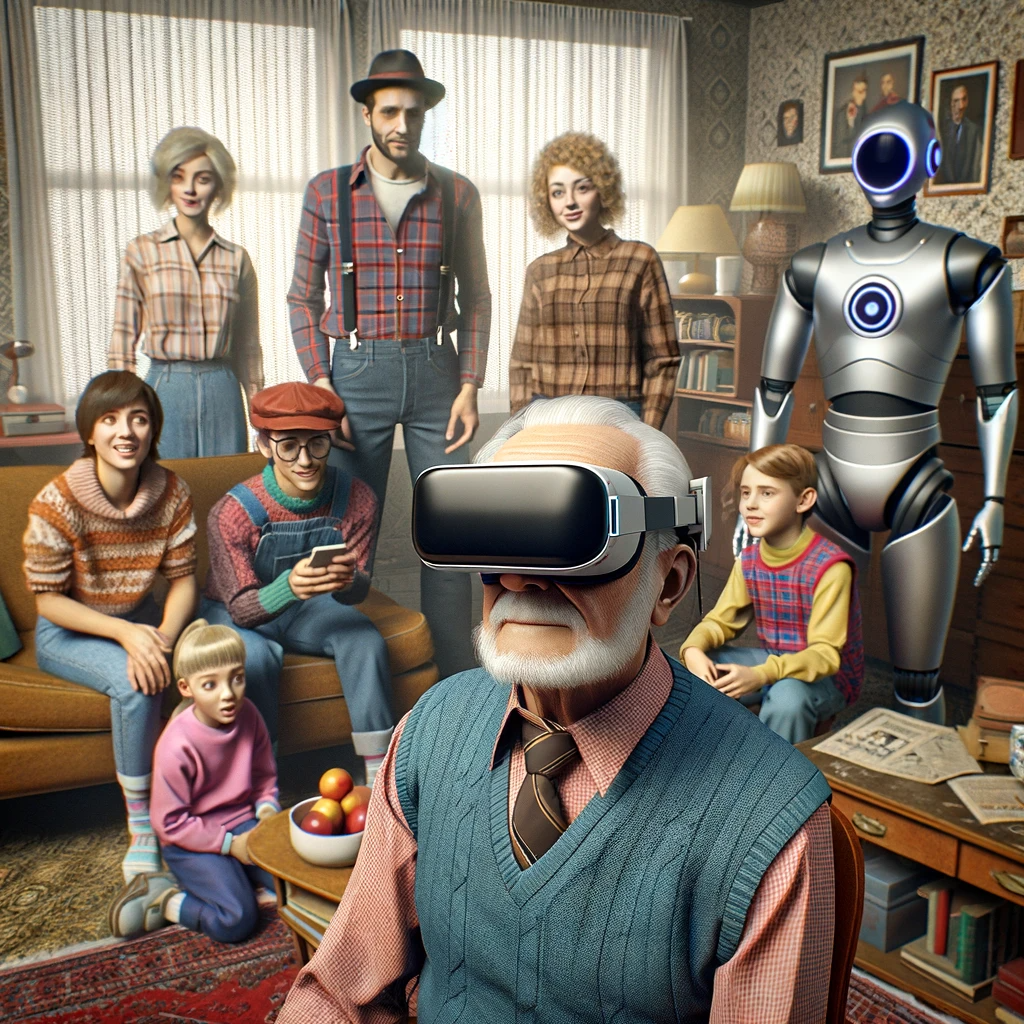
In the ever-evolving landscape of artificial intelligence and digital transformation, one of the most compelling applications lies in the intersection of AI, virtual reality (VR), and senior healthcare. As our population ages, cognitive decline becomes an increasingly prevalent challenge. The integration of AI and VR into senior lifestyles and therapies presents a pioneering approach to mitigating the impacts of this decline. This blog post delves into how these technologies are shaping the future of senior care, the challenges they face, and the vision for a more technologically integrated healthcare system.

AI as a Companion and Guide in Cognitive Decline

The journey begins with the role of AI as a cognitive companion. For seniors experiencing cognitive decline, AI can step in as an assistive voice, not to replace human interaction, but to supplement it. AI-powered tools can offer reminders for medication, help in scheduling daily tasks, and even provide conversational companionship. This application of AI is critical in maintaining the independence of seniors, offering them a sense of control and normalcy in their daily lives.

The Emergence of Virtual Reality in Senior Therapies

Virtual reality takes this a step further. VR can transport seniors to different worlds, breaking the monotony of their environment, which is especially beneficial for those confined to care homes. More than just a tool for escapism, VR has therapeutic potential. It can be used for memory exercises, cognitive therapy, and even physical rehabilitation. By simulating real-world scenarios, VR aids in the retention and even improvement of cognitive and motor skills.

The Integration of AI and VR

The integration of AI and VR in senior care is where the true potential lies. AI can tailor VR experiences to the individual’s needs, learning from their interactions and adapting accordingly. This personalized approach ensures that the therapy or activity is not just engaging but also beneficial to the individual’s specific condition.

Case Studies and Applications

Consider a VR program designed for memory recall, integrated with AI that tracks progress and adjusts the difficulty level or the nature of the exercises. Or imagine AI-powered VR environments that help in physical rehabilitation, providing real-time feedback and encouragement, and adapting the program based on the individual’s progress.

Vision for the Future

Looking ahead, the vision for the future of this technology in senior care is transformative. We foresee a world where AI and VR are not just tools for therapy but integral elements of daily life for seniors. These technologies could enable virtual social interactions, connecting seniors with their loved ones in immersive ways, or even facilitate virtual travel experiences for those who can no longer travel physically.

Challenges and Considerations

This vision, however, is not without its challenges. The foremost concern is accessibility. Ensuring that these technologies are affordable and accessible to all seniors, regardless of their socioeconomic status, is crucial. There’s also the challenge of designing interfaces and experiences that are senior-friendly, considering the varying degrees of technological literacy among the elderly.

Privacy and security are other critical issues. As AI and VR technologies collect and analyze personal data to function effectively, safeguarding this data against misuse is paramount.

Conclusion: A Future Embracing AI and VR for Healthier Aging

As we continue to explore the intersection of AI, VR, and senior healthcare, the potential for these technologies to enhance the quality of life for our aging population is immense. By embracing these digital transformations, we can offer our seniors not just a way to manage their cognitive decline but also opportunities to enrich their lives in their golden years. The future of senior care is not just about prolonging life but enhancing the quality of that life.

Stay tuned to this blog for more insights into the fascinating world of AI and digital advances in healthcare. Discover how technology is not just shaping our present but paving the way for a healthier, more connected future.

Virtual Reality in Security Threat Identification: A Comprehensive Analysis

Introduction

Today we wrap-up our week long coverage discussing the advances and usage of Virtual Reality (VR). We hope that you found this pivot from our typical AI and CX/CRM posts a refreshing and insightful journey. Rest assured, we will continue to explore different technological topics in depth over the course of the year, and if there is something that you really want to hear about – Please drop us a comment.

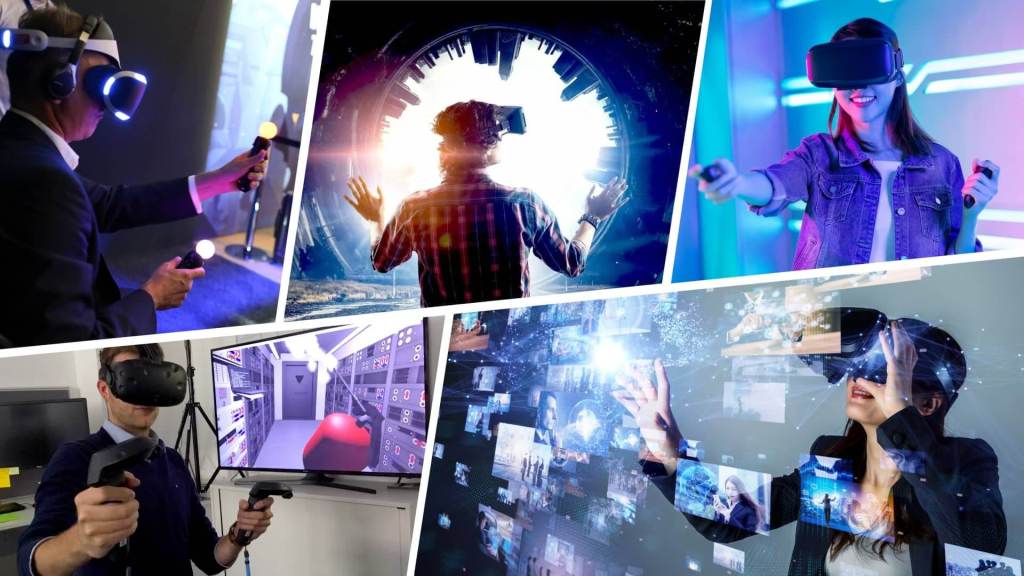
In the ever-evolving landscape of technology, Virtual Reality (VR) has emerged as a revolutionary tool, extending its capabilities far beyond entertainment and into the realm of security threat identification. This blog post delves into how VR is transforming the way federal, local, and personal security threats are identified and addressed, providing both opportunities and challenges in this critical area.

The Rise of VR in Security

Federal Perspective: Enhancing National Security

At the federal level, VR is being increasingly employed for complex simulations and training scenarios. Agencies like the Department of Defense and Homeland Security are utilizing VR for immersive training, enabling personnel to experience realistic, high-risk situations in a controlled environment. This approach not only improves readiness but also aids in identifying potential security threats in simulated scenarios, reducing the risk of real-world oversights.

Example: The Federal Bureau of Investigation (FBI) uses VR simulations for hostage rescue and anti-terrorism training, allowing agents to virtually navigate through various scenarios, enhancing their decision-making skills in real-life situations.

Local Law Enforcement: Advanced Training and Situational Awareness

Local law enforcement agencies are also harnessing VR for advanced training purposes. By simulating real-world environments and scenarios, officers can train for a variety of situations, including crowd control, de-escalation tactics, and rapid response to active threats.

Example: Police departments in major cities are adopting VR-based training systems that recreate urban environments, helping officers practice their responses to scenarios like armed robberies or public disturbances.

Personal Security: Empowering Individuals

On a personal level, VR technology is being used to educate individuals about security threats and self-defense. VR applications can simulate dangerous situations, teaching users how to respond effectively to threats like home invasions or street attacks.

Example: Self-defense VR applications allow users to practice responding to personal threats in a virtual space, providing a safe environment to learn and develop crucial survival skills.

Benefits of VR in Security Threat Identification

  1. Realistic Training Scenarios: VR provides a hyper-realistic environment where trainees can experience and react to various threats without the risks associated with real-life situations.
  2. Cost-Effectiveness: VR eliminates the need for physical training facilities and resources, reducing costs associated with security training.
  3. Adaptability and Customization: VR scenarios can be quickly modified to address specific threats or training needs, making it an adaptable tool for security training.
  4. Enhanced Data Analytics: VR systems can track and analyze user performance, providing valuable insights for improving threat identification and response strategies.

Challenges and Disadvantages

  1. Technology Limitations: The effectiveness of VR is contingent on the quality of hardware and software, which can be expensive and require regular updates.
  2. Training vs. Reality Gap: Despite its realism, VR cannot fully replicate the unpredictability and emotional intensity of real-life threat situations.
  3. Accessibility and Inclusivity: Ensuring that VR training is accessible and inclusive for all users, regardless of their physical abilities, remains a challenge.
  4. Data Privacy Concerns: The use of VR in security training involves the collection and analysis of personal data, raising concerns about privacy and data security.

Future Perspectives and Potential Applications

The future of VR in security threat identification is promising, with potential applications expanding into areas like cyber threat simulations, border control training, and disaster response planning. As VR technology advances, its integration into security frameworks will likely become more sophisticated and widespread.

Agencies Leading the Charge

Several agencies and organizations are at the forefront of integrating VR into security training and threat identification. These include:

Conclusion

Virtual Reality is redefining the landscape of security threat identification, offering innovative solutions to train and prepare for a variety of threats. While it presents certain challenges, the benefits of VR in enhancing the effectiveness and efficiency of security training are undeniable. As technology continues to evolve, we can anticipate more advanced and impactful uses of VR in safeguarding our communities and nations.

Stay tuned to our blog for more insights into the fascinating world of virtual reality and its myriad applications. Follow us for the latest updates and in-depth analyses of how emerging technologies are shaping our future.


This blog post aims to provide a comprehensive overview of the role of VR in security threat identification, touching on its benefits, challenges, and future potential. For further information or specific inquiries, please feel free to reach out or comment below.

Keywords: Virtual Reality, Security Threat Identification, VR Training, Federal Security, Local Law Enforcement, Personal Safety, Technology in Security

Harnessing Virtual Reality for Transformative Engineering: Unveiling a New Dimension of Possibilities

Introduction

In the ever-evolving landscape of technology, Virtual Reality (VR) has emerged as a groundbreaking tool, revolutionizing not just entertainment but also reshaping the core practices of various engineering disciplines. From mechanical to chemical, and aerospace, VR technology is not only enhancing the way engineers visualize and interact with their work but is also reshaping the broader horizons of these fields. This blog post delves into how VR is advancing the benefits of engineering, exploring its applications, benefits, and potential drawbacks.

Unleashing Innovation Across Engineering Domains

Mechanical Engineering: A New Design Perspective

In mechanical engineering, VR is revolutionizing design and prototyping processes. Engineers are now able to immerse themselves in a virtual environment where they can interact with 3D models of machines, components, and systems. This immersive experience allows for a deeper understanding of how different parts interact and function together. For instance, automotive engineers are using VR to design and test new vehicle models, enabling them to examine intricacies that would be challenging to visualize on a traditional computer screen.

Chemical Engineering: Safety and Process Optimization

VR’s impact in chemical engineering is notably significant in the areas of safety training and process optimization. Chemical plants can be complex and hazardous environments. VR enables engineers and technicians to simulate and interact with virtual models of chemical processes and plants. This approach not only enhances the understanding of complex chemical reactions and processes but also provides a safe environment for training purposes, reducing the risk of accidents in real-world scenarios.

Aerospace Engineering: The Final Frontier

The aerospace sector is perhaps where VR’s potential shines the brightest. Aerospace engineers are utilizing VR for designing, testing, and simulating aircraft and spacecraft. This technology offers a unique advantage in visualizing aerodynamic flows, structural designs, and even simulating the extreme conditions of space. The ability to test and modify designs in a virtual environment accelerates the development process and reduces costs, which is crucial in an industry where physical prototyping can be exceptionally expensive.

Advantages of VR in Engineering

  1. Enhanced Visualization: VR provides engineers with a 3D, immersive view of their designs, allowing for a deeper understanding and interaction with complex structures.
  2. Cost-Effectiveness: Virtual prototyping reduces the need for physical models, leading to significant cost savings, especially in fields like aerospace where prototypes are expensive.
  3. Accelerated Development Cycles: VR enables rapid iterations and modifications, allowing engineers to test and refine designs quickly.
  4. Improved Safety: In high-risk fields like chemical engineering, VR provides a safe training environment that mimics real-life scenarios without the associated risks.
  5. Remote Collaboration: VR facilitates collaboration among engineers across different locations, fostering a more integrated approach to project development.

Challenges and Considerations

Despite its numerous benefits, VR in engineering is not without its challenges:

  1. High Initial Investment: The cost of setting up advanced VR systems can be substantial, particularly for small firms or educational institutions.
  2. Technical Limitations: VR technology, while advanced, still has limitations in terms of resolution, field of view, and user experience, which can impact its effectiveness.
  3. Skill Gap: There is a learning curve associated with using VR technology, requiring specialized training for engineers and designers.
  4. Dependency on Virtual Models: Over-reliance on virtual models may lead to overlooking practical aspects that only emerge in physical environments.

Real-World Examples: VR in Action

  • Automotive Industry: Companies like Ford and BMW are using VR to design, test, and refine new vehicle models, significantly reducing development time and costs.
  • Chemical Plant Training: BASF and other chemical giants are utilizing VR for training employees, enhancing safety, and understanding complex chemical processes.
  • Space Exploration: NASA and SpaceX are leveraging VR for spacecraft design and astronaut training, preparing for missions in a way that was previously impossible.

Conclusion: The Future is Virtually Here

Virtual Reality is not just a technological trend; it’s a transformative tool that is reshaping the landscape of engineering. Its ability to enhance visualization, improve safety, and accelerate development is unparalleled. While challenges such as cost and technical limitations exist, the benefits and potential of VR in engineering are too significant to ignore.

As we continue to explore the vast capabilities of VR in engineering, we invite you to stay connected with our future posts. Delve deeper into the world of VR with us, where we’ll uncover more innovative applications and advancements in this exciting field. Follow us to stay at the forefront of technological evolution and be part of the journey that’s shaping the future of engineering.

The Emerging Role of Virtual Reality in Enhancing Intellectual Developmental Disorder Therapies

Introduction

Virtual Reality (VR) technology, once a staple of science fiction, has rapidly become a tangible and influential tool in various sectors, including healthcare and education. Among its most promising applications is its use in assisting individuals with Intellectual Developmental Disorders (IDD). This technology is not only revolutionizing therapeutic approaches but also offering unique opportunities for addressing the developmental challenges faced by adolescents with IDD. In this blog post, we will delve into the benefits and disadvantages of VR in this context, exploring real-world examples and future potential.

Understanding Intellectual Developmental Disorders

Intellectual Developmental Disorders encompass a range of cognitive impairments that affect learning, reasoning, problem-solving, and adaptive behavior. Adolescents with IDD face unique challenges in their development, often requiring tailored support to navigate their daily lives and integrate into society effectively.

The Advantages of VR in IDD Therapies

Immersive Learning Environments

VR creates immersive, controlled environments that are particularly beneficial for adolescents with IDD. These environments can be customized to the individual’s learning pace and cognitive level, offering a safe space to learn and practice life skills. For instance, a VR program can simulate a grocery store, allowing users to practice shopping, handling money, and social interactions in a realistic yet controlled setting.

Enhanced Engagement and Motivation

The engaging nature of VR can significantly increase motivation in learning and therapy sessions. Adolescents are more likely to participate actively in VR-based activities, which are often perceived as more of a game than traditional therapy or learning methods.

Improved Cognitive and Motor Skills

VR applications have shown promise in enhancing cognitive functions like attention, memory, and problem-solving. Additionally, certain VR programs are designed to improve fine motor skills and coordination, essential for adolescents with IDD who may struggle with these aspects.

Emotional and Social Skill Development

VR scenarios can be tailored to teach emotional recognition and social interaction skills. By simulating various social situations, adolescents with IDD can learn and practice appropriate emotional responses and social behaviors in a low-risk environment.

The Disadvantages and Challenges

Accessibility and Cost

One of the main barriers to widespread VR adoption in IDD therapies is the cost and accessibility of the technology. High-quality VR systems can be expensive, and not all therapy centers or schools may have the resources to implement them.

Potential Overstimulation

VR experiences can sometimes be overwhelming, especially for individuals with sensory processing difficulties common in IDD. Overstimulation can lead to discomfort or anxiety, potentially negating the benefits of the therapy.

Limited Research and Standardization

While VR in IDD therapy shows great promise, there is still a lack of extensive research and standardized protocols. This gap can lead to inconsistent outcomes and difficulties in integrating VR therapies into established treatment plans.

Real-World Examples and Future Potential

Case Studies in Education and Therapy

Several schools and therapy centers have started integrating VR into their programs with positive results. For example, a special education school in the United States has used VR to teach road safety and public transportation navigation. In another case, a therapy center in Europe employs VR to help adolescents with IDD improve social skills through simulated interactions.

Future Directions

The future of VR in IDD therapy is bright, with ongoing research and development aimed at creating more accessible, tailored, and effective VR solutions. Future advancements may include AI-driven VR environments that adapt in real-time to the user’s responses, further personalizing the learning experience.

Conclusion

Virtual Reality presents a groundbreaking avenue for enhancing the lives of adolescents with Intellectual Developmental Disorders. Its immersive, engaging, and customizable nature makes it an effective tool for addressing the unique developmental challenges faced by this group. While there are challenges to overcome, particularly in terms of accessibility and standardization, the potential benefits are immense. As technology continues to advance, we can anticipate even more innovative and impactful applications of VR in this field.

Stay tuned for more insights and updates on the ever-evolving world of Virtual Reality. Follow us for future posts that delve deeper into the intersection of technology and healthcare, exploring how emerging tech is reshaping therapeutic practices and enhancing lives.


Interested in more content like this? Follow our blog for regular updates on the latest trends in technology, healthcare, and education. Discover how cutting-edge technologies like VR are transforming industries and improving lives.


Keywords: Virtual Reality, Intellectual Developmental Disorders, VR Therapy, Adolescent Development, Technology in Healthcare, Innovative Learning Tools, Special Education.

Virtual Reality in Adolescent Health Care: Transforming Hospital Experiences

Introduction

In the evolving landscape of health care, particularly in pediatric settings, Virtual Reality (VR) technology has emerged as a groundbreaking tool. Its implementation in adolescent patient care within hospitals marks a significant leap forward in addressing the unique health care needs of this demographic. This blog post delves into the benefits and challenges of VR in adolescent health care, providing insights into current applications and potential future developments.

The Rise of VR in Health Care

Virtual reality, once a staple of science fiction, has transcended its origins to become a versatile tool in various sectors, including health care. By creating immersive, interactive environments, VR technology offers unprecedented opportunities for patient care and medical training. Its adaptation for adolescent patients in hospitals is particularly noteworthy, given their unique developmental and psychological needs.

The Adolescent Patient: A Unique Challenge

Adolescents, transitioning from childhood to adulthood, face distinct challenges when hospitalized. This period is marked by heightened self-awareness, sensitivity to peer perception, and a need for autonomy. Traditional hospital settings, often perceived as intimidating and isolating, can exacerbate stress and anxiety in these patients.

Enter Virtual Reality

VR technology, with its ability to create immersive and controlled environments, offers a novel solution to these challenges. By transporting adolescents into a virtual world, it can significantly alleviate the discomfort and anxiety associated with hospital stays.

Benefits of VR in Adolescent Health Care

Psychological Well-being

  1. Stress Reduction: VR experiences can transport patients to serene, calming environments, offering a respite from the clinical hospital setting. This escape can significantly reduce stress and anxiety, contributing to overall well-being.
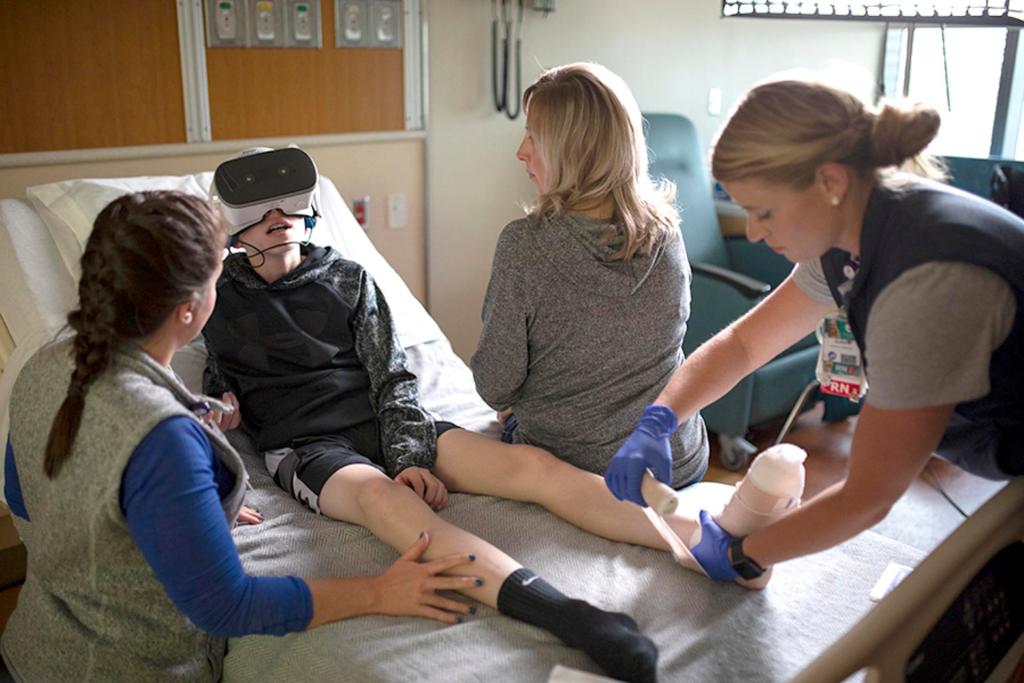
  2. Pain Management: Studies have shown that VR can be effective in pain management, particularly during procedures like IV insertions or dressing changes. The immersive nature of VR distracts the brain, reducing the perception of pain.
  3. Emotional Support: Customized VR experiences can provide emotional support, offering scenarios that help adolescents process their emotions or escape from the reality of their medical condition.

Educational and Developmental Benefits

  1. Medical Education: VR can educate adolescent patients about their medical conditions and procedures in an engaging, age-appropriate manner, fostering a better understanding of their health and treatment.
  2. Cognitive Development: Interactive VR games and activities can aid in cognitive development, keeping the young minds engaged and active during long hospital stays.
  3. Social Interaction: Multiplayer VR experiences can facilitate social interactions with peers or family, crucial for adolescents’ emotional development, especially when isolated due to hospitalization.

Physical Rehabilitation

  1. Physical Therapy: VR-based physical therapy programs can make exercises more engaging, encouraging better participation and adherence to rehabilitation protocols.
  2. Motor Skills Development: Custom VR experiences can be designed to target specific motor skills, aiding in the rehabilitation process for patients with motor impairments.

Challenges and Considerations

Despite the evident benefits, integrating VR into adolescent health care is not without challenges.

Technological and Financial Constraints

  1. Cost: High-quality VR equipment and software can be expensive, posing a financial challenge for many healthcare institutions.
  2. Technology Integration: Integrating VR technology with existing hospital systems and processes requires careful planning and execution.

Health and Safety Concerns

  1. Cybersickness: VR can cause nausea or dizziness in some users, known as cybersickness, which must be monitored.
  2. Age-Appropriate Content: Ensuring that VR content is suitable for the adolescent age group is crucial for both their safety and psychological well-being.

Training and Staffing

  1. Staff Training: Adequate training for healthcare providers is essential to effectively implement and manage VR technology in a clinical setting.
  2. Technical Support: Continuous technical support is necessary to address any issues that may arise with the VR equipment.

Current Applications and Future Potential

Case Studies

  1. Pain Management During Procedures: Hospitals have begun using VR to distract adolescent patients during painful procedures, with reported success in reducing pain perception and anxiety.
  2. Rehabilitation Programs: Some institutions have implemented VR-based rehabilitation programs, noting improvements in patient engagement and recovery outcomes.

Future Prospects

  1. Telehealth Integration: VR could be integrated with telehealth services, providing remote psychological support or rehabilitation for adolescents unable to visit hospitals.
  2. Personalized Healthcare: Advances in AI and machine learning could enable the creation of highly personalized VR experiences, tailored to individual patient needs and preferences.

Conclusion

Virtual Reality represents a transformative approach to adolescent health care in hospital settings. By addressing the unique psychological, educational, and physical needs of these patients, VR not only enhances the quality of care but also reshapes the hospital experience into a more positive and engaging journey. As technology evolves, the potential applications of VR in healthcare will continue to expand, paving the way for more innovative and effective treatments.

Stay tuned for more insights into the fascinating world of virtual reality and its impact on various sectors. Follow this blog for the latest updates and discussions on the intersection of technology and health care. Join us as we explore the future of digital transformation in medicine and beyond.

Virtual Reality: A Game-Changer in Senior Assisted Living Communities

Introduction

In an era where technological advancements are transforming every aspect of life, virtual reality (VR) stands out as a beacon of innovation, especially in the realm of senior care. Career opportunities, technological advancements and the future marketplace find the intersection of VR technology and elder care both fascinating and promising. This blog post delves into how VR is revolutionizing experiences in retirement homes and senior assisted living communities, offering a blend of benefits and challenges in these settings.

The Emergence of VR in Senior Care

Virtual reality, once a concept confined to the realms of science fiction and gaming, has now permeated various sectors, including healthcare. In senior living communities, VR technology has emerged as a powerful tool to enhance the quality of life for the elderly. But what in particular has VR done to enhance the elderly’s quality of life?

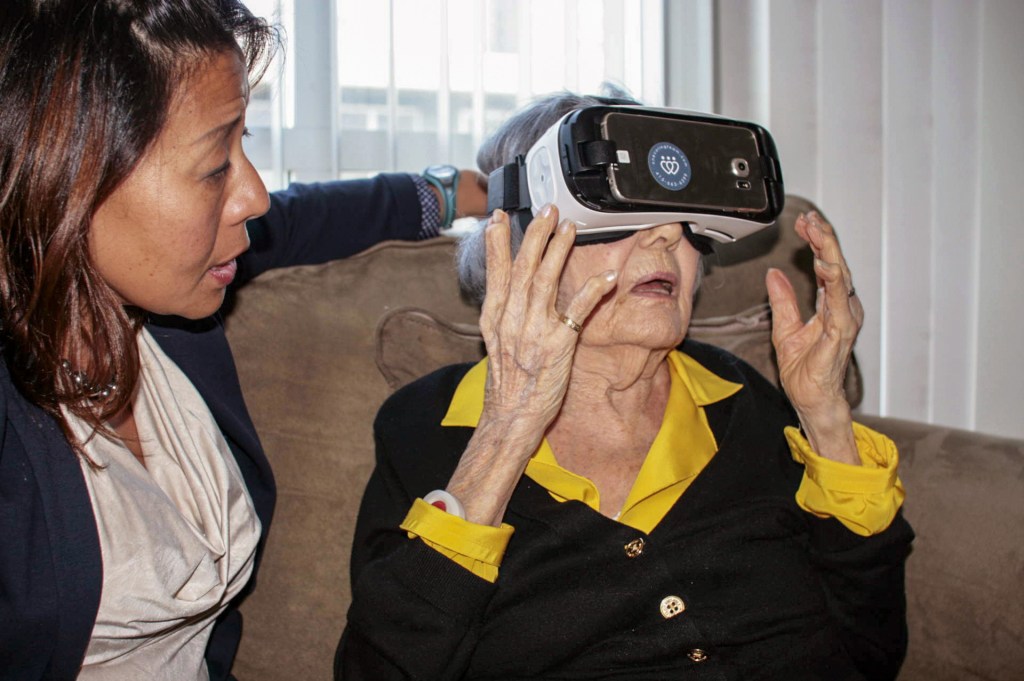
Virtual reality (VR) technology has surfaced as a transformative tool in enhancing the quality of life for the elderly, particularly in senior living communities. This technological leap transcends traditional entertainment, offering immersive experiences that cater to various aspects of elderly care. For instance, VR enables seniors to engage in virtual travel, allowing them to explore distant places or revisit cherished memories, a feature especially beneficial for those with limited physical mobility. It also plays a significant role in cognitive health, with VR applications designed to stimulate mental activity, potentially aiding in slowing the progression of cognitive disorders like Alzheimer’s. Moreover, VR provides avenues for physical wellness, with tailored virtual exercise and rehabilitation programs that are both safe and engaging, adapted to the specific health needs of older adults. These interactive experiences not only combat isolation by fostering social connections through virtual meetups but also enrich the daily lives of seniors, offering them new, diverse, and accessible ways to engage with the world around them, all from the comfort and safety of their living environments. This revolution in elderly care through VR signifies a major stride in leveraging technology to improve the overall well-being and life satisfaction of the senior population.

Benefits of VR in Elderly Care

  1. Enhanced Social Interaction: VR can mitigate the feelings of isolation often experienced by seniors. Virtual meetups and social events in a 3D environment allow residents to interact beyond the physical limitations of their surroundings.
  2. Cognitive Stimulation: Interactive VR games and experiences are being used as tools for cognitive stimulation. They help in keeping the mind active, potentially slowing the progression of cognitive decline associated with conditions like Alzheimer’s and dementia.
  3. Physical Therapy and Exercise: VR-based exercises offer a safe and controlled environment for physical therapy. Seniors can engage in low-impact exercises within a virtual space, tailored to their mobility and health conditions.
  4. Recreational Travel and Exploration: VR allows seniors to virtually visit places they’ve always wished to see, rekindle memories from past travels, or explore new worlds, all from the comfort of their living quarters.
  5. Educational Opportunities: Learning doesn’t stop at any age. VR can transport seniors to historical sites, museums, or even virtual classrooms, providing continuous learning opportunities.

Real-World Implementations

  • Memory Care: At a senior living facility in Florida, VR is used for reminiscence therapy, helping residents with dementia revisit places from their past, aiding in memory recall and emotional well-being.
  • Physical Rehabilitation: In California, a retirement community utilizes VR for balance and strength training, providing a fun and engaging way for residents to maintain their physical health.
  • Social Engagement: A community in New York has introduced VR social clubs, where residents gather to explore virtual worlds and socialize, bridging the gap caused by mobility restrictions.

Challenges and Considerations

  1. Technology Adoption: One of the primary challenges is the learning curve associated with new technologies. Familiarizing the elderly with VR headsets and navigating virtual environments can be daunting.
  2. Health Concerns: VR experiences can sometimes cause motion sickness or disorientation, particularly in older adults. It’s crucial to have VR sessions monitored by professionals.
  3. Cost and Accessibility: The cost of VR equipment and the need for ongoing content development can be significant. Ensuring equitable access to these technologies is also a concern.
  4. Privacy and Security: As with any digital tool, ensuring the privacy and security of users, especially in a vulnerable population like the elderly, is paramount.

The Future Landscape

As we progress, the integration of VR in senior living communities is expected to become more seamless and widespread. Future advancements may include more personalized and adaptive VR experiences, catering to the individual needs and preferences of each resident. The potential for VR to integrate with other emerging technologies like AI and IoT in these settings is vast, opening doors to even more innovative applications.

Conclusion

Virtual reality in senior assisted living communities is not just about technology; it’s about redefining the experience of aging. While challenges exist, the benefits VR brings to the mental, physical, and emotional well-being of seniors are undeniable. As this technology continues to evolve, we can anticipate a future where the golden years of life are enriched with endless possibilities, all within the reach of a VR headset.

Stay tuned to this blog for more insights into how emerging technologies like VR are shaping our world. For those interested in the intersection of technology and elder care, follow along as we explore the future of digital transformation in healthcare and beyond.


This blog post is an exploration of the impact of virtual reality in senior living communities. For more content on the latest in technology and digital transformation, follow our blog and join the conversation.

The Comprehensive Realm of Virtual Reality: Navigating Its Prospects and Challenges

Introduction: Unveiling the Virtual Reality (VR) Universe

Virtual Reality (VR), a term that once sounded like a fragment of science fiction, has evolved into a palpable and influential technology of the modern era. At its core, VR is an immersive digital experience that replicates an environment or simulates a presence. It integrates auditory, visual, and, in more advanced forms, haptic (touch) sensations to create a virtual world.

A Journey Through Time: The Evolution of VR

The concept of VR isn’t new; its roots can be traced back to the 1950s. Morton Heilig, often regarded as the father of virtual reality, developed the Sensorama in the 1960s, an early VR machine. However, it wasn’t until the 1980s that the term “virtual reality” was coined by Jaron Lanier, whose company, VPL Research, created some of the first VR gear—gloves and goggles.

The 1990s saw VR enter the gaming industry, albeit with limited success due to technical limitations. Fast forward to the 21st century, the advancements in computing power, graphics, and VR hardware have brought this technology to a point where it’s more accessible and realistic than ever before.

Benefits of Virtual Reality

Transformative Learning and Training Tool

VR’s ability to simulate real-world environments makes it a powerful tool for education and training. For instance, medical students can perform virtual surgeries, gaining experience without the risk. NASA uses VR to train astronauts for space missions, offering a safe yet realistic environment to learn and adapt.

Revolutionizing Entertainment and Gaming

The entertainment industry has been one of the biggest adopters of VR. From gaming to movies, VR has transformed how users engage with content, offering immersive experiences that traditional media cannot match.

Enhancing Design and Visualization

In fields like architecture and automotive design, VR allows professionals to visualize and interact with their creations in a three-dimensional space. This capability leads to more efficient design processes and a better understanding of how a project will look and feel once completed.

Expanding Accessibility

VR can offer life-changing experiences for people with disabilities. Virtual environments can be tailored to cater to various needs, providing experiences and interactions that might be challenging or impossible in the physical world.

Challenges and Disadvantages of Virtual Reality

Technical and Financial Barriers

Despite its advancements, VR technology remains expensive and often requires high-end computing resources. This factor limits its accessibility to a wider audience and impedes its integration into certain sectors.

Health Concerns

Extended use of VR can cause issues like eye strain, headaches, and motion sickness, known as VR-induced symptoms and effects (VRISE). There’s also a growing concern about the long-term impact of VR on physical and mental health, particularly in developing children.

Potential for Social Isolation

While VR offers incredible virtual interactions, there’s a risk of it leading to social isolation. Users might prefer the virtual world to real-life interactions, potentially impacting their social skills and mental health.

Data Privacy and Security

As with any digital technology, VR raises concerns regarding data privacy and security. The technology collects sensitive data about users, such as biometrics and behavioral patterns, posing risks if not managed appropriately.

VR in Today’s Marketplace: Applications and Examples

Healthcare: Virtual Therapies and Rehabilitation

VR has made significant inroads in healthcare, offering innovative solutions for therapy and rehabilitation. For example, VR-based therapies are being used to treat conditions like PTSD, anxiety disorders, and phobias.

Retail: Enhanced Shopping Experience

In retail, VR enables customers to try products virtually. For example, IKEA’s VR app allows customers to visualize furniture in their homes before making a purchase.

Real Estate: Virtual Property Tours

Real estate agencies are leveraging VR to offer virtual property tours, enabling potential buyers to explore properties remotely, saving time and resources.

Education: Interactive Learning Environments

In education, VR is being used to create interactive learning environments. It allows students to explore historical sites, dissect virtual frogs in biology classes, or even visit distant planets.

Tourism: Virtual Travel Experiences

The tourism industry is using VR to offer virtual travel experiences, allowing people to explore destinations from the comfort of their homes. This application has gained traction, especially during the travel restrictions imposed by the COVID-19 pandemic.

Conclusion: Seizing the Virtual Future

Virtual Reality stands at a pivotal point in its evolutionary timeline. Its applications, stretching from healthcare to entertainment, demonstrate its versatility and potential to reshape industries. However, the challenges it faces, from technical barriers to health concerns, remind us that this technology is still in a phase of growth and refinement.

As we navigate the ever-evolving landscape of VR, it’s crucial to stay informed and engaged with the latest developments. Whether you’re a technology enthusiast, a professional looking to integrate VR into your field, or a curious mind exploring the frontiers of digital innovation, the journey through the realm of virtual reality promises to be fascinating.

For more insights into the world of VR and to stay updated on the latest trends and applications, follow us. Our upcoming posts will delve deeper into specific VR technologies, explore case studies, and offer expert opinions. Join us in unraveling the virtual tapestry of tomorrow.

Keywords: Virtual Reality, VR Technology, Digital Innovation, VR Applications, Future of VR, VR in Education, VR in Healthcare, Virtual Experiences, VR Challenges, Immersive Technology.