

Introduction
Today we wrap-up our discussions about the domains of Quantum. While we have just touched on these continually emerging topics, we hope that each conversation left you with an urge to explore more in depth and seek additional knowledge in the space.
In the dynamic landscape of technological innovation, these three domains have continually emerged as frontiers of groundbreaking development: Quantum Computing, Physics, and Mechanics. Each field, distinct in its principles and applications, is now converging to revolutionize how we understand and interact with the world. This week’s posts have explored these domains individually, but now let’s synthesize these insights to envision a future shaped by their synergy.
An Executive Summary – Quantum Computing, Physics, and Mechanics: Unraveling the Threads
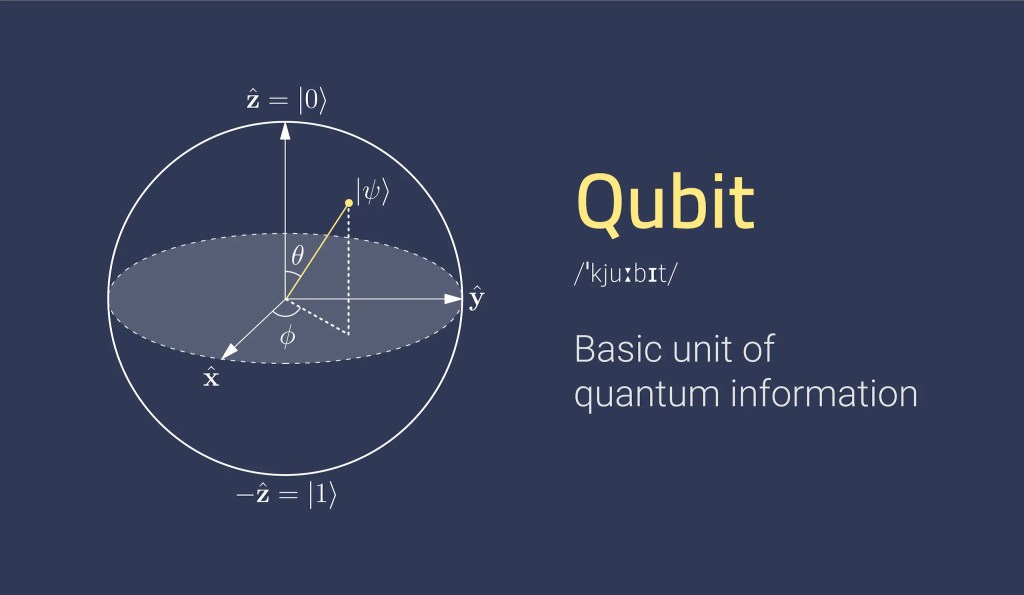
Quantum Computing is an area that leverages the principles of quantum mechanics to process information. Unlike classical computing, which uses bits as the smallest unit of data, quantum computing uses quantum bits or qubits. This allows quantum computers to handle complex calculations at unprecedented speeds.
Physics, especially Quantum Physics, explores the nature and behavior of matter and energy at the quantum level. It provides the theoretical foundation for understanding how particles and forces interact, forming the basis of quantum computing.
Mechanics, traditionally, deals with the motion of bodies under the action of forces. Quantum Mechanics, a subset of physics, extends these principles to the atomic and subatomic levels, influencing how we develop technologies that interact with the quantum realm.
The Quantum-Mechanical Engineering Space: A Nexus of Innovation
The intersection of quantum computing, physics, and mechanics opens a new field, often referred to as Quantum-Mechanical Engineering. This domain explores the application of quantum principles in designing and developing mechanical systems.
Use Cases in Public and Private Sectors
- Material Science: Organizations are leveraging quantum computing to simulate and design new materials with specific properties, leading to innovations in everything from superconductors to pharmaceuticals.
- Optimization Problems: Quantum computers excel at solving complex optimization problems, benefiting logistics companies in route planning or financial institutions in portfolio management.
- Cybersecurity: Quantum encryption techniques, rooted in quantum mechanics, offer unprecedented levels of data security, crucial for both government agencies and private corporations.
- Drug Discovery: The pharmaceutical industry is exploring quantum computing to model molecular interactions, speeding up the drug discovery process and reducing costs.
Benefits and Disadvantages
Benefits:
- Speed: Quantum computing can process complex calculations much faster than traditional computers.
- Precision: Quantum mechanics allows for more precise measurements and predictions at microscopic levels.
- Innovation: This convergence is leading to new technologies and solutions across various industries.
Disadvantages:
- Technical Complexity: Quantum technologies are complex and require specialized knowledge, limiting their accessibility.
- Scalability: Building scalable quantum systems poses significant technological challenges.
- Security Concerns: Quantum computing could potentially break current encryption methods, leading to new cybersecurity challenges.
Practical Applications in Business
Quantum teachings are gradually finding their way into everyday business challenges. For example, automotive companies are using quantum simulations to develop more efficient batteries. Financial institutions are exploring quantum algorithms for risk analysis and fraud detection. In the realm of artificial intelligence, quantum computing is set to enhance machine learning capabilities significantly.
Proactive Organizations
As we heard, organizations like IBM, Google, and various startups are investing heavily in quantum computing research. Governments around the world are also funding quantum technology initiatives, recognizing its strategic importance.
Looking Ahead: The Quantum Future
Vision for the Future
The future shaped by quantum computing, physics, and mechanics is one of immense potential. We envision a world where quantum technologies revolutionize fields from energy to medicine, bringing about efficiencies and solutions previously deemed impossible. Quantum computers will solve complex global challenges like climate change modeling and large-scale logistical problems with unprecedented precision and speed.
Anticipated Challenges
However, this promising future is not without its challenges. The foremost is the technical complexity and resource intensity required to develop quantum technologies. Maintaining quantum coherence in computers over extended periods, for instance, is a significant hurdle. Additionally, as quantum technologies advance, there will be a growing need for a workforce skilled in these specialized areas, posing an educational and training challenge.
Bridging Quantum Computing and Mechanical Engineering
In the realm of mechanical engineering, quantum technologies offer transformative potential. One can foresee quantum sensors enhancing precision in manufacturing processes or quantum simulations leading to the development of new, more efficient materials. However, integrating quantum solutions into traditional mechanical engineering fields will require a deep understanding of both quantum principles and practical engineering constraints.
Quantum Innovations in Business: A Dual-Edged Sword
As quantum technologies permeate the business world, they bring both opportunities and risks. On one hand, they offer competitive advantages through enhanced data processing capabilities and innovation in product design and material science. On the other hand, they disrupt existing business models and create new competitive landscapes, where companies slow to adapt may find themselves at a significant disadvantage.
The Road Ahead for Organizations
Progressive organizations are already exploring quantum technologies. Tech giants and startups alike are racing to develop the first truly scalable quantum computer. Meanwhile, businesses in sectors like automotive, aerospace, and pharmaceuticals are partnering with quantum experts to explore applications ranging from material design to complex system modeling.
Conclusion
The convergence of Quantum Computing, Physics, and Mechanics is not just a scientific curiosity but a beacon for future technological advancements. As we stand on the brink of this quantum era, the possibilities are as vast as the challenges. For businesses and individuals alike, understanding and leveraging this convergence will be key to staying ahead in a rapidly evolving digital landscape.
So, as we conclude this week’s exploration into quantum computing, physics, and mechanics, it’s clear that we are on the cusp of a new era in technology and business innovation. The convergence of these fields promises to unlock new capabilities and opportunities across industries. For those interested in staying at the forefront of this quantum revolution, follow this blog. Together, we’ll navigate the complexities and possibilities of the quantum realm, uncovering insights and strategies to harness its potential for business and technological advancement.

 De Lio Tech Trends