
Quantum Computing, Physics, and Mechanics: A Convergence Transforming the Future

Introduction

Today we wrap-up our discussions about the domains of Quantum. While we have just touched on these continually emerging topics, we hope that each conversation left you with an urge to explore more in depth and seek additional knowledge in the space.

In the dynamic landscape of technological innovation, these three domains have continually emerged as frontiers of groundbreaking development: Quantum Computing, Physics, and Mechanics. Each field, distinct in its principles and applications, is now converging to revolutionize how we understand and interact with the world. This week’s posts have explored these domains individually, but now let’s synthesize these insights to envision a future shaped by their synergy.

An Executive Summary – Quantum Computing, Physics, and Mechanics: Unraveling the Threads

Quantum Computing is an area that leverages the principles of quantum mechanics to process information. Unlike classical computing, which uses bits as the smallest unit of data, quantum computing uses quantum bits or qubits. This allows quantum computers to handle complex calculations at unprecedented speeds.

Physics, especially Quantum Physics, explores the nature and behavior of matter and energy at the quantum level. It provides the theoretical foundation for understanding how particles and forces interact, forming the basis of quantum computing.

Mechanics, traditionally, deals with the motion of bodies under the action of forces. Quantum Mechanics, a subset of physics, extends these principles to the atomic and subatomic levels, influencing how we develop technologies that interact with the quantum realm.

The Quantum-Mechanical Engineering Space: A Nexus of Innovation

The intersection of quantum computing, physics, and mechanics opens a new field, often referred to as Quantum-Mechanical Engineering. This domain explores the application of quantum principles in designing and developing mechanical systems.

Use Cases in Public and Private Sectors

  1. Material Science: Organizations are leveraging quantum computing to simulate and design new materials with specific properties, leading to innovations in everything from superconductors to pharmaceuticals.
  2. Optimization Problems: Quantum computers excel at solving complex optimization problems, benefiting logistics companies in route planning or financial institutions in portfolio management.
  3. Cybersecurity: Quantum encryption techniques, rooted in quantum mechanics, offer unprecedented levels of data security, crucial for both government agencies and private corporations.
  4. Drug Discovery: The pharmaceutical industry is exploring quantum computing to model molecular interactions, speeding up the drug discovery process and reducing costs.

Benefits and Disadvantages

Benefits:

  • Speed: Quantum computing can process complex calculations much faster than traditional computers.
  • Precision: Quantum mechanics allows for more precise measurements and predictions at microscopic levels.
  • Innovation: This convergence is leading to new technologies and solutions across various industries.

Disadvantages:

  • Technical Complexity: Quantum technologies are complex and require specialized knowledge, limiting their accessibility.
  • Scalability: Building scalable quantum systems poses significant technological challenges.
  • Security Concerns: Quantum computing could potentially break current encryption methods, leading to new cybersecurity challenges.

Practical Applications in Business

Quantum teachings are gradually finding their way into everyday business challenges. For example, automotive companies are using quantum simulations to develop more efficient batteries. Financial institutions are exploring quantum algorithms for risk analysis and fraud detection. In the realm of artificial intelligence, quantum computing is set to enhance machine learning capabilities significantly.

Proactive Organizations

As we heard, organizations like IBM, Google, and various startups are investing heavily in quantum computing research. Governments around the world are also funding quantum technology initiatives, recognizing its strategic importance.

Looking Ahead: The Quantum Future

Vision for the Future

The future shaped by quantum computing, physics, and mechanics is one of immense potential. We envision a world where quantum technologies revolutionize fields from energy to medicine, bringing about efficiencies and solutions previously deemed impossible. Quantum computers will solve complex global challenges like climate change modeling and large-scale logistical problems with unprecedented precision and speed.

Anticipated Challenges

However, this promising future is not without its challenges. The foremost is the technical complexity and resource intensity required to develop quantum technologies. Maintaining quantum coherence in computers over extended periods, for instance, is a significant hurdle. Additionally, as quantum technologies advance, there will be a growing need for a workforce skilled in these specialized areas, posing an educational and training challenge.

Bridging Quantum Computing and Mechanical Engineering

In the realm of mechanical engineering, quantum technologies offer transformative potential. One can foresee quantum sensors enhancing precision in manufacturing processes or quantum simulations leading to the development of new, more efficient materials. However, integrating quantum solutions into traditional mechanical engineering fields will require a deep understanding of both quantum principles and practical engineering constraints.

Quantum Innovations in Business: A Dual-Edged Sword

As quantum technologies permeate the business world, they bring both opportunities and risks. On one hand, they offer competitive advantages through enhanced data processing capabilities and innovation in product design and material science. On the other hand, they disrupt existing business models and create new competitive landscapes, where companies slow to adapt may find themselves at a significant disadvantage.

The Road Ahead for Organizations

Progressive organizations are already exploring quantum technologies. Tech giants and startups alike are racing to develop the first truly scalable quantum computer. Meanwhile, businesses in sectors like automotive, aerospace, and pharmaceuticals are partnering with quantum experts to explore applications ranging from material design to complex system modeling.

Conclusion

The convergence of Quantum Computing, Physics, and Mechanics is not just a scientific curiosity but a beacon for future technological advancements. As we stand on the brink of this quantum era, the possibilities are as vast as the challenges. For businesses and individuals alike, understanding and leveraging this convergence will be key to staying ahead in a rapidly evolving digital landscape.

So, as we conclude this week’s exploration into quantum computing, physics, and mechanics, it’s clear that we are on the cusp of a new era in technology and business innovation. The convergence of these fields promises to unlock new capabilities and opportunities across industries. For those interested in staying at the forefront of this quantum revolution, follow this blog. Together, we’ll navigate the complexities and possibilities of the quantum realm, uncovering insights and strategies to harness its potential for business and technological advancement.

Unveiling the Future: Quantum Computing, Physics, and Materials in Mechanical Engineering

Introduction

Yesterday, we introduced the topics of quantum computing and materials and today we will welcome quantum physics into the conversation and dive another level deeper. By discussing all three within the mechanical engineering space, we hope to provide a view into how all three are being leveraged by this discipline and what that future may look like.

In an era where technological advancements are not just innovations but revolutions, the fields of quantum computing, quantum physics, and quantum materials are emerging as pivotal game-changers. This blog post delves into these complex yet fascinating domains, focusing particularly on their intersection with mechanical engineering and their multifaceted applications in both public and private sectors.

Foundations of Quantum Computing and Quantum Physics

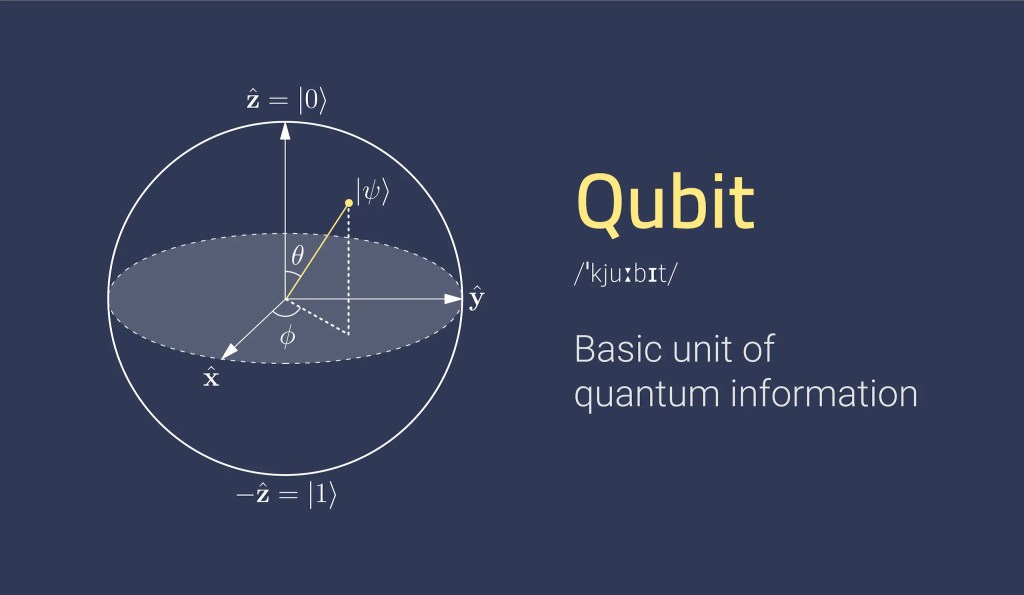
Quantum computing and quantum physics are intrinsically linked, with the former being a practical application of the principles of the latter. Quantum physics, the study of the behavior of matter and energy at the smallest scales, lays the groundwork for quantum computing. Unlike classical computing, which relies on bits (0s and 1s), quantum computing uses quantum bits or qubits. These qubits can exist in multiple states simultaneously, thanks to the principles of superposition and entanglement, which are cornerstones of quantum mechanics.

Quantum Materials: The New Frontier

Quantum materials are substances that exhibit exotic properties governed by the principles of quantum mechanics. These materials, such as topological insulators, superconductors, and graphene, show immense promise in revolutionizing various fields, including mechanical engineering.

Quantum Materials in Mechanical Engineering: Use Cases

Public Sector Applications

  1. Energy Storage and Conversion: Quantum materials like graphene are being explored for their potential in improving the efficiency of solar cells and batteries. Public institutions are investing in research to leverage these materials for sustainable and efficient energy solutions.
  2. Transportation: Superconducting materials, a subset of quantum materials, could revolutionize public transportation. Their application in magnetic levitation (maglev) trains exemplifies how they can reduce friction and energy consumption, leading to faster and more efficient transportation.

Private Sector Applications

  1. Electronics Industry: The miniaturization and enhanced performance of electronic components, crucial in today’s digital world, are achievable through quantum materials. Private companies are exploring materials like topological insulators for developing next-generation semiconductors.
  2. Aerospace and Defense: Quantum materials are critical in developing advanced materials for aerospace, where weight, strength, and thermal properties are paramount. Private aerospace firms are researching quantum materials for applications in spacecraft and aviation technology.

Advantages and Challenges

Advantages

  1. Enhanced Performance: Quantum materials offer superior properties, like high conductivity and unique magnetic characteristics, which can lead to breakthroughs in various technologies.
  2. Innovation in Various Fields: From energy to healthcare, the application of quantum materials paves the way for innovations across multiple sectors.

Challenges

  1. High Cost and Complexity: The synthesis and manipulation of quantum materials are often expensive and complex, making them currently less accessible for widespread use.
  2. Lack of Understanding: The nascent stage of quantum material research implies a limited understanding, which poses challenges in their practical application.

Quantum Materials: Real-World Business Applications

Quantum materials are not just theoretical constructs but have practical implications in addressing day-to-day business challenges. Companies like IBM and Google are investing in quantum computing, eyeing its potential to solve complex computational problems. In the energy sector, quantum materials are seen as the key to developing more efficient renewable energy systems. Meanwhile, in healthcare, their application in drug discovery and medical imaging represents a frontier of innovation.

Organizations Leading the Charge

Several organizations are proactively addressing the challenges and opportunities presented by quantum materials. Institutes like the Stewart Blusson Quantum Materials Institute (QMI) and companies such as QuantumScape and Rigetti Computing are at the forefront of this endeavor. Their focus ranges from fundamental research to the development of practical applications.

Conclusion

Quantum computing, physics, and materials represent a convergence of science and engineering that holds the promise of transformative changes across industries. As we continue to explore these realms, the potential for innovation in mechanical engineering and beyond is boundless. Stay tuned to this blog for more insights into the world of quantum materials, where the future of technology is being written today.


Engage with our ongoing exploration of quantum materials by following our posts. Discover the impact of these advanced materials in reshaping industries and driving technological progress. Don’t miss out on the journey to the forefront of innovation – follow us for the latest updates and in-depth analyses.

Quantum Computing and Quantum Materials: Revolutionizing Engineering Across Sectors

Introduction

Quantum computing represents a paradigm shift in our computational capabilities, offering unprecedented processing power and efficiency. Central to this leap is the development and utilization of quantum materials, which are fundamental to the architecture of quantum computers. In this blog post, we will explore how quantum materials are revolutionizing the engineering space, examining their applications across federal, public, and private business spheres. We will delve into the benefits and challenges of these technologies, providing real-world examples of their impact and the proactive measures organizations are taking to harness their potential.

Deeper Analysis of Quantum Materials in the Context of Quantum Computing

Quantum materials represent a groundbreaking frontier in the world of quantum computing. To set the tone for our blog post, it’s essential to delve deeper into what these materials are, their unique properties, and how they are pivotal in the advancement of quantum technology.

Understanding Quantum Materials

Quantum materials are substances whose physical and electronic properties are not just defined by their atomic composition but also by their quantum mechanical characteristics. These include phenomena like quantum entanglement, superposition, and tunneling. Examples of quantum materials include superconductors, topological insulators, and quantum dots, each offering unique properties essential for quantum computing.

Superconductors

Superconductors are materials that exhibit zero electrical resistance and the expulsion of magnetic fields at low temperatures. In quantum computing, they are used to create superconducting qubits. These qubits operate by sustaining a current in a loop of superconducting material, with the direction of the current representing the qubit’s state. This property is crucial for maintaining coherence in quantum computations.

Topological Insulators

Topological insulators are materials that act as insulators internally but support conducting states on their surface. They are robust against impurities, which makes them suitable for stable qubit operation. The stability of surface states in topological insulators is protected by quantum mechanical symmetries, making them highly desirable for error-resistant quantum computing.

Quantum Dots

Quantum dots are tiny semiconductor particles that exhibit quantum mechanical properties. They can be used to create qubit systems where the quantum dot’s state, such as electron position or spin, encodes quantum information. Quantum dots can be precisely controlled and manipulated, making them suitable for scalable quantum computing platforms.

The Role in Quantum Computing

Quantum materials are not just passive elements but active participants in the quantum computing process. Their unique properties allow for the creation and manipulation of qubits, which are the fundamental units of quantum information in a quantum computer.

Enabling Quantum Superposition and Entanglement

Quantum materials facilitate superposition (where a qubit can be in multiple states simultaneously) and entanglement (a strong correlation between qubits even when separated by large distances). These are the key features that give quantum computers their superior processing power over classical computers.

Addressing Decoherence

One of the biggest challenges in quantum computing is decoherence, where qubits lose their quantum properties due to interactions with their environment. Quantum materials, especially those with topological properties, are being explored for their potential to create more stable qubits that are less prone to decoherence.

Applications and Implications

The application of quantum materials extends beyond the realms of theoretical physics into practical, real-world scenarios:

  • Secure Communication: Quantum materials can aid in the development of quantum key distribution systems, providing an unbreakable encryption method for secure communication.
  • Advanced Sensors: The sensitivity of quantum materials to external stimuli makes them suitable for creating highly precise sensors, applicable in fields ranging from navigation to medical diagnostics.
  • Material Science: Quantum computing can simulate material behaviors at the quantum level, paving the way for the discovery of new materials with tailored properties for various industrial applications.

The Road Ahead

The exploration and development of quantum materials are pivotal in overcoming the current limitations of quantum computing. As research progresses, we expect to see more stable, scalable, and efficient quantum computers, leading to unprecedented advancements in various sectors. The journey of quantum materials from lab to real-world application is not just a scientific endeavor but a transformational shift in how we approach complex problems in computing and beyond.

By understanding the depth and potential of quantum materials, we set a solid foundation for our discussion on their impact on engineering and technology. This deeper analysis not only informs but also inspires our readers to appreciate the intricate interplay between quantum physics and practical computing applications.

Quantum Materials: The Building Blocks of Quantum Computing

Quantum materials are substances with distinct properties that enable quantum states, such as superposition and entanglement, fundamental to quantum computing. These materials, like topological insulators and superconductors, provide the necessary environment for qubits – the quantum equivalent of classical bits – to function.

Federal Perspective

In the federal domain, agencies like the U.S. Department of Energy (DOE) and the National Institute of Standards and Technology (NIST) are investing heavily in research and development of quantum materials. Their focus is not only on advancing quantum computing but also on understanding the underlying quantum phenomena for broader applications, such as secure communication networks and advanced sensing technologies.

Public and Private Business Perspective

In the business arena, quantum materials are gaining traction in industries ranging from finance to pharmaceuticals. Companies are exploring quantum computing to solve complex problems that are currently intractable for classical computers, such as optimizing supply chains, developing new materials, and speeding up drug discovery processes.

Advantages of Quantum Materials in Engineering

Enhanced Computational Power

The most significant advantage is the exponential increase in computational power. Quantum materials enable qubits to perform multiple calculations simultaneously, a feat impossible for traditional bits. This capability is crucial for solving complex optimization problems in engineering and data analysis.

Improved Efficiency and Precision

Quantum materials contribute to more efficient and precise computational processes. Their unique properties allow for faster processing speeds and greater accuracy in simulations, essential for industries like aerospace and automotive, where precision is paramount.

Innovative Applications

Quantum materials pave the way for novel applications in various sectors. For instance, in materials science, they facilitate the design of new materials with desired properties, while in cybersecurity, they offer pathways to virtually unbreakable encryption methods.

Challenges and Disadvantages

Technical Complexity

The manipulation and maintenance of quantum states in materials are incredibly complex. It requires extremely low temperatures and sophisticated technology, posing significant challenges for practical implementation.

Scalability and Stability

Building scalable and stable quantum systems using these materials is still a major hurdle. The delicate nature of quantum states makes them susceptible to external disturbances, leading to errors in computations.

High Costs

The development and deployment of quantum materials and related technologies involve substantial financial investment, making it currently inaccessible for many small and medium-sized enterprises.

Real-World Applications and Proactive Organizations

Financial Sector

JPMorgan Chase, for instance, is exploring quantum computing for risk analysis and portfolio optimization. Quantum materials could revolutionize how financial models and complex economic scenarios are processed.

Pharmaceutical Industry

In pharmaceuticals, companies like Pfizer are investigating quantum computing for drug discovery. Quantum materials could drastically reduce the time and cost of developing new treatments.

Automotive Industry

Automakers like BMW are leveraging quantum computing for material research and supply chain optimization, potentially transforming production efficiency and product quality.

Proactive Steps by Organizations

Organizations like IBM and Google are at the forefront, investing in research and infrastructure to harness quantum materials for computing. Universities and research institutions worldwide are also collaborating with industries to develop practical applications and overcome technical challenges.

Conclusion

The intersection of quantum computing and quantum materials is ushering in a new era in engineering and technology. While challenges like technical complexity, scalability, and cost remain, the potential benefits in computational power, efficiency, and innovative applications are immense. As research and development continue, we are likely to witness transformative impacts across various sectors, from finance to pharmaceuticals.

As we continue to explore the depths of quantum materials and their applications, stay tuned for future posts delving deeper into this fascinating field. Follow our blog to stay updated on the latest developments and insights into how quantum computing is reshaping our world.


This blog post is tailored for an audience with a keen interest in technology trends and business processes. The information provided aims to be both informative and thought-provoking, inviting readers to explore the evolving landscape of quantum computing and materials. For more insights on the cutting edge of technology and business, follow our blog and join the conversation.