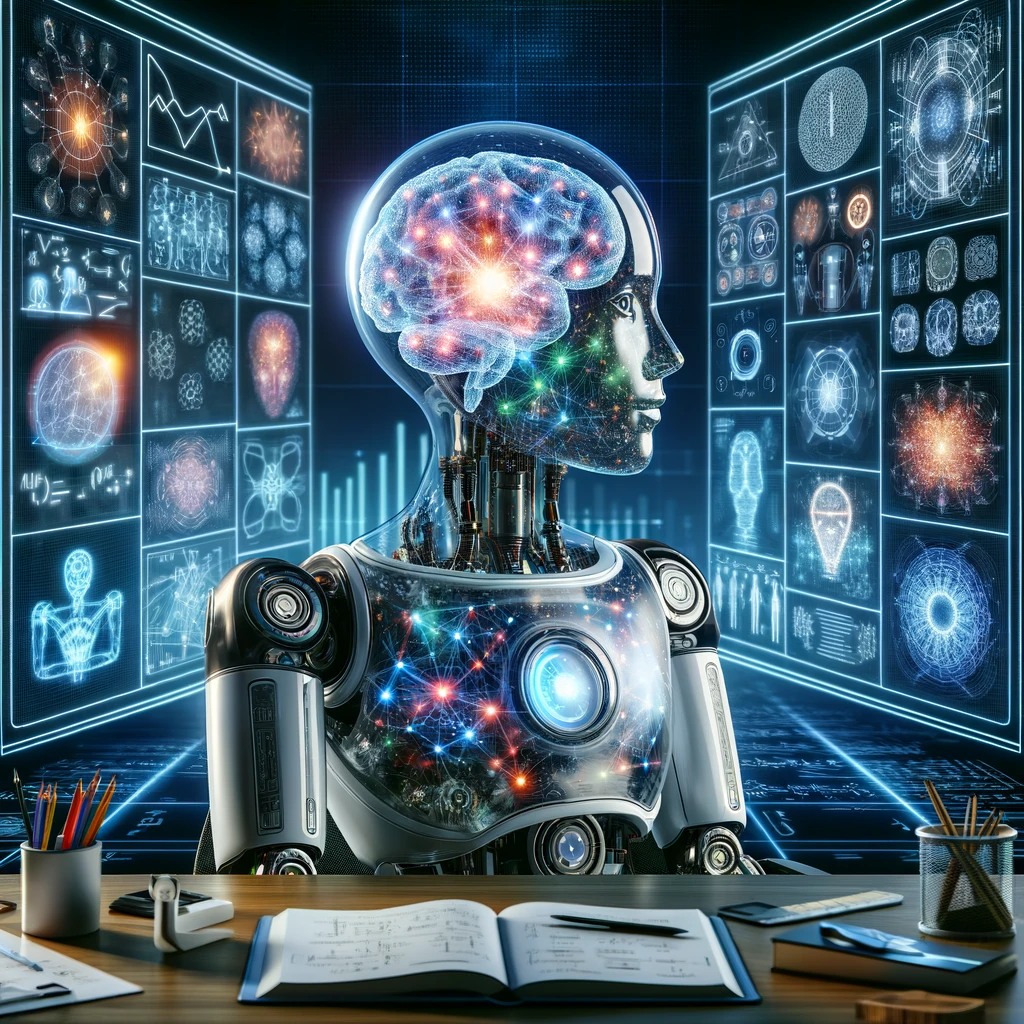
The AI Dilemma: Balancing Financial ROI, Ethical Responsibility, and Societal Impact

Introduction

In today’s digital-first world, the exponential growth of Artificial Intelligence (AI) has pushed organizations to a precipice, where decision-makers are forced to weigh the benefits against the tangible costs and ethical ramifications. Business leaders and stockholders, eager to boost financial performance, are questioning the viability of their investments in AI. Are these deployments meeting the anticipated return on investment (ROI), and are the long-term benefits worth the extensive costs? Beyond financial considerations, AI-driven solutions consume vast energy resources and require robust employee training. Companies now face a dilemma: how to advance AI capabilities responsibly without compromising ethical standards, environmental sustainability, or the well-being of future generations.

The ROI of AI: Meeting Expectations or Falling Short?

AI promises transformative efficiencies and significant competitive advantages, yet actualized ROI is highly variable. According to recent industry reports, fewer than 20% of AI initiatives fully achieve their expected ROI, primarily due to gaps in technological maturity, insufficient training, and a lack of strategic alignment with core business objectives. Stockholders who champion AI-driven projects often anticipate rapid and substantial returns. However, realizing these returns depends on multiple factors:

  1. Initial Investment in Infrastructure: Setting up AI infrastructure—from data storage and processing to high-performance computing—demands substantial capital. Additionally, costs associated with specialized hardware, such as GPUs for machine learning, can exceed initial budgets.
  2. Talent Acquisition and Training: Skilled professionals, data scientists, and AI engineers command high salaries, and training existing employees to work with AI systems represents a notable investment. Many organizations fail to account for this hidden expenditure, which directly affects their bottom line and prolongs the payback period.
  3. Integration and Scalability: AI applications must be seamlessly integrated with existing technology stacks and scaled across various business functions. Without a clear plan for integration, companies risk stalled projects and operational inefficiencies.
  4. Model Maintenance and Iteration: AI models require regular updates to stay accurate and relevant, especially as market dynamics evolve. Neglecting this phase can lead to subpar performance, misaligned insights, and ultimately, missed ROI targets.

To optimize ROI, companies need a comprehensive strategy that factors in these components. Organizations should not only measure direct financial returns but also evaluate AI’s impact on operational efficiency, customer satisfaction, and brand value. A successful AI investment is one that enhances overall business resilience and positions the organization for sustainable growth in an evolving marketplace.

Quantifying the Cost of AI Training and Upskilling

For businesses to unlock AI’s full potential, they must cultivate an AI-literate workforce. However, upskilling employees to effectively manage, interpret, and leverage AI insights is no small task. The cost of training employees spans both direct expenses (training materials, specialized courses) and indirect costs (lost productivity during training periods). Companies must quantify these expenditures rigorously to determine if the return from an AI-trained workforce justifies the initial investment.

  1. Training Costs and Curriculum Development: A customized training program that includes real-world applications can cost several thousand dollars per employee. Additionally, businesses often need to invest in ongoing education to keep up with evolving AI advancements, which can further inflate training budgets.
  2. Opportunity Costs: During training periods, employees might be less productive, and this reduction in productivity needs to be factored into the overall ROI of AI. Businesses can mitigate some of these costs by adopting a hybrid training model where employees split their time between learning and executing their core responsibilities.
  3. Knowledge Retention and Application: Ensuring that employees retain and apply what they learn is critical. Without regular application, skills can degrade, diminishing the value of the training investment. Effective training programs should therefore include a robust follow-up mechanism to reinforce learning and foster skill retention.
  4. Cross-Functional AI Literacy: While technical teams may handle the intricacies of AI model development, departments across the organization—from HR to customer support—need a foundational understanding of AI’s capabilities and limitations. This cross-functional AI literacy is vital for maximizing AI’s strategic value.

For organizations striving to become AI-empowered, training is an investment in future-proofing the workforce. Companies that succeed in upskilling their teams stand to gain a substantial competitive edge as they can harness AI for smarter decision-making, faster problem-solving, and more personalized customer experiences.

The Energy Dilemma: AI’s Growing Carbon Footprint

AI, especially large-scale models like those powering natural language processing and deep learning, consumes considerable energy. According to recent studies, training a single large language model can emit as much carbon as five cars over their entire lifespans. This stark energy cost places AI at odds with corporate sustainability goals and climate improvement expectations. Addressing this concern requires a two-pronged approach: optimizing energy usage and transitioning to greener energy sources.

  1. Optimizing Energy Consumption: AI development teams must prioritize efficiency from the onset, leveraging model compression techniques, energy-efficient hardware, and algorithmic optimization to reduce energy demands. Developing scalable models that achieve similar accuracy with fewer resources can significantly reduce emissions.
  2. Renewable Energy Investments: Many tech giants, including Google and Microsoft, are investing in renewable energy to offset the carbon footprint of their AI projects. By aligning AI energy consumption with renewable sources, businesses can minimize their environmental impact while meeting corporate social responsibility objectives.
  3. Carbon Credits and Offsetting: Some organizations are also exploring carbon offset programs as a means to counterbalance AI’s environmental cost. While not a solution in itself, carbon offsetting can be an effective bridge strategy until AI systems become more energy-efficient.

Ethical and Philosophical Considerations: Do the Ends Justify the Means?

The rapid advancement of AI brings with it pressing ethical questions. To what extent should society tolerate the potential downsides of AI for the benefits it promises? In classic ethical terms, this is a question of whether “the ends justify the means”—in other words, whether AI’s potential to improve productivity, quality of life, and economic growth outweighs the accompanying challenges.

Benefits of AI

  1. Efficiency and Innovation: AI accelerates innovation, facilitating new products and services that can improve lives and drive economic growth.
  2. Enhanced Decision-Making: With AI, businesses can make data-informed decisions faster, creating a more agile and responsive economy.
  3. Greater Inclusivity: AI has the potential to democratize access to education, healthcare, and financial services, particularly in underserved regions.

Potential Harms of AI

  1. Job Displacement: As AI automates routine tasks, the risk of job displacement looms large, posing a threat to livelihoods and economic stability for certain segments of the workforce.
  2. Privacy and Surveillance: AI’s ability to analyze and interpret vast amounts of data can lead to privacy breaches and raise ethical concerns around surveillance.
  3. Environmental Impact: The high energy demands of AI projects exacerbate climate challenges, potentially compromising sustainability efforts.

Balancing Ends and Means

For AI to reach its potential without disproportionately harming society, businesses need a principled approach that prioritizes responsible innovation. The philosophical view that “the ends justify the means” can be applied to AI advancement, but only if the means—such as ensuring equitable access to AI benefits, minimizing job displacement, and reducing environmental impact—are conscientiously addressed.

Strategic Recommendations for Responsible AI Advancement

  1. Develop an AI Governance Framework: A robust governance framework should address data privacy, ethical standards, and sustainability benchmarks. This framework can guide AI deployment in a way that aligns with societal values.
  2. Prioritize Human-Centric AI Training: By emphasizing human-AI collaboration, businesses can reduce the fear of job loss and foster a culture of continuous learning. Training programs should not only impart technical skills but also stress ethical decision-making and the responsible use of AI.
  3. Adopt Energy-Conscious AI Practices: Companies can reduce AI’s environmental impact by focusing on energy-efficient algorithms, optimizing computing resources, and investing in renewable energy sources. Setting energy efficiency as a key performance metric for AI projects can also foster sustainable innovation.
  4. Build Public-Private Partnerships: Collaboration between governments and businesses can accelerate the development of policies that promote responsible AI usage. Public-private partnerships can fund research into AI’s societal impact, creating guidelines that benefit all stakeholders.
  5. Transparent Communication with Stakeholders: Companies must be transparent about the benefits and limitations of AI, fostering a well-informed dialogue with employees, customers, and the public. This transparency builds trust, ensures accountability, and aligns AI projects with broader societal goals.

Conclusion: The Case for Responsible AI Progress

AI holds enormous potential to drive economic growth, improve operational efficiency, and enhance quality of life. However, its development must be balanced with ethical considerations and environmental responsibility. For AI advancement to truly be justified, businesses must adopt a responsible approach that minimizes societal harm and maximizes shared value. With the right governance, training, and energy practices, the ends of AI advancement can indeed justify the means—resulting in a future where AI acts as a catalyst for a prosperous, equitable, and sustainable world.

DTT on Spotify (LINK)

The Future of Dating in the World of AI: Revolutionizing Initial Interactions

Introduction:

In the ever-evolving landscape of digital transformation, artificial intelligence (AI) has emerged as a powerful catalyst for change across various sectors. One area poised for a significant transformation is the world of dating. The traditional model of meeting someone, navigating the initial awkwardness, and hoping for compatibility may soon be a thing of the past. Imagine a future where your initial interaction is not with the person directly but with an AI representation of their personality. This innovative approach could redefine the dating experience, ensuring compatibility at a foundational level before any real-life interaction takes place.

The Concept: AI-Defined Personalities

The idea centers around creating AI-defined personalities that represent individuals looking to find a suitable date. These AI personas would be crafted based on a comprehensive analysis of the individuals’ interests, beliefs, preferences, and behavioral patterns. Here’s how this could work:

  1. Data Collection: Users provide extensive information about themselves, including their hobbies, values, career goals, and more. This data can be gathered through detailed questionnaires, social media activity analysis, and even psychometric tests.
  2. AI Persona Creation: Using advanced machine learning algorithms, an AI persona is created for each user. This persona is an accurate representation of the individual’s personality, capable of mimicking their communication style and decision-making processes.
  3. AI-AI Interaction: Before any human-to-human interaction, the AI personas engage with each other. These interactions can take place over several simulated “dates,” where the AI entities discuss topics of interest, share experiences, and even debate on differing views.
  4. Compatibility Analysis: The interactions are analyzed to assess compatibility. This includes evaluating conversational flow, mutual interests, value alignment, and emotional resonance. The AI can provide a detailed report on the likelihood of a successful relationship.

Deep Dive: Matching AI-Defined Personas and Ensuring Better-than-Average Compatibility

To understand how AI-defined personas can effectively match potential candidates and ensure higher compatibility, we need to explore the processes, technologies, and methodologies involved. Here’s a detailed examination of the steps and elements required to achieve this goal.

Step 1: Comprehensive Data Collection

The foundation of accurate AI-defined personas lies in comprehensive data collection. To build detailed and precise AI representations, the following types of data are required:

A. User-Provided Information

  1. Personality Traits: Collected through psychometric assessments such as the Big Five personality test.
  2. Values and Beliefs: Surveys and questionnaires that explore core values, religious beliefs, political views, and ethical stances.
  3. Interests and Hobbies: Lists and descriptions of hobbies, pastimes, favorite activities, and cultural preferences (e.g., favorite books, movies, music).
  4. Relationship Goals: Information about what users are looking for in a relationship (e.g., long-term commitment, casual dating, marriage).

B. Behavioral Data

  1. Social Media Analysis: Insights derived from users’ social media profiles, including likes, posts, and interactions.
  2. Communication Style: Analysis of how users communicate through text messages, emails, and social media interactions.
  3. Past Relationship Data: Patterns and outcomes from previous relationships (if users consent to share this information).

Step 2: AI Persona Development

Once the data is collected, it is processed using advanced AI and machine learning techniques to develop AI-defined personas. The process includes:

A. Machine Learning Algorithms

  1. Natural Language Processing (NLP): To understand and mimic the user’s communication style, preferences, and emotional tone.
  2. Clustering Algorithms: To group similar personality traits, interests, and values, helping in identifying potential matches.
  3. Recommendation Systems: Algorithms similar to those used by platforms like Netflix or Amazon to suggest compatible candidates based on user profiles.

B. Personality Modeling

  1. Personality Frameworks: Utilizing established frameworks like the Big Five, Myers-Briggs Type Indicator (MBTI), and others to model complex personality traits.
  2. Behavioral Patterns: Incorporating users’ typical behaviors and reactions to different scenarios to ensure the AI persona accurately represents the user.

Step 3: AI-AI Interaction Simulation

With AI personas ready, the next step is to simulate interactions between potential matches. This involves:

A. Virtual Date Scenarios

  1. Conversation Simulation: AI personas engage in simulated conversations on various topics, from daily activities to deeper philosophical discussions.
  2. Emotional Responses: The AI mimics human-like emotional responses to gauge compatibility in terms of empathy, humor, and emotional intelligence.
  3. Scenario-Based Interactions: AI personas navigate different scenarios, such as handling disagreements, planning activities, and discussing future plans, to test real-world compatibility.

B. Interaction Analysis

  1. Sentiment Analysis: Evaluating the emotional tone and sentiment of conversations to assess positivity, engagement, and potential conflict areas.
  2. Compatibility Scoring: Algorithms analyze the interaction data to generate a compatibility score, highlighting strengths and potential challenges in the match.
  3. Behavioral Alignment: Assessing how well the AI personas’ behaviors align, including decision-making processes, conflict resolution styles, and communication effectiveness.

Step 4: Feedback Loop and Continuous Improvement

To ensure a better-than-average compatibility, the system incorporates continuous learning and feedback mechanisms:

A. User Feedback

  1. Post-Date Surveys: Collecting feedback from users after real-life dates to understand their experiences and refine the AI personas.
  2. Iterative Updates: Regular updates to AI personas based on user feedback and new data, ensuring they remain accurate and representative.

B. Algorithm Refinement

  1. Machine Learning Updates: Continuous training of machine learning models with new data to improve accuracy and prediction capabilities.
  2. Bias Mitigation: Implementing strategies to identify and reduce algorithmic biases, ensuring fair and diverse matching.

Step 5: Ensuring Better-than-Average Compatibility

To achieve better-than-average compatibility, the system leverages several advanced techniques:

A. Multi-Faceted Compatibility Assessment

  1. Multi-Dimensional Matching: Evaluating compatibility across multiple dimensions, including personality, values, interests, and emotional intelligence.
  2. Weighted Scoring: Applying different weights to various compatibility factors based on user priorities (e.g., higher weight on shared values for some users).

B. Real-Time Adaptation

  1. Dynamic Adjustments: Adapting AI personas and matching algorithms in real-time based on ongoing interactions and feedback.
  2. Personalized Recommendations: Providing personalized dating advice and recommendations to users based on their AI persona’s insights.

Practical Example of Execution

Imagine a user named Sarah, who is an adventurous, environmentally conscious individual passionate about sustainable living and outdoor activities. Sarah joins the AI-driven dating platform and provides detailed information about her interests, values, and relationship goals.

1. AI Persona Creation

Sarah’s data is processed to create an AI persona that reflects her adventurous spirit, eco-friendly values, and communication style.

2. Interaction Simulation

Sarah’s AI persona engages in simulated dates with AI personas of potential matches. For example, it has a conversation with Tom’s AI persona, discussing topics like hiking, renewable energy, and sustainable living.

3. Compatibility Analysis

The AI analyzes the interaction, noting that both Sarah and Tom share a strong passion for the environment and enjoy outdoor activities. Their conversation flows smoothly, and they display mutual respect and enthusiasm.

4. Real-Life Interaction

Based on the positive compatibility report, Sarah and Tom decide to meet in person. Armed with insights from the AI interactions, they feel more confident and prepared, leading to a relaxed and enjoyable first date.

Execution: A Step-by-Step Approach

1. Initial User Onboarding

Users would start by creating their profiles on a dating platform integrated with AI technology. This involves answering in-depth questionnaires designed to uncover their personality traits, values, and preferences. Additionally, users might link their social media accounts for a more comprehensive data set.

2. AI Persona Development

The collected data is processed through machine learning algorithms to develop an AI persona. This persona not only mirrors the user’s interests and beliefs but also learns to communicate and respond as the user would in various scenarios.

3. Simulated Interactions

The platform arranges several simulated interactions between the AI personas of potential matches. These interactions could cover a range of topics, from personal interests and career aspirations to political views and lifestyle choices. The AI personas engage in meaningful conversations, effectively “testing the waters” for the real individuals they represent.

4. Compatibility Reporting

After a series of interactions, the AI system generates a detailed compatibility report. This report includes insights into conversational chemistry, shared interests, potential areas of conflict, and overall compatibility scores. Based on this analysis, users receive recommendations on whether to proceed with a real-life interaction.

5. Human-to-Human Interaction

If the AI analysis indicates a high level of compatibility, users are encouraged to arrange a real-life date. Armed with insights from the AI interactions, they can approach the first meeting with a sense of confidence and familiarity, significantly reducing the awkwardness traditionally associated with first dates.

Potential Success and Benefits

1. Enhanced Compatibility

One of the most significant benefits of this approach is the likelihood of enhanced compatibility. By pre-screening matches through AI interactions, users can be confident that their potential partners share similar values, interests, and goals. This foundational alignment increases the chances of a successful and fulfilling relationship.

2. Reduced Awkwardness

The initial stages of dating often involve overcoming awkwardness and uncertainty. AI-defined personas can help mitigate these challenges by allowing users to gain a better understanding of each other before meeting in person. This familiarity can lead to more relaxed and enjoyable first dates.

3. Efficient Use of Time

In a world where time is a precious commodity, this AI-driven approach streamlines the dating process. Users can avoid wasting time on incompatible matches and focus their efforts on relationships with a higher probability of success.

4. Data-Driven Insights

The compatibility reports generated by AI provide valuable insights that can inform users’ dating decisions. These data-driven recommendations can guide users towards more meaningful connections and help them navigate potential pitfalls in their relationships.

Challenges and Considerations

While the future of AI in dating holds immense promise, it is essential to consider potential challenges:

  • Privacy Concerns: Users may have concerns about sharing personal data and trusting AI systems with sensitive information. Ensuring robust data security and transparent practices will be crucial.
  • Emotional Nuances: While AI can analyze compatibility based on data, capturing the full spectrum of human emotions and subtleties remains a challenge. The initial interactions facilitated by AI should be seen as a starting point rather than a definitive assessment.
  • Algorithmic Bias: AI systems are only as good as the data they are trained on. Ensuring diversity and minimizing bias in the algorithms will be essential to provide fair and accurate matchmaking.

Conclusion

The integration of AI into the dating world represents a transformative shift in how people find and connect with potential partners. Enhanced compatibility, reduced awkwardness, and efficient use of time are just a few of the potential benefits. By leveraging comprehensive data collection, advanced AI modeling, and simulated interactions, this approach ensures a better-than-average compatibility, making the dating process more efficient, enjoyable, and successful. As AI technology continues to advance, the possibilities for enhancing human relationships and connections are boundless, heralding a new era in the world of dating. As technology continues to evolve, the future of dating will undoubtedly be shaped by innovative AI solutions, paving the way for more meaningful and fulfilling relationships.

Understanding Artificial General Intelligence: A Deep Dive into AGI and the Path to Achieving It

Introduction to AGI

This week we heard that Meta Boss (Mark Zuckerberg) was all-in on AGI, while some are terrified by the concept and others simply intrigued, does the average technology enthusiast fully appreciate what this means? As part of our vision to bring readers up-to-speed on the latest technology trends, we thought a post about this topic is warranted. Artificial General Intelligence (AGI), also known as ‘strong AI,’ represents the theoretical form of artificial intelligence that can understand, learn, and apply its intelligence broadly and flexibly, akin to human intelligence. Unlike Narrow AI, which is designed to perform specific tasks (like language translation or image recognition), AGI can tackle a wide range of tasks and solve them with human-like adaptability. 

Artificial General Intelligence (AGI) represents a paradigm shift in the realm of artificial intelligence. It’s a concept that extends beyond the current applications of AI, promising a future where machines can understand, learn, and apply their intelligence in an all-encompassing manner. To fully grasp the essence of AGI, it’s crucial to delve into its foundational concepts, distinguishing it from existing AI forms, and exploring its potential capabilities.

Defining AGI

At its core, AGI is the theoretical development of machine intelligence that mirrors the multi-faceted and adaptable nature of human intellect. Unlike narrow or weak AI, which is designed for specific tasks such as playing chess, translating languages, or recommending products online, AGI is envisioned to be a universal intelligence system. This means it could excel in a vast array of activities – from composing music to making scientific breakthroughs, all while adapting its approach based on the context and environment. The realization of AGI could lead to unprecedented advancements in various fields. It could revolutionize healthcare by providing personalized medicine, accelerate scientific discoveries, enhance educational methods, and even aid in solving complex global challenges such as climate change and resource management.

Key Characteristics of AGI

Adaptability:

AGI can transfer learning and adapt to new and diverse tasks without needing reprogramming.

Requirement: Dynamic Learning Systems

For AGI to adapt to a variety of tasks, it requires dynamic learning systems that can adjust and respond to changing environments and objectives. This involves creating algorithms capable of unsupervised learning and self-modification.

Development Approach:
  • Reinforcement Learning: AGI models could be trained using advanced reinforcement learning, where the system learns through trial and error, adapting its strategies based on feedback.
  • Continuous Learning: Developing models that continuously learn and evolve without forgetting previous knowledge (avoiding the problem of catastrophic forgetting).

Understanding and Reasoning:

AGI would be capable of comprehending complex concepts and reasoning through problems like a human.

Requirement: Advanced Cognitive Capabilities

AGI must possess cognitive capabilities that allow for deep understanding and logical reasoning. This involves the integration of knowledge representation and natural language processing at a much more advanced level than current AI.

Development Approach:
  • Symbolic AI: Incorporating symbolic reasoning, where the system can understand and manipulate symbols rather than just processing numerical data.
  • Hybrid Models: Combining connectionist approaches (like neural networks) with symbolic AI to enable both intuitive and logical reasoning.

Autonomous Learning:

Unlike current AI, which often requires large datasets for training, AGI would be capable of learning from limited data, much like humans do.

Requirement: Minimized Human Intervention

For AGI to learn autonomously, it must do so with minimal human intervention. This means developing algorithms that can learn from smaller datasets and generate their hypotheses and experiments.

Development Approach:
  • Meta-learning: Creating systems that can learn how to learn, allowing them to acquire new skills or adapt to new environments rapidly.
  • Self-supervised Learning: Implementing learning paradigms where the system generates its labels or learning criteria based on the intrinsic structure of the data.

Generalization and Transfer Learning:

The ability to apply knowledge gained in one domain to another seamlessly.

Requirement: Cross-Domain Intelligence

AGI must be capable of transferring knowledge and skills across various domains, a significant step beyond the capabilities of current machine learning models.

Development Approach:
  • Broad Data Exposure: Exposing the model to a wide range of data across different domains.
  • Cross-Domain Architectures: Designing neural network architectures that can identify and apply abstract patterns and principles across different fields.

Emotional and Social Intelligence:

A futuristic aspect of AGI is to understand and interpret human emotions and social cues, allowing for more natural interactions.

Requirement: Human-Like Interaction Capabilities

Developing AGI with emotional and social intelligence requires an understanding of human emotions, social contexts, and the ability to interpret these in a meaningful way.

Development Approach:
  • Emotion AI: Integrating affective computing techniques to recognize and respond to human emotions.
  • Social Simulation: Training models in simulated social environments to understand and react to complex social dynamics.

AGI vs. Narrow AI

To appreciate AGI, it’s essential to understand its contrast with Narrow AI:

  • Narrow AI: Highly specialized in particular tasks, operates within a pre-defined range, and lacks the ability to perform beyond its programming.
  • AGI: Not restricted to specific tasks, mimics human cognitive abilities, and can generalize its intelligence across a wide range of domains.

Artificial General Intelligence (AGI) and Narrow AI represent fundamentally different paradigms within the field of artificial intelligence. Narrow AI, also known as “weak AI,” is specialized and task-specific, designed to handle particular tasks such as image recognition, language translation, or playing chess. It operates within a predefined scope and lacks the ability to perform outside its specific domain. In contrast, AGI, or “strong AI,” is a theoretical form of AI that embodies the ability to understand, learn, and apply intelligence in a broad, versatile manner akin to human cognition. Unlike Narrow AI, AGI is not limited to singular or specific tasks; it possesses the capability to reason, generalize across different domains, learn autonomously, and adapt to new and unforeseen challenges. This adaptability allows AGI to perform a vast array of tasks, from artistic creation to scientific problem-solving, without needing specialized programming for each new task. While Narrow AI excels in its domain with high efficiency, AGI aims to replicate the general-purpose, flexible nature of human intelligence, making it a more universal and adaptable form of AI.

The Philosophical and Technical Challenges

AGI is not just a technical endeavor but also a philosophical one. It raises questions about the nature of consciousness, intelligence, and the ethical implications of creating machines that could potentially match or surpass human intellect. From a technical standpoint, developing AGI involves creating systems that can integrate diverse forms of knowledge and learning strategies, a challenge that is currently beyond the scope of existing AI technologies. 

The pursuit of Artificial General Intelligence (AGI) is fraught with both philosophical and technical challenges that present a complex tapestry of inquiry and development. Philosophically, AGI raises profound questions about the nature of consciousness, the ethics of creating potentially sentient beings, and the implications of machines that could surpass human intelligence. This leads to debates around moral agency, the rights of AI entities, and the potential societal impacts of AGI, including issues of privacy, security, and the displacement of jobs. From a technical standpoint, current challenges revolve around developing algorithms capable of generalized understanding and reasoning, far beyond the specialized capabilities of narrow AI. This includes creating models that can engage in abstract thinking, transfer learning across various domains, and exhibit adaptability akin to human cognition. The integration of emotional and social intelligence into AGI systems, crucial for nuanced human-AI interactions, remains an area of ongoing research.

Looking to the near future, we can expect these challenges to deepen as advancements in machine learning, neuroscience, and cognitive psychology converge. As we edge closer to achieving AGI, new challenges will likely emerge, particularly in ensuring the ethical alignment of AGI systems with human values and societal norms, and managing the potential existential risks associated with highly advanced AI. This dynamic landscape makes AGI not just a technical endeavor, but also a profound philosophical and ethical journey into the future of intelligence and consciousness.

The Conceptual Framework of AGI

AGI is not just a step up from current AI systems but a fundamental leap. It involves the development of machines that possess the ability to understand, reason, plan, communicate, and perceive, across a wide variety of domains. This means an AGI system could perform well in scientific research, social interactions, and artistic endeavors, all while adapting to new and unforeseen challenges.

The Journey to Achieving AGI

The journey to achieving Artificial General Intelligence (AGI) is a multifaceted quest that intertwines advancements in methodology, technology, and psychology.

Methodologically, it involves pushing the frontiers of machine learning and AI research to develop algorithms capable of generalized intelligence, far surpassing today’s task-specific models. This includes exploring new paradigms in deep learning, reinforcement learning, and the integration of symbolic and connectionist approaches to emulate human-like reasoning and learning.

Technologically, AGI demands significant breakthroughs in computational power and efficiency, as well as in the development of sophisticated neural networks and data processing capabilities. It also requires innovations in robotics and sensor technology for AGI systems to interact effectively with the physical world.

From a psychological perspective, understanding and replicating the nuances of human cognition is crucial. Insights from cognitive psychology and neuroscience are essential to model the complexity of human thought processes, including consciousness, emotion, and social interaction. Achieving AGI requires a harmonious convergence of these diverse fields, each contributing unique insights and tools to build systems that can truly mimic the breadth and depth of human intelligence. As such, the path to AGI is not just a technical endeavor, but a deep interdisciplinary collaboration that seeks to bridge the gap between artificial and natural intelligence.

The road to AGI is complex and multi-faceted, involving advancements in various fields. Here’s a further breakdown of the key areas:

Methodology: Interdisciplinary Approach

  • Machine Learning and Deep Learning: The backbone of most AI systems, these methodologies need to evolve to enable more generalized learning.
  • Cognitive Modeling: Building systems that mimic human thought processes.
  • Systems Theory: Understanding how to build complex, integrated systems.

Technology: Building Blocks for AGI

  • Computational Power: AGI will require significantly more computational resources than current AI systems.
  • Neural Networks and Algorithms: Development of more sophisticated and efficient neural networks.
  • Robotics and Sensors: For AGI to interact with the physical world, advancements in robotics and sensory technology are crucial.

Psychology: Understanding the Human Mind

  • Cognitive Psychology: Insights into human learning, perception, and decision-making can guide the development of AGI.
  • Neuroscience: Understanding the human brain at a detailed level could provide blueprints for AGI architectures.

Ethical and Societal Considerations

AGI raises profound ethical and societal questions. Ensuring the alignment of AGI with human values, addressing the potential impact on employment, and managing the risks of advanced AI are critical areas of focus. The ethical and societal considerations surrounding the development of Artificial General Intelligence (AGI) are profound and multifaceted, encompassing a wide array of concerns and implications.

Ethically, the creation of AGI poses questions about the moral status of such entities, the responsibilities of creators, and the potential for AGI to make decisions that profoundly affect human lives. Issues such as bias, privacy, security, and the potential misuse of AGI for harmful purposes are paramount.

Societally, the advent of AGI could lead to significant shifts in employment, with automation extending to roles traditionally requiring human intelligence, thus necessitating a rethinking of job structures and economic models.

Additionally, the potential for AGI to exacerbate existing inequalities or to be leveraged in ways that undermine democratic processes is a pressing concern. There is also the existential question of how humanity will coexist with beings that might surpass our own cognitive capabilities. Hence, the development of AGI is not just a technological pursuit, but a societal and ethical undertaking that calls for comprehensive dialogue, inclusive policy-making, and rigorous ethical guidelines to ensure that AGI is developed and implemented in a manner that benefits humanity and respects our collective values and rights.

Which is More Crucial: Methodology, Technology, or Psychology?

The development of AGI is not a question of prioritizing one aspect over the other; instead, it requires a harmonious blend of all three. This topic will require additional conversation and discovery, there will be polarization towards each principle, but in the long-term all three will need to be considered if AI ethics is intended to be prioritized.

  • Methodology: Provides the theoretical foundation and algorithms.
  • Technology: Offers the practical tools and computational power.
  • Psychology: Delivers insights into human-like cognition and learning.

The Interconnected Nature of AGI Development

AGI development is inherently interdisciplinary. Advancements in one area can catalyze progress in another. For instance, a breakthrough in neural network design (methodology) could be limited by computational constraints (technology) or may lack the nuanced understanding of human cognition (psychology). 

The development of Artificial General Intelligence (AGI) is inherently interconnected, requiring a synergistic integration of diverse disciplines and technologies. This interconnected nature signifies that advancements in one area can significantly impact and catalyze progress in others. For instance, breakthroughs in computational neuroscience can inform more sophisticated AI algorithms, while advances in machine learning methodologies can lead to more effective simulations of human cognitive processes. Similarly, technological enhancements in computing power and data storage are critical for handling the complex and voluminous data required for AGI systems. Moreover, insights from psychology and cognitive sciences are indispensable for embedding human-like reasoning, learning, and emotional intelligence into AGI.

This multidisciplinary approach also extends to ethics and policy-making, ensuring that the development of AGI aligns with societal values and ethical standards. Therefore, AGI development is not a linear process confined to a single domain but a dynamic, integrative journey that encompasses science, technology, humanities, and ethics, each domain interplaying and advancing in concert to achieve the overarching goal of creating an artificial intelligence that mirrors the depth and versatility of human intellect.

Conclusion: The Road Ahead

Artificial General Intelligence (AGI) stands at the frontier of our technological and intellectual pursuits, representing a future where machines not only complement but also amplify human intelligence across diverse domains.

AGI transcends the capabilities of narrow AI, promising a paradigm shift towards machines that can think, learn, and adapt with a versatility akin to human cognition. The journey to AGI is a confluence of advances in computational methods, technological innovations, and deep psychological insights, all harmonized by ethical and societal considerations. This multifaceted endeavor is not just the responsibility of AI researchers and developers; it invites participation and contribution from a wide spectrum of disciplines and perspectives.

Whether you are a technologist, psychologist, ethicist, policymaker, or simply an enthusiast intrigued by the potential of AGI, your insights and contributions are valuable in shaping a future where AGI enhances our world responsibly and ethically. As we stand on the brink of this exciting frontier, we encourage you to delve deeper into the world of AGI, expand your knowledge, engage in critical discussions, and become an active participant in a community that is not just witnessing but also shaping one of the most significant technological advancements of our time.

The path to AGI is as much about the collective journey as it is about the destination, and your voice and contributions are vital in steering this journey towards a future that benefits all of humanity.

Unveiling the Power of SuperPrompts in AI: A Confluence of Psychology and Technology

Introduction: Understanding Prompt Engineering in AI

In the rapidly evolving world of artificial intelligence (AI), prompt engineering has emerged as a key tool for interacting with and guiding the behavior of large language models (LLMs) like GPT-4. At its core, prompt engineering is the art and science of crafting inputs that effectively communicate a user’s intent to an AI model. These inputs, or prompts, are designed to optimize the AI’s response in terms of relevance, accuracy, and utility. As AI systems become more advanced and widely used, mastering prompt engineering has become crucial for leveraging AI’s full potential.

The Intersection of Psychology and AI

It’s not all about just entering a question, crossing your fingers and hoping for a good response. The integration of well-established psychological principles with the operational dynamics of Large Language Models (LLMs) in the context of SuperPrompt execution is a sophisticated approach. This methodology leverages the deep understanding of human cognition and behavior from psychology to enhance the effectiveness of prompts for LLMs, making them more nuanced and human-centric. Let’s delve into how this can be conceptualized and applied:

Understanding Human Cognition and AI Processing:

  • Cognitive Load Theory: In psychology, cognitive load refers to the amount of mental effort being used in the working memory. SuperPrompts can be designed to minimize cognitive load for LLMs by breaking complex tasks into simpler, more manageable components.
  • Schema Theory: Schemas are cognitive structures that help us organize and interpret information. SuperPrompts can leverage schema theory by structuring information in a way that aligns with the LLM’s ‘schemas’ (data patterns and associations it has learned during training).

Enhancing Clarity and Context:

  • Gestalt Principles: These principles, like similarity and proximity, are used in psychology to explain how humans perceive and group information. In SuperPrompts, these principles can be applied to structure information in a way that’s inherently more understandable for LLMs.
  • Contextual Priming: Priming in psychology involves activating particular representations or associations in memory. With LLMs, SuperPrompts can use priming by providing context or examples that ‘set the stage’ for the type of response desired.

Emotional and Behavioral Considerations:

  • Emotional Intelligence Concepts: Understanding and managing emotions is crucial in human interactions. Although LLMs don’t have emotions, SuperPrompts can incorporate emotional intelligence principles to better interpret and respond to prompts that contain emotional content or require empathy.
  • Behavioral Economics Insights: This involves understanding the psychological, cognitive, emotional, cultural, and social factors that affect decision-making. SuperPrompts can integrate these insights to predict and influence user responses or decisions based on the AI’s output.

Feedback and Iterative Learning:

  • Formative Assessment: In education, this involves feedback used to adapt teaching to meet student needs. Similarly, SuperPrompts can be designed to include mechanisms for feedback and adjustment, allowing the LLM to refine its responses based on user interaction.

Example of a SuperPrompt Incorporating Psychological Principles:

  • “Develop a customer engagement strategy focusing on users aged 25-35. Use principles of cognitive load and gestalt theory to ensure the information is easily digestible and engaging. Consider emotional intelligence factors in tailoring content that resonates emotionally with this demographic. Use behavioral economics insights to craft messages that effectively influence user decisions. Provide a step-by-step plan with examples and potential user feedback loops for continuous improvement.”

The Emergence of SuperPrompts

Moving beyond basic prompt engineering, we encounter the concept of SuperPrompts. SuperPrompts are highly refined prompts, meticulously crafted to elicit sophisticated and specific responses from AI models. They are particularly valuable in complex scenarios where standard prompts might fall short.

Characteristics of SuperPrompts:

  1. Specificity and Detail: SuperPrompts are characterized by their detail-oriented nature, clearly outlining the desired information or response format.
  2. Contextual Richness: They provide a comprehensive context, leading to more relevant and precise AI outputs.
  3. Instructional Clarity: These prompts are articulated to minimize ambiguity, guiding the AI towards the intended interpretation.
  4. Alignment with AI Comprehension: They are structured to resonate with the AI’s processing capabilities, ensuring efficient comprehension and response generation.

Examples of SuperPrompts in Action:

  1. Data-Driven Business Analysis:
    • “Examine the attached dataset reflecting Q2 2024 sales figures. Identify trends in consumer behavior, compare them with Q2 2023, and suggest data-driven strategies for market expansion.”
  2. Creative Marketing Strategies:
    • “Develop a marketing plan targeting tech-savvy millennials. Focus on digital platforms, leveraging AI in customer engagement. Include a catchy campaign slogan and an innovative approach to social media interaction.”

Integrating Psychological Principles with LLMs through SuperPrompts

The most groundbreaking aspect of SuperPrompts is their integration of psychological principles with the operational dynamics of LLMs. This methodology draws on human cognition and behavior theories to enhance the effectiveness of prompts.

Key Psychological Concepts Applied:

  1. Cognitive Load and Schema Theory: These concepts help in structuring information in a way that’s easily processable by AI, akin to how humans organize information in their minds.
  2. Gestalt Principles and Contextual Priming: These principles are used to format information for better comprehension by AI, similar to how humans perceive and group data.

Practical Applications:

  1. Emotionally Intelligent Customer Service Responses:
    • “Craft a response to a customer complaint about a delayed shipment. Use empathetic language and offer a practical solution, demonstrating understanding and care.”
  2. Behavioral Economics in User Experience Design:
    • “Suggest improvements for an e-commerce website, applying principles of behavioral economics. Focus on enhancing user engagement and simplifying the purchasing process.”

Conclusion: The Future of AI Interactions

The integration of psychological principles with the operational dynamics of LLMs in SuperPrompt execution represents a significant leap in AI interactions. This approach not only maximizes the technical efficiency of AI models but also aligns their outputs with human cognitive and emotional processes. As we continue to explore the vast potential of AI in areas like customer experience and digital transformation, the role of SuperPrompts, enriched with psychological insights, will be pivotal in creating more intuitive, human-centric AI solutions.

This methodology heralds a new era in AI interactions, where technology meets psychology, leading to more sophisticated, empathetic, and effective AI applications in various sectors, including strategic management consulting and digital transformation.