Today we wrap-up our discussions about the domains of Quantum. While we have just touched on these continually emerging topics, we hope that each conversation left you with an urge to explore more in depth and seek additional knowledge in the space.
In the dynamic landscape of technological innovation, these three domains have continually emerged as frontiers of groundbreaking development: Quantum Computing, Physics, and Mechanics. Each field, distinct in its principles and applications, is now converging to revolutionize how we understand and interact with the world. This week’s posts have explored these domains individually, but now let’s synthesize these insights to envision a future shaped by their synergy.
An Executive Summary – Quantum Computing, Physics, and Mechanics: Unraveling the Threads
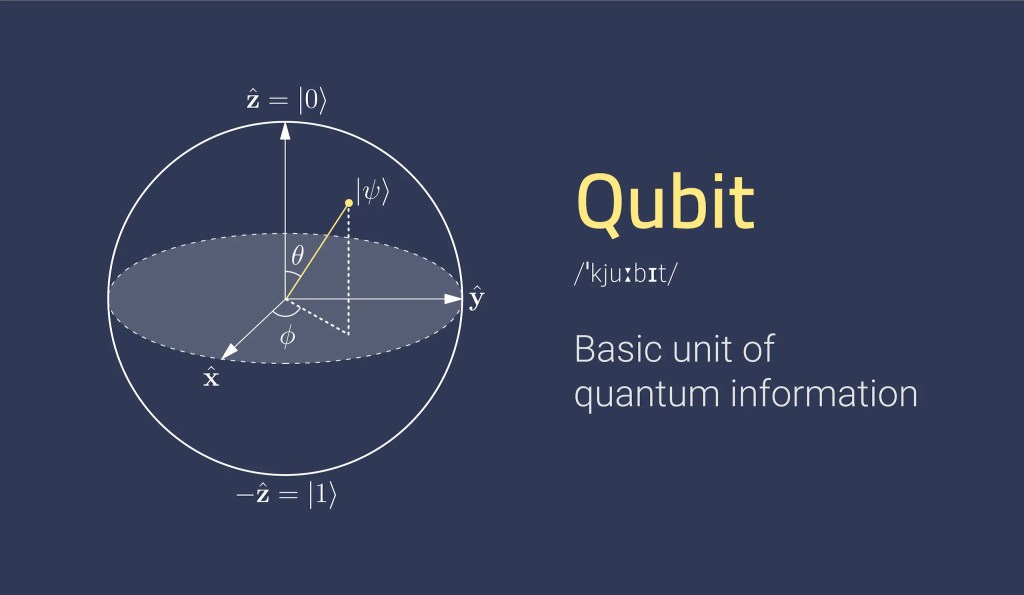
Quantum Computing is an area that leverages the principles of quantum mechanics to process information. Unlike classical computing, which uses bits as the smallest unit of data, quantum computing uses quantum bits or qubits. This allows quantum computers to handle complex calculations at unprecedented speeds.
Physics, especially Quantum Physics, explores the nature and behavior of matter and energy at the quantum level. It provides the theoretical foundation for understanding how particles and forces interact, forming the basis of quantum computing.
Mechanics, traditionally, deals with the motion of bodies under the action of forces. Quantum Mechanics, a subset of physics, extends these principles to the atomic and subatomic levels, influencing how we develop technologies that interact with the quantum realm.
The Quantum-Mechanical Engineering Space: A Nexus of Innovation
The intersection of quantum computing, physics, and mechanics opens a new field, often referred to as Quantum-Mechanical Engineering. This domain explores the application of quantum principles in designing and developing mechanical systems.
Use Cases in Public and Private Sectors
Material Science: Organizations are leveraging quantum computing to simulate and design new materials with specific properties, leading to innovations in everything from superconductors to pharmaceuticals.
Optimization Problems: Quantum computers excel at solving complex optimization problems, benefiting logistics companies in route planning or financial institutions in portfolio management.
Cybersecurity: Quantum encryption techniques, rooted in quantum mechanics, offer unprecedented levels of data security, crucial for both government agencies and private corporations.
Drug Discovery: The pharmaceutical industry is exploring quantum computing to model molecular interactions, speeding up the drug discovery process and reducing costs.
Benefits and Disadvantages
Benefits:
Speed: Quantum computing can process complex calculations much faster than traditional computers.
Precision: Quantum mechanics allows for more precise measurements and predictions at microscopic levels.
Innovation: This convergence is leading to new technologies and solutions across various industries.
Disadvantages:
Technical Complexity: Quantum technologies are complex and require specialized knowledge, limiting their accessibility.
Scalability: Building scalable quantum systems poses significant technological challenges.
Security Concerns: Quantum computing could potentially break current encryption methods, leading to new cybersecurity challenges.
Practical Applications in Business
Quantum teachings are gradually finding their way into everyday business challenges. For example, automotive companies are using quantum simulations to develop more efficient batteries. Financial institutions are exploring quantum algorithms for risk analysis and fraud detection. In the realm of artificial intelligence, quantum computing is set to enhance machine learning capabilities significantly.
Proactive Organizations
As we heard, organizations like IBM, Google, and various startups are investing heavily in quantum computing research. Governments around the world are also funding quantum technology initiatives, recognizing its strategic importance.
Looking Ahead: The Quantum Future
Vision for the Future
The future shaped by quantum computing, physics, and mechanics is one of immense potential. We envision a world where quantum technologies revolutionize fields from energy to medicine, bringing about efficiencies and solutions previously deemed impossible. Quantum computers will solve complex global challenges like climate change modeling and large-scale logistical problems with unprecedented precision and speed.
Anticipated Challenges
However, this promising future is not without its challenges. The foremost is the technical complexity and resource intensity required to develop quantum technologies. Maintaining quantum coherence in computers over extended periods, for instance, is a significant hurdle. Additionally, as quantum technologies advance, there will be a growing need for a workforce skilled in these specialized areas, posing an educational and training challenge.
Bridging Quantum Computing and Mechanical Engineering
In the realm of mechanical engineering, quantum technologies offer transformative potential. One can foresee quantum sensors enhancing precision in manufacturing processes or quantum simulations leading to the development of new, more efficient materials. However, integrating quantum solutions into traditional mechanical engineering fields will require a deep understanding of both quantum principles and practical engineering constraints.
Quantum Innovations in Business: A Dual-Edged Sword
As quantum technologies permeate the business world, they bring both opportunities and risks. On one hand, they offer competitive advantages through enhanced data processing capabilities and innovation in product design and material science. On the other hand, they disrupt existing business models and create new competitive landscapes, where companies slow to adapt may find themselves at a significant disadvantage.
The Road Ahead for Organizations
Progressive organizations are already exploring quantum technologies. Tech giants and startups alike are racing to develop the first truly scalable quantum computer. Meanwhile, businesses in sectors like automotive, aerospace, and pharmaceuticals are partnering with quantum experts to explore applications ranging from material design to complex system modeling.
Conclusion
The convergence of Quantum Computing, Physics, and Mechanics is not just a scientific curiosity but a beacon for future technological advancements. As we stand on the brink of this quantum era, the possibilities are as vast as the challenges. For businesses and individuals alike, understanding and leveraging this convergence will be key to staying ahead in a rapidly evolving digital landscape.
So, as we conclude this week’s exploration into quantum computing, physics, and mechanics, it’s clear that we are on the cusp of a new era in technology and business innovation. The convergence of these fields promises to unlock new capabilities and opportunities across industries. For those interested in staying at the forefront of this quantum revolution, follow this blog. Together, we’ll navigate the complexities and possibilities of the quantum realm, uncovering insights and strategies to harness its potential for business and technological advancement.
Yesterday, we introduced the topics of quantum computing and materials and today we will welcome quantum physics into the conversation and dive another level deeper. By discussing all three within the mechanical engineering space, we hope to provide a view into how all three are being leveraged by this discipline and what that future may look like.
In an era where technological advancements are not just innovations but revolutions, the fields of quantum computing, quantum physics, and quantum materials are emerging as pivotal game-changers. This blog post delves into these complex yet fascinating domains, focusing particularly on their intersection with mechanical engineering and their multifaceted applications in both public and private sectors.
Foundations of Quantum Computing and Quantum Physics
Quantum computing and quantum physics are intrinsically linked, with the former being a practical application of the principles of the latter. Quantum physics, the study of the behavior of matter and energy at the smallest scales, lays the groundwork for quantum computing. Unlike classical computing, which relies on bits (0s and 1s), quantum computing uses quantum bits or qubits. These qubits can exist in multiple states simultaneously, thanks to the principles of superposition and entanglement, which are cornerstones of quantum mechanics.
Quantum Materials: The New Frontier
Quantum materials are substances that exhibit exotic properties governed by the principles of quantum mechanics. These materials, such as topological insulators, superconductors, and graphene, show immense promise in revolutionizing various fields, including mechanical engineering.
Quantum Materials in Mechanical Engineering: Use Cases
Public Sector Applications
Energy Storage and Conversion: Quantum materials like graphene are being explored for their potential in improving the efficiency of solar cells and batteries. Public institutions are investing in research to leverage these materials for sustainable and efficient energy solutions.
Transportation: Superconducting materials, a subset of quantum materials, could revolutionize public transportation. Their application in magnetic levitation (maglev) trains exemplifies how they can reduce friction and energy consumption, leading to faster and more efficient transportation.
Private Sector Applications
Electronics Industry: The miniaturization and enhanced performance of electronic components, crucial in today’s digital world, are achievable through quantum materials. Private companies are exploring materials like topological insulators for developing next-generation semiconductors.
Aerospace and Defense: Quantum materials are critical in developing advanced materials for aerospace, where weight, strength, and thermal properties are paramount. Private aerospace firms are researching quantum materials for applications in spacecraft and aviation technology.
Advantages and Challenges
Advantages
Enhanced Performance: Quantum materials offer superior properties, like high conductivity and unique magnetic characteristics, which can lead to breakthroughs in various technologies.
Innovation in Various Fields: From energy to healthcare, the application of quantum materials paves the way for innovations across multiple sectors.
Challenges
High Cost and Complexity: The synthesis and manipulation of quantum materials are often expensive and complex, making them currently less accessible for widespread use.
Lack of Understanding: The nascent stage of quantum material research implies a limited understanding, which poses challenges in their practical application.
Quantum Materials: Real-World Business Applications
Quantum materials are not just theoretical constructs but have practical implications in addressing day-to-day business challenges. Companies like IBM and Google are investing in quantum computing, eyeing its potential to solve complex computational problems. In the energy sector, quantum materials are seen as the key to developing more efficient renewable energy systems. Meanwhile, in healthcare, their application in drug discovery and medical imaging represents a frontier of innovation.
Organizations Leading the Charge
Several organizations are proactively addressing the challenges and opportunities presented by quantum materials. Institutes like the Stewart Blusson Quantum Materials Institute (QMI) and companies such as QuantumScape and Rigetti Computing are at the forefront of this endeavor. Their focus ranges from fundamental research to the development of practical applications.
Conclusion
Quantum computing, physics, and materials represent a convergence of science and engineering that holds the promise of transformative changes across industries. As we continue to explore these realms, the potential for innovation in mechanical engineering and beyond is boundless. Stay tuned to this blog for more insights into the world of quantum materials, where the future of technology is being written today.
Engage with our ongoing exploration of quantum materials by following our posts. Discover the impact of these advanced materials in reshaping industries and driving technological progress. Don’t miss out on the journey to the forefront of innovation – follow us for the latest updates and in-depth analyses.
Quantum computing represents a paradigm shift in our computational capabilities, offering unprecedented processing power and efficiency. Central to this leap is the development and utilization of quantum materials, which are fundamental to the architecture of quantum computers. In this blog post, we will explore how quantum materials are revolutionizing the engineering space, examining their applications across federal, public, and private business spheres. We will delve into the benefits and challenges of these technologies, providing real-world examples of their impact and the proactive measures organizations are taking to harness their potential.
Deeper Analysis of Quantum Materials in the Context of Quantum Computing
Quantum materials represent a groundbreaking frontier in the world of quantum computing. To set the tone for our blog post, it’s essential to delve deeper into what these materials are, their unique properties, and how they are pivotal in the advancement of quantum technology.
Understanding Quantum Materials
Quantum materials are substances whose physical and electronic properties are not just defined by their atomic composition but also by their quantum mechanical characteristics. These include phenomena like quantum entanglement, superposition, and tunneling. Examples of quantum materials include superconductors, topological insulators, and quantum dots, each offering unique properties essential for quantum computing.
Superconductors
Superconductors are materials that exhibit zero electrical resistance and the expulsion of magnetic fields at low temperatures. In quantum computing, they are used to create superconducting qubits. These qubits operate by sustaining a current in a loop of superconducting material, with the direction of the current representing the qubit’s state. This property is crucial for maintaining coherence in quantum computations.
Topological Insulators
Topological insulators are materials that act as insulators internally but support conducting states on their surface. They are robust against impurities, which makes them suitable for stable qubit operation. The stability of surface states in topological insulators is protected by quantum mechanical symmetries, making them highly desirable for error-resistant quantum computing.
Quantum Dots
Quantum dots are tiny semiconductor particles that exhibit quantum mechanical properties. They can be used to create qubit systems where the quantum dot’s state, such as electron position or spin, encodes quantum information. Quantum dots can be precisely controlled and manipulated, making them suitable for scalable quantum computing platforms.
The Role in Quantum Computing
Quantum materials are not just passive elements but active participants in the quantum computing process. Their unique properties allow for the creation and manipulation of qubits, which are the fundamental units of quantum information in a quantum computer.
Enabling Quantum Superposition and Entanglement
Quantum materials facilitate superposition (where a qubit can be in multiple states simultaneously) and entanglement (a strong correlation between qubits even when separated by large distances). These are the key features that give quantum computers their superior processing power over classical computers.
Addressing Decoherence
One of the biggest challenges in quantum computing is decoherence, where qubits lose their quantum properties due to interactions with their environment. Quantum materials, especially those with topological properties, are being explored for their potential to create more stable qubits that are less prone to decoherence.
Applications and Implications
The application of quantum materials extends beyond the realms of theoretical physics into practical, real-world scenarios:
Secure Communication: Quantum materials can aid in the development of quantum key distribution systems, providing an unbreakable encryption method for secure communication.
Advanced Sensors: The sensitivity of quantum materials to external stimuli makes them suitable for creating highly precise sensors, applicable in fields ranging from navigation to medical diagnostics.
Material Science: Quantum computing can simulate material behaviors at the quantum level, paving the way for the discovery of new materials with tailored properties for various industrial applications.
The Road Ahead
The exploration and development of quantum materials are pivotal in overcoming the current limitations of quantum computing. As research progresses, we expect to see more stable, scalable, and efficient quantum computers, leading to unprecedented advancements in various sectors. The journey of quantum materials from lab to real-world application is not just a scientific endeavor but a transformational shift in how we approach complex problems in computing and beyond.
By understanding the depth and potential of quantum materials, we set a solid foundation for our discussion on their impact on engineering and technology. This deeper analysis not only informs but also inspires our readers to appreciate the intricate interplay between quantum physics and practical computing applications.
Quantum Materials: The Building Blocks of Quantum Computing
Quantum materials are substances with distinct properties that enable quantum states, such as superposition and entanglement, fundamental to quantum computing. These materials, like topological insulators and superconductors, provide the necessary environment for qubits – the quantum equivalent of classical bits – to function.
Federal Perspective
In the federal domain, agencies like the U.S. Department of Energy (DOE) and the National Institute of Standards and Technology (NIST) are investing heavily in research and development of quantum materials. Their focus is not only on advancing quantum computing but also on understanding the underlying quantum phenomena for broader applications, such as secure communication networks and advanced sensing technologies.
Public and Private Business Perspective
In the business arena, quantum materials are gaining traction in industries ranging from finance to pharmaceuticals. Companies are exploring quantum computing to solve complex problems that are currently intractable for classical computers, such as optimizing supply chains, developing new materials, and speeding up drug discovery processes.
Advantages of Quantum Materials in Engineering
Enhanced Computational Power
The most significant advantage is the exponential increase in computational power. Quantum materials enable qubits to perform multiple calculations simultaneously, a feat impossible for traditional bits. This capability is crucial for solving complex optimization problems in engineering and data analysis.
Improved Efficiency and Precision
Quantum materials contribute to more efficient and precise computational processes. Their unique properties allow for faster processing speeds and greater accuracy in simulations, essential for industries like aerospace and automotive, where precision is paramount.
Innovative Applications
Quantum materials pave the way for novel applications in various sectors. For instance, in materials science, they facilitate the design of new materials with desired properties, while in cybersecurity, they offer pathways to virtually unbreakable encryption methods.
Challenges and Disadvantages
Technical Complexity
The manipulation and maintenance of quantum states in materials are incredibly complex. It requires extremely low temperatures and sophisticated technology, posing significant challenges for practical implementation.
Scalability and Stability
Building scalable and stable quantum systems using these materials is still a major hurdle. The delicate nature of quantum states makes them susceptible to external disturbances, leading to errors in computations.
High Costs
The development and deployment of quantum materials and related technologies involve substantial financial investment, making it currently inaccessible for many small and medium-sized enterprises.
Real-World Applications and Proactive Organizations
Financial Sector
JPMorgan Chase, for instance, is exploring quantum computing for risk analysis and portfolio optimization. Quantum materials could revolutionize how financial models and complex economic scenarios are processed.
Pharmaceutical Industry
In pharmaceuticals, companies like Pfizer are investigating quantum computing for drug discovery. Quantum materials could drastically reduce the time and cost of developing new treatments.
Automotive Industry
Automakers like BMW are leveraging quantum computing for material research and supply chain optimization, potentially transforming production efficiency and product quality.
Proactive Steps by Organizations
Organizations like IBM and Google are at the forefront, investing in research and infrastructure to harness quantum materials for computing. Universities and research institutions worldwide are also collaborating with industries to develop practical applications and overcome technical challenges.
Conclusion
The intersection of quantum computing and quantum materials is ushering in a new era in engineering and technology. While challenges like technical complexity, scalability, and cost remain, the potential benefits in computational power, efficiency, and innovative applications are immense. As research and development continue, we are likely to witness transformative impacts across various sectors, from finance to pharmaceuticals.
As we continue to explore the depths of quantum materials and their applications, stay tuned for future posts delving deeper into this fascinating field. Follow our blog to stay updated on the latest developments and insights into how quantum computing is reshaping our world.
This blog post is tailored for an audience with a keen interest in technology trends and business processes. The information provided aims to be both informative and thought-provoking, inviting readers to explore the evolving landscape of quantum computing and materials. For more insights on the cutting edge of technology and business, follow our blog and join the conversation.
In the ever-evolving landscape of technology, Virtual Reality (VR) has emerged as a groundbreaking tool, revolutionizing not just entertainment but also reshaping the core practices of various engineering disciplines. From mechanical to chemical, and aerospace, VR technology is not only enhancing the way engineers visualize and interact with their work but is also reshaping the broader horizons of these fields. This blog post delves into how VR is advancing the benefits of engineering, exploring its applications, benefits, and potential drawbacks.
Unleashing Innovation Across Engineering Domains
Mechanical Engineering: A New Design Perspective
In mechanical engineering, VR is revolutionizing design and prototyping processes. Engineers are now able to immerse themselves in a virtual environment where they can interact with 3D models of machines, components, and systems. This immersive experience allows for a deeper understanding of how different parts interact and function together. For instance, automotive engineers are using VR to design and test new vehicle models, enabling them to examine intricacies that would be challenging to visualize on a traditional computer screen.
Chemical Engineering: Safety and Process Optimization
VR’s impact in chemical engineering is notably significant in the areas of safety training and process optimization. Chemical plants can be complex and hazardous environments. VR enables engineers and technicians to simulate and interact with virtual models of chemical processes and plants. This approach not only enhances the understanding of complex chemical reactions and processes but also provides a safe environment for training purposes, reducing the risk of accidents in real-world scenarios.
Aerospace Engineering: The Final Frontier
The aerospace sector is perhaps where VR’s potential shines the brightest. Aerospace engineers are utilizing VR for designing, testing, and simulating aircraft and spacecraft. This technology offers a unique advantage in visualizing aerodynamic flows, structural designs, and even simulating the extreme conditions of space. The ability to test and modify designs in a virtual environment accelerates the development process and reduces costs, which is crucial in an industry where physical prototyping can be exceptionally expensive.
Advantages of VR in Engineering
Enhanced Visualization: VR provides engineers with a 3D, immersive view of their designs, allowing for a deeper understanding and interaction with complex structures.
Cost-Effectiveness: Virtual prototyping reduces the need for physical models, leading to significant cost savings, especially in fields like aerospace where prototypes are expensive.
Accelerated Development Cycles: VR enables rapid iterations and modifications, allowing engineers to test and refine designs quickly.
Improved Safety: In high-risk fields like chemical engineering, VR provides a safe training environment that mimics real-life scenarios without the associated risks.
Remote Collaboration: VR facilitates collaboration among engineers across different locations, fostering a more integrated approach to project development.
Challenges and Considerations
Despite its numerous benefits, VR in engineering is not without its challenges:
High Initial Investment: The cost of setting up advanced VR systems can be substantial, particularly for small firms or educational institutions.
Technical Limitations: VR technology, while advanced, still has limitations in terms of resolution, field of view, and user experience, which can impact its effectiveness.
Skill Gap: There is a learning curve associated with using VR technology, requiring specialized training for engineers and designers.
Dependency on Virtual Models: Over-reliance on virtual models may lead to overlooking practical aspects that only emerge in physical environments.
Real-World Examples: VR in Action
Automotive Industry: Companies like Ford and BMW are using VR to design, test, and refine new vehicle models, significantly reducing development time and costs.
Chemical Plant Training: BASF and other chemical giants are utilizing VR for training employees, enhancing safety, and understanding complex chemical processes.
Space Exploration: NASA and SpaceX are leveraging VR for spacecraft design and astronaut training, preparing for missions in a way that was previously impossible.
Conclusion: The Future is Virtually Here
Virtual Reality is not just a technological trend; it’s a transformative tool that is reshaping the landscape of engineering. Its ability to enhance visualization, improve safety, and accelerate development is unparalleled. While challenges such as cost and technical limitations exist, the benefits and potential of VR in engineering are too significant to ignore.
As we continue to explore the vast capabilities of VR in engineering, we invite you to stay connected with our future posts. Delve deeper into the world of VR with us, where we’ll uncover more innovative applications and advancements in this exciting field. Follow us to stay at the forefront of technological evolution and be part of the journey that’s shaping the future of engineering.
Mechatronics, a term derived from the fusion of “mechanics” and “electronics”, is a multidisciplinary field that integrates mechanical engineering, electronics, computer science, and control engineering. Its relevance in the mechanical engineering space is undeniable, as it seeks to produce intelligent systems and products by leveraging the convergence of these disciplines. It also has been merged within the disciplines of artificial intelligence and customer experience management.
A Brief History of Mechatronics
The concept of mechatronics can be traced back to the 1960s in Japan when the country’s engineers began to incorporate electronic components into mechanical systems to enhance their functionality. The term “mechatronics” was coined by Tetsuro Mori, an engineer at Yaskawa Electric Corporation, in 1969. Initially, it was used to describe the incorporation of electronic systems in mechanical designs, but over time, its scope expanded to include the integration of computer and control systems.
The 1980s and 1990s saw a rapid evolution in the field, with the development of microprocessors and advanced sensors. These advancements allowed for more sophisticated control systems, leading to the creation of products that were smarter, more efficient, and more adaptable.
Mechatronics in Today’s World
Mechatronics has found its way into a plethora of applications:
Automotive Industry: Modern cars are a marvel of mechatronics. From anti-lock braking systems to advanced driver-assistance systems, mechatronics ensures safer and more efficient vehicles.
Robotics: Industrial robots, surgical robots, and even consumer robots leverage mechatronics for precise movement, sensing, and decision-making.
Consumer Electronics: Devices like smartphones and smartwatches, which combine sensors, actuators, and processing capabilities, are classic examples of mechatronics in action.
Aerospace: Aircraft systems, including fly-by-wire controls and advanced propulsion systems, rely heavily on mechatronic principles.
A Home for Mechatronics in Customer Experience Management
Mechatronics, at its essence, is about creating intelligent systems by integrating mechanics, electronics, and control systems. When we think about customer experience management (CEM), it’s about understanding and optimizing interactions to meet or exceed customer expectations. The integration of mechatronics can enhance these interactions, especially in industries where physical products or environments play a significant role in the customer journey. Here’s how mechatronics can be woven into a CEM strategy:
Retail Industry:
Smart Shopping Carts: Mechatronic systems can be used to develop shopping carts that follow customers around the store, automatically tally items as they’re added, or even suggest products based on items already in the cart.
Interactive Fitting Rooms: Mirrors equipped with sensors and displays can suggest outfits, show product information, or change the lighting based on customer preferences.
Hospitality:
Smart Hotel Rooms: Rooms that adjust lighting, temperature, and even the firmness of the mattress based on guest preferences, using a combination of sensors, actuators, and control systems.
Robot Butlers: Hotels like the Aloft in Cupertino have used robot butlers to deliver items to guest rooms, enhancing the guest experience.
Automotive Industry:
Personalized Driving Experience: Cars that adjust seat positions, mirror angles, music preferences, and even driving modes based on the driver’s profile, using mechatronic systems.
Interactive Showrooms: Virtual test drives, interactive displays that showcase car features, and augmented reality experiences that allow customers to customize car models in real-time.
Healthcare:
Patient-Centric Medical Devices: Devices that adjust their operation based on patient feedback or physiological signals. For instance, a mechatronic prosthetic limb that adjusts its grip or movement based on the user’s muscle signals.
Interactive Patient Beds: Beds that adjust position for patient comfort or medical necessity, provide feedback to medical staff, or even have built-in monitoring systems for vital signs.
Real Estate and Property Management:
Smart Homes: Homes equipped with mechatronic systems can adjust lighting, temperature, security settings, and more based on resident preferences or schedules.
Interactive Property Showcases: Potential buyers or renters can interact with a property model, viewing different customization options, layouts, or features, all powered by mechatronic displays.
Banking and Finance:
Advanced ATMs: Machines that offer personalized experiences, such as preferred transaction shortcuts, accessibility features, or even security enhancements like biometric verification.
Interactive Kiosks: Kiosks that provide personalized financial advice, product suggestions, or even remote video consultations with banking professionals.
In all these examples, the integration of mechatronics serves to enhance the physical touchpoints of the customer journey. By making these interactions more responsive, adaptive, and personalized, businesses can elevate the overall customer experience.
Skill Sets for a Career in Mechatronics
For those aspiring to venture into mechatronics, a diverse skill set is essential:
Systems Thinking: Understanding how different components interact within a system is crucial.
Proficiency in Electronics: A solid grasp of electronic circuits, microcontrollers, and digital signal processing is vital.
Mechanical Design: Knowledge of kinematics, dynamics, and material science is necessary to design effective mechanical components.
Software Development: With the increasing role of software in mechatronic systems, proficiency in programming languages and real-time systems is essential.
Control Systems: Understanding feedback loops, system dynamics, and control strategies is crucial for designing responsive and stable mechatronic systems.
The Future of Mechatronics: The Next 10-15 Years
The future of mechatronics is intertwined with advancements in artificial intelligence (AI), sensors, and materials science. Here’s a glimpse into the next decade:
AI-Driven Mechatronics: With the integration of AI, mechatronic systems will become more adaptive and autonomous. For instance, self-driving cars will leverage AI to make real-time decisions based on sensor data.
Miniaturization: As components become smaller, we’ll see more compact and efficient mechatronic systems, paving the way for innovations in fields like medical devices.
Advanced Materials: The development of new materials, such as shape-memory alloys or piezoelectric materials, will lead to novel mechatronic applications.
Human-Machine Collaboration: Enhanced by AI, mechatronic systems will work alongside humans more seamlessly, whether in factories, hospitals, or homes.
Conclusion
AI’s influence on mechatronics is profound. Machine learning algorithms can optimize system performance, predict maintenance needs, and enable systems to adapt to changing environments. For individuals deeply involved in AI, the convergence of AI and mechatronics represents a frontier of innovation. Therefore, as AI models become more sophisticated, they’ll drive mechatronic systems to new heights of capability and efficiency. Mechatronics, at its core, is about the harmonious integration of mechanical systems with electronics and computing. Its relevance in the mechanical engineering domain will only grow as technology continues to evolve. For professionals and enthusiasts alike, understanding mechatronics and its trajectory is essential to remain at the forefront of engineering and technological innovation.
We recently reached out to a mechanical engineer with roughly 10 years of hands-on experience. The topic we explored was; what does the world of AI mean for someone who is currently in the engineering field, but just missed out on the introduction to the AI wave in school, yet sees junior engineers coming-in with AI education. Do they feel behind the curve, do they feel challenged by the new crop of engineers, or are they excited by the future?
We asked our friend Frederik to create a post for our audience, and hope that the experience shared provides some insight for new and experienced engineers in the industry.
Frederik: As a mechanical engineer with a decade of experience, I’ve witnessed firsthand the evolution of technology within our field. The latest trend that has caught my attention is the integration of Artificial Intelligence (AI) into mechanical engineering. This post aims to explore how AI can benefit the mechanical engineering profession, the skill sets required to leverage AI, and how experienced engineers can stay ahead of the learning curve.
I. How AI Benefits Mechanical Engineering
1. Design Optimization
Example: AI-powered generative design tools can create multiple design alternatives based on specific constraints and requirements. This allows engineers to explore a vast design space quickly.
Latest Trend: Integration of Machine Learning (ML) algorithms to predict material behavior, leading to more accurate and efficient designs.
Let’s delve into the various ways AI benefits design optimization in mechanical engineering:
1. Generative Design
a. Overview
Generative design employs AI algorithms to generate a multitude of design alternatives based on predefined constraints, objectives, and requirements. It allows engineers to explore a vast design space that would be impossible to navigate manually.
b. Benefits
Efficiency: AI can quickly generate hundreds or even thousands of design variations, significantly reducing the time required for the design phase.
Optimization: By evaluating multiple design alternatives, engineers can identify the most optimal solution that meets specific performance criteria.
Innovation: Generative design encourages creative thinking by presenting unconventional design solutions that might not be considered through traditional methods.
2. Material Selection and Optimization
a. Overview
AI can analyze complex material properties and behaviors, assisting engineers in selecting the most suitable materials for specific applications.
b. Benefits
Precision: AI algorithms can predict material behavior under various conditions, leading to more accurate material selection.
Sustainability: AI can help in choosing materials that are environmentally friendly, aligning with sustainability goals.
Cost-Effectiveness: By selecting the most appropriate materials, AI can contribute to cost savings in the manufacturing process.
3. Simulation and Analysis
a. Overview
AI-powered simulations enable engineers to analyze and validate designs under real-world conditions without the need for physical prototypes.
b. Benefits
Realistic Simulations: AI can model complex physical phenomena, providing more accurate simulations.
Iterative Analysis: Engineers can perform multiple iterations of simulations quickly, refining the design for optimal performance.
Risk Mitigation: By simulating various scenarios, AI helps in identifying potential design flaws early in the process, reducing risks.
4. Integration with IoT and Real-Time Data
a. Overview
The combination of AI with the Internet of Things (IoT) allows real-time data collection from sensors, which can be used to inform and optimize designs.
b. Benefits
Adaptive Design: Real-time data can be used to create adaptive designs that respond to changing environmental conditions.
Performance Monitoring: Continuous monitoring of a product’s performance can lead to design improvements in future iterations.
Predictive Insights: AI can analyze real-time data to predict future performance and potential issues, enabling proactive design adjustments.
The integration of AI into design optimization in mechanical engineering is a multifaceted advancement that brings efficiency, innovation, precision, and adaptability to the design process. From generative design to real-time data integration, AI is not only enhancing the way mechanical engineers approach design but also opening new avenues for exploration and creativity.
By embracing AI in design optimization, mechanical engineers can stay at the forefront of technological innovation, ensuring that their designs are not only optimal but also aligned with the latest trends and industry standards. Whether it’s selecting the right materials or simulating complex scenarios, AI is proving to be an invaluable tool in the modern mechanical engineering landscape.
2. Predictive Maintenance
Example: AI algorithms can analyze data from sensors to predict equipment failure, allowing for timely maintenance.
Latest Trend: The use of edge computing to process data on-site, enabling real-time predictive maintenance.
Here’s an in-depth exploration of how AI benefits predictive maintenance in mechanical engineering:
1. Data-Driven Predictions
a. Overview
AI algorithms analyze vast amounts of data from sensors, logs, and historical records to predict equipment failure or degradation. This data-driven approach allows for more accurate and timely predictions.
b. Benefits
Accuracy: Machine learning models can identify subtle patterns and correlations in the data that might be missed by human analysis, leading to more accurate predictions.
Timeliness: Real-time data analysis enables immediate detection of potential issues, allowing for proactive maintenance before a failure occurs.
Customization: AI models can be tailored to specific equipment and operational conditions, enhancing prediction relevance.
2. Integration with IoT Devices
a. Overview
The Internet of Things (IoT) enables continuous monitoring of machinery through connected sensors. When combined with AI, this data can be analyzed in real-time for predictive maintenance.
b. Benefits
Real-Time Monitoring: Continuous data collection allows for immediate analysis and response.
Remote Management: IoT devices can be managed remotely, allowing for predictive maintenance across various locations.
Energy Efficiency: By monitoring energy consumption patterns, AI can suggest maintenance to optimize energy usage.
3. Cost Reduction
a. Overview
Predictive maintenance powered by AI helps in scheduling maintenance activities only when needed, as opposed to regular scheduled maintenance, leading to cost savings.
b. Benefits
Resource Optimization: By predicting when maintenance is needed, resources can be allocated more efficiently.
Longevity: Proper maintenance at the right time can extend the life of machinery, reducing long-term capital expenditure.
4. Enhanced Safety
a. Overview
Predictive maintenance can identify potential failures that might lead to safety hazards, allowing for preventive measures.
b. Benefits
Risk Mitigation: Early detection of potential failures reduces the risk of accidents.
Compliance: AI-driven predictive maintenance can help in adhering to safety regulations and standards.
Health Monitoring: Continuous monitoring of equipment health ensures that machinery operates within safe parameters.
5. Integration with Enterprise Systems
a. Overview
AI-driven predictive maintenance can be integrated with other enterprise systems like Enterprise Resource Planning (ERP) and Manufacturing Execution Systems (MES) for a cohesive approach.
b. Benefits
Holistic View: Integration with other systems provides a comprehensive view of operations, enhancing decision-making.
Automated Workflows: Automation of maintenance requests and scheduling through integration with other systems streamlines processes.
Strategic Planning: Insights from predictive maintenance can inform long-term planning and strategy.
The integration of AI in predictive maintenance within mechanical engineering is transforming the way maintenance is approached, executed, and managed. From accurate predictions to cost reduction and enhanced safety, AI is providing tangible benefits that align with the modern demands of efficiency, sustainability, and innovation.
By leveraging AI for predictive maintenance, mechanical engineers can not only optimize their operations but also contribute to a safer and more responsible engineering practice. The fusion of AI with IoT and enterprise systems further amplifies these benefits, making AI-driven predictive maintenance a vital component in the future of mechanical engineering.
3. Manufacturing Automation
Example: AI-driven robots can perform complex assembly tasks, reducing human error and increasing efficiency.
Latest Trend: Collaborative robots (cobots) working alongside humans, adapting to changes in the manufacturing environment.
Here’s an in-depth exploration of how AI benefits manufacturing automation in mechanical engineering:
1. Intelligent Robotics
a. Overview
AI-powered robots, also known as smart robots, can perform complex tasks that require adaptability, precision, and decision-making. These robots can learn from their environment and improve their performance over time.
b. Benefits
Adaptability: AI-driven robots can adapt to changes in the manufacturing environment, handling variations in tasks without manual reprogramming.
Precision: Enhanced control algorithms enable robots to perform tasks with higher accuracy and repeatability.
Collaboration: Collaborative robots (cobots) can work alongside human workers, understanding and responding to human actions.
2. Quality Control and Inspection
a. Overview
AI can analyze images, vibrations, sounds, and other data to detect defects or deviations in products, ensuring quality control.
b. Benefits
Consistency: AI provides consistent quality checks, unaffected by human fatigue or subjectivity.
Speed: Automated inspection processes are significantly faster, allowing for real-time quality control.
Data-Driven Insights: Continuous monitoring and analysis provide insights for process improvement.
3. Process Optimization
a. Overview
AI algorithms can analyze manufacturing processes to identify inefficiencies and suggest optimizations.
b. Benefits
Resource Utilization: AI can optimize the use of materials, energy, and time, reducing waste and costs.
Dynamic Scheduling: AI can adapt production schedules in real-time based on changing demands and constraints.
Supply Chain Integration: AI can align manufacturing processes with supply chain dynamics for a more responsive and efficient system.
4. Predictive Maintenance in Manufacturing
a. Overview
As previously discussed, AI-driven predictive maintenance can be applied to manufacturing equipment to predict and prevent failures.
Long-Term Savings: Proper maintenance extends the life of machinery, reducing replacement costs.
Safety Compliance: Ensuring that equipment is in good working condition helps in maintaining safety standards.
5. Human-Machine Collaboration
a. Overview
AI enables more intuitive interaction between human workers and machines, facilitating collaboration.
b. Benefits
Ergonomic Assistance: AI-powered exoskeletons and assistive devices can reduce physical strain on workers.
Training and Guidance: AI can provide real-time guidance and training to workers, enhancing skill development.
Decision Support: AI can assist human operators in making complex decisions by providing relevant information and insights.
6. Customization and Personalization
a. Overview
AI enables the manufacturing of customized products on a large scale by adapting processes to individual specifications.
b. Benefits
Flexibility: AI-driven automation allows for the production of customized products without significant reconfiguration.
Customer Satisfaction: Personalized products meet specific customer needs, enhancing satisfaction.
Competitive Advantage: Offering customization at scale can provide a unique value proposition in the market.
The integration of AI in manufacturing automation within mechanical engineering is ushering in a new era of efficiency, quality, adaptability, and collaboration. From intelligent robotics to human-machine collaboration, AI is not only enhancing existing processes but also enabling new possibilities that align with the demands of modern manufacturing.
By embracing AI in manufacturing automation, mechanical engineers can drive innovation, reduce costs, improve quality, and create a more responsive and sustainable manufacturing ecosystem. The convergence of AI with other technologies like IoT and data analytics further amplifies these benefits, positioning AI-driven manufacturing automation as a cornerstone in the future of mechanical engineering.
4. Supply Chain Optimization
Example: AI can analyze supply chain data to optimize inventory levels and reduce costs.
Latest Trend: Integration of blockchain with AI for transparent and efficient supply chain management.
Here’s an in-depth exploration of how AI benefits supply chain optimization in mechanical engineering:
1. Demand Forecasting
a. Overview
AI algorithms can analyze historical data, market trends, and other variables to predict future demand with higher accuracy.
b. Benefits
Accuracy: Machine learning models can identify complex patterns and correlations, leading to more precise demand forecasts.
Adaptability: AI can quickly respond to changes in market conditions, adjusting forecasts accordingly.
Strategic Planning: Accurate demand forecasting supports better inventory management, production planning, and procurement strategies.
2. Inventory Management
a. Overview
AI can analyze inventory levels, lead times, and demand forecasts to optimize inventory, balancing availability against carrying costs.
b. Benefits
Optimization: AI can determine optimal inventory levels for each product, reducing excess stock and stockouts.
Real-Time Monitoring: Continuous monitoring allows for immediate adjustments to inventory strategies.
Integration: AI can integrate inventory management with other supply chain functions for a cohesive approach.
3. Supplier Selection and Relationship Management
a. Overview
AI can evaluate suppliers based on various criteria such as cost, quality, reliability, and compliance, assisting in supplier selection and ongoing management.
b. Benefits
Objective Evaluation: AI provides a data-driven evaluation of suppliers, reducing subjectivity.
Risk Mitigation: AI can identify potential supplier risks, such as financial instability or compliance issues.
Collaboration: AI-driven platforms can facilitate communication and collaboration with suppliers, enhancing relationships.
4. Transportation and Logistics Optimization
a. Overview
AI can optimize transportation routes, schedules, and modes based on factors like cost, delivery time, and environmental impact.
b. Benefits
Efficiency: AI can find the most efficient transportation routes, reducing costs and delivery times.
Sustainability: AI can prioritize eco-friendly transportation options, aligning with sustainability goals.
Adaptability: AI can adapt logistics plans in real-time based on disruptions or changes in requirements.
5. Quality Control in the Supply Chain
a. Overview
AI can monitor and analyze product quality throughout the supply chain, ensuring consistency and compliance.
b. Benefits
Consistency: Continuous quality monitoring ensures that products meet standards at every stage of the supply chain.
Compliance: AI can track and manage regulatory compliance across different regions and markets.
Data-Driven Insights: Quality data can be analyzed for continuous improvement in processes and supplier performance.
6. Integration with Blockchain for Transparency
a. Overview
Combining AI with blockchain technology can create transparent and secure supply chain records.
b. Benefits
Transparency: All parties in the supply chain can access a transparent and immutable record of transactions.
Security: Blockchain ensures the integrity and security of data, reducing the risk of fraud or manipulation.
Traceability: Products can be traced back through the supply chain, supporting quality control, compliance, and authenticity verification.
The integration of AI in supply chain optimization within mechanical engineering is transforming the way supply chains are planned, executed, and managed. From demand forecasting to transportation optimization and blockchain integration, AI is providing tangible benefits that align with the modern demands of efficiency, transparency, adaptability, and sustainability.
By leveraging AI in supply chain optimization, mechanical engineers can create more responsive, cost-effective, and responsible supply chains. The fusion of AI with other technologies and data analytics further amplifies these benefits, making AI-driven supply chain optimization a vital and strategic component in the future of mechanical engineering.
II. Skill Sets Necessary to Leverage AI
Foundational Skills
Programming: Understanding languages like Python, R, or Java is essential for developing AI algorithms.
Statistics and Mathematics: A strong foundation in these areas is crucial for understanding and implementing ML models.
Domain Knowledge: Familiarity with mechanical engineering principles ensures that AI applications are relevant and effective.
Optional Skills
Cloud Computing: Knowledge of cloud platforms can facilitate the deployment of AI models.
Data Visualization: Skills in presenting data visually can help in interpreting AI-driven insights.
III. Getting Ahead of the Learning Curve
For experienced engineers like myself, who may not have learned AI in school, the following strategies can help stay ahead:
Continuous Learning: Engage in online courses, workshops, and certifications focused on AI and ML.
Collaboration with AI Experts: Partnering with AI specialists within the organization can foster a deeper understanding.
Hands-on Practice: Building small AI projects related to mechanical engineering can provide practical experience.
Stay Updated: Regularly read industry publications and attend conferences to keep abreast of the latest trends.
Conclusion
The integration of AI into mechanical engineering is not just a trend; it’s a transformative shift that offers numerous benefits. From design optimization to predictive maintenance, AI is enhancing the way we work. While the learning curve may seem steep, especially for those of us who have been in the field for a while, a commitment to continuous learning and collaboration with experts can bridge the gap.
The future of mechanical engineering is exciting, and AI is at the forefront of this evolution. By embracing this technology and investing in the necessary skills, we can position ourselves at the cutting edge of innovation.






 De Lio Tech Trends