
Introduction
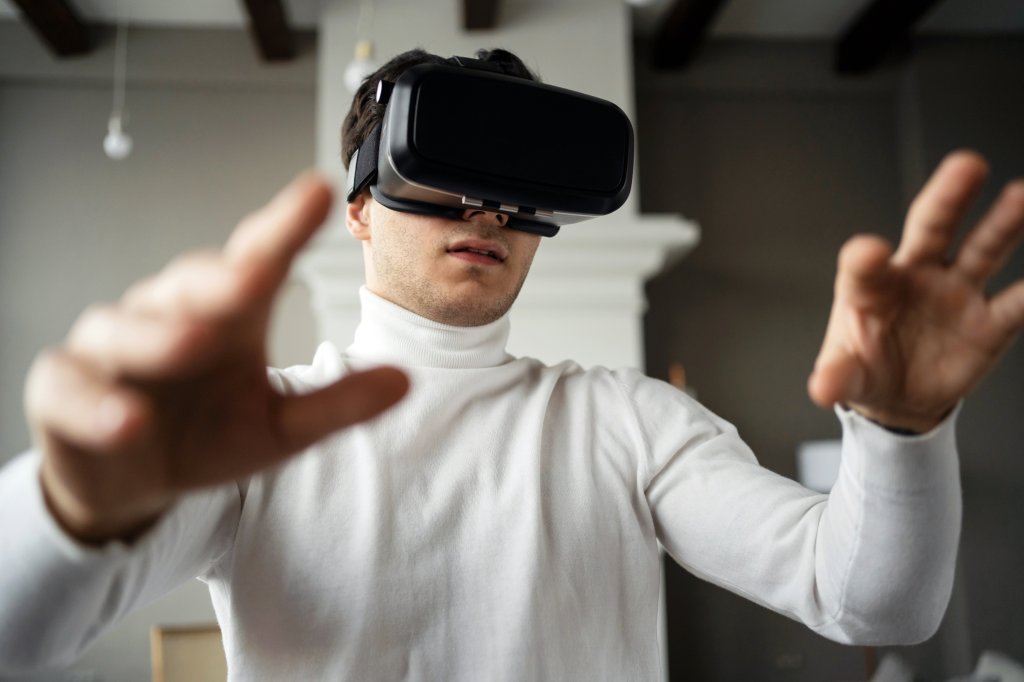
In the ever-evolving landscape of technology, Virtual Reality (VR) has emerged as a groundbreaking tool, revolutionizing not just entertainment but also reshaping the core practices of various engineering disciplines. From mechanical to chemical, and aerospace, VR technology is not only enhancing the way engineers visualize and interact with their work but is also reshaping the broader horizons of these fields. This blog post delves into how VR is advancing the benefits of engineering, exploring its applications, benefits, and potential drawbacks.
Unleashing Innovation Across Engineering Domains
Mechanical Engineering: A New Design Perspective
In mechanical engineering, VR is revolutionizing design and prototyping processes. Engineers are now able to immerse themselves in a virtual environment where they can interact with 3D models of machines, components, and systems. This immersive experience allows for a deeper understanding of how different parts interact and function together. For instance, automotive engineers are using VR to design and test new vehicle models, enabling them to examine intricacies that would be challenging to visualize on a traditional computer screen.
Chemical Engineering: Safety and Process Optimization
VR’s impact in chemical engineering is notably significant in the areas of safety training and process optimization. Chemical plants can be complex and hazardous environments. VR enables engineers and technicians to simulate and interact with virtual models of chemical processes and plants. This approach not only enhances the understanding of complex chemical reactions and processes but also provides a safe environment for training purposes, reducing the risk of accidents in real-world scenarios.
Aerospace Engineering: The Final Frontier
The aerospace sector is perhaps where VR’s potential shines the brightest. Aerospace engineers are utilizing VR for designing, testing, and simulating aircraft and spacecraft. This technology offers a unique advantage in visualizing aerodynamic flows, structural designs, and even simulating the extreme conditions of space. The ability to test and modify designs in a virtual environment accelerates the development process and reduces costs, which is crucial in an industry where physical prototyping can be exceptionally expensive.
Advantages of VR in Engineering
- Enhanced Visualization: VR provides engineers with a 3D, immersive view of their designs, allowing for a deeper understanding and interaction with complex structures.
- Cost-Effectiveness: Virtual prototyping reduces the need for physical models, leading to significant cost savings, especially in fields like aerospace where prototypes are expensive.
- Accelerated Development Cycles: VR enables rapid iterations and modifications, allowing engineers to test and refine designs quickly.
- Improved Safety: In high-risk fields like chemical engineering, VR provides a safe training environment that mimics real-life scenarios without the associated risks.
- Remote Collaboration: VR facilitates collaboration among engineers across different locations, fostering a more integrated approach to project development.
Challenges and Considerations
Despite its numerous benefits, VR in engineering is not without its challenges:
- High Initial Investment: The cost of setting up advanced VR systems can be substantial, particularly for small firms or educational institutions.
- Technical Limitations: VR technology, while advanced, still has limitations in terms of resolution, field of view, and user experience, which can impact its effectiveness.
- Skill Gap: There is a learning curve associated with using VR technology, requiring specialized training for engineers and designers.
- Dependency on Virtual Models: Over-reliance on virtual models may lead to overlooking practical aspects that only emerge in physical environments.
Real-World Examples: VR in Action
- Automotive Industry: Companies like Ford and BMW are using VR to design, test, and refine new vehicle models, significantly reducing development time and costs.
- Chemical Plant Training: BASF and other chemical giants are utilizing VR for training employees, enhancing safety, and understanding complex chemical processes.
- Space Exploration: NASA and SpaceX are leveraging VR for spacecraft design and astronaut training, preparing for missions in a way that was previously impossible.
Conclusion: The Future is Virtually Here
Virtual Reality is not just a technological trend; it’s a transformative tool that is reshaping the landscape of engineering. Its ability to enhance visualization, improve safety, and accelerate development is unparalleled. While challenges such as cost and technical limitations exist, the benefits and potential of VR in engineering are too significant to ignore.
As we continue to explore the vast capabilities of VR in engineering, we invite you to stay connected with our future posts. Delve deeper into the world of VR with us, where we’ll uncover more innovative applications and advancements in this exciting field. Follow us to stay at the forefront of technological evolution and be part of the journey that’s shaping the future of engineering.

 De Lio Tech Trends