
Introduction
In the evolving landscape of health care, particularly in pediatric settings, Virtual Reality (VR) technology has emerged as a groundbreaking tool. Its implementation in adolescent patient care within hospitals marks a significant leap forward in addressing the unique health care needs of this demographic. This blog post delves into the benefits and challenges of VR in adolescent health care, providing insights into current applications and potential future developments.
The Rise of VR in Health Care
Virtual reality, once a staple of science fiction, has transcended its origins to become a versatile tool in various sectors, including health care. By creating immersive, interactive environments, VR technology offers unprecedented opportunities for patient care and medical training. Its adaptation for adolescent patients in hospitals is particularly noteworthy, given their unique developmental and psychological needs.
The Adolescent Patient: A Unique Challenge
Adolescents, transitioning from childhood to adulthood, face distinct challenges when hospitalized. This period is marked by heightened self-awareness, sensitivity to peer perception, and a need for autonomy. Traditional hospital settings, often perceived as intimidating and isolating, can exacerbate stress and anxiety in these patients.
Enter Virtual Reality
VR technology, with its ability to create immersive and controlled environments, offers a novel solution to these challenges. By transporting adolescents into a virtual world, it can significantly alleviate the discomfort and anxiety associated with hospital stays.
Benefits of VR in Adolescent Health Care
Psychological Well-being
- Stress Reduction: VR experiences can transport patients to serene, calming environments, offering a respite from the clinical hospital setting. This escape can significantly reduce stress and anxiety, contributing to overall well-being.
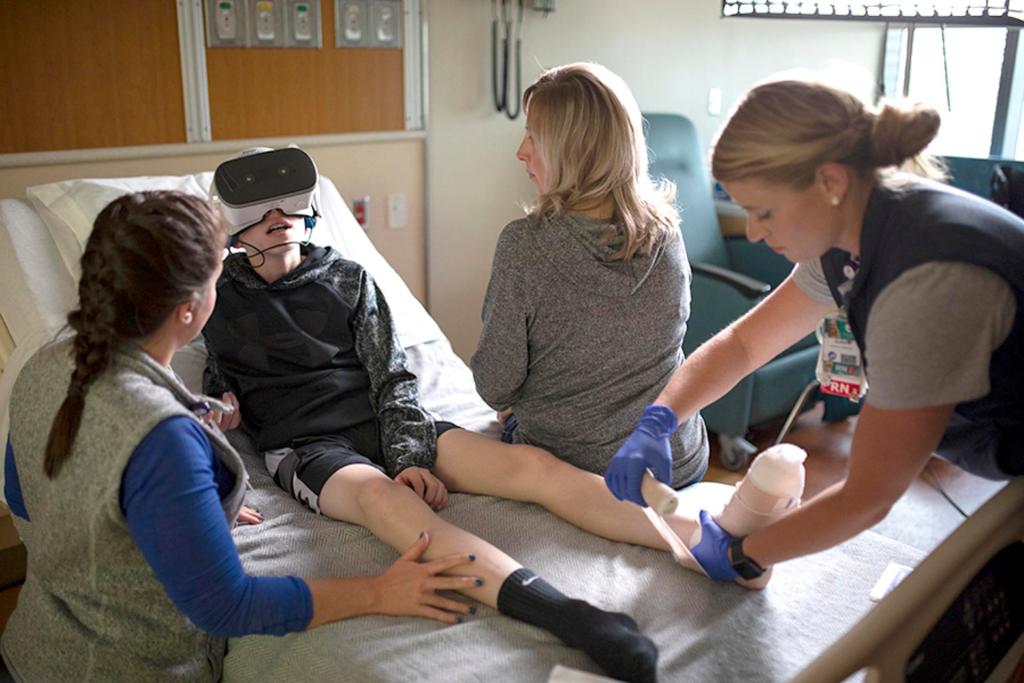
- Pain Management: Studies have shown that VR can be effective in pain management, particularly during procedures like IV insertions or dressing changes. The immersive nature of VR distracts the brain, reducing the perception of pain.
- Emotional Support: Customized VR experiences can provide emotional support, offering scenarios that help adolescents process their emotions or escape from the reality of their medical condition.
Educational and Developmental Benefits
- Medical Education: VR can educate adolescent patients about their medical conditions and procedures in an engaging, age-appropriate manner, fostering a better understanding of their health and treatment.
- Cognitive Development: Interactive VR games and activities can aid in cognitive development, keeping the young minds engaged and active during long hospital stays.
- Social Interaction: Multiplayer VR experiences can facilitate social interactions with peers or family, crucial for adolescents’ emotional development, especially when isolated due to hospitalization.
Physical Rehabilitation
- Physical Therapy: VR-based physical therapy programs can make exercises more engaging, encouraging better participation and adherence to rehabilitation protocols.
- Motor Skills Development: Custom VR experiences can be designed to target specific motor skills, aiding in the rehabilitation process for patients with motor impairments.
Challenges and Considerations
Despite the evident benefits, integrating VR into adolescent health care is not without challenges.
Technological and Financial Constraints
- Cost: High-quality VR equipment and software can be expensive, posing a financial challenge for many healthcare institutions.
- Technology Integration: Integrating VR technology with existing hospital systems and processes requires careful planning and execution.
Health and Safety Concerns
- Cybersickness: VR can cause nausea or dizziness in some users, known as cybersickness, which must be monitored.
- Age-Appropriate Content: Ensuring that VR content is suitable for the adolescent age group is crucial for both their safety and psychological well-being.
Training and Staffing
- Staff Training: Adequate training for healthcare providers is essential to effectively implement and manage VR technology in a clinical setting.
- Technical Support: Continuous technical support is necessary to address any issues that may arise with the VR equipment.
Current Applications and Future Potential
Case Studies
- Pain Management During Procedures: Hospitals have begun using VR to distract adolescent patients during painful procedures, with reported success in reducing pain perception and anxiety.
- Rehabilitation Programs: Some institutions have implemented VR-based rehabilitation programs, noting improvements in patient engagement and recovery outcomes.
Future Prospects
- Telehealth Integration: VR could be integrated with telehealth services, providing remote psychological support or rehabilitation for adolescents unable to visit hospitals.
- Personalized Healthcare: Advances in AI and machine learning could enable the creation of highly personalized VR experiences, tailored to individual patient needs and preferences.
Conclusion
Virtual Reality represents a transformative approach to adolescent health care in hospital settings. By addressing the unique psychological, educational, and physical needs of these patients, VR not only enhances the quality of care but also reshapes the hospital experience into a more positive and engaging journey. As technology evolves, the potential applications of VR in healthcare will continue to expand, paving the way for more innovative and effective treatments.
Stay tuned for more insights into the fascinating world of virtual reality and its impact on various sectors. Follow this blog for the latest updates and discussions on the intersection of technology and health care. Join us as we explore the future of digital transformation in medicine and beyond.

 De Lio Tech Trends