

Introduction
In the age of digital transformation, the omnichannel experience has become a cornerstone of customer engagement. While not unique in 2023, this trend has been running in parallel along with the rise of AI within digital marketing. Small to medium-sized businesses (SMBs) are increasingly leveraging Artificial Intelligence (AI) to enhance their digital marketing strategies, aiming to create a seamless and personalized customer experience across various channels. This post explores how AI is revolutionizing the strategy that digital marketers are employing, the ROI experienced by these companies, and the pros and cons of this approach.
AI and Omnichannel Marketing: A Perfect Match
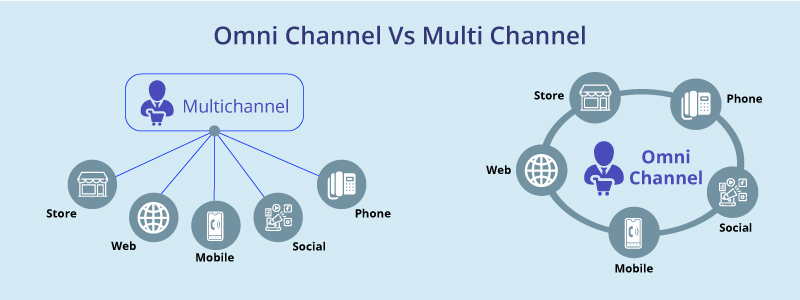
Omnichannel marketing refers to the integration of various channels (online, in-store, mobile, social media, etc.) to provide a unified and consistent customer experience. AI plays a vital role in this integration by:
- Personalization: AI algorithms analyze customer behavior and preferences to deliver personalized content, offers, and recommendations.
AI Personalization in Omnichannel Marketing: A Detailed Insight
Understanding AI Personalization
AI personalization refers to the use of machine learning algorithms and data analytics to create a tailored experience for each customer. By analyzing a myriad of data points, including browsing history, purchase behavior, and customer interactions, AI can predict preferences and deliver content, products, or services that resonate with individual needs and interests.
Mechanisms of AI Personalization in Omnichannel Marketing
- Real-Time Analytics: AI can process vast amounts of data in real-time, allowing businesses to respond to customer behavior instantly. For example, if a customer views a particular product online, they might receive a related offer via email or a mobile app notification.
- Dynamic Content Optimization: AI algorithms can automatically adjust website content, email campaigns, or in-app messages to align with individual preferences. This ensures that customers see the most relevant products, offers, or information across all channels.
- Behavioral Segmentation: AI can segment customers based on their behavior and engagement across various channels. This segmentation enables more targeted and effective marketing strategies.
- Personalized Recommendations: Using collaborative filtering and content-based filtering, AI can provide personalized product or content recommendations. This enhances cross-selling and up-selling opportunities.
Applications in Small to Medium-Sized Businesses
- E-commerce Personalization: A small online clothing store can use AI to recommend products based on previous purchases, browsing history, and even the weather in the customer’s location.
- Personalized Email Campaigns: A medium-sized fitness center might send personalized workout plans, nutritional advice, or special offers based on individual fitness goals and engagement with their app.
- Tailored Customer Support: A local tech support company can use AI to provide personalized support solutions based on a customer’s previous inquiries and product usage.
Outcomes and Benefits
- Increased Conversion Rates: By delivering relevant content and offers, businesses often see higher engagement and conversion rates. For example, a small online bookstore might experience a 30% increase in sales through personalized recommendations.
- Enhanced Customer Loyalty: Personalized experiences make customers feel valued and understood, fostering loyalty and encouraging repeat business.
- Optimized Marketing Spend: By targeting the right customers with the right content, businesses can achieve higher ROI on their marketing investments.
- Seamless Cross-Channel Experience: AI personalization ensures that customers receive a consistent and tailored experience across all channels, whether they are shopping online, via a mobile app, or in-store.
Leveraging AI personalization in omnichannel marketing is more than a trend; it’s a strategic imperative for businesses seeking to thrive in today’s competitive landscape. The ability to understand and respond to individual customer needs in real-time across multiple channels not only drives sales but also builds long-term relationships.
For small to medium-sized businesses, the integration of AI personalization offers a pathway to compete with larger players, providing a level of sophistication and customization previously reserved for major corporations.
The fusion of AI with a well-executed omnichannel strategy creates a dynamic and responsive marketing ecosystem, where every interaction is an opportunity to delight, engage, and convert.
- Predictive Analytics: Utilizing machine learning, AI can forecast customer needs and trends, allowing businesses to proactively respond.
AI Predictive Analytics in Omnichannel Marketing: A Comprehensive Exploration
Understanding AI Predictive Analytics
AI predictive analytics involves using machine learning algorithms and statistical models to analyze historical data and identify patterns, trends, and relationships. This analysis enables businesses to make informed predictions about future customer behavior, market trends, and potential opportunities or risks.
Mechanisms of AI Predictive Analytics in Omnichannel Marketing
- Customer Behavior Modeling: By analyzing past interactions across various channels, AI can model customer behavior, predicting future actions such as purchases, churn, or engagement with specific content.
- Demand Forecasting: AI can predict demand for products or services based on seasonality, market trends, and customer preferences, allowing for optimized inventory management and targeted marketing.
- Sentiment Analysis: By analyzing social media, reviews, and other online content, AI can gauge customer sentiment towards products, brands, or campaigns, guiding marketing strategies.
- Churn Prediction: AI can identify customers at risk of leaving, enabling proactive engagement strategies to retain them.
- Lifetime Value Prediction: AI can calculate the predicted lifetime value of customers, helping businesses to segment and target their marketing efforts more effectively.
Applications in Small to Medium-Sized Businesses
- Personalized Marketing Campaigns: A small beauty products retailer can use predictive analytics to forecast which products will be popular in the coming season and create targeted marketing campaigns across all channels.
- Inventory Optimization: A medium-sized grocery chain can predict demand for specific products, ensuring that inventory levels are maintained without overstocking or understocking.
- Customer Retention Strategies: A local service provider can identify customers at risk of churn and offer personalized incentives or support to retain them.
- Dynamic Pricing Models: An online boutique can use predictive analytics to adjust pricing based on demand, competition, and customer behavior, maximizing profits.
Outcomes and Benefits
- Increased Sales and Revenue: By anticipating customer needs and trends, businesses can create more effective marketing strategies, leading to higher conversion rates and sales.
- Enhanced Customer Engagement: Predictive insights enable businesses to engage customers with relevant content and offers at the right time, enhancing satisfaction and loyalty.
- Optimized Operational Efficiency: Predictive analytics allows for better inventory management, resource allocation, and marketing spend, reducing costs and improving ROI.
- Risk Mitigation: By identifying potential risks such as churn or negative sentiment, businesses can take proactive measures to address issues before they escalate.
- Unified Customer View: AI predictive analytics integrates data from various channels, providing a holistic view of the customer. This unified perspective enables a seamless and consistent omnichannel experience.
AI predictive analytics is a powerful tool in the omnichannel marketing arsenal, enabling businesses to move from reactive to proactive strategies. By understanding and anticipating customer behavior, market trends, and potential risks, small to medium-sized businesses can create personalized, timely, and effective marketing campaigns across all channels.
The integration of AI predictive analytics into omnichannel marketing strategies not only drives sales and customer engagement but also optimizes operations and mitigates risks. It provides a competitive edge in an increasingly complex and dynamic marketplace, where understanding and responding to customer needs is paramount.
In the era of data-driven decision-making, AI predictive analytics stands as a beacon of innovation and efficiency, transforming the way businesses connect with their customers and navigate the ever-changing landscape of digital marketing.
- Customer Service Automation: Chatbots and virtual assistants provide 24/7 support, answering queries and guiding customers through the buying process.
AI Customer Service Automation in Omnichannel Marketing: An In-Depth Analysis
Understanding AI Customer Service Automation
AI customer service automation refers to the use of AI technologies, such as chatbots, virtual assistants, and machine learning algorithms, to automate various customer service tasks. This automation aims to provide immediate, consistent, and personalized support across multiple channels, enhancing the overall customer experience.
Mechanisms of AI Customer Service Automation in Omnichannel Marketing
- Chatbots and Virtual Assistants: These AI-driven tools can handle routine inquiries, guide customers through processes, and even assist in sales, providing consistent support across web, mobile, social media, and more.
- Natural Language Processing (NLP): AI systems equipped with NLP can understand and respond to customer queries in natural language, making interactions more intuitive and human-like.
- Intelligent Ticket Routing: AI can analyze customer inquiries and route them to the appropriate human agent or department, reducing wait times and improving resolution efficiency.
- Self-Service Options: AI can provide customers with self-service options, such as FAQ bots or automated troubleshooting guides, empowering customers to find solutions on their own.
- Real-time Analytics and Insights: AI can analyze customer interactions in real-time, providing insights into customer sentiment, behavior, and needs, guiding ongoing marketing strategies.
Applications in Small to Medium-Sized Businesses
- 24/7 Support: A small online retailer can use chatbots to provide round-the-clock support, answering questions about products, shipping, returns, etc., without the need for a large customer service team.
- Personalized Engagement: A medium-sized travel agency might employ virtual assistants to offer personalized travel recommendations and assistance based on individual preferences and previous interactions.
- Streamlined Onboarding: A local bank can use AI to guide new customers through the account setup process, providing immediate answers and assistance, enhancing the onboarding experience.
- Feedback Collection: AI can automate the collection of customer feedback across various channels, providing valuable insights for continuous improvement and targeted marketing.
Outcomes and Benefits
- Enhanced Customer Satisfaction: Immediate, personalized, and consistent support across all channels enhances the customer experience, leading to higher satisfaction and loyalty.
- Increased Efficiency and Cost Savings: Automation reduces the need for extensive human support, lowering operational costs, and allowing human agents to focus on more complex issues.
- Improved Conversion Rates: By assisting customers through the buying process and addressing concerns promptly, AI customer service automation can increase conversion rates.
- Scalability: AI solutions can handle large volumes of inquiries, allowing businesses to scale their customer service without a proportional increase in costs.
- Unified Omnichannel Experience: AI ensures that customers receive the same level of support and information across all channels, reinforcing brand consistency and trust.
- Data-Driven Insights: Continuous analysis of customer interactions provides actionable insights for marketing, product development, and overall business strategy.
AI customer service automation is revolutionizing the way businesses engage with their customers in an omnichannel environment. By providing immediate, personalized, and consistent support, small to medium-sized businesses can compete with larger players in delivering a superior customer experience.
The integration of AI in customer service not only enhances customer satisfaction but also drives efficiency, scalability, and data-driven decision-making. It represents a strategic investment in building long-term customer relationships and achieving sustainable growth in the competitive landscape of digital marketing.
In the era of customer-centricity, AI customer service automation stands as a testament to the power of technology to humanize digital interactions, bridging the gap between businesses and their customers in a way that is both innovative and empathetic.
Examples in Small to Medium-Sized Businesses
- AI-Powered Email Marketing: A local fashion retailer can use AI to segment their email list based on purchasing behavior, sending personalized offers and recommendations. This has been shown to increase click-through rates and conversions.
- Chatbots for Customer Support: A small tech company might employ a chatbot to handle routine inquiries, freeing up human resources for more complex issues. This not only enhances customer satisfaction but also reduces operational costs.
- Predictive Analytics in Inventory Management: A medium-sized grocery chain can use AI to predict inventory needs based on historical data and current trends, minimizing overstocking or understocking issues.
ROI of Leveraging AI in Omnichannel Strategy
- Increased Sales: Personalization and targeted marketing often lead to higher conversion rates. For example, a small online bookstore that implemented AI-driven recommendations might see a 20% increase in sales.
- Improved Customer Retention: By providing a seamless and engaging experience, businesses often see higher customer loyalty and repeat purchases.
- Cost Efficiency: Automation and predictive analytics reduce operational costs, contributing to a healthier bottom line.
Pros and Cons of Implementing AI in Omnichannel Strategy
Pros:
- Enhanced Customer Experience: Personalized and consistent interactions across channels increase satisfaction and loyalty.
- Data-Driven Decisions: AI provides actionable insights, allowing for more informed and strategic decisions.
- Scalability: AI solutions can grow with the business, adapting to changing needs and markets.
Cons:
- Implementation Costs: Initial setup and integration of AI can be expensive, particularly for smaller businesses.
- Data Security Concerns: Handling large amounts of customer data requires robust security measures, which might be challenging for SMBs.
- Potential Loss of Human Touch: Over-reliance on automation might lead to a loss of personal connection with customers.
Conclusion
AI is undeniably reshaping the way small to medium-sized businesses approach digital marketing and omnichannel experiences. The integration of AI not only enhances customer engagement but also provides tangible ROI through increased sales, customer retention, and cost efficiency.
However, the journey towards AI-driven omnichannel marketing is not without challenges. Businesses must carefully weigh the pros and cons, considering factors such as implementation costs, data security, and maintaining a human connection.
In the ever-evolving landscape of digital transformation, those who successfully leverage AI in their omnichannel strategies stand to gain a competitive edge, fostering stronger relationships with their customers and driving sustainable growth.
 De Lio Tech Trends