Balancing AI and Human Touch in Customer Experience Management

Introduction

In the modern business landscape, artificial intelligence (AI) has become an indispensable tool for improving customer experience (CX) management. However, striking the right balance between automated and human-powered solutions is crucial to achieve optimal results. In this blog post, we will explore the advantages and disadvantages of using AI in CX management, when to automate or manually execute tasks, and the various areas where AI can be applied. Additionally, we will discuss the expected timeline for effective AI deployment in customer experience management.

Advantages of AI in Customer Experience Management

  1. Personalization: AI-powered systems can analyze vast amounts of customer data to provide tailored product recommendations, promotions, and messaging. This level of personalization enhances the customer experience and increases the likelihood of repeat business.
  2. Faster Response Times: AI chatbots and virtual assistants can provide instant assistance to customers, which reduces wait times and improves overall satisfaction.
  3. 24/7 Availability: AI systems can offer round-the-clock customer support, ensuring that customers receive help whenever they need it.
  4. Cost Reduction: By automating routine tasks, AI can help businesses save on labor costs and allocate human resources to more strategic activities.
  5. Improved Analytics: AI-driven analytics can identify patterns and trends in customer behavior, enabling businesses to make data-driven decisions and optimize their CX strategies.

Disadvantages of AI in Customer Experience Management

  1. Limited Emotional Understanding: Despite advancements in AI technology, machines still struggle to interpret and respond appropriately to complex emotions and nuanced situations.
  2. Miscommunication: AI chatbots and virtual assistants may sometimes misunderstand customer queries or provide irrelevant information, leading to customer frustration.
  3. Data Privacy Concerns: The widespread use of AI in CX management can raise privacy concerns, as customers may be hesitant to share personal information with automated systems.
  4. Job Displacement: The automation of CX tasks can lead to job displacement, as human roles may become obsolete in the face of AI-powered solutions.

When to Automate and When to Rely on Human Intervention

Automation should be employed in routine, repetitive tasks, such as handling frequently asked questions, processing refunds, and updating customer information. These tasks can be easily managed by AI systems, which allows human employees to focus on more complex and strategic activities.

Human intervention is necessary when addressing emotionally-charged situations, resolving complex issues, and providing personalized, empathetic support. In such cases, human agents can better understand the nuances of customer emotions and provide tailored solutions that satisfy their needs.

Areas of AI Exploration in Customer Experience

  1. Full Exploration:
    • Sentiment Analysis: Analyzing customer feedback to understand their emotions and satisfaction levels.
    • Conversational AI: Developing more sophisticated chatbots and virtual assistants capable of handling complex queries.
    • Predictive Analytics: Leveraging AI to predict customer behavior and tailor CX strategies accordingly.
  2. Nice to Have:
    • AI-generated Content: Using AI to create personalized marketing content, although it may lack the creativity of human-generated content.
    • Robotic Process Automation (RPA): Automating back-office tasks to support the customer experience, though not directly impacting customer interactions.

Effective AI Deployment Timeline

An effective AI deployment in customer experience management can take anywhere from 6 months to 2 years, depending on the organization’s size, existing infrastructure, and resources. Factors influencing the timeline include data availability and quality, system integration, staff training, and ongoing monitoring and optimization.

Conclusion

Artificial intelligence has the potential to revolutionize customer experience management by automating routine tasks, offering personalized experiences, and providing valuable insights. However, striking the right balance between AI-powered solutions and human intervention is essential for optimal results. By carefully selecting the areas where AI can be most effective and maintaining a human touch where necessary, businesses can harness the benefits of AI while minimizing its drawbacks. It is important to continually assess and optimize AI deployment in customer experience management to ensure a seamless integration of technology and human expertise, leading to enhanced customer satisfaction and loyalty. Ultimately, the key to success lies in finding the right mix of automation and human interaction, allowing organizations to deliver exceptional customer experiences in an increasingly competitive market.


The Ethical Quandary of AI in Customer Experience Management: Balancing Satisfaction, Loyalty, and Human Interaction

Introduction

The advancement of artificial intelligence (AI) has had a profound impact on numerous industries, and one of its most promising applications is in customer experience management (CEM). Organizations are increasingly leveraging AI to enhance customer satisfaction, interactions, and loyalty. However, the introduction of AI in CEM raises ethical concerns that must be addressed. In this blog post, we will explore the pros and cons of deploying AI in customer experience management, the ethical considerations involved, and the balance between return on investment (ROI) and the loss of human interaction.

Pros of Deploying AI in CEM

  1. Enhanced Customer Service: AI-driven chatbots and virtual assistants can handle multiple customer interactions simultaneously, reducing wait times and providing quick solutions. This results in improved customer satisfaction and increased brand loyalty.
  2. Personalized Experiences: AI-powered systems can analyze customer data and preferences to deliver highly personalized experiences, increasing the likelihood of repeat business and positive word-of-mouth.
  3. Cost Savings: AI can automate routine tasks and interactions, freeing up human agents to focus on more complex issues, leading to reduced operational costs.
  4. Scalability: AI-driven solutions can easily scale to meet fluctuating customer demands without the need for additional staff or resources.

Cons of Deploying AI in CEM

  1. Loss of Human Interaction: The implementation of AI can lead to the loss of human touch in customer service, which is essential for building long-lasting relationships and addressing the emotional needs of customers.
  2. Data Privacy Concerns: The collection and analysis of customer data by AI systems raises privacy concerns and may lead to ethical dilemmas around data protection and consent.
  3. Misaligned Goals: AI systems may focus on short-term goals like resolving customer issues quickly, but may not consider long-term goals like building relationships and customer loyalty.
  4. AI Bias: AI systems trained on biased data can perpetuate stereotypes and discrimination, leading to unfair treatment of certain customer segments.

Ethical Considerations

  1. Transparency: Organizations should be transparent about the use of AI in their customer experience management, including any data collection and analysis.
  2. Privacy and Data Protection: Companies must ensure that customer data is stored securely and used ethically, respecting data privacy regulations and customer preferences.
  3. Human Oversight: Organizations should maintain a balance between AI and human interaction, involving human agents in decision-making processes to minimize ethical risks.
  4. Inclusivity and Fairness: AI systems must be trained on diverse and representative data to avoid perpetuating biases and discrimination.

Balancing ROI and the Loss of Human Interaction

When considering the deployment of AI in customer experience management, organizations should evaluate the potential ROI against the loss of human interaction. This can be done by:

  1. Defining KPIs: Establish clear key performance indicators (KPIs) to measure the success of AI implementations, such as customer satisfaction rates, customer retention, and average handling time.
  2. Monitoring AI Performance: Regularly track AI-driven interactions to assess if AI systems are meeting their objectives and providing value to customers.
  3. Ensuring Human Involvement: Design customer experience management strategies that blend AI and human interaction to maintain personal connections with customers.
  4. Collecting Customer Feedback: Solicit customer feedback on AI-driven interactions to determine if customers are satisfied with the level of service provided and the balance between AI and human interaction.

Conclusion

The deployment of AI in customer experience management can lead to significant benefits in terms of customer satisfaction, interactions, and loyalty. However, it is essential for organizations to address the ethical concerns and potential drawbacks, including the loss of human interaction. By taking a balanced approach that blends AI with human involvement and prioritizes ethical considerations, companies can continue to explore where AI and human interaction provide the value versus required additional expenditure in technology.

Best ways to leverage cognitive artificial intelligence in developing a marketing automation strategy for small to medium sized businesses

Cognitive artificial intelligence can significantly improve marketing automation strategies for small to medium-sized businesses (SMBs) by enhancing customer targeting, personalization, and engagement. Here are the best ways to leverage cognitive AI for your marketing automation strategy:

  1. Customer Segmentation: Use AI-driven analytics to segment customers based on various factors, such as demographics, preferences, and purchase history. This enables you to create tailored marketing campaigns that resonate with each group.
  2. Personalization: Develop personalized marketing messages and offers based on individual customer profiles. Cognitive AI can help analyze customer data and preferences to generate content that appeals to each customer, increasing engagement and conversion rates.
  3. Predictive Analytics: Utilize AI-powered predictive analytics to anticipate customer behavior, identify trends, and forecast sales. This information helps you optimize your marketing strategy by targeting customers with the highest potential for conversion.
  4. Chatbots and Virtual Assistants: Implement AI-driven chatbots and virtual assistants to engage with customers in real-time, providing immediate support and assistance. This can help streamline customer interactions, save time, and improve overall customer satisfaction.
  5. Social Media Listening and Analytics: Leverage AI tools to monitor social media channels, analyzing customer sentiment and feedback to inform your marketing strategy. This can help identify key influencers, track brand mentions, and gauge customer satisfaction levels.
  6. Content Generation: Use AI-powered content generators to create engaging, relevant content for your marketing campaigns. These tools can save time by automating content creation, while ensuring that the content is optimized for SEO and engagement.
  7. A/B Testing and Optimization: Employ AI-driven A/B testing tools to optimize your marketing campaigns. These tools can analyze various factors, such as headlines, images, and call-to-action buttons, to determine the most effective combinations for maximizing conversions.
  8. Email Marketing: Enhance your email marketing efforts with AI-driven tools that optimize send times, subject lines, and content. This can help increase open rates, click-through rates, and overall engagement.
  9. Lead Scoring: Use AI-powered lead scoring systems to prioritize leads based on their likelihood to convert. This enables your marketing team to focus their efforts on high-value prospects, improving conversion rates and ROI.
  10. Customer Retention and Loyalty: Utilize cognitive AI to analyze customer behavior and identify patterns that signal churn risk. This allows you to proactively address issues and implement retention strategies, ultimately enhancing customer loyalty and increasing lifetime value.

Leveraging Focused Marketing Messages for Small Businesses: Omnichannel Strategy and Target Segmentation

Introduction

The ever-evolving landscape of digital marketing presents small businesses with a plethora of opportunities to grow their brand and reach their target audience. Among these strategies, omnichannel marketing has emerged as a powerful approach that allows businesses to engage customers across various touchpoints, providing a seamless and consistent experience. However, striking the right balance in messaging and segmentation can be challenging. In this blog post, we will delve into how small businesses can leverage focused marketing messages in an omnichannel strategy while avoiding the pitfalls of over-segmentation and siloed marketing efforts.

The Power of Focused Marketing Messages in Omnichannel Strategy

Clarity and Consistency
Having a clear and consistent marketing message across all channels ensures that your audience receives a unified brand experience. This helps build brand recognition and trust among customers, eventually leading to increased conversions and loyalty.

Personalization and Relevance
By crafting focused marketing messages that cater to your target audience’s needs and preferences, you can create personalized experiences that resonate with them. This leads to higher engagement rates, improved customer satisfaction, and ultimately, better ROI for your marketing efforts.

Amplification and Synergy
When your marketing messages are aligned across all channels, they reinforce each other and create a synergistic effect. This amplification helps in maximizing the impact of your marketing efforts, which can drive more traffic, conversions, and sales for your business.

The Pros and Cons of Over-Segmenting and Siloed Marketing

Pros:

Precision Targeting
Segmenting your audience allows you to create highly relevant and targeted marketing messages. This can result in better engagement and higher conversion rates, as customers are more likely to respond to content that directly addresses their needs and preferences.

Improved ROI
By targeting specific segments of your audience, you can optimize your marketing budget and allocate resources more efficiently. This can lead to a higher return on investment, as you’ll be spending your marketing dollars on the most receptive audience segments.

Cons:

Fragmented Customer Experience
Over-segmenting your audience and creating siloed marketing efforts can lead to a disjointed and inconsistent customer experience. This can hinder brand recognition and dilute the impact of your marketing messages, making it harder for customers to understand and connect with your brand.

Limited Reach
While focusing on specific audience segments can be beneficial, it may also limit your brand’s exposure to potential customers. By narrowing your target audience too much, you risk missing out on valuable prospects who may not fit neatly into your predefined segments.

Conclusion

Incorporating focused marketing messages into your omnichannel strategy can be a game-changer for your small business. However, it’s essential to strike a balance between personalization and segmentation, ensuring that your marketing efforts are neither too siloed nor overly segmented. By doing so, you can create a seamless and engaging customer experience that drives brand loyalty, conversions, and growth.

Sentient Artificial Intelligence: Boon or Bane for Small Businesses?

In recent years, artificial intelligence (AI) has witnessed a significant leap from simple rule-based algorithms to sentient AI, capable of human-like thinking, decision-making, and self-awareness. This technological advancement has opened doors to endless possibilities, with small businesses poised to benefit from this breakthrough. However, as with any groundbreaking innovation, sentient AI brings with it both advantages and disadvantages. This blog post aims to explore the pros and cons of sentient artificial intelligence and how small businesses can harness its potential to thrive in a competitive landscape.

Advantages of Sentient AI

Improved Efficiency and Productivity: Sentient AI can streamline operations by automating repetitive tasks and processes, thus enabling employees to focus on more critical and value-adding activities. This increase in efficiency can lead to higher productivity levels and significant cost savings.

Enhanced Customer Service: Sentient AI-powered chatbots can deliver personalized and accurate customer service solutions, available 24/7. They can understand the customer’s needs and emotions, leading to more effective communication and higher customer satisfaction rates.

Data-driven Decision Making: Sentient AI can process vast amounts of data at an incredible speed, providing small businesses with crucial insights that can drive decision-making. Leveraging these data-driven insights can lead to better strategic planning and informed decisions.

Innovation and Creativity: Sentient AI can identify patterns and trends that may otherwise go unnoticed, driving innovation and creative problem-solving. This ability can help small businesses to develop new products, services, and business models that set them apart from competitors.

Disadvantages of Sentient AI

High Initial Investment: The development and implementation of sentient AI can be expensive, especially for small businesses with limited budgets. Additionally, the ongoing maintenance and upgrading of AI systems can add to the overall costs.

Job Displacement: As sentient AI can automate many tasks previously performed by humans, there is a risk of job displacement. Small businesses may face backlash from employees concerned about losing their jobs or being replaced by AI systems.

Ethical Concerns: The rise of sentient AI raises several ethical questions, such as the extent to which AI should be allowed to make decisions that impact human lives. Additionally, there are concerns about data privacy and the potential misuse of AI for malicious purposes.

Dependence on Technology: An overreliance on sentient AI could lead to decreased human critical thinking and problem-solving abilities. In the event of AI system failures, businesses may struggle to cope without the necessary human expertise.

Leveraging Sentient AI for Small Businesses

Despite the disadvantages, small businesses can still harness the power of sentient AI by taking the following steps:

Assess and prioritize AI implementation: Small businesses should identify the areas where sentient AI can add the most value and start by integrating AI solutions into those processes.

Invest in employee training and development: By upskilling employees to work alongside sentient AI, small businesses can mitigate job displacement concerns and create a workforce that can adapt to the evolving technology landscape.

Establish ethical guidelines: Developing a set of ethical guidelines for the use of sentient AI can help small businesses navigate the ethical concerns surrounding this technology and ensure responsible usage.

Maintain a balance between AI and human expertise: Small businesses should strike a balance between relying on sentient AI and preserving human expertise, enabling them to adapt to any potential technological failures and maintain operational efficiency.

Conclusion

The rise of sentient artificial intelligence presents both opportunities and challenges for small businesses. By carefully considering the advantages and disadvantages, small businesses can make informed decisions about integrating sentient AI into their operations, leveraging its potential for growth and success while mitigating potential risks.

Innovative execution of customer experience management strategy within the martech space

Customer experience management (CEM) is a critical aspect of business operations. It is the process of designing and managing interactions between a customer and a company, with the aim of creating a positive experience that meets or exceeds their expectations. Martech, or marketing technology, is an industry that has been revolutionized by the adoption of digital technologies to manage and optimize marketing processes. In this blog post, we will explore an innovative execution of customer experience management strategy within martech space.

The rise of martech has led to the emergence of new tools and platforms that enable businesses to enhance their customer experience management. One such example is the use of chatbots, which are AI-powered programs that can communicate with customers in natural language. Chatbots can be integrated into websites, social media platforms, and messaging apps to provide customer support and answer questions.

Chatbots are not only cost-effective, but they also offer round-the-clock support, which can significantly improve the customer experience. However, the key to success in using chatbots for customer experience management is to ensure that they are designed and deployed effectively.

One company that has effectively leveraged chatbots for customer experience management is Sephora, a leading beauty retailer. Sephora’s chatbot, which is available on its website and messaging app, is designed to help customers find the right products based on their preferences, skin type, and other factors.

The chatbot uses natural language processing and machine learning to understand customer queries and provide personalized recommendations. Customers can also ask the chatbot questions about specific products or brands, and the chatbot can provide information on ingredients, reviews, and more.

Sephora’s chatbot is not only effective but also user-friendly. It has a conversational tone and is designed to mimic the experience of talking to a beauty advisor in-store. The chatbot also provides links to relevant product pages, making it easy for customers to make a purchase.

Another company that has effectively used chatbots for customer experience management is Pizza Hut. Pizza Hut’s chatbot, which is available on its website and Facebook Messenger, enables customers to order pizza and track their delivery status.

The chatbot uses natural language processing to understand customer orders and preferences, and it also integrates with Pizza Hut’s loyalty program, allowing customers to earn and redeem rewards. The chatbot is also designed to provide personalized recommendations based on previous orders and customer preferences.

In conclusion, the use of chatbots for customer experience management is a trend that is set to continue in the martech space. Companies that effectively design and deploy chatbots can improve their customer experience, reduce costs, and increase revenue. As we have seen with Sephora and Pizza Hut, chatbots can provide personalized recommendations and support that mimic the experience of talking to a human advisor. The key to success is to ensure that chatbots are user-friendly, effective, and designed with the customer in mind.

Revolutionizing Customer Experience Management: Today’s Game-Changing Innovations

Customer experience management (CEM) has never been more exciting than it is today! As the world of customer engagement rapidly evolves, companies are stepping up their game to meet the ever-changing demands of consumers. Today, we’re breaking down some of the most significant developments in CEM strategy that have taken the field by storm.

🚀 AI-powered Personalization: Meet Your New Best Friend!

Say goodbye to generic customer interactions! Today, a cutting-edge AI platform was unveiled that takes personalization to a whole new level. By harnessing the power of advanced algorithms and machine learning, this AI system can analyze vast amounts of customer data in real-time to deliver highly tailored recommendations and experiences. Customers are raving about the genuine connections they’re forming with brands thanks to this game-changing technology.

🌐 Omnichannel Mastery: Seamlessly Connecting the Dots

Today marked the launch of an innovative omnichannel platform that ensures a consistent and seamless customer experience across all touchpoints. This groundbreaking system unifies all communication channels, allowing businesses to engage with customers via their preferred method – be it email, social media, or chatbots. The result? Effortless interactions and sky-high customer satisfaction rates.

🎯 Hyper-targeted Marketing: Unlock the Full Potential of Data

Big data has revolutionized how we approach customer experience management, and today’s announcement of an advanced analytics tool takes it a step further. By leveraging predictive analytics, this new solution allows businesses to anticipate customer needs and tailor their marketing efforts accordingly. The era of mass marketing is over; welcome to the age of highly targeted, data-driven campaigns!

🤖 Empathetic Chatbots: Humanizing Automation

Chatbots have been a staple in customer service for years, but today’s revelation of a groundbreaking empathetic chatbot has forever changed the game. Powered by natural language processing and sentiment analysis, this chatbot can understand not just what customers are saying but also how they’re feeling. By empathizing with customers and addressing their emotional needs, businesses can build stronger connections and foster long-lasting loyalty.

These exciting developments in the field of customer experience management strategy are just the beginning. As technology continues to advance, there’s no doubt that we’ll continue to see even more innovative solutions that delight customers and keep them coming back for more. Stay tuned for the latest news in the ever-evolving world of CEM!

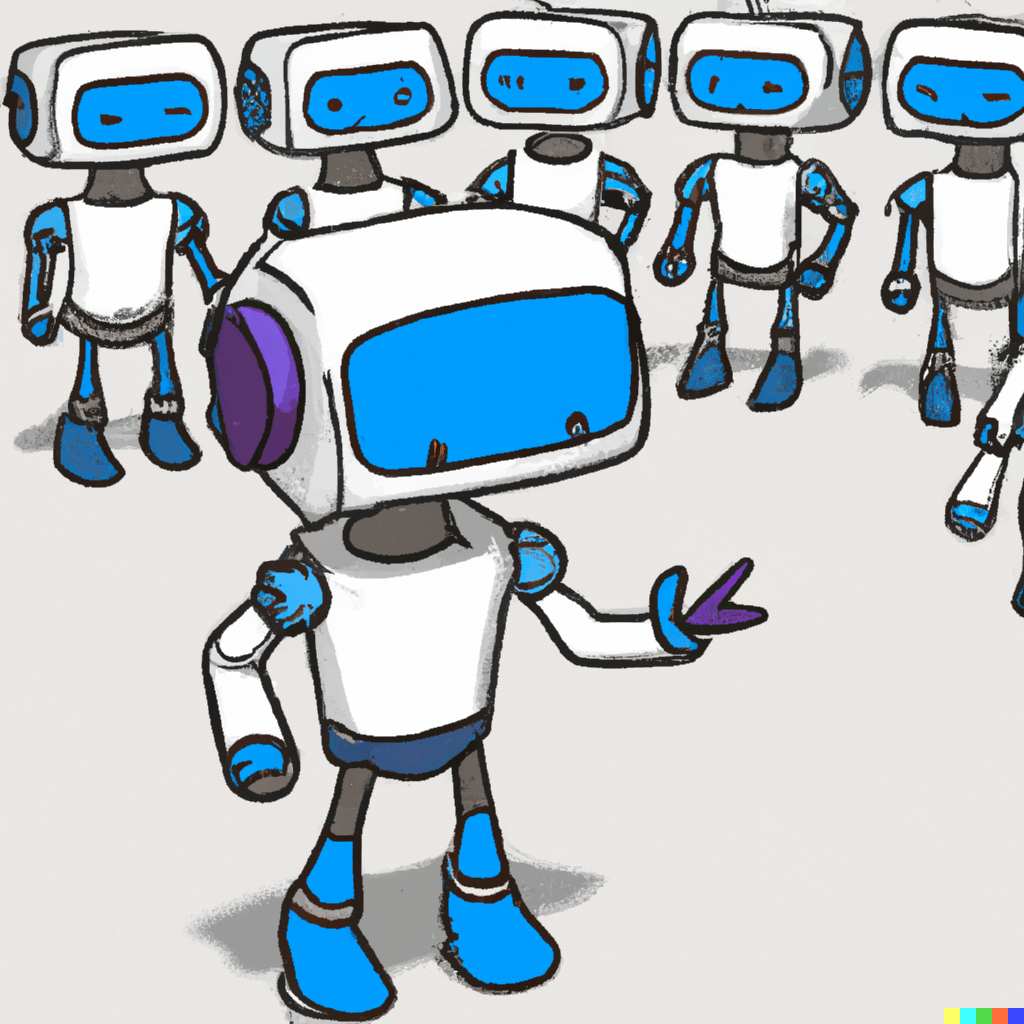
The Rise of the AI Chatbot Army: Transforming Customer Experience Management!

In a remarkable development that’s making waves across the customer experience management (CEM) world, today, several major companies announced the successful implementation of advanced AI-driven chatbots to revolutionize their customer support and engagement strategies.

So, what makes these AI chatbots so special, and why are they becoming an integral part of modern CEM? These intelligent virtual assistants are designed to understand natural language, learn from interactions, and provide instant, accurate responses to customer queries, all while offering personalized experiences. The result? Faster, more efficient support and dramatically improved customer satisfaction!

The benefits don’t stop there. By handling routine tasks and frequently asked questions, AI chatbots free up human agents to focus on more complex or emotionally sensitive issues, ensuring customers receive the right kind of support at the right time.

One striking example of AI chatbot success comes from a leading e-commerce platform that reported a 40% reduction in support ticket volume and a significant boost in customer satisfaction scores, all thanks to their new chatbot team members.

But it’s not just about customer support. AI chatbots are also transforming marketing and sales, helping businesses engage with prospects and customers in real-time, guiding them through the buyer’s journey with personalized recommendations and assistance.

As AI chatbot technology continues to evolve, the impact on CEM is likely to be profound. We can expect faster resolution times, more personalized experiences, and overall happier customers, all while reducing operational costs for businesses.

Join the conversation and share your thoughts on the future of AI chatbots in customer experience management. How do you see this technology reshaping the way businesses interact with their customers? Let’s explore the possibilities together! #AIChatbots #CEMTransformation

A Case for Factual Positivity…

The hourly barrage of disappointing news, statistics that highlight the negative trends which can be culled from any sample data and the dire warnings of things to come can really take its toll on you mentally if you let it. However, there is also a problem with “only” hunting for and regurgitating the positive (trying to find that silver lining), ironically you may start to imagine / embellish / inflate stories you have heard that may not actually be factual. So, what am I trying to say here…Positivity is beneficial, when it is grounded in fact and comes with a reputable audit trail. This is a lot harder to produce than the alternative. Yes, there are always people that will gravitate to the negative, salacious and / or outrageous commentary. Why, because it’s exciting and can be used to attract an interactive and boisterous audience which equals more pageviews and more clicks. Positivity is typically not going to be as “sexy” as a negativity, especially when that negative statement is rooted in controversy. We’ve all heard of the term Hot Takes and the provocative nature they are derived from.

Understanding the above, leadership needs to know their audience (I discussed this in a previous post)…will the audience listen to facts, will it be confusing to the group, does it meet the expectations of the reader? The author may want to begin the dialog with controversy / negativity / rumor just to gain their audiences attention, pique their interest and then begin to address the individual topics one-by-one with a positive spin, containing the facts that will ultimately push the negative elements to the back of their audience’s mind. However, be aware in that audience there may also be…

The Troll

Unfortunately, there has been a whole new online personality that has developed over the last few years (Internet Troll) – Those that love to poke the bear for a reaction and ultimately receive notoriety that they would not have normally had in “normal” society. They would not dare do this in public, so they will hide behind avatars, burner accounts, handles and any other user id that gives them anonymity. Once exposed, they will quickly dispose of the ID and start a new one to continue their lust for attention. While often easy to shut them down via facts and figures, they are not limited in their pursuit of a crowd. They will often say the most outrageous comments, just to see / get the reaction. Getting out in front of them is key in your communication strategy to shed positivity, where positivity is warranted.

In summary, the case for factual positivity is absolutely warranted. It provides that proverbial “light at the end of the tunnel” which helps to keep the team / organization motivated, but also aides in knocking the troll nation down a peg by hindering the notoriety and fame they are desperately seeking.

Collaboration Tools in The Spotlight…

Now that most of us have been asked / forced to work from home, collaboration tools are getting a lot of use and hopefully your organization was ahead of the move and not scrambling to deploy and adopt during a crisis.

Over the years that I’ve spent in consulting, I’ve been exposed to numerous tools, some good, some bad, but they all seemed to meet the immediate need at the moment. I witnessed the progression from messaging to full fledge collaboration (sharing, editing of files live) and with each iteration there were always hurdles and learning curves that needed to be overcome. Messaging always seemed to be fairly straightforward…type a comment or response, click send and repeat.

Then came the Calendar and Scheduling functions…a bit trickier as you need to filter between public and private entries, have access to others calendars and even the more complex ability to schedule conference rooms. However, if this capability is functioning as expected it becomes very efficient in scheduling meetings / calls and ensuring that participants are available and not double-booked. I found folks that would “block” certain hours out during the day so they weren’t swamped with back-to-back meetings, or requested for attendance during their lunch hour. This practice is highly effective when working in a global culture and when individuals forget about timezones.

Then came the more exotic and truly collaborative functionality of live / in-line editing of files (documents, spreadsheets, project plans…etc.). This often requires a lot of education and more important governance around who, what and when documents should be manipulated. There have been too many times when someone forgets they are actively updating, or worse, deleting a document. When you are working as a team on a file, you have to remember that someone else can be in that file at the same time. I’ve found that the old SharePoint method of checking-out and checking-in documents was a bit safer. However, new tools will show you when a person is in the document and what they may be updating at the moment. This often works well when your network, WiFi and connectivity are top-notch.

Here are some Pros and Cons of collaboration tools: (per my colleagues)

  • Pro:
  • Higher productivity in a team environment
  • Accountability across the team versus individual
  • Greater visibility within the team to workload and availability
  • Intuitive collaboration – Sharing of ideas with immediate feedback
  • Standardization of applications
  • Fairly easy deployment of tool(s)
  • Con:
  • Managing individual calendar more difficult (being invited to everything)
  • Collaboration governance not adhered to – Too much access is granted to files (files deleted, modified or moved)
  • Tool adoption is more complicated when someone has used another tool they are more comfortable with – Bring Your own Tool (BYOT)
  • Fear of Big Brother – Opening my calendar, or current status allows management to see what I’m doing every minute of the day

Finally, while there are numerous offerings out there with a lot of options for small to large corporations and even families or groups, you should spend some time defining your problem statement – what is it that you want to address and make more efficient. Perhaps starting small and then rolling-in more complexity will make your team adopt the tool more effectively. Either way, this is the ideal time to do your research and see how a collaboration application can help keep your team’s communication optimal.

In no particular order, here are some tools that I’ve used and / or deployed:

Communication –

General Collaboration –

In future posts I will explore the content management systems (on-premise / cloud), repositories and digital asset management systems that have linkage to the products listed above that I’ve been exposed to.