Generative AI in Customer Experience Management: A Double-Edged Sword

Introduction

As artificial intelligence (AI) continues to advance, generative AI models are becoming more prevalent in customer experience management (CEM). These models can provide innovative solutions for businesses to engage with customers, but there are potential drawbacks. In this blog post, we will explore the advantages and disadvantages of generative AI in CEM, determine when it is best to let AI run the strategy or involve human intervention, and discuss how to measure success and key performance indicators (KPIs).

Advantages of Generative AI in Customer Experience Management

  1. Personalization and customer segmentation: Generative AI models can analyze vast amounts of customer data to create unique and personalized experiences. This level of customization enables businesses to target specific customer segments, tailoring offers and recommendations to individual preferences and behavior patterns.
  2. Real-time customer support: AI-driven chatbots can provide immediate, round-the-clock assistance to customers, resolving issues and answering queries more efficiently than human agents.
  3. Enhanced automation: Generative AI can streamline many manual tasks within CEM, such as data analysis and customer interactions, leading to increased efficiency and reduced costs.
  4. Improved decision-making: AI-driven predictive analytics can help businesses make more informed decisions regarding customer engagement strategies, leading to better outcomes.

Disadvantages of Generative AI in Customer Experience Management

  1. Loss of human touch: Over-reliance on AI-driven interactions may lead to the loss of human empathy and understanding, which can be detrimental to customer relationships.
  2. Privacy concerns: The data collection required to fuel generative AI models may raise privacy concerns among customers.
  3. Ethical considerations: Generative AI models can inadvertently perpetuate biases and stereotypes present in their training data, leading to ethical dilemmas.
  4. High costs of implementation: The development and maintenance of AI-driven systems can be expensive, especially for small and medium-sized enterprises (SMEs).

Balancing AI and Human Intervention in Customer Experience Management

Incorporating AI in CEM should be done with a balance between automation and human intervention. Human intervention is crucial in:

  1. Addressing complex customer issues that require empathy and understanding.
  2. Ensuring the ethical use of AI and preventing biases.
  3. Validating AI-driven insights and making final decisions based on those insights.

To strike the right balance, businesses should:

  1. Train employees to work alongside AI systems, leveraging the strengths of both.
  2. Regularly review and update AI models to reduce biases and improve accuracy.
  3. Establish a clear decision-making process that outlines when human intervention is required.

Measuring Success and Key Performance Indicators

When deploying generative AI in CEM, it is essential to define success metrics and KPIs. Some examples include:

  1. Customer satisfaction (CSAT) scores: These scores help determine how satisfied customers are with their interactions with the AI-driven systems.
  2. Net Promoter Score (NPS): The NPS measures the likelihood of customers recommending the business to others, indicating the effectiveness of AI-driven customer engagement strategies.
  3. Resolution time: Track the time taken to resolve customer issues with AI-driven solutions compared to human intervention.
  4. Cost savings: Measure the reduction in operational costs attributed to AI-driven automation.
  5. Employee productivity: Monitor any improvements in employee productivity resulting from AI-driven solutions.

Conclusion

Generative AI has the potential to revolutionize customer experience management, but it is not without its challenges. Balancing AI-driven automation with human intervention is crucial for a successful implementation. By defining clear success metrics and KPIs, businesses can measure the effectiveness of their AI-driven strategies and make informed decisions to optimize their customer experience management.

Balancing AI and the Human Touch in Customer Experience Management

Introduction

In recent years, artificial intelligence (AI) has emerged as a driving force in customer experience management (CEM). As businesses invest in AI-powered solutions, it’s important to weigh the advantages and disadvantages of leveraging this technology. Moreover, finding ways to maintain the personal touch that customers value is critical. In this blog post, we will discuss the pros and cons of integrating AI into CEM, explore how to preserve the human element, and suggest methods to measure the success of AI deployment using key performance indicators (KPIs).

Advantages of AI in Customer Experience Management

  1. Efficiency: AI-powered chatbots and virtual assistants can handle multiple customer inquiries simultaneously, reducing wait times and improving overall response rates. This efficiency translates to cost savings for businesses and enhanced customer satisfaction.
  2. Personalization: AI can analyze vast amounts of customer data to generate personalized recommendations and tailor communications to individual preferences. This results in a more engaging and relevant experience for customers.
  3. Proactive Support: AI systems can predict potential issues and customer needs by analyzing historical data and patterns. This proactive approach helps businesses address concerns before they escalate, improving customer satisfaction and loyalty.
  4. Analytics and Insights: AI-powered analytics provide valuable insights into customer behavior and preferences, enabling businesses to optimize their offerings and target their marketing efforts more effectively.

Disadvantages of AI in Customer Experience Management

  1. Loss of Human Touch: A major concern with the adoption of AI is the potential loss of the personal connection that customers value. While AI can automate many tasks, it cannot replace the empathy and understanding that human customer service representatives bring to the table.
  2. Privacy Concerns: The use of AI in CEM often involves the collection and analysis of large amounts of customer data, raising privacy concerns for some customers.
  3. Implementation Challenges: Integrating AI into existing systems and workflows can be complex and time-consuming, requiring a significant investment of resources.

Retaining the Personal Touch in AI-Driven Customer Experience Management

  1. Hybrid Approach: Combining AI with human support ensures that customers have access to both efficient, automated support and empathetic human interaction when needed. Businesses should adopt a hybrid approach that allows customers to choose between AI and human assistance based on their preferences.
  2. Empower Human Agents: AI can be used to equip human customer service representatives with better information and tools, enabling them to provide more informed, personalized support.
  3. Train AI to Show Empathy: Businesses should invest in training their AI systems to recognize and respond to emotional cues, making interactions feel more personal and human-like.

Measuring Success of AI Deployment in Customer Experience Management

  1. Customer Satisfaction (CSAT) Scores: A key indicator of success in CEM is customer satisfaction. CSAT scores can be used to measure the impact of AI on the overall customer experience.
  2. Net Promoter Score (NPS): NPS measures customer loyalty and the likelihood of customers to recommend a business to others. Tracking NPS before and after AI implementation can help gauge its effectiveness.
  3. First Contact Resolution (FCR) Rates: FCR is the percentage of customer inquiries resolved during the initial interaction. Higher FCR rates indicate that AI is helping to streamline and improve the customer support process.
  4. Average Handling Time (AHT): AHT measures the time it takes to handle a customer inquiry. AI implementation should ideally result in reduced AHT without sacrificing customer satisfaction.

Conclusion

AI offers numerous advantages in customer experience management, but businesses must balance these benefits with potential drawbacks. Retaining the personal touch and adopting a hybrid approach is essential for ensuring customer satisfaction. Measuring success using key performance indicators like CSAT scores, NPS, FCR rates, and AHT can help businesses optimize their AI investment and strategy, while monitoring their ROI and ensure expectations are being met.

Deep Learning Demystified: A Comprehensive Guide for Small and Medium-sized Businesses

Introduction

Deep learning, a subset of machine learning, has gained immense popularity in recent years. It mainly focuses on artificial neural networks (ANNs), particularly deep neural networks (DNNs), to enable computers to learn complex patterns from large datasets. This blog post will explore the fundamentals of neural networks, popular architectures, and strategies to help small and medium-sized businesses (SMBs) effectively leverage deep learning techniques. We will also discuss the pros and cons of deep learning and key performance indicators (KPIs) to measure success.

Understanding the Fundamentals

  1. Neural Networks: Artificial neural networks, inspired by the human brain, consist of interconnected nodes (neurons) organized in layers. The input layer receives the raw data, hidden layers process the data, and the output layer produces the final result. These networks learn by adjusting the weights of the connections between the neurons to minimize the error between the predicted and actual output.
  2. Backpropagation: This is the primary learning algorithm used in neural networks. It works by calculating the gradient of the loss function (difference between predicted and actual output) concerning each weight, and then adjusting the weights in the opposite direction of the gradient to minimize the loss.
  3. Activation Functions: These functions introduce non-linearity in neural networks, enabling them to learn complex relationships in the data. Common activation functions include the Sigmoid, Hyperbolic Tangent (tanh), and Rectified Linear Unit (ReLU).

Popular Architectures

  1. Convolutional Neural Networks (CNNs): CNNs are designed for image processing and computer vision tasks. They consist of convolutional layers that learn to recognize local features in images, pooling layers that reduce spatial dimensions, and fully connected layers for classification.
  2. Recurrent Neural Networks (RNNs): RNNs are suitable for sequence data, such as time series or natural language. They have connections between hidden layers in a loop, allowing them to maintain a hidden state that can capture information from previous time steps.
  3. Transformers: These networks have revolutionized natural language processing with their self-attention mechanism, which enables them to process sequences in parallel rather than sequentially, resulting in improved performance and efficiency.

Pros and Cons

Pros:

  • Deep learning can learn complex patterns and representations from large datasets.
  • It has achieved state-of-the-art results in various domains, such as computer vision, natural language processing, and speech recognition.

Cons:

  • Deep learning models require vast amounts of data and computational resources.
  • They can be prone to overfitting and may be difficult to interpret.

Measuring Success with KPIs

Key performance indicators help businesses gauge the effectiveness of their deep learning strategies. Some relevant KPIs for SMBs include:

  1. Model accuracy: Measures the percentage of correct predictions made by the model.
  2. Training and validation loss: Monitors the loss function during training and validation to prevent overfitting.
  3. Business-specific metrics: Quantify the impact of the model on business outcomes, such as sales, customer satisfaction, or operational efficiency.

Short and Medium-term Approaches for 2023

  1. Leverage pre-trained models: SMBs can benefit from using pre-trained models, which have already been trained on large datasets, to reduce training time and computational resources.
  2. Employ transfer learning: Fine-tune pre-trained models on smaller, domain-specific datasets to improve performance and tailor the model to the specific business problem.
  3. Collaborate with partners and vendors: Work with vendors and partners offering deep learning solutions to access expertise and resources that may not be available in-house.
  4. Invest in training and education: Encourage employees to learn about deep learning through online courses, workshops, and conferences to build upon the current skills and training languages required for AI.

The Psychological Foundations of Customer Experience Management: Understanding Human Needs and Motivations

Introduction

Customer experience management (CEM) is a critical aspect of any business. It focuses on understanding customers’ needs, preferences, and expectations to create a positive, lasting impression. To effectively manage customer experiences, it’s essential to delve into the psychological foundations of human needs and motivations. In this blog post, we will explore the pros and cons of leveraging psychological principles in CEM, discuss efficient deployment strategies, and highlight key performance indicators (KPIs) for small and medium-sized businesses.

Understanding Human Needs and Motivations

At the core of customer experience management is the understanding of human needs and motivations. To successfully design and deliver exceptional customer experiences, businesses must consider several psychological principles:

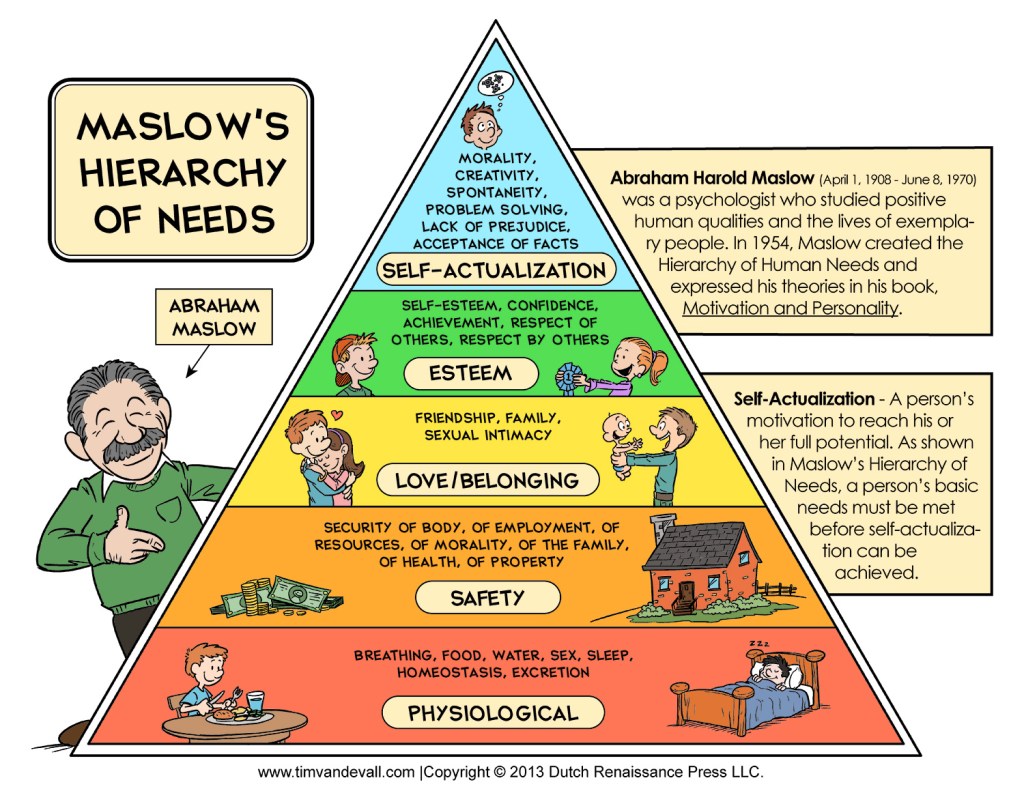
  1. Maslow’s Hierarchy of Needs: Maslow’s theory suggests that individuals have five basic needs: physiological, safety, belongingness, esteem, and self-actualization. By addressing these needs through their products, services, and overall customer experience, businesses can tap into customers’ intrinsic motivations and create stronger connections.
  2. Cognitive Dissonance: When customers face inconsistencies between their beliefs, attitudes, and actions, they experience cognitive dissonance. Reducing this dissonance through seamless customer experiences, effective communication, and easy-to-understand processes can lead to increased satisfaction and loyalty.
  3. Emotions and Decision-Making: Emotions play a crucial role in customers’ decision-making processes. Eliciting positive emotions through personalized experiences, empathetic customer service, and aesthetically pleasing designs can drive customers to make purchases, share positive feedback, and maintain long-term loyalty.

Pros and Cons of Leveraging Psychological Principles in CEM

Pros:

  • Enhanced customer understanding: Applying psychological principles helps businesses better understand their customers, leading to more targeted and relevant marketing efforts.
  • Stronger customer relationships: By addressing customers’ needs and motivations, businesses can foster deeper connections and improve customer retention.
  • Increased satisfaction and loyalty: Customers are more likely to be satisfied and loyal when their psychological needs are met, leading to higher lifetime value.

Cons:

  • Complexity: Integrating psychological principles into CEM can be complex, requiring a deeper understanding of human behavior and potentially more resources.
  • Potential for manipulation: Some businesses may use psychological insights to manipulate customers, potentially damaging trust and long-term relationships.

Efficient Deployment Strategies

  1. Customer segmentation: Segment customers based on their needs, preferences, and motivations. This allows businesses to tailor their experiences and messaging to each group, improving overall effectiveness.
  2. Employee training: Train employees to understand and apply psychological principles in their interactions with customers, fostering stronger relationships and better service.
  3. Data-driven decisions: Leverage customer data and analytics to identify patterns and trends, guiding CEM efforts and enhancing personalization.

Measuring Success with Key Performance Indicators

For small and medium-sized businesses, the following KPIs can help measure the success of CEM efforts based on psychological principles:

  1. Customer satisfaction (CSAT): CSAT measures the level of satisfaction customers have with a business. Higher satisfaction rates indicate that the psychological needs of customers are being met.
  2. Net Promoter Score (NPS): NPS gauges the likelihood of customers recommending a business to others. A high NPS suggests that customers are satisfied and motivated to share their positive experiences.
  3. Customer retention rate: This metric tracks the percentage of customers who continue to do business with a company over a given period. Increased retention rates can signify a deeper understanding of customers’ needs and motivations.

Conclusion

Understanding the psychological foundations of customer experience management can provide businesses with valuable insights into their customers’ needs and motivations. By leveraging these principles, small and medium-sized businesses can enhance their CEM efforts, leading to increased satisfaction.

Harnessing the Power of Data Analytics to Drive Customer Relationship Management Success for Small to Medium Size Businesses

Introduction

In today’s digital age, businesses are bombarded with a wealth of information from various sources. Data analytics has emerged as a powerful tool to make sense of this information and drive customer relationship management (CRM) success. Small to medium-sized businesses (SMBs) can especially benefit from leveraging data analytics to enhance their CRM strategies. This blog post will delve into the pros and cons of harnessing data analytics for CRM success and outline activities SMBs can undertake to implement this strategy effectively.

Pros of Data Analytics for CRM Success

Improved Customer Segmentation: Data analytics enables SMBs to segment their customer base more effectively, leading to better-targeted marketing campaigns and personalized customer experiences. By analyzing purchase history, demographics, and behavioral data, businesses can develop tailored offerings to meet the needs of different customer groups.

Enhanced Customer Retention: Identifying patterns in customer data can help SMBs understand the factors that contribute to customer churn. By addressing these factors proactively, businesses can improve customer satisfaction and increase retention rates, ultimately boosting profitability.

Increased Sales and Revenue: With a better understanding of customer preferences, SMBs can optimize product offerings, pricing strategies, and promotions. This can lead to increased sales, higher customer lifetime value, and enhanced revenue generation.

Streamlined Business Processes: Data analytics can help SMBs identify bottlenecks and inefficiencies in their CRM processes. By addressing these issues, businesses can improve their overall efficiency and agility, allowing them to respond more effectively to customer needs.

Cons of Data Analytics for CRM Success

Data Privacy Concerns: Handling customer data involves privacy and security risks. SMBs need to comply with regulations such as the GDPR and ensure that their data storage and processing practices are secure to prevent data breaches and maintain customer trust.

Cost and Resource Intensive: Implementing a data analytics strategy can be expensive, particularly for SMBs with limited resources. The cost of data storage, processing, and analytics tools can be prohibitive, and businesses may need to invest in staff training or hire specialized personnel to manage their analytics efforts.

Complexity: Managing large volumes of data and deriving meaningful insights can be complex and time-consuming. SMBs need to ensure they have the necessary skills and resources to manage their data analytics initiatives effectively.

Activities to Implement Data Analytics in CRM for SMBs

Set Clear Objectives: Before embarking on a data analytics journey, SMBs should identify their CRM goals and determine how data analytics can help achieve them. This will ensure that their efforts are focused and aligned with their overall business objectives.

Choose the Right Tools: There is a wide array of data analytics tools available, ranging from simple spreadsheet applications to advanced business intelligence platforms. SMBs should assess their needs and resources to select the tools that best suit their requirements.

Invest in Data Quality: The quality of insights derived from data analytics is heavily reliant on the quality of the underlying data. SMBs should invest in data cleaning, validation, and enrichment to ensure that their analytics efforts yield accurate and reliable results.

Train and Educate Staff: For a data-driven CRM strategy to succeed, it is essential that staff members understand the importance of data analytics and know how to use the relevant tools. SMBs should invest in staff training and promote a data-driven culture within their organization.

Measure and Optimize: SMBs should continuously monitor the results of their data analytics efforts and use this information to optimize their CRM strategies. This will ensure that they remain agile and responsive to customer needs.

Conclusion

Harnessing the power of data analytics can significantly enhance CRM success for SMBs. Implementing a data analytics strategy involves overcoming several challenges and costs. However, when executed effectively, the benefits of data-driven CRM can far outweigh the initial investment, leading to improved customer satisfaction, increased revenue, and long-term success for SMBs.

Unleashing Maximum Impact: A Deep Dive into Integrating Customer Experience Management and Marketing Automation

Introduction

In today’s competitive business landscape, achieving a powerful synergy between Customer Experience Management (CEM) and Marketing Automation is crucial for small to medium-sized businesses (SMBs). Combining these two elements can help maximize marketing impact, improve customer satisfaction, and generate better results for your business. This blog post will explore the benefits of integrating CEM and Marketing Automation, provide an actionable and measurable strategy for SMBs, and discuss the short-term and long-term return on investment (ROI).

The Power of Integration: CEM and Marketing Automation

Customer Experience Management (CEM) revolves around understanding, managing, and enhancing the entire customer journey, from the initial point of contact to post-purchase support. Marketing Automation, on the other hand, involves streamlining, automating, and measuring marketing tasks and workflows to increase efficiency and revenue growth. Integrating these two aspects enables businesses to create a seamless, personalized customer experience while maximizing the efficiency and effectiveness of their marketing efforts.

A Winning Strategy: Actionable and Measurable Integration for SMBs

To successfully integrate CEM and Marketing Automation, SMBs can follow these steps:

Define Clear Objectives and KPIs: Establish specific, measurable, attainable, relevant, and time-bound (SMART) objectives for both CEM and Marketing Automation efforts. Identify Key Performance Indicators (KPIs) that reflect these objectives, such as customer satisfaction scores, conversion rates, and ROI.

Select the Right Technology: Choose a platform that combines CEM and Marketing Automation capabilities, offering features such as customer segmentation, behavior tracking, email marketing, social media management, and analytics.

Create Personalized Customer Journeys: Use customer data, segmentation, and behavior analysis to create tailored experiences for different customer segments. This will help improve engagement, conversions, and long-term customer loyalty.

Automate Key Marketing Activities: Identify repetitive marketing tasks that can be automated, such as email campaigns, lead nurturing, and social media scheduling. This will enable your team to focus on higher-value activities, like content creation and customer relationship management.

Measure and Optimize: Continuously monitor and analyze the performance of your integrated CEM and Marketing Automation initiatives. Use insights from your data to identify areas for improvement and optimize your strategies for better results.

Short-term vs Long-term ROI

In the short term, integrating CEM and Marketing Automation can yield immediate benefits by improving the efficiency of your marketing operations. By automating repetitive tasks, your team can save time and resources, leading to a more streamlined workflow and faster results.

In the long term, the integration can significantly enhance the overall customer experience, fostering loyalty and customer advocacy. Personalized customer journeys can lead to higher conversion rates and increased lifetime value, which, in turn, boosts revenue growth. Additionally, data-driven insights from an integrated platform can help businesses identify trends and make informed decisions for continuous improvement and long-term success.

Conclusion

Integrating Customer Experience Management and Marketing Automation is a powerful strategy for small to medium-sized businesses to maximize their marketing impact and improve customer satisfaction. By defining clear objectives, selecting the right technology, creating personalized customer journeys, automating key marketing activities, and continuously measuring and optimizing, SMBs can expect both short-term and long-term return on investment. Embrace this integration to unlock the full potential of your marketing efforts and pave the way for sustained business success.

Customer Experience Management Metrics: How to Measure and Improve Your Efforts as a Small Business

Key Performance Indicators for Driving Success and Long-Term Customer Relationships

Introduction

Customer experience management (CEM) is crucial for small businesses looking to retain loyal customers, attract new ones, and stand out from the competition. Measuring and improving CEM is an ongoing process that requires a deep understanding of the customer journey and the key performance indicators (KPIs) that drive success. In this blog post, we’ll discuss important CEM metrics for small businesses, tools for measuring them, and the pros and cons of each tool.

  1. Customer Satisfaction Score (CSAT)

CSAT measures how satisfied customers are with your product or service, usually on a scale from 1 to 5. High CSAT scores indicate that customers are happy with your offerings, which is essential for building long-term relationships.

Tools:

  • Surveys: Send surveys to customers post-purchase or post-interaction.
  • Feedback forms: Place feedback forms on your website or within your product.

Pros:

  • Simple to implement and understand.
  • Allows for immediate feedback.

Cons:

  • Can be influenced by emotions, leading to skewed results.
  • Does not provide deep insights into the specific aspects of customer experience.
  1. Net Promoter Score (NPS)

NPS measures customer loyalty by asking customers how likely they are to recommend your business to others on a scale from 0 to 10. This metric helps determine whether customers will become brand advocates.

Tools:

  • NPS software: Dedicated tools like Promoter.io or Delighted can help automate the process.
  • Surveys: Implement NPS questions in your regular customer surveys.

Pros:

  • Strong indicator of customer loyalty.
  • Easy to benchmark against competitors.

Cons:

  • Lacks granularity for understanding the specific reasons behind customer loyalty.
  • May not capture the full picture of the customer experience.
  1. Customer Effort Score (CES)

CES gauges how much effort customers must put forth to get their issue resolved or to interact with your product or service. A lower CES signifies a smoother customer experience, increasing the likelihood of long-term customer relationships.

Tools:

  • Post-interaction surveys: Ask customers to rate their effort after a specific interaction, such as a support request.
  • In-app feedback: Collect feedback on the ease of use within your product or service.

Pros:

  • Highlights pain points in the customer journey.
  • Strongly correlated with customer loyalty.

Cons:

  • Limited to specific interactions, not overall customer experience.
  • May require significant resources to address identified pain points.
  1. Customer Churn Rate

Customer churn rate is the percentage of customers who stop doing business with you over a given period. Lower churn rates suggest that your efforts in customer experience management are successful.

Tools:

  • CRM software: Track customer data and identify trends in customer attrition using tools like Salesforce or HubSpot.
  • Analytical platforms: Use platforms like Google Analytics to monitor customer engagement and identify potential churn risks.

Pros:

  • Directly impacts revenue and growth.
  • Helps identify areas for improvement.

Cons:

  • Can be influenced by factors outside of customer experience, such as pricing or market conditions.
  • Requires comprehensive data tracking.
  1. Customer Lifetime Value (CLV)

CLV represents the total revenue a business can expect from a single customer throughout their relationship. Higher CLV indicates better customer experience and longer-lasting relationships.

Tools:

  • CRM software: Monitor customer spending habits and calculate CLV using tools like Salesforce or HubSpot.
  • Spreadsheets: Use spreadsheet software like Microsoft Excel or Google Sheets to perform your CLV calculations.

Pros:

  • Direct correlation with business profitability.
  • Encourages a focus on long-term customer relationships.

Cons:

  • Complex to calculate, especially for small businesses

Elevating Customer Experience Management through Automation: A Revolutionary Strategy

Introduction

In today’s rapidly evolving business landscape, customer experience (CX) has become a key differentiator for companies aiming to stay ahead of their competition. To deliver exceptional CX, organizations must adopt an integrated approach that spans marketing, sales, and customer service operations. One innovative solution that has emerged to streamline and enhance these processes is automation, particularly through the implementation of standardized workflows and Robotic Process Automation (RPA). This blog post will delve into a revolutionary customer experience management strategy that leverages the capabilities of marketing, sales, and customer service automation.

I. Marketing Automation: Personalization & Engagement at Scale

Data-driven customer segmentation: By leveraging automation tools, companies can collect and analyze large volumes of customer data to create detailed customer segments. This enables the design of targeted marketing campaigns tailored to each segment’s preferences and behaviors, ensuring an engaging and personalized customer experience.

Automated content creation & delivery: Using AI-driven content creation tools, businesses can generate personalized content that resonates with their target audience. These tools can also automate the delivery of this content through various channels, including email, social media, and web, ensuring consistency and timeliness.

Real-time analytics & optimization: Marketing automation platforms can provide real-time performance analytics, helping companies optimize their marketing strategies to improve customer engagement and drive higher conversion rates.

II. Sales Automation: Streamlining the Sales Process & Accelerating Conversions

Automated lead scoring & prioritization: By automating the lead scoring process, companies can identify and prioritize high-quality leads, ensuring that sales teams focus their efforts on the most promising prospects.

AI-powered sales forecasting: Advanced machine learning algorithms can analyze historical sales data and current market trends to provide accurate sales forecasts, helping businesses make data-driven decisions and optimize their sales strategies.

Automated sales workflows: Sales automation tools can streamline the entire sales process by automating routine tasks such as quote generation, contract creation, and order processing. This not only reduces manual errors but also accelerates the sales cycle, resulting in an enhanced customer experience.

III. Customer Service Automation: Delivering Exceptional Support 24/7

AI-powered chatbots & virtual assistants: Implementing AI-driven chatbots and virtual assistants can help businesses provide instant, round-the-clock customer support. By handling repetitive queries and tasks, these solutions free up customer service agents to focus on more complex issues, improving overall service quality and customer satisfaction.

RPA for customer service workflows: RPA can be used to automate routine customer service tasks such as ticket creation, data entry, and processing refunds. This reduces the time spent on administrative tasks and enables customer service teams to concentrate on delivering exceptional support.

Predictive analytics for proactive support: By analyzing customer data, companies can identify potential issues before they escalate, enabling proactive support and issue resolution. This not only enhances customer satisfaction but also reduces the burden on customer service teams.

Conclusion

By leveraging the capabilities of marketing, sales, and customer service automation, businesses can revolutionize their customer experience management strategies. This integrated approach, incorporating standardized workflows and RPA, streamlines operations, ensures consistent and personalized experiences, and ultimately drives customer loyalty and business growth. As companies continue to invest in automation technologies, we can expect to see further innovations and improvements in customer experience management.

Embracing the Future: How AI Will Transform Our Lives for the Better (and the Challenges Along the Way)

Introduction

As we move deeper into the 21st century, artificial intelligence (AI) is advancing at an unprecedented pace. From self-driving cars to virtual assistants, AI is becoming an integral part of our daily lives. While some may argue that this technology poses potential risks, it is undeniable that AI holds the power to transform humanity towards a more exciting and enjoyable lifestyle. In this blog post, we will explore the ways in which AI is changing the world for the better, as well as the challenges we must overcome to ensure a harmonious future.

Benefits of AI Advancements

Improved Healthcare
AI’s ability to process vast amounts of data has led to significant advancements in healthcare. From diagnostics to drug discovery, AI is revolutionizing the medical field. AI-powered algorithms can analyze medical images with higher accuracy and speed than human experts, leading to early detection and treatment of various diseases. Furthermore, AI is accelerating the development of personalized medicine, tailoring treatments to individual patients based on their genetic makeup and medical history.

Enhanced Education
AI is revolutionizing the way we learn and teach. With adaptive learning platforms and AI-powered tutors, students can receive personalized education tailored to their learning styles and needs. This technology has the potential to bridge the gap between students from different backgrounds and ensure equal access to high-quality education.

Environmental Sustainability
AI is playing a significant role in addressing climate change and promoting sustainable practices. AI-powered systems can optimize energy consumption, monitor and predict natural disasters, and help us better understand and protect ecosystems. Additionally, AI can contribute to the development of more efficient and sustainable transportation systems, reducing our carbon footprint.

Automation and Productivity
AI-powered automation has the potential to improve productivity across various industries. By taking over mundane, repetitive tasks, AI allows humans to focus on more creative and complex work. In the long run, this can lead to increased innovation and overall economic growth.

Challenges of AI Advancements

Job Displacement
One of the primary concerns surrounding AI is its potential to displace human workers. While AI can undoubtedly increase productivity, it may also lead to job losses in certain sectors. It is crucial for governments and organizations to develop policies and retraining programs to help workers transition into new roles in the evolving job market.

Data Privacy and Security
As AI relies heavily on data, concerns surrounding data privacy and security have grown. Ensuring the responsible and ethical use of data is essential to maintain public trust in AI systems. Governments and companies must establish guidelines and regulations to protect users’ privacy and prevent potential misuse of data.

AI Bias
AI algorithms can inadvertently reinforce existing biases present in the data they are trained on. This can lead to unfair and discriminatory outcomes, particularly in areas such as hiring, lending, and criminal justice. It is vital for developers and researchers to be aware of these biases and develop strategies to minimize their impact on AI systems.

Ethical Concerns
As AI becomes increasingly sophisticated, ethical concerns arise. The development of autonomous weapons and surveillance technologies has raised questions about the potential abuse of AI. It is essential for governments and organizations to establish ethical frameworks that guide the development and use of AI technologies.

Conclusion

Artificial intelligence holds the key to unlocking a more exciting and enjoyable lifestyle for humanity. From improved healthcare and education to environmental sustainability and increased productivity, the benefits of AI are immense. However, we must also address the challenges that come with AI advancements, including job displacement, data privacy, AI bias, and ethical concerns. By proactively addressing these issues, we can ensure that AI continues to improve our lives and shape a better future for all.

AI Disparity and Its Consequences in Regulating the Technology

Recently, various countries have enacted laws / bans, or started to consider putting regulations on the rapid advancement of artificial intelligence (AI). This is applauded by some, and cautioned by others. While advancement in AI is inevitable, an outright ban may have dire consequences to those that seek to go in that direction.

This post discusses what could happen if various countries ban the advancement of artificial intelligence while others encourage its rapid expansion, and the several possible consequences that could arise:

Global power imbalance: Countries that embrace AI will likely experience significant economic and technological advantages. These benefits could include increased productivity, reduced costs, and improvements in fields like healthcare, education, and transportation. Countries that ban AI may fall behind in these areas, leading to an imbalance of global power and influence.

Brain drain: Top AI researchers and experts might migrate from countries that ban AI advancements to those that support its development. This brain drain could exacerbate the technological divide between countries and cause the countries with restrictive policies to fall even further behind in AI research and application.

Ethical and regulatory disparities: Countries that embrace AI may develop their own ethical and regulatory frameworks to govern AI systems. These frameworks may differ significantly from one another, creating inconsistencies in AI governance and complicating international cooperation and standards.

Unequal access to AI benefits: The global population may experience unequal access to the benefits of AI, depending on their country’s stance on AI development. This could exacerbate existing inequalities and create new ones, with citizens of AI-supporting countries enjoying higher standards of living and access to cutting-edge technology, while those in AI-restrictive countries lag behind.

Security risks: Countries that advance AI could develop sophisticated AI-powered cyber, military, and surveillance capabilities, which might lead to a new arms race. In this scenario, the risk of conflicts and cyberattacks could increase as countries compete for AI dominance.

Collaboration challenges: International collaboration on AI research and development may become more difficult, as countries with divergent AI policies struggle to work together. This could slow the progress of global AI initiatives and make it harder to address shared challenges like climate change, disease, and poverty.

Public opinion and perception: The disparity in AI development between countries could fuel differing public opinions on the technology, with some viewing it as a force for good and others as a threat. This divide may make it difficult to establish a global consensus on AI’s role in society.

Ultimately, the consequences of some countries banning AI while others encourage its expansion would depend on the specific policies enacted and the level of international cooperation. A fragmented global landscape could lead to significant imbalances, whereas a more collaborative approach could help mitigate potential negative outcomes. More to follow as this story evolves.