
Introduction
Customer experience management (CEM) is a critical aspect of any business. It focuses on understanding customers’ needs, preferences, and expectations to create a positive, lasting impression. To effectively manage customer experiences, it’s essential to delve into the psychological foundations of human needs and motivations. In this blog post, we will explore the pros and cons of leveraging psychological principles in CEM, discuss efficient deployment strategies, and highlight key performance indicators (KPIs) for small and medium-sized businesses.
Understanding Human Needs and Motivations
At the core of customer experience management is the understanding of human needs and motivations. To successfully design and deliver exceptional customer experiences, businesses must consider several psychological principles:
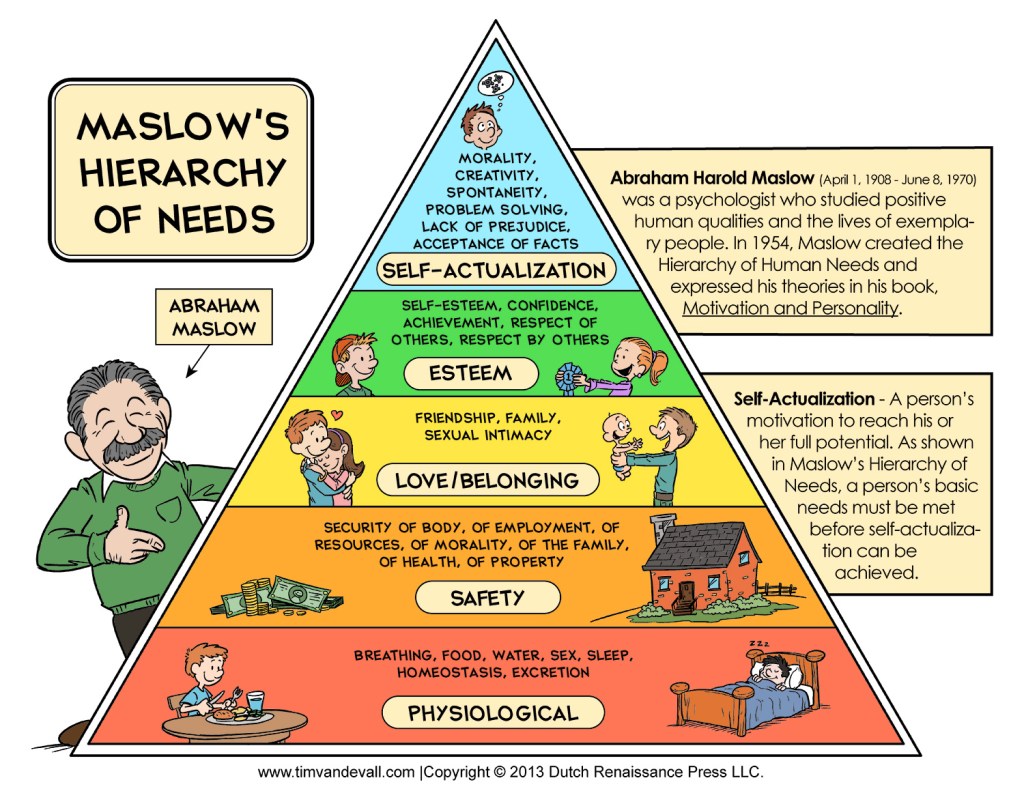
- Maslow’s Hierarchy of Needs: Maslow’s theory suggests that individuals have five basic needs: physiological, safety, belongingness, esteem, and self-actualization. By addressing these needs through their products, services, and overall customer experience, businesses can tap into customers’ intrinsic motivations and create stronger connections.
- Cognitive Dissonance: When customers face inconsistencies between their beliefs, attitudes, and actions, they experience cognitive dissonance. Reducing this dissonance through seamless customer experiences, effective communication, and easy-to-understand processes can lead to increased satisfaction and loyalty.
- Emotions and Decision-Making: Emotions play a crucial role in customers’ decision-making processes. Eliciting positive emotions through personalized experiences, empathetic customer service, and aesthetically pleasing designs can drive customers to make purchases, share positive feedback, and maintain long-term loyalty.
Pros and Cons of Leveraging Psychological Principles in CEM
Pros:
- Enhanced customer understanding: Applying psychological principles helps businesses better understand their customers, leading to more targeted and relevant marketing efforts.
- Stronger customer relationships: By addressing customers’ needs and motivations, businesses can foster deeper connections and improve customer retention.
- Increased satisfaction and loyalty: Customers are more likely to be satisfied and loyal when their psychological needs are met, leading to higher lifetime value.
Cons:
- Complexity: Integrating psychological principles into CEM can be complex, requiring a deeper understanding of human behavior and potentially more resources.
- Potential for manipulation: Some businesses may use psychological insights to manipulate customers, potentially damaging trust and long-term relationships.
Efficient Deployment Strategies
- Customer segmentation: Segment customers based on their needs, preferences, and motivations. This allows businesses to tailor their experiences and messaging to each group, improving overall effectiveness.
- Employee training: Train employees to understand and apply psychological principles in their interactions with customers, fostering stronger relationships and better service.
- Data-driven decisions: Leverage customer data and analytics to identify patterns and trends, guiding CEM efforts and enhancing personalization.
Measuring Success with Key Performance Indicators
For small and medium-sized businesses, the following KPIs can help measure the success of CEM efforts based on psychological principles:
- Customer satisfaction (CSAT): CSAT measures the level of satisfaction customers have with a business. Higher satisfaction rates indicate that the psychological needs of customers are being met.
- Net Promoter Score (NPS): NPS gauges the likelihood of customers recommending a business to others. A high NPS suggests that customers are satisfied and motivated to share their positive experiences.
- Customer retention rate: This metric tracks the percentage of customers who continue to do business with a company over a given period. Increased retention rates can signify a deeper understanding of customers’ needs and motivations.
Conclusion
Understanding the psychological foundations of customer experience management can provide businesses with valuable insights into their customers’ needs and motivations. By leveraging these principles, small and medium-sized businesses can enhance their CEM efforts, leading to increased satisfaction.









 De Lio Tech Trends