AI vs. Human-Generated Content in Blogging: The Battle for the Future of Online Publishing

Background

While reading through my follower’s comments and feedback on recent posts, one follower had a question that I expect many authors are receiving because of the recent buzz around AI. And yet while it was a bit of an odd query, as it wasn’t questioning the accuracy of the “what” (ex. content, or the intent) in the post, it was focused on the “who” (ex. AI, versus Human) and the question was a simple “Is this created via AI or a human”. My initial reaction was that this was a troll looking to spam the comment section. Were they questioning the accuracy of the information, did they feel that they are not getting value from the material (these blog posts are free to the follower/subscriber), ultimately I was perplexed.

Then I thought, maybe the comment was from someone that grew up in the age of hardcover dictionaries and had a multi-volume encyclopedia on their bookshelf and became frustrated watching the next generation using Google and the internet for research. As we have discussed in many previous posts, the adoption of large leaps in technology is difficult for some. Many that went to school prior to the internet and now are first hearing of AI, will naturally be sceptical of the technology and question whether it is cheating and can it be trusted. So rather than ignore the comment, we can explore it a bit further.

Introduction

In today’s rapidly evolving digital landscape, the lines between human-generated content and artificial intelligence (AI) generated content are becoming increasingly blurred. As AI technology advances, it’s important to explore the differences between the two content creation methods in terms of quality, efficiency, and the overall user experience. In this blog post, we’ll delve into the pros and cons of AI-generated content versus human-generated content and discuss the potential future of blog posts in the age of AI.

The Difference Between AI and Human-Generated Content

  1. Creativity and Originality

Human-generated content benefits from the unique perspectives, emotions, and experiences of the individual writer. This often leads to more creative, engaging, and emotionally resonant content. On the other hand, AI-generated content is created using algorithms based on pre-existing data, which can limit originality and creativity. However, many believe that AI removes any underlying bias that a human may foster on the topic.

  1. Time and Efficiency

AI-generated content can be produced at a much faster rate than human-generated content. This is especially advantageous for businesses that need to create large amounts of content in a short time. However, the quality and accuracy of AI-generated content can vary, and it may require editing and revisions from a human. This is why a review and edit of all content being created is still required.

  1. SEO and Keyword Optimization

Both AI and human-generated content can be optimized for search engine performance. However, AI-generated content has the advantage of being able to analyze and incorporate keyword data more quickly and efficiently than humans.

Pros and Cons of AI vs. Human-Generated Content in Blog Posts

AI-generated Content:

Pros:

  • Faster content creation
  • Cost-effective for businesses with significant content demands
  • Efficient keyword optimization

Cons:

  • Limited creativity and originality
  • Potential for inaccuracies or lack of context
  • It may require human editing and revision

Human-generated Content:

Pros:

  • Unique perspectives and creativity
  • Emotionally resonant content
  • A better understanding of context and nuance

Cons:

  • Slower content creation process
  • Higher cost for businesses
  • Time-consuming keyword optimization

The Future of Blog Posts in the Age of AI

As AI technology continues to advance, we can expect AI-generated content to become more sophisticated and human-like. This could lead to an increased reliance on AI for content creation in various industries. However, human-generated content will still hold value, particularly in areas where creativity, personal experience, and emotional resonance are crucial.

In the future, we may see a hybrid approach to content creation, where AI-generated content is used as a starting point, and human writers are brought in to add creativity, context, and polish. This collaboration between AI and human creators could lead to a more efficient content creation process while still maintaining the unique qualities that only human-generated content can provide.

Conclusion

The debate between AI-generated content and human-generated content will likely continue as AI technology evolves. While AI-generated content offers benefits in terms of speed, efficiency, and cost-effectiveness, human-generated content still holds the edge when it comes to creativity, emotional resonance, and context. The future of blogging may lie in a balance between the two, with AI and human creators working together to produce high-quality, engaging content that appeals to readers and search engines alike.

Balancing AI and Human Touch in Customer Experience Management

Introduction

In the modern business landscape, artificial intelligence (AI) has become an indispensable tool for improving customer experience (CX) management. However, striking the right balance between automated and human-powered solutions is crucial to achieve optimal results. In this blog post, we will explore the advantages and disadvantages of using AI in CX management, when to automate or manually execute tasks, and the various areas where AI can be applied. Additionally, we will discuss the expected timeline for effective AI deployment in customer experience management.

Advantages of AI in Customer Experience Management

  1. Personalization: AI-powered systems can analyze vast amounts of customer data to provide tailored product recommendations, promotions, and messaging. This level of personalization enhances the customer experience and increases the likelihood of repeat business.
  2. Faster Response Times: AI chatbots and virtual assistants can provide instant assistance to customers, which reduces wait times and improves overall satisfaction.
  3. 24/7 Availability: AI systems can offer round-the-clock customer support, ensuring that customers receive help whenever they need it.
  4. Cost Reduction: By automating routine tasks, AI can help businesses save on labor costs and allocate human resources to more strategic activities.
  5. Improved Analytics: AI-driven analytics can identify patterns and trends in customer behavior, enabling businesses to make data-driven decisions and optimize their CX strategies.

Disadvantages of AI in Customer Experience Management

  1. Limited Emotional Understanding: Despite advancements in AI technology, machines still struggle to interpret and respond appropriately to complex emotions and nuanced situations.
  2. Miscommunication: AI chatbots and virtual assistants may sometimes misunderstand customer queries or provide irrelevant information, leading to customer frustration.
  3. Data Privacy Concerns: The widespread use of AI in CX management can raise privacy concerns, as customers may be hesitant to share personal information with automated systems.
  4. Job Displacement: The automation of CX tasks can lead to job displacement, as human roles may become obsolete in the face of AI-powered solutions.

When to Automate and When to Rely on Human Intervention

Automation should be employed in routine, repetitive tasks, such as handling frequently asked questions, processing refunds, and updating customer information. These tasks can be easily managed by AI systems, which allows human employees to focus on more complex and strategic activities.

Human intervention is necessary when addressing emotionally-charged situations, resolving complex issues, and providing personalized, empathetic support. In such cases, human agents can better understand the nuances of customer emotions and provide tailored solutions that satisfy their needs.

Areas of AI Exploration in Customer Experience

  1. Full Exploration:
    • Sentiment Analysis: Analyzing customer feedback to understand their emotions and satisfaction levels.
    • Conversational AI: Developing more sophisticated chatbots and virtual assistants capable of handling complex queries.
    • Predictive Analytics: Leveraging AI to predict customer behavior and tailor CX strategies accordingly.
  2. Nice to Have:
    • AI-generated Content: Using AI to create personalized marketing content, although it may lack the creativity of human-generated content.
    • Robotic Process Automation (RPA): Automating back-office tasks to support the customer experience, though not directly impacting customer interactions.

Effective AI Deployment Timeline

An effective AI deployment in customer experience management can take anywhere from 6 months to 2 years, depending on the organization’s size, existing infrastructure, and resources. Factors influencing the timeline include data availability and quality, system integration, staff training, and ongoing monitoring and optimization.

Conclusion

Artificial intelligence has the potential to revolutionize customer experience management by automating routine tasks, offering personalized experiences, and providing valuable insights. However, striking the right balance between AI-powered solutions and human intervention is essential for optimal results. By carefully selecting the areas where AI can be most effective and maintaining a human touch where necessary, businesses can harness the benefits of AI while minimizing its drawbacks. It is important to continually assess and optimize AI deployment in customer experience management to ensure a seamless integration of technology and human expertise, leading to enhanced customer satisfaction and loyalty. Ultimately, the key to success lies in finding the right mix of automation and human interaction, allowing organizations to deliver exceptional customer experiences in an increasingly competitive market.

The Psychological Foundations of Customer Experience Management: Understanding Human Needs and Motivations

Introduction

Customer experience management (CEM) is a critical aspect of any business. It focuses on understanding customers’ needs, preferences, and expectations to create a positive, lasting impression. To effectively manage customer experiences, it’s essential to delve into the psychological foundations of human needs and motivations. In this blog post, we will explore the pros and cons of leveraging psychological principles in CEM, discuss efficient deployment strategies, and highlight key performance indicators (KPIs) for small and medium-sized businesses.

Understanding Human Needs and Motivations

At the core of customer experience management is the understanding of human needs and motivations. To successfully design and deliver exceptional customer experiences, businesses must consider several psychological principles:

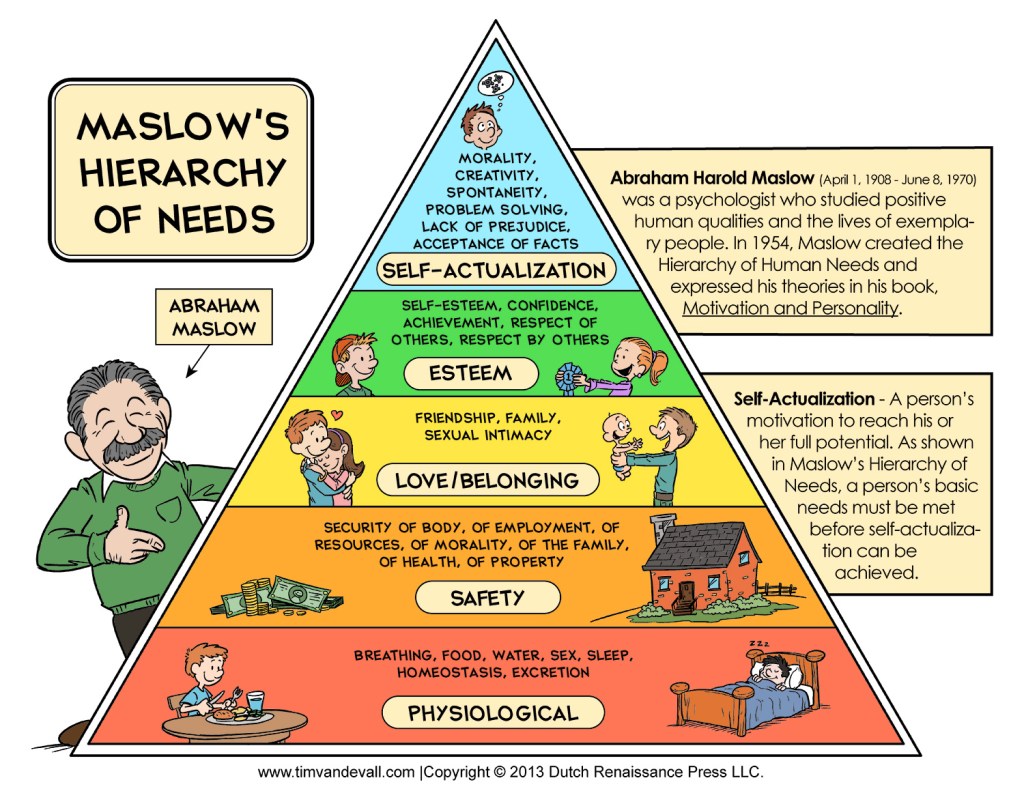
  1. Maslow’s Hierarchy of Needs: Maslow’s theory suggests that individuals have five basic needs: physiological, safety, belongingness, esteem, and self-actualization. By addressing these needs through their products, services, and overall customer experience, businesses can tap into customers’ intrinsic motivations and create stronger connections.
  2. Cognitive Dissonance: When customers face inconsistencies between their beliefs, attitudes, and actions, they experience cognitive dissonance. Reducing this dissonance through seamless customer experiences, effective communication, and easy-to-understand processes can lead to increased satisfaction and loyalty.
  3. Emotions and Decision-Making: Emotions play a crucial role in customers’ decision-making processes. Eliciting positive emotions through personalized experiences, empathetic customer service, and aesthetically pleasing designs can drive customers to make purchases, share positive feedback, and maintain long-term loyalty.

Pros and Cons of Leveraging Psychological Principles in CEM

Pros:

  • Enhanced customer understanding: Applying psychological principles helps businesses better understand their customers, leading to more targeted and relevant marketing efforts.
  • Stronger customer relationships: By addressing customers’ needs and motivations, businesses can foster deeper connections and improve customer retention.
  • Increased satisfaction and loyalty: Customers are more likely to be satisfied and loyal when their psychological needs are met, leading to higher lifetime value.

Cons:

  • Complexity: Integrating psychological principles into CEM can be complex, requiring a deeper understanding of human behavior and potentially more resources.
  • Potential for manipulation: Some businesses may use psychological insights to manipulate customers, potentially damaging trust and long-term relationships.

Efficient Deployment Strategies

  1. Customer segmentation: Segment customers based on their needs, preferences, and motivations. This allows businesses to tailor their experiences and messaging to each group, improving overall effectiveness.
  2. Employee training: Train employees to understand and apply psychological principles in their interactions with customers, fostering stronger relationships and better service.
  3. Data-driven decisions: Leverage customer data and analytics to identify patterns and trends, guiding CEM efforts and enhancing personalization.

Measuring Success with Key Performance Indicators

For small and medium-sized businesses, the following KPIs can help measure the success of CEM efforts based on psychological principles:

  1. Customer satisfaction (CSAT): CSAT measures the level of satisfaction customers have with a business. Higher satisfaction rates indicate that the psychological needs of customers are being met.
  2. Net Promoter Score (NPS): NPS gauges the likelihood of customers recommending a business to others. A high NPS suggests that customers are satisfied and motivated to share their positive experiences.
  3. Customer retention rate: This metric tracks the percentage of customers who continue to do business with a company over a given period. Increased retention rates can signify a deeper understanding of customers’ needs and motivations.

Conclusion

Understanding the psychological foundations of customer experience management can provide businesses with valuable insights into their customers’ needs and motivations. By leveraging these principles, small and medium-sized businesses can enhance their CEM efforts, leading to increased satisfaction.

Leveraging Focused Marketing Messages for Small Businesses: Omnichannel Strategy and Target Segmentation

Introduction

The ever-evolving landscape of digital marketing presents small businesses with a plethora of opportunities to grow their brand and reach their target audience. Among these strategies, omnichannel marketing has emerged as a powerful approach that allows businesses to engage customers across various touchpoints, providing a seamless and consistent experience. However, striking the right balance in messaging and segmentation can be challenging. In this blog post, we will delve into how small businesses can leverage focused marketing messages in an omnichannel strategy while avoiding the pitfalls of over-segmentation and siloed marketing efforts.

The Power of Focused Marketing Messages in Omnichannel Strategy

Clarity and Consistency
Having a clear and consistent marketing message across all channels ensures that your audience receives a unified brand experience. This helps build brand recognition and trust among customers, eventually leading to increased conversions and loyalty.

Personalization and Relevance
By crafting focused marketing messages that cater to your target audience’s needs and preferences, you can create personalized experiences that resonate with them. This leads to higher engagement rates, improved customer satisfaction, and ultimately, better ROI for your marketing efforts.

Amplification and Synergy
When your marketing messages are aligned across all channels, they reinforce each other and create a synergistic effect. This amplification helps in maximizing the impact of your marketing efforts, which can drive more traffic, conversions, and sales for your business.

The Pros and Cons of Over-Segmenting and Siloed Marketing

Pros:

Precision Targeting
Segmenting your audience allows you to create highly relevant and targeted marketing messages. This can result in better engagement and higher conversion rates, as customers are more likely to respond to content that directly addresses their needs and preferences.

Improved ROI
By targeting specific segments of your audience, you can optimize your marketing budget and allocate resources more efficiently. This can lead to a higher return on investment, as you’ll be spending your marketing dollars on the most receptive audience segments.

Cons:

Fragmented Customer Experience
Over-segmenting your audience and creating siloed marketing efforts can lead to a disjointed and inconsistent customer experience. This can hinder brand recognition and dilute the impact of your marketing messages, making it harder for customers to understand and connect with your brand.

Limited Reach
While focusing on specific audience segments can be beneficial, it may also limit your brand’s exposure to potential customers. By narrowing your target audience too much, you risk missing out on valuable prospects who may not fit neatly into your predefined segments.

Conclusion

Incorporating focused marketing messages into your omnichannel strategy can be a game-changer for your small business. However, it’s essential to strike a balance between personalization and segmentation, ensuring that your marketing efforts are neither too siloed nor overly segmented. By doing so, you can create a seamless and engaging customer experience that drives brand loyalty, conversions, and growth.

Harnessing the Power of AI: Advantages and Disadvantages of an Integrated Ecosystem for Small Businesses

Introduction

Artificial intelligence (AI) has made significant strides in recent years, enabling businesses to automate processes, increase efficiency, and deliver personalized experiences to customers. The integration of chat, video, and images has created a versatile AI ecosystem that small businesses can leverage to stay competitive in today’s fast-paced world. This blog post explores the advantages and disadvantages of creating an AI ecosystem that incorporates these multimedia channels and discusses how small businesses can capitalize on this technology to drive growth.

Advantages of an AI Ecosystem

Enhanced Customer Experience
By integrating chat, video, and images, small businesses can offer customers a seamless, multi-channel experience that caters to their preferences. AI-driven chatbots can provide instant support, resolve issues, and answer queries, while video and image analysis can help businesses understand customer behavior and preferences, ultimately improving customer satisfaction.

Improved Operational Efficiency
An AI ecosystem can streamline business operations by automating repetitive tasks, such as customer support, data analysis, and social media management. This not only frees up valuable time for employees to focus on more strategic initiatives, but also reduces the likelihood of human error.

Cost Reduction
As AI systems become more sophisticated, they can effectively replace the need for additional staff or outsourcing, resulting in significant cost savings for small businesses. Moreover, AI-driven solutions typically have lower operational costs compared to traditional methods.

Scalability
AI systems can easily adapt to changing business needs and handle increased workloads without compromising performance. This makes them an ideal solution for small businesses looking to grow or expand their operations.

Personalization and Customization
By analyzing customer data, AI-driven tools can create personalized experiences tailored to individual preferences. This can result in higher engagement, increased customer loyalty, and improved conversion rates.

Disadvantages of an AI Ecosystem

Initial Investment
Developing and implementing an AI ecosystem can be costly, particularly for small businesses with limited budgets. However, the long-term benefits often outweigh the initial investment.

Security and Privacy Concerns
As AI systems handle sensitive data, businesses must ensure that they implement robust security measures to protect customer information. Additionally, the use of AI may raise privacy concerns, necessitating compliance with relevant data protection regulations.

Ethical Considerations
The use of AI in decision-making processes may introduce biases, which can negatively impact customers and employees. Small businesses must carefully consider the ethical implications of implementing AI solutions and strive for transparency and fairness.

Skill Gap
AI systems often require specialized skills to develop, maintain, and analyze. Small businesses may need to invest in training or hire dedicated personnel to manage their AI ecosystem.

Leveraging AI Ecosystems for Small Businesses

To capitalize on the advantages of an AI ecosystem, small businesses should consider the following strategies:

Start Small
Begin with a specific area where AI can have the most significant impact, such as customer support or marketing. Once success is achieved in that area, gradually expand the AI ecosystem to other aspects of the business.

Prioritize Security and Compliance
Ensure that AI-driven solutions adhere to relevant data protection regulations and invest in robust security measures to safeguard sensitive information.

Collaborate with AI Experts
Partner with AI experts or solution providers to develop, implement, and maintain the AI ecosystem. This can help bridge the skill gap and ensure that the system performs optimally.

Monitor and Measure Success
Regularly evaluate the performance of the AI ecosystem to identify areas for improvement, optimize processes, and maximize return on investment.

Conclusion

An AI ecosystem that leverages chat, video, and images offers numerous advantages for small businesses, including improved customer experience, operational efficiency, and scalability.

Sentient Artificial Intelligence: Boon or Bane for Small Businesses?

In recent years, artificial intelligence (AI) has witnessed a significant leap from simple rule-based algorithms to sentient AI, capable of human-like thinking, decision-making, and self-awareness. This technological advancement has opened doors to endless possibilities, with small businesses poised to benefit from this breakthrough. However, as with any groundbreaking innovation, sentient AI brings with it both advantages and disadvantages. This blog post aims to explore the pros and cons of sentient artificial intelligence and how small businesses can harness its potential to thrive in a competitive landscape.

Advantages of Sentient AI

Improved Efficiency and Productivity: Sentient AI can streamline operations by automating repetitive tasks and processes, thus enabling employees to focus on more critical and value-adding activities. This increase in efficiency can lead to higher productivity levels and significant cost savings.

Enhanced Customer Service: Sentient AI-powered chatbots can deliver personalized and accurate customer service solutions, available 24/7. They can understand the customer’s needs and emotions, leading to more effective communication and higher customer satisfaction rates.

Data-driven Decision Making: Sentient AI can process vast amounts of data at an incredible speed, providing small businesses with crucial insights that can drive decision-making. Leveraging these data-driven insights can lead to better strategic planning and informed decisions.

Innovation and Creativity: Sentient AI can identify patterns and trends that may otherwise go unnoticed, driving innovation and creative problem-solving. This ability can help small businesses to develop new products, services, and business models that set them apart from competitors.

Disadvantages of Sentient AI

High Initial Investment: The development and implementation of sentient AI can be expensive, especially for small businesses with limited budgets. Additionally, the ongoing maintenance and upgrading of AI systems can add to the overall costs.

Job Displacement: As sentient AI can automate many tasks previously performed by humans, there is a risk of job displacement. Small businesses may face backlash from employees concerned about losing their jobs or being replaced by AI systems.

Ethical Concerns: The rise of sentient AI raises several ethical questions, such as the extent to which AI should be allowed to make decisions that impact human lives. Additionally, there are concerns about data privacy and the potential misuse of AI for malicious purposes.

Dependence on Technology: An overreliance on sentient AI could lead to decreased human critical thinking and problem-solving abilities. In the event of AI system failures, businesses may struggle to cope without the necessary human expertise.

Leveraging Sentient AI for Small Businesses

Despite the disadvantages, small businesses can still harness the power of sentient AI by taking the following steps:

Assess and prioritize AI implementation: Small businesses should identify the areas where sentient AI can add the most value and start by integrating AI solutions into those processes.

Invest in employee training and development: By upskilling employees to work alongside sentient AI, small businesses can mitigate job displacement concerns and create a workforce that can adapt to the evolving technology landscape.

Establish ethical guidelines: Developing a set of ethical guidelines for the use of sentient AI can help small businesses navigate the ethical concerns surrounding this technology and ensure responsible usage.

Maintain a balance between AI and human expertise: Small businesses should strike a balance between relying on sentient AI and preserving human expertise, enabling them to adapt to any potential technological failures and maintain operational efficiency.

Conclusion

The rise of sentient artificial intelligence presents both opportunities and challenges for small businesses. By carefully considering the advantages and disadvantages, small businesses can make informed decisions about integrating sentient AI into their operations, leveraging its potential for growth and success while mitigating potential risks.

Revolutionizing Customer Experience Management: Today’s Game-Changing Innovations

Customer experience management (CEM) has never been more exciting than it is today! As the world of customer engagement rapidly evolves, companies are stepping up their game to meet the ever-changing demands of consumers. Today, we’re breaking down some of the most significant developments in CEM strategy that have taken the field by storm.

🚀 AI-powered Personalization: Meet Your New Best Friend!

Say goodbye to generic customer interactions! Today, a cutting-edge AI platform was unveiled that takes personalization to a whole new level. By harnessing the power of advanced algorithms and machine learning, this AI system can analyze vast amounts of customer data in real-time to deliver highly tailored recommendations and experiences. Customers are raving about the genuine connections they’re forming with brands thanks to this game-changing technology.

🌐 Omnichannel Mastery: Seamlessly Connecting the Dots

Today marked the launch of an innovative omnichannel platform that ensures a consistent and seamless customer experience across all touchpoints. This groundbreaking system unifies all communication channels, allowing businesses to engage with customers via their preferred method – be it email, social media, or chatbots. The result? Effortless interactions and sky-high customer satisfaction rates.

🎯 Hyper-targeted Marketing: Unlock the Full Potential of Data

Big data has revolutionized how we approach customer experience management, and today’s announcement of an advanced analytics tool takes it a step further. By leveraging predictive analytics, this new solution allows businesses to anticipate customer needs and tailor their marketing efforts accordingly. The era of mass marketing is over; welcome to the age of highly targeted, data-driven campaigns!

🤖 Empathetic Chatbots: Humanizing Automation

Chatbots have been a staple in customer service for years, but today’s revelation of a groundbreaking empathetic chatbot has forever changed the game. Powered by natural language processing and sentiment analysis, this chatbot can understand not just what customers are saying but also how they’re feeling. By empathizing with customers and addressing their emotional needs, businesses can build stronger connections and foster long-lasting loyalty.

These exciting developments in the field of customer experience management strategy are just the beginning. As technology continues to advance, there’s no doubt that we’ll continue to see even more innovative solutions that delight customers and keep them coming back for more. Stay tuned for the latest news in the ever-evolving world of CEM!

The Rise of the AI Chatbot Army: Transforming Customer Experience Management!

In a remarkable development that’s making waves across the customer experience management (CEM) world, today, several major companies announced the successful implementation of advanced AI-driven chatbots to revolutionize their customer support and engagement strategies.

So, what makes these AI chatbots so special, and why are they becoming an integral part of modern CEM? These intelligent virtual assistants are designed to understand natural language, learn from interactions, and provide instant, accurate responses to customer queries, all while offering personalized experiences. The result? Faster, more efficient support and dramatically improved customer satisfaction!

The benefits don’t stop there. By handling routine tasks and frequently asked questions, AI chatbots free up human agents to focus on more complex or emotionally sensitive issues, ensuring customers receive the right kind of support at the right time.

One striking example of AI chatbot success comes from a leading e-commerce platform that reported a 40% reduction in support ticket volume and a significant boost in customer satisfaction scores, all thanks to their new chatbot team members.

But it’s not just about customer support. AI chatbots are also transforming marketing and sales, helping businesses engage with prospects and customers in real-time, guiding them through the buyer’s journey with personalized recommendations and assistance.

As AI chatbot technology continues to evolve, the impact on CEM is likely to be profound. We can expect faster resolution times, more personalized experiences, and overall happier customers, all while reducing operational costs for businesses.

Join the conversation and share your thoughts on the future of AI chatbots in customer experience management. How do you see this technology reshaping the way businesses interact with their customers? Let’s explore the possibilities together! #AIChatbots #CEMTransformation

Technology: Centralized vs. Decentralized – What to Keep in Mind When Choosing

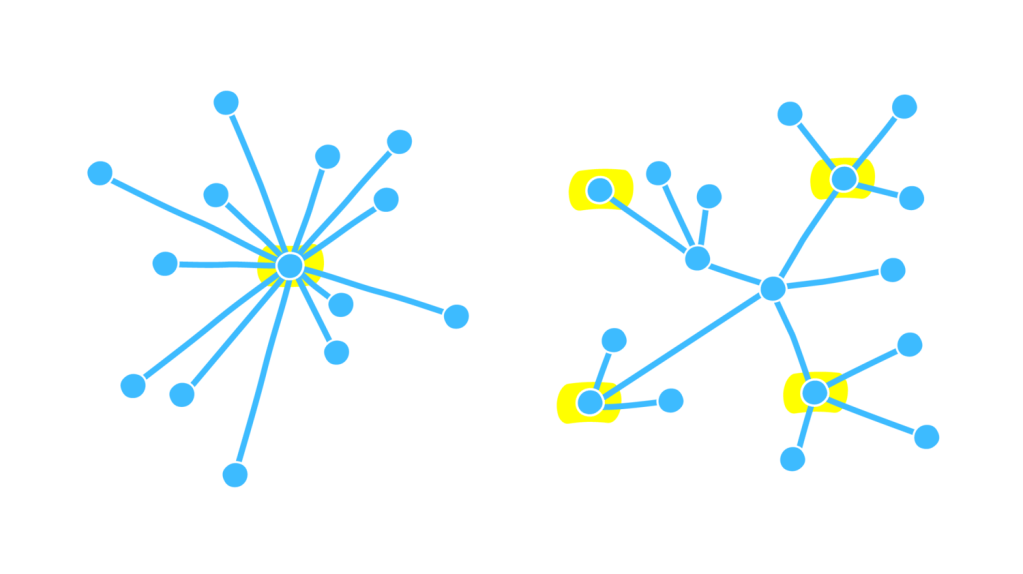
Centralized vs. Decentralized basic diagram

In this two-part series, I will cover the importance of understanding what, how, why and when centralized versus decentralized technology will impact how you interact with your audience / customers. The focus of messaging will be from a publish versus subscribe perspective.

As the debate over data ownership, privacy, monitoring and yes, even the freedom of speech intensifies, the dynamics and architecture of our technical platforms will become even more critical. Individuals and companies that are deciding how to develop, launch and support their products and services will need to think about their long-term vision and what type of control they (ex. Developers, Publishers, Influencers, Retailers) will require to ensure the items will be available when and where needed.

Differentiators

Centralized Technology: All users are connected to a central server that stores complete network data and user information.

Advantage: Standardization, Control, Administration and Monitoring – Usage Example: YouTube, Banking Systems

Disadvantage: Data Vulnerability (see Hackers), System Failure (Redundancy Required), Centralized (single point of attack)

In certain scenarios, the generic cloud computing model can be considered this type of technology, I’ll explain shortly. Typical Situation; Perhaps you have all of your technology (ex. applications, data, hardware) centrally located, at your home, or office. When you need to maintain, upgrade or retire the technology it is your responsibility to take care of it. You, in theory “own” the technology, infrastructure and any potential headaches / issues that may arrive with that responsibility. Yes, you may have a service agreement, or license that keeps you up to date and running, but the sole responsibility is in your hands.

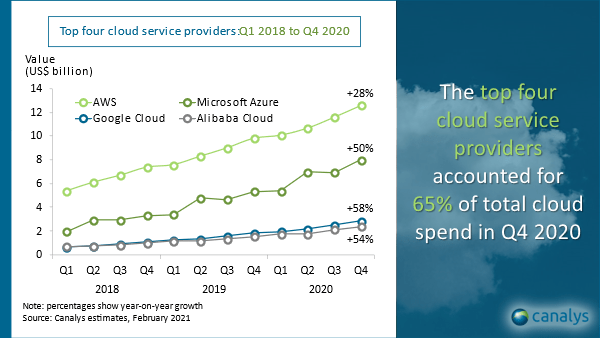
Then in the mid-2000’s came the advent of the commercially available cloud platform, as I briefly mentioned and referenced above. Now you have the option to put the technology that you in theory “own” and all of the inherent issues (ex. updates, backups, scalability) into the hands of someone else, but obviously for a fee / subscription. This became a great option for those that wanted to ensure they had the latest software, hardware, availability and protection, especially from lost information, provided to them via an SLA (Service Level Agreement). All the usual players have stepped-up to offer these services, primarily since they already had the hardware (in most cases), resources and infrastructure available to be leveraged. The names you should be familiar with, Amazon AWS, Google Cloud and Microsoft Azure own the largest market share of this technology as of early 2021.

This offering has become ideal to those that do not want to invest in quickly outdated hardware and software, plus if you are selling products and services any downtime, or lost data (vendors often have backup/restore options) can be critical to your business. When adopted, you now own the creativity, business model, growth and vision, plus your products and services are available “on-demand” to the public, while the technology infrastructure and administration of it (to some, the unfortunate part of doing business) is being administered and executed by a 3rd party.

However, now I want to remind you of what was mentioned in the opening paragraph, regarding the long-term vision for your products and services. Always keep in mind that you are at the mercy of the Terms and Conditions of the contract you signed with your service provider. It is not uncommon for these T&C’s to be updated, or modified numerous times per year. You may receive an email with a 45 page PDF file attached, that is full of legal jargon, and you just click the <AGREE> button and never think twice about it. While your business model, products and services being offered may have not changed, there might have been a wave of cultural, political and social changes that now put your ideas, products and services out-of-favor and no longer something that your service provider wants to “support” via their infrastructure. Overnight, that centralized offering that you adopted with open hands may now be unavailable to you, your organization and the audience / customers you count on. The vendor ultimately is in the right, because you are no longer adhering to the Terms and Conditions of doing business with them, which you early agreed to in that email that you gave little attention to. Now you may be in trouble and starting to scramble for any option, or alternative that will keep you and your business afloat. Being proactive, versus reactive is the key to surviving the just-in-time climate that we are forced to live with.

In a centralized model, always ask yourself the following in advance:

How much control do I “need / want” over what is being offered from me, or my organization to the public (ex. Are my products, services deemed edgy, controversial, opinionated, trendy, or focused towards a particular audience)

How much control do I “have” over what is being offered by me, or my organization (ex. Are channels, comments, endorsements, feedback and input allowed without moderation)

If my platform, or vendor suddenly became unavailable, how would I respond and reach my audience / customers – Always have a backup and/or disaster recovery plan and options ready in case the inevitable happens

Do I know my audience / customer and their expectations – Is your business meeting the needs of your audience, or is it being constrained by the terms and conditions of the service provider

Do I understand the value of data, privacy, reputation and protecting it – This is not just for you and your organization, but also your audience and customers

In my next Post, I will explore Decentralization and summarize the advantages / disadvantages of each model.

Customer Experience and Small Business

It’s been a while since I had the opportunity to post an article and I now found myself compelled to get a posting published regarding some recent experiences. While I’ll never call out a business directly for poor customer service (aka, Customer Experience) I do hope that some day that these “businesses” realize the lost opportunities they had and that simple little activities could have made them a more profitable (potentially).

The Interaction

As you were told by your parents and most likely educators from a very young age, a persons first impression of you is the most important interaction you may ever have with the customer. Making me (the customer) feel as if I’m doing you (the merchant) a favor, is an immediate turn-off. The customer may have done some research to find you, in hopes that their needs will be met by the services you offer. They come to you with anxiety and trepidation (based on the unknown), you are unfamiliar to them…will they get their needs met with satisfaction? Will they need to follow-up to get status, or satisfaction after the transaction? Are you meeting their needs at a fair “price” and / or duration? At this point in the interaction, the merchant has a fairly simple role at this point…LISTEN to the customer. Analyze the interaction as it happens, is the customer knowledgable in the service being requested, do they appear to require additional attention than your typical customer, what are they specifically looking for…like price or speed in meeting their needs. Give your customer as much time as they need to mitigate their uncertainty. Remember, they came to you and not the reverse, the funds remain in their wallet until they choose to release them in your direction.

The Communication

At this point the merchant is, or has been listening to the customer, building the relationship, reducing anxiety and perhaps creating a bond that will continue beyond this first interaction. Perhaps they have remembered to introduce each other and received proper names, they begin to use proper names in their dialog. It is more possible that a person will have a sense of familiarity when using proper names than labels. However, the more difficult part of this exercise is to remember names and important takeaways that happened during this dialog…take NOTES. The next time that George walks into your shop and you remember that they are new to the neighborhood and are originally from a town in New York that you grew-up in, will create a bond more valuable than the five percent off you gave as a first time customer. Another benefit is that a relationship that is based on names and recognition also provides a barrier to negative feedback anonymously. It’s much easier for a stranger to provide negative input on social media about an interaction, when they believe they are anonymous. However, if the customer is on a first name basis with the merchant, typically forgiveness and having a conversation in order to rectify the issue will happen more readily.

Transaction and Follow-up

The transaction is simple, did the merchant accomplish the request which was asked for, without surprises and with explanation of what has been done. Did the merchant provide regular status updates if the process was lengthy (this means being proactive and not having to be asked by the customer). Were deadlines met if one was given, if there was a potential delay, was this provided early and with explanation on why and with a new deadline. During the transaction, the customer must never be left wondering what is happening – over communication is better than no communication, nine times out of ten.

One of the most important stages of the process is the follow-up with the customer and unfortunately this is often disregarded. A simple, call or note asking the customer if everything has met their expectations is often good enough. However, not doing this gives a perception to the customer that they are just a number and their business is not valuable, regardless of the financial investment. Avoid the blind survey, make it personable, understand what was done well and more importantly what could have been done better. This data is invaluable and will help the merchant understand what customers are expecting from their business.

The merchant should never get sloppy and bypass stages of a relationship with new or existing customers, just because they think it’s a burden. Even one missed stage in the process, or even a poorly executed one could send that customer to the competitor and they will be none-the-wiser as to why their business is struggling