Closed Loop Marketing – Explained for The Small to Medium Sized Business

In-depth closed loop marketing is a strategy that focuses on gathering data throughout the entire marketing and sales process, analyzing that data, and using the insights gained to optimize marketing efforts. It involves tracking and attributing marketing activities to specific outcomes, such as lead generation, customer acquisition, and revenue generation. By closing the loop, businesses can refine their marketing strategies, improve targeting, and drive better overall results.

The latest technology that assists small to medium-sized businesses in executing closed loop marketing includes:

  1. Customer Relationship Management (CRM) Software: CRM software allows businesses to track and manage customer interactions, gather valuable customer data, and analyze customer behavior. It helps close the loop by providing insights into which marketing efforts are generating leads and driving sales.
  2. Marketing Automation Platforms: These platforms automate marketing tasks such as email campaigns, lead nurturing, and customer segmentation. By integrating with CRM systems, they can track the effectiveness of marketing campaigns, attribute leads to specific activities, and provide data for closed loop analysis.
  3. Analytics and Reporting Tools: Advanced analytics tools provide in-depth data analysis, allowing businesses to measure the impact of their marketing efforts. These tools can track website traffic, conversion rates, customer engagement, and other key performance indicators (KPIs) to determine the effectiveness of marketing campaigns and optimize strategies accordingly.
  4. Attribution Modeling Tools: These tools help businesses understand how different marketing channels and touchpoints contribute to customer conversions. They assign credit to various marketing activities, such as social media ads, search engine marketing, content marketing, and email campaigns, to determine their impact on lead generation and revenue.

Examples of closed loop marketing:

  1. Email Marketing: A business sends out targeted email campaigns to a segmented list of leads. By tracking email open rates, click-through rates, and subsequent conversions, the business can measure the effectiveness of different email campaigns and refine their messaging and targeting based on the data.
  2. Content Marketing: A business creates blog posts, videos, and other content assets to attract and engage potential customers. By analyzing website traffic, time spent on each piece of content, and subsequent conversions, the business can identify the most effective content types and topics and optimize their content marketing strategy.
  3. Paid Advertising: A business runs various paid advertising campaigns across different channels, such as search engines, social media platforms, and display networks. By tracking conversions, revenue generated, and customer acquisition costs, the business can determine the most profitable ad campaigns and adjust their budget allocation accordingly.

Ways to measure the success of a closed loop marketing strategy:

  1. Conversion Rate: Measure the percentage of leads that convert into customers. Analyze how different marketing activities impact conversion rates to identify the most effective strategies.
  2. Return on Investment (ROI): Calculate the revenue generated from marketing efforts and compare it to the costs incurred. This metric helps determine the profitability of marketing campaigns and allocate resources effectively.
  3. Customer Acquisition Cost (CAC): Determine the cost of acquiring a new customer by dividing the total marketing and sales expenses by the number of customers acquired. Lowering the CAC indicates an efficient closed loop marketing strategy.
  4. Customer Lifetime Value (CLV): Calculate the average revenue generated from a customer over their entire relationship with the business. A higher CLV indicates the effectiveness of marketing efforts in retaining and upselling customers.
  5. Marketing Attribution: Use attribution models to attribute conversions to specific marketing activities or touchpoints. By understanding the contribution of each channel, businesses can optimize their marketing mix and budget allocation.
  6. Customer Feedback and Surveys: Collect feedback from customers to gauge their satisfaction, loyalty, and likelihood to recommend. Positive feedback and higher Net Promoter Scores (NPS) indicate the effectiveness of the closed loop marketing strategy in delivering value to customers.

By regularly monitoring and analyzing these metrics, businesses can assess the effectiveness of their closed loop marketing strategy and make data-driven decisions to optimize their marketing efforts. It’s important to note that closed loop marketing is an iterative process, and ongoing monitoring and analysis are essential to ensure continuous improvement.

Additional ways to measure the success of a closed loop marketing strategy include:

  1. Lead-to-Customer Conversion Rate: Track the percentage of leads that progress through the sales funnel and ultimately become paying customers. This metric helps assess the effectiveness of lead nurturing and sales processes.
  2. Time-to-Close: Measure the average time it takes for a lead to convert into a customer. A shorter time-to-close indicates efficient marketing and sales processes.
  3. Customer Engagement Metrics: Analyze metrics such as website dwell time, page views, social media interactions, and email click-through rates to gauge the level of customer engagement. Higher engagement suggests that marketing efforts are resonating with the target audience.
  4. Customer Retention Rate: Calculate the percentage of customers who continue to purchase from the business over a specific period. A higher retention rate signifies effective marketing strategies that drive customer loyalty.
  5. Marketing Qualified Leads (MQL) to Sales Qualified Leads (SQL) Ratio: Measure the ratio of MQLs that progress to SQLs, indicating the quality and effectiveness of lead generation efforts. This metric helps identify areas for improvement in lead qualification and nurturing processes.
  6. Closed Loop Reporting: Implement a closed loop reporting system that connects marketing data with sales data. By analyzing the entire customer journey, from initial touchpoints to closed deals, businesses can gain insights into the effectiveness of specific marketing activities and optimize their strategies accordingly.

It’s worth noting that the specific metrics and tools used to measure the success of a closed loop marketing strategy may vary depending on the industry, business goals, and available resources. It’s essential to define clear objectives, establish key performance indicators, and regularly track and analyze data to gauge the effectiveness of the strategy and make informed decisions for improvement.

Mastering Generative AI: Today’s Landscape and Tomorrow’s Promise

In a recent blog post we discussed the topic of; Boosting Customer Interaction Experience with Generative AI: The Ultimate Short-Term Strategy for SMEs – In today’s post we will dive a bit deeper into Generative AI and explore how to leverage this technology in our day-to-day strategy within our business. This may end-up leading to a series of related posts, so we capture the essence of AI and how it is transforming Customer Experience Management.

Introduction

Generative AI, a rapidly evolving facet of artificial intelligence, is transforming our digital world. It’s a powerful tool that enables computers to create data resembling real-world data, such as text, images, and voice. However, mastering this technology requires a deep understanding of its mechanisms, current applications, and future possibilities. This blog post aims to explore these facets and shed light on the pros and cons of generative AI. It also delves into how small and medium-sized businesses can harness its potential to stay ahead in their respective industries.

Understanding Generative AI

Generative AI refers to a class of AI models that can generate novel, creative content. Examples include GPT-4 by OpenAI, which can produce human-like text, and Midjourney or DALL-E, which can create unique artworks or images.

Mastering generative AI requires a strong foundation in machine learning and deep learning principles. It also necessitates an understanding of more advanced concepts, such as Generative Adversarial Networks (GANs), Variational Autoencoders (VAEs), and Reinforcement Learning.

Current Opportunities in Generative AI

There are several immediate applications for generative AI, including but not limited to:

  1. Content Creation: AI can generate text, images, music, and more, aiding in various sectors from entertainment to marketing.
  2. Customer Interaction: As seen in AI chatbots, generative models can create human-like interactions, boosting customer engagement and experience.
  3. Data Augmentation: Generative AI can create synthetic data to boost the training of other AI models when real-world data is scarce or sensitive.

Deep Research and Investment Needs

While the possibilities are vast, generative AI is still a complex field requiring further research and investment:

  1. Ethical and Responsible Use: Generative AI can create realistic fake content, leading to ethical issues around deception and misinformation. Research is necessary to build controls and norms around its use.
  2. Quality and Control: While generative AI can create novel content, ensuring consistent quality and control over the output is challenging and requires further investment.
  3. Energy Efficiency: Training large generative models often require significant computational resources and energy, leading to environmental concerns.

Pros and Cons of Generative AI

Pros

  1. Creativity at Scale: Generative AI can create vast amounts of novel and diverse content, leading to new opportunities in creativity and design.
  2. Automation: It can automate tasks, such as content creation and customer interaction, freeing up human time for higher-value tasks.
  3. Data Generation: It can generate synthetic data for training other AI models, a valuable asset when dealing with sensitive or limited data.

Cons

  1. Ethical Concerns: The ability to create realistic fake content can lead to deception, misinformation, and privacy concerns.
  2. Quality Control: It can be challenging to ensure the quality and appropriateness of the generated content consistently.
  3. Computational Requirements: Training generative models requires significant computational resources and energy, which can be a limiting factor for many organizations.

The Future of Generative AI

Generative AI is rapidly advancing and holds significant promise for the future. We can expect improved content generation capabilities, better quality control mechanisms, and more energy-efficient models. Advances in Responsible AI practices should also help address ethical concerns.

Staying Ahead: A Guide for Small to Medium Businesses

To stay ahead of the advances in generative AI, small and medium-sized businesses can:

  1. Invest in AI Literacy: Develop a basic understanding of AI and its implications across all levels of the organization.
  2. Explore Partnerships: Collaborate with AI solution providers, universities, or startups to access AI capabilities that may otherwise be out of reach. 3. Pilot Projects: Start with small, manageable AI projects to understand its potential and limitations within your business context.
  3. Focus on Use Cases: Identify specific business problems where AI can provide a competitive advantage, such as improving customer service with AI chatbots or enhancing content marketing with AI-generated text.
  4. Responsible AI Practices: Develop and enforce ethical guidelines for AI use within your organization, taking into account aspects like transparency, fairness, privacy, and security.

Conclusion

Generative AI is a transformative technology that’s reshaping the digital landscape. While mastering it requires a deep understanding of complex concepts and continuous research, the potential benefits make it a worthwhile investment. By understanding the technology’s pros and cons, exploring immediate applications, and investing in future possibilities, businesses of all sizes can leverage generative AI to stay competitive in their industries. As we navigate this evolving landscape, a thoughtful, responsible approach to AI use will be crucial in unlocking its potential and mitigating its risks. We will keep exploring this space, especially as it impact Customer Experience Management (CEM) – Stay tuned.

The Power of AI in A/B Testing for Marketing Automation: Pros, Cons, and Measurement Techniques

Introduction

Artificial Intelligence (AI) is no longer a term associated with science fiction or futuristic technology. It has become a valuable tool for marketers worldwide, helping businesses navigate the data-driven marketing landscape more efficiently and effectively. One key area where AI has had a significant impact is A/B testing in marketing automation. This post explores how AI can be leveraged in A/B testing, the pros and cons of its use, and how to measure success and failure in this marketing strategy.

What is A/B Testing?

A/B testing, also known as split testing, is a method used in marketing to compare two different versions of a webpage, email, or other marketing material to see which one performs better. Essentially, it’s a way of conducting an online experiment where two or more variants of a page are shown to users at random, and statistical analysis is used to determine which variation performs better for a given conversion goal.

AI in A/B Testing

AI can be a game-changer in A/B testing. It can help marketers create, implement, and analyze tests more accurately and quickly. Here’s how:

  1. Predictive Analytics: AI can analyze past data to predict future behavior, allowing you to make more informed decisions when setting up your A/B tests.
  2. Personalization: AI can use data to create personalized content for different segments, increasing the chances of positive engagement.
  3. Automated Analysis: AI can process vast amounts of data quickly and provide insights that may be missed by human analysts.
  4. Dynamic Adjustment: AI can monitor A/B tests in real-time and make adjustments based on performance, ensuring the most effective version is always live.

Pros of Using AI in A/B Testing

There are several benefits to using AI in A/B testing:

  1. Increased Efficiency: AI can analyze vast amounts of data quickly, providing insights faster than a human analyst could. This means you can iterate and optimize your tests quicker, leading to faster results.
  2. Greater Accuracy: AI algorithms can detect patterns and trends that humans might overlook. This can lead to more accurate predictions and, ultimately, more effective marketing campaigns.
  3. Improved Personalization: AI can use data to create highly personalized content, which can lead to improved customer engagement and higher conversion rates.
  4. Scalability: With AI, you can run multiple A/B tests simultaneously across different channels and audiences, something that would be almost impossible to manage manually.

Cons of Using AI in A/B Testing

Despite its advantages, there are also some potential drawbacks to using AI in A/B testing:

  1. Complexity: AI can be complex to set up and manage. It requires a certain level of technical expertise, which not all businesses have.
  2. Risk of Over-Reliance: There’s a risk that businesses may become over-reliant on AI, neglecting the human element of marketing. It’s essential to remember that AI is a tool, not a replacement for human intuition and creativity.
  3. Data Privacy Concerns: AI requires access to large amounts of data, which can raise privacy concerns. Businesses must ensure they are compliant with data protection regulations when using AI.

Measuring Success and Failure in A/B Testing

The success or failure of an A/B test is typically measured using key performance indicators (KPIs) such as conversion rates, click-through rates, bounce rates, and time spent on a page. With AI, these metrics can be analyzed in real time, providing instant feedback on the performance of your test.

Additionally, AI can provide a more nuanced understanding of why a particular variant was successful. For example, it can analyze patterns

in user behavior, segment responses, and correlate results with other variables to provide deeper insights into the test outcomes.

Furthermore, machine learning algorithms can be used to predict future performance based on past results. This can help you anticipate how a particular variant might perform before it’s even launched, giving you the chance to make adjustments in advance if necessary.

When it comes to failure, it’s essential to remember that not all tests will yield positive results – and that’s okay. The goal of A/B testing is to learn, and sometimes, what you learn is what doesn’t work. AI can help analyze failed tests to determine why they didn’t perform as expected, providing valuable insights that can guide future testing strategies.

Recommendations for Leveraging AI in A/B Testing

To effectively leverage AI in your A/B testing strategy, consider the following recommendations:

  1. Start with Clear Goals: Before implementing AI, make sure you have clear goals for your A/B testing strategy. What do you hope to achieve? What metrics will you use to measure success?
  2. Choose the Right AI Tools: Not all AI tools are created equal. Make sure to choose a tool that aligns with your business needs and has a proven track record of success in A/B testing.
  3. Combine AI with Human Expertise: While AI can provide valuable insights, it should be used as a tool to complement, not replace, human expertise. Use AI to handle data analysis and prediction, but rely on your team’s creativity and intuition to design and implement tests.
  4. Respect Data Privacy: Ensure that your use of AI is compliant with data protection regulations. Always get explicit consent from users before collecting their data.

Conclusion

AI offers immense potential to enhance A/B testing within marketing automation. It provides predictive analytics, personalization, automated analysis, and dynamic adjustment that can significantly improve the efficiency and accuracy of your marketing campaigns. However, it’s crucial to remain aware of the potential drawbacks and the importance of combining AI with human expertise for the best results.

The success of AI in A/B testing is largely dependent on how well it’s implemented, how clear the initial goals are, and how well you can balance the use of technology with a deep understanding of your audience. With the right approach, AI can be a powerful tool in your marketing automation arsenal.

Boosting Customer Interaction Experience with Generative AI: The Ultimate Short-Term Strategy for SMEs

Introduction:

Small to medium-sized businesses (SMEs) face several challenges in their daily operations, with customer interaction being one of the most critical. But here’s the good news: the advent of generative AI offers a promising solution that could revolutionize how businesses interact with their customers, leading to impressive short-term returns on investment. This post will delve into how SMEs can leverage generative AI to enhance customer interaction experiences and make the most out of their investment in this technology.

Understanding Generative AI

Generative AI is a subset of artificial intelligence that uses machine learning models, particularly Generative Adversarial Networks (GANs), to generate new data that mimics a given dataset. In the context of customer interaction, generative AI can create natural language responses, enabling more human-like interaction with customers.

AI models like GPT-4 by OpenAI are capable of understanding and generating human-like text, making them ideal for customer service applications. These models can answer customer inquiries, assist with purchases, and even engage in small talk, offering a 24/7 service that can significantly boost customer satisfaction.

Enhancing Customer Interaction with Generative AI

Here are some ways SMEs can harness the power of generative AI to improve customer interaction:

1. AI Chatbots

AI chatbots are one of the most effective ways to utilize generative AI. They can handle an array of tasks, including answering frequently asked questions, assisting with order placement, and providing personalized recommendations.

The AI’s natural language generation capabilities ensure that interactions feel natural and engaging. This not only improves customer satisfaction but also frees up human staff to focus on more complex queries, leading to greater operational efficiency.

2. Personalized Recommendations

Generative AI can analyze a customer’s browsing history, past purchases, and even responses during an interaction to generate personalized product or service recommendations. This can significantly increase conversion rates and customer retention, as customers are more likely to purchase products that align with their preferences.

3. Email Marketing

AI can generate personalized emails based on customer data, ensuring that your business’s email marketing campaigns are more effective. By tailoring the content to each customer’s interests, you can significantly increase open rates, click-through rates, and ultimately, sales.

Short-Term Strategies for Maximum ROI

Now that we’ve explored how generative AI can enhance customer interaction, let’s discuss how SMEs can achieve the largest return on their AI investment in the short term:

1. Start Small

Start by implementing AI in one area of your customer service, such as AI chatbots for handling common inquiries. This allows you to gauge the effectiveness of the AI and troubleshoot any issues before scaling up. It also requires a smaller upfront investment, making it more accessible to SMEs.

2. Train Your AI

Even the most advanced AI models require training to effectively serve your business. You should feed the AI with data relevant to your business and customers. This could be past customer inquiries, product details, or other business-specific information. The more relevant data the AI has, the better it will perform.

3. Monitor and Optimize

Once you’ve implemented your AI, it’s important to monitor its performance and make necessary adjustments. This could involve tweaking the AI’s responses, feeding it more data, or expanding its responsibilities. Regular monitoring and optimization can ensure that you’re getting the most out of your AI investment.

In conclusion, generative AI offers a powerful tool for enhancing customer interaction experiences. By starting small, training your AI, and regularly monitoring and optimizing, SMEs can achieve significant returns on their AI investment in the short term. As AI technology continues to evolve,

the opportunities for SMEs to further improve their customer interactions and drive growth will only increase.

4. Leverage AI Analytics

Generative AI doesn’t just interact with customers—it also gathers valuable data about those interactions. This data can offer important insights into customer behavior, preferences, and needs. SMEs can leverage this data to further personalize their offerings and improve their business strategies.

5. Integrate AI Across Channels

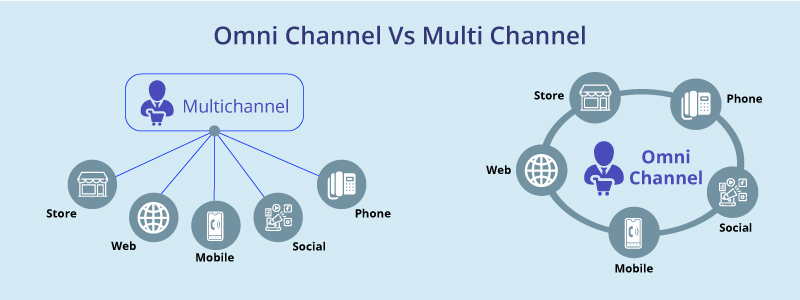
Once you’ve seen success with AI in one area of your customer service, consider expanding its use to other channels. This could involve integrating AI into your social media platforms, email marketing campaigns, and even your phone lines. An omnichannel AI approach ensures consistent, high-quality customer service across all platforms.

6. Prioritize Security

As with any technology that handles sensitive customer data, security should be a top priority when implementing generative AI. Ensure that your AI has robust security measures in place to protect customer data and maintain customer trust.

The Future of Customer Interaction

With the power of generative AI, SMEs can significantly enhance their customer interaction experiences, leading to higher customer satisfaction, improved operational efficiency, and ultimately, increased revenue.

However, it’s important to remember that while AI can augment and streamline customer service, it doesn’t replace the need for human interaction. The best customer service strategies will leverage the strengths of both AI and human agents to deliver a truly exceptional customer experience.

In the short term, SMEs can achieve a significant return on their AI investment by starting small, regularly monitoring and optimizing their AI, and gradually expanding its use across their customer service operations. As AI technology continues to evolve, SMEs that embrace this technology will be well-positioned to stay ahead of the curve and drive their business success.

Generative AI is not just a tool for improving customer interaction—it’s a powerful business asset that can transform the way SMEs operate and interact with their customers. By harnessing the power of generative AI, SMEs can turn daily struggles into significant opportunities for growth and success.

AI-Driven Marketing Automation: Boosting Customer Engagement for Small to Medium-Sized Businesses

Introduction

In today’s competitive business environment, engaging customers effectively is more important than ever. Traditional marketing methods are increasingly being replaced by AI-driven marketing automation strategies to optimize campaigns for better customer engagement. This blog post will explore how AI-driven marketing automation can benefit small to medium-sized businesses (SMBs), and how they can leverage this technology to foster deeper relationships with their customers.

  1. Understanding AI-Driven Marketing Automation

AI-driven marketing automation refers to the use of artificial intelligence (AI) technology in automating and optimizing marketing tasks, such as email marketing, social media posting, and ad targeting. By leveraging AI, SMBs can analyze large volumes of data, identify patterns, and make data-driven decisions to improve the effectiveness of their marketing campaigns.

  1. Benefits of AI-Driven Marketing Automation

a. Improved customer segmentation: AI algorithms can analyze customer behavior and preferences, enabling businesses to create highly-targeted marketing campaigns that cater to specific audience segments.

b. Enhanced personalization: By using AI to analyze customer data, businesses can tailor their marketing messages to resonate with individual customers, increasing the chances of conversions and fostering deeper customer engagement.

c. Greater efficiency: Automating repetitive marketing tasks allows businesses to focus on other strategic initiatives, boosting overall productivity and efficiency.

d. Data-driven decision making: AI-driven marketing automation provides insights into campaign performance, enabling businesses to make informed decisions that improve their marketing strategies.

  1. Best Practices for Leveraging AI-Driven Marketing Automation

a. Implement a customer-centric approach: Understand your customers’ needs and preferences by leveraging AI-powered customer analytics, and design campaigns that cater to their interests.

b. Test and optimize: Continuously monitor campaign performance and use AI-driven insights to make adjustments, ensuring that your marketing efforts are as effective as possible.

c. Integrate with existing marketing tools: Many AI-driven marketing automation platforms can be integrated with your existing marketing tools, such as CRM systems, email marketing services, and social media platforms, to create a seamless marketing ecosystem.

d. Prioritize data privacy: Ensure that your AI-driven marketing automation strategies comply with data privacy regulations, and always obtain consent from customers before collecting and using their personal data.

  1. AI-Driven Marketing Automation Solutions for SMBs

There are numerous AI-driven marketing automation platforms available that cater to SMBs. Some popular options include: (These are examples and not specifically my endorsements)

a. HubSpot: A comprehensive marketing, sales, and CRM platform that offers AI-driven features such as predictive lead scoring and content optimization.

b. Mailchimp: A well-known email marketing platform with AI-powered features, such as product recommendations and behavior-based automation.

c. AdRoll: An AI-driven platform that specializes in retargeting ads and personalized marketing campaigns.

d. Salesforce Marketing Cloud Account Engagement: A B2B marketing automation tool that uses AI to help businesses generate high-quality leads and manage their pipeline.

Conclusion

AI-driven marketing automation offers SMBs a powerful way to optimize their marketing campaigns and enhance customer engagement. By understanding their customers’ preferences, automating repetitive tasks, and continuously optimizing their strategies, SMBs can leverage AI technology to stay ahead of the competition and foster long-lasting relationships with their customers.

AI-Powered Customer Feedback: Transforming Engagement & Driving Continuous Improvement

Introduction:

Artificial intelligence (AI) has revolutionized the way businesses interact with customers, and the future of customer feedback is no exception. AI-enabled technologies are transforming the customer engagement experience, allowing companies to tap into real-time insights and drive continuous improvement. This blog post explores the best ways to leverage AI for customer engagement and provides a quick deployment strategy for optimal ROI.

  1. Understanding AI in Customer Feedback: AI-driven customer feedback platforms empower organizations to analyze large volumes of customer data, identify patterns, and gain actionable insights. Natural language processing (NLP) and machine learning algorithms help companies understand customer sentiments, preferences, and pain points, which are crucial for informed decision-making and continuous improvement.
  2. Benefits of AI in Customer Engagement:
  • Real-time insights: AI enables real-time data analysis, allowing companies to track customer sentiment and adjust engagement strategies promptly.
  • Personalized experiences: AI-driven platforms help companies deliver personalized and targeted marketing messages based on customer preferences.
  • Improved customer satisfaction: Continuous improvement driven by AI can lead to more satisfying customer experiences, increasing loyalty and retention.
  • Streamlined operations: AI-powered tools can automate repetitive tasks, enabling employees to focus on high-value activities and customer interactions.
  1. Best Practices for Leveraging AI in Customer Engagement:
  • Implement AI-driven feedback tools: Utilize chatbots, surveys, and social media listening tools to gather customer feedback in real-time.
  • Integrate with CRM systems: Combining AI platforms with customer relationship management (CRM) systems can help businesses make data-driven decisions and deliver personalized experiences.
  • Emphasize data security: Ensure robust data privacy and security measures to protect sensitive customer information.
  • Train and educate employees: Ensure employees understand how to utilize AI-driven tools effectively and use insights to improve customer engagement.
  1. Steps for Quick Deployment of AI-Powered Customer Feedback Strategy:
  • Assess current tools: Evaluate your existing customer engagement tools to determine their effectiveness and identify areas for improvement.
  • Choose an AI platform: Select a comprehensive AI-driven customer feedback platform that aligns with your business objectives and offers scalability.
  • Integrate with existing systems: Seamlessly integrate the AI platform with your CRM and other essential systems.
  • Test and refine: Run pilot tests to evaluate the effectiveness of the AI-powered feedback strategy, and refine it based on the results.
  • Train employees: Educate your team on how to use the AI platform and apply insights for continuous improvement.
  • Monitor and optimize: Continuously analyze customer feedback data, adjust your engagement strategies, and measure the ROI to ensure maximum effectiveness.

Conclusion:

AI is poised to become an integral part of customer engagement programs, providing real-time insights and opportunities for continuous improvement. By leveraging AI-driven customer feedback strategies, businesses can deliver personalized experiences, improve customer satisfaction, and ultimately achieve a higher return on investment. Follow the steps outlined above for a quick and effective deployment of this transformative technology.

Striking the Balance: Navigating the Ethical Challenges of AI in Customer Experience Management for Small to Medium-Sized Businesses

Introduction

The increasing adoption of artificial intelligence (AI) in customer experience management (CEM) has brought about ethical challenges that businesses must address. One of the major ethical challenges is balancing privacy and personalization, particularly in small to medium-sized businesses. In this blog post, we will explore the pros and cons of this challenge, why it is important for small to medium-sized businesses, and the best approaches to addressing it, along with how to measure a successful implementation.

Pros of Balancing Privacy and Personalization in CEM

  1. Improved Customer Experience: Personalization is key to improving customer experience. When a customer feels that a business is taking their unique preferences into account, they are more likely to become loyal and return customers.
  2. Increased Sales: Personalization also has a positive effect on sales. When businesses use AI to personalize their marketing campaigns and product recommendations, customers are more likely to make purchases.
  3. Reduced Costs: By using AI to automate certain aspects of CEM, businesses can reduce their costs associated with customer service and support.

Cons of Balancing Privacy and Personalization in CEM

  1. Invasion of Privacy: Collecting personal data can be seen as an invasion of privacy, particularly if the data is used without consent or if it is shared with third-party companies.
  2. Biased Results: AI can be biased if it is not properly programmed or if it is trained on biased data. This can lead to inaccurate personalization and discrimination.
  3. Data Breaches: Collecting and storing personal data can make businesses vulnerable to data breaches, which can result in the loss of customer trust and reputation damage.

Why is this important for small to medium-sized businesses?

Small to medium-sized businesses often have limited resources to invest in CEM. As such, they need to make the most of the resources they have. AI can help SMBs automate certain aspects of CEM, such as customer service and support, while also personalizing their marketing campaigns and product recommendations. However, SMBs also need to be mindful of the ethical challenges associated with AI in CEM. By balancing privacy and personalization, SMBs can improve their customer experience, increase sales, and reduce costs, while also ensuring that they are acting ethically.

Best Approaches to Addressing the Ethical Challenges of AI in CEM

  1. Obtain Consent: Businesses should obtain consent from customers before collecting and using their personal data. This can be done through opt-in forms, terms and conditions agreements, and privacy policies.
  2. Transparency: Businesses should be transparent about how they collect and use personal data. This includes providing clear explanations of the purpose of data collection, the types of data collected, and how the data will be used.
  3. Avoid Bias: Businesses should take steps to avoid bias in AI algorithms. This includes regularly reviewing and testing algorithms to ensure that they are producing accurate and unbiased results.
  4. Cybersecurity: Businesses should invest in cybersecurity measures to protect customer data from data breaches. This includes using encryption, firewalls, and two-factor authentication.

Measuring a Successful Implementation

To measure a successful implementation of AI in CEM, businesses should track the following metrics:

  1. Customer Satisfaction: Businesses should measure customer satisfaction through surveys, feedback forms, and online reviews.
  2. Sales: Businesses should track sales and revenue to determine the effectiveness of personalized marketing campaigns and product recommendations.
  3. Cost Reduction: Businesses should track the cost savings associated with the automation of customer service and support.
  4. Data Breaches: Businesses should monitor for data breaches and take immediate action to mitigate any breaches that occur.

In conclusion, the ethical challenges associated with AI in CEM can be addressed by balancing privacy and personalization. SMBs can improve their customer experience, increase sales, and reduce costs, while also acting ethically by obtaining consent,

being transparent, avoiding bias, and investing in cybersecurity. By implementing these best approaches, SMBs can ensure that they are using AI in a responsible and ethical way.

Measuring a successful implementation is critical in ensuring that the ethical challenges associated with AI in CEM are being addressed effectively. By tracking customer satisfaction, sales, cost reduction, and data breaches, businesses can ensure that their AI implementation is not only improving their customer experience but is also being done ethically and responsibly.

In summary, small to medium-sized businesses can benefit significantly from using AI in CEM to improve their customer experience, increase sales, and reduce costs. However, they must also balance privacy and personalization, ensuring that they are using AI in an ethical and responsible way. By following best approaches, SMBs can ensure that they are not only using AI effectively but also responsibly. Measuring a successful implementation is also critical in ensuring that they are achieving their desired outcomes while addressing ethical challenges effectively.

AI vs. Human-Generated Content in Blogging: The Battle for the Future of Online Publishing

Background

While reading through my follower’s comments and feedback on recent posts, one follower had a question that I expect many authors are receiving because of the recent buzz around AI. And yet while it was a bit of an odd query, as it wasn’t questioning the accuracy of the “what” (ex. content, or the intent) in the post, it was focused on the “who” (ex. AI, versus Human) and the question was a simple “Is this created via AI or a human”. My initial reaction was that this was a troll looking to spam the comment section. Were they questioning the accuracy of the information, did they feel that they are not getting value from the material (these blog posts are free to the follower/subscriber), ultimately I was perplexed.

Then I thought, maybe the comment was from someone that grew up in the age of hardcover dictionaries and had a multi-volume encyclopedia on their bookshelf and became frustrated watching the next generation using Google and the internet for research. As we have discussed in many previous posts, the adoption of large leaps in technology is difficult for some. Many that went to school prior to the internet and now are first hearing of AI, will naturally be sceptical of the technology and question whether it is cheating and can it be trusted. So rather than ignore the comment, we can explore it a bit further.

Introduction

In today’s rapidly evolving digital landscape, the lines between human-generated content and artificial intelligence (AI) generated content are becoming increasingly blurred. As AI technology advances, it’s important to explore the differences between the two content creation methods in terms of quality, efficiency, and the overall user experience. In this blog post, we’ll delve into the pros and cons of AI-generated content versus human-generated content and discuss the potential future of blog posts in the age of AI.

The Difference Between AI and Human-Generated Content

  1. Creativity and Originality

Human-generated content benefits from the unique perspectives, emotions, and experiences of the individual writer. This often leads to more creative, engaging, and emotionally resonant content. On the other hand, AI-generated content is created using algorithms based on pre-existing data, which can limit originality and creativity. However, many believe that AI removes any underlying bias that a human may foster on the topic.

  1. Time and Efficiency

AI-generated content can be produced at a much faster rate than human-generated content. This is especially advantageous for businesses that need to create large amounts of content in a short time. However, the quality and accuracy of AI-generated content can vary, and it may require editing and revisions from a human. This is why a review and edit of all content being created is still required.

  1. SEO and Keyword Optimization

Both AI and human-generated content can be optimized for search engine performance. However, AI-generated content has the advantage of being able to analyze and incorporate keyword data more quickly and efficiently than humans.

Pros and Cons of AI vs. Human-Generated Content in Blog Posts

AI-generated Content:

Pros:

  • Faster content creation
  • Cost-effective for businesses with significant content demands
  • Efficient keyword optimization

Cons:

  • Limited creativity and originality
  • Potential for inaccuracies or lack of context
  • It may require human editing and revision

Human-generated Content:

Pros:

  • Unique perspectives and creativity
  • Emotionally resonant content
  • A better understanding of context and nuance

Cons:

  • Slower content creation process
  • Higher cost for businesses
  • Time-consuming keyword optimization

The Future of Blog Posts in the Age of AI

As AI technology continues to advance, we can expect AI-generated content to become more sophisticated and human-like. This could lead to an increased reliance on AI for content creation in various industries. However, human-generated content will still hold value, particularly in areas where creativity, personal experience, and emotional resonance are crucial.

In the future, we may see a hybrid approach to content creation, where AI-generated content is used as a starting point, and human writers are brought in to add creativity, context, and polish. This collaboration between AI and human creators could lead to a more efficient content creation process while still maintaining the unique qualities that only human-generated content can provide.

Conclusion

The debate between AI-generated content and human-generated content will likely continue as AI technology evolves. While AI-generated content offers benefits in terms of speed, efficiency, and cost-effectiveness, human-generated content still holds the edge when it comes to creativity, emotional resonance, and context. The future of blogging may lie in a balance between the two, with AI and human creators working together to produce high-quality, engaging content that appeals to readers and search engines alike.

AI and Sentiment Analysis: Unlocking Customer Emotions for a Better Experience

The Power of Sentiment Analysis in Small to Medium Sized Businesses

Introduction

In the age of digital technology and social media, understanding customer emotions is crucial to providing a better experience and growing a small to medium-sized business (SMB). Sentiment analysis, which is the process of determining the sentiment or emotion behind a piece of text, has become a powerful tool for businesses to gauge customer opinions and feedback. Artificial Intelligence (AI) has significantly enhanced sentiment analysis, providing more accurate and efficient ways of deciphering customer emotions. In this blog post, we will discuss the pros and cons of AI and sentiment analysis, why it is important for SMBs, the best approaches to addressing this topic, and how to measure a successful implementation.

Pros of AI and Sentiment Analysis

  1. Improved Customer Experience: By understanding the emotions and sentiments behind customer feedback, businesses can tailor their products and services to better meet customer needs and expectations, resulting in an improved customer experience.
  2. Proactive Issue Resolution: Sentiment analysis allows businesses to quickly identify negative feedback and address issues before they escalate, which can help maintain a positive brand reputation.
  3. Data-Driven Decision Making: Sentiment analysis can provide valuable insights that inform data-driven decision making, helping businesses refine their marketing strategies, product offerings, and customer support.
  4. Enhanced Social Media Monitoring: AI-powered sentiment analysis can monitor and analyze customer conversations on social media platforms in real-time, giving businesses a better understanding of customer opinions and allowing them to engage with their audience more effectively.

Cons of AI and Sentiment Analysis

  1. Privacy and Data Security Concerns: The use of AI for sentiment analysis may raise privacy concerns, as customers may feel that their personal information is being monitored and analyzed without their consent.
  2. Limited Accuracy: AI algorithms may struggle to accurately interpret the sentiment behind ambiguous or sarcastic comments, leading to potential misinterpretation of customer feedback.
  3. High Initial Investment: Implementing AI-powered sentiment analysis tools can be expensive, particularly for SMBs with limited resources.

Why Sentiment Analysis is Important for SMBs

Understanding customer emotions is essential for SMBs that aim to stand out in a competitive market. Sentiment analysis can help SMBs:

  1. Improve customer retention by addressing customer concerns proactively.
  2. Identify trends and patterns in customer feedback to inform product development and marketing strategies.
  3. Gain a competitive edge by offering personalized customer experiences based on their emotions and preferences.

Best Approaches to AI and Sentiment Analysis

  1. Choosing the Right Tools: Select AI-powered sentiment analysis tools that cater to your business needs, budget, and data requirements.
  2. Integration with Existing Systems: Ensure that the chosen sentiment analysis tool can be easily integrated with your existing CRM, social media, and customer support systems.
  3. Continuous Improvement: Continuously refine your AI algorithms by providing regular feedback and updating the system with new data to improve its accuracy and effectiveness.

Measuring the Success of AI and Sentiment Analysis Implementation

To measure the success of AI and sentiment analysis implementation in your business, consider the following key performance indicators (KPIs):

  1. Customer Satisfaction Score (CSAT): A higher CSAT score indicates improved customer experience and positive sentiment towards your brand.
  2. Net Promoter Score (NPS): A higher NPS score suggests that your customers are more likely to recommend your business to others, indicating positive sentiment.
  3. Churn Rate: A lower churn rate indicates that your business is successfully retaining customers, which can be linked to improved customer sentiment and experience.
  4. Sentiment Analysis Accuracy: Regularly evaluate the accuracy of your sentiment analysis tool by comparing its results with manual sentiment analysis.

Conclusion

AI-powered sentiment analysis offers numerous benefits to SMBs, enabling them to unlock customer emotions and enhance the overall customer experience. While there are potential drawbacks, such as privacy concerns and limited accuracy, these can be mitigated through careful selection of tools, integration with existing systems, and continuous improvement of AI algorithms.

By implementing AI and sentiment analysis, SMBs can gain valuable insights into their customers’ emotions and preferences, allowing them to make data-driven decisions, proactively address issues, and tailor their offerings to better meet customer needs. This, in turn, can lead to increased customer satisfaction, loyalty, and ultimately, business growth.

When considering the implementation of AI and sentiment analysis, it is crucial for SMBs to choose the right tools, integrate them seamlessly with existing systems, and continuously evaluate their performance using relevant KPIs. By doing so, businesses can unlock the true potential of sentiment analysis and create a more personalized and fulfilling experience for their customers.

Balancing AI and Human Touch in Customer Experience Management

Introduction

In the modern business landscape, artificial intelligence (AI) has become an indispensable tool for improving customer experience (CX) management. However, striking the right balance between automated and human-powered solutions is crucial to achieve optimal results. In this blog post, we will explore the advantages and disadvantages of using AI in CX management, when to automate or manually execute tasks, and the various areas where AI can be applied. Additionally, we will discuss the expected timeline for effective AI deployment in customer experience management.

Advantages of AI in Customer Experience Management

  1. Personalization: AI-powered systems can analyze vast amounts of customer data to provide tailored product recommendations, promotions, and messaging. This level of personalization enhances the customer experience and increases the likelihood of repeat business.
  2. Faster Response Times: AI chatbots and virtual assistants can provide instant assistance to customers, which reduces wait times and improves overall satisfaction.
  3. 24/7 Availability: AI systems can offer round-the-clock customer support, ensuring that customers receive help whenever they need it.
  4. Cost Reduction: By automating routine tasks, AI can help businesses save on labor costs and allocate human resources to more strategic activities.
  5. Improved Analytics: AI-driven analytics can identify patterns and trends in customer behavior, enabling businesses to make data-driven decisions and optimize their CX strategies.

Disadvantages of AI in Customer Experience Management

  1. Limited Emotional Understanding: Despite advancements in AI technology, machines still struggle to interpret and respond appropriately to complex emotions and nuanced situations.
  2. Miscommunication: AI chatbots and virtual assistants may sometimes misunderstand customer queries or provide irrelevant information, leading to customer frustration.
  3. Data Privacy Concerns: The widespread use of AI in CX management can raise privacy concerns, as customers may be hesitant to share personal information with automated systems.
  4. Job Displacement: The automation of CX tasks can lead to job displacement, as human roles may become obsolete in the face of AI-powered solutions.

When to Automate and When to Rely on Human Intervention

Automation should be employed in routine, repetitive tasks, such as handling frequently asked questions, processing refunds, and updating customer information. These tasks can be easily managed by AI systems, which allows human employees to focus on more complex and strategic activities.

Human intervention is necessary when addressing emotionally-charged situations, resolving complex issues, and providing personalized, empathetic support. In such cases, human agents can better understand the nuances of customer emotions and provide tailored solutions that satisfy their needs.

Areas of AI Exploration in Customer Experience

  1. Full Exploration:
    • Sentiment Analysis: Analyzing customer feedback to understand their emotions and satisfaction levels.
    • Conversational AI: Developing more sophisticated chatbots and virtual assistants capable of handling complex queries.
    • Predictive Analytics: Leveraging AI to predict customer behavior and tailor CX strategies accordingly.
  2. Nice to Have:
    • AI-generated Content: Using AI to create personalized marketing content, although it may lack the creativity of human-generated content.
    • Robotic Process Automation (RPA): Automating back-office tasks to support the customer experience, though not directly impacting customer interactions.

Effective AI Deployment Timeline

An effective AI deployment in customer experience management can take anywhere from 6 months to 2 years, depending on the organization’s size, existing infrastructure, and resources. Factors influencing the timeline include data availability and quality, system integration, staff training, and ongoing monitoring and optimization.

Conclusion

Artificial intelligence has the potential to revolutionize customer experience management by automating routine tasks, offering personalized experiences, and providing valuable insights. However, striking the right balance between AI-powered solutions and human intervention is essential for optimal results. By carefully selecting the areas where AI can be most effective and maintaining a human touch where necessary, businesses can harness the benefits of AI while minimizing its drawbacks. It is important to continually assess and optimize AI deployment in customer experience management to ensure a seamless integration of technology and human expertise, leading to enhanced customer satisfaction and loyalty. Ultimately, the key to success lies in finding the right mix of automation and human interaction, allowing organizations to deliver exceptional customer experiences in an increasingly competitive market.