
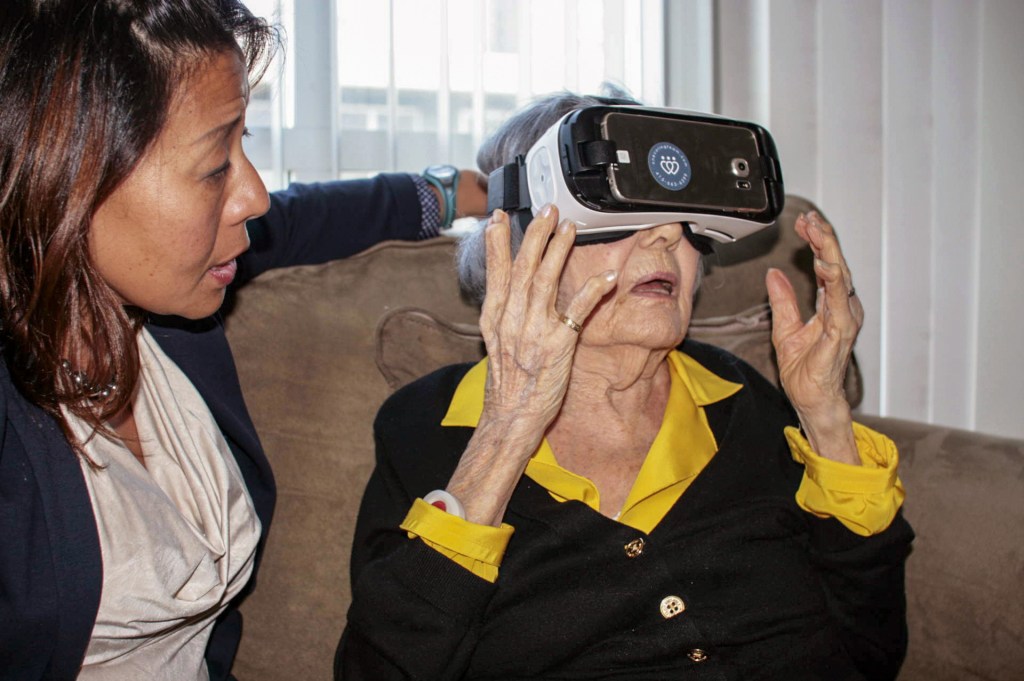
Introduction
In an era where technological advancements are transforming every aspect of life, virtual reality (VR) stands out as a beacon of innovation, especially in the realm of senior care. Career opportunities, technological advancements and the future marketplace find the intersection of VR technology and elder care both fascinating and promising. This blog post delves into how VR is revolutionizing experiences in retirement homes and senior assisted living communities, offering a blend of benefits and challenges in these settings.
The Emergence of VR in Senior Care
Virtual reality, once a concept confined to the realms of science fiction and gaming, has now permeated various sectors, including healthcare. In senior living communities, VR technology has emerged as a powerful tool to enhance the quality of life for the elderly. But what in particular has VR done to enhance the elderly’s quality of life?
Virtual reality (VR) technology has surfaced as a transformative tool in enhancing the quality of life for the elderly, particularly in senior living communities. This technological leap transcends traditional entertainment, offering immersive experiences that cater to various aspects of elderly care. For instance, VR enables seniors to engage in virtual travel, allowing them to explore distant places or revisit cherished memories, a feature especially beneficial for those with limited physical mobility. It also plays a significant role in cognitive health, with VR applications designed to stimulate mental activity, potentially aiding in slowing the progression of cognitive disorders like Alzheimer’s. Moreover, VR provides avenues for physical wellness, with tailored virtual exercise and rehabilitation programs that are both safe and engaging, adapted to the specific health needs of older adults. These interactive experiences not only combat isolation by fostering social connections through virtual meetups but also enrich the daily lives of seniors, offering them new, diverse, and accessible ways to engage with the world around them, all from the comfort and safety of their living environments. This revolution in elderly care through VR signifies a major stride in leveraging technology to improve the overall well-being and life satisfaction of the senior population.
Benefits of VR in Elderly Care
- Enhanced Social Interaction: VR can mitigate the feelings of isolation often experienced by seniors. Virtual meetups and social events in a 3D environment allow residents to interact beyond the physical limitations of their surroundings.
- Cognitive Stimulation: Interactive VR games and experiences are being used as tools for cognitive stimulation. They help in keeping the mind active, potentially slowing the progression of cognitive decline associated with conditions like Alzheimer’s and dementia.
- Physical Therapy and Exercise: VR-based exercises offer a safe and controlled environment for physical therapy. Seniors can engage in low-impact exercises within a virtual space, tailored to their mobility and health conditions.
- Recreational Travel and Exploration: VR allows seniors to virtually visit places they’ve always wished to see, rekindle memories from past travels, or explore new worlds, all from the comfort of their living quarters.
- Educational Opportunities: Learning doesn’t stop at any age. VR can transport seniors to historical sites, museums, or even virtual classrooms, providing continuous learning opportunities.
Real-World Implementations
- Memory Care: At a senior living facility in Florida, VR is used for reminiscence therapy, helping residents with dementia revisit places from their past, aiding in memory recall and emotional well-being.
- Physical Rehabilitation: In California, a retirement community utilizes VR for balance and strength training, providing a fun and engaging way for residents to maintain their physical health.
- Social Engagement: A community in New York has introduced VR social clubs, where residents gather to explore virtual worlds and socialize, bridging the gap caused by mobility restrictions.
Challenges and Considerations
- Technology Adoption: One of the primary challenges is the learning curve associated with new technologies. Familiarizing the elderly with VR headsets and navigating virtual environments can be daunting.
- Health Concerns: VR experiences can sometimes cause motion sickness or disorientation, particularly in older adults. It’s crucial to have VR sessions monitored by professionals.
- Cost and Accessibility: The cost of VR equipment and the need for ongoing content development can be significant. Ensuring equitable access to these technologies is also a concern.
- Privacy and Security: As with any digital tool, ensuring the privacy and security of users, especially in a vulnerable population like the elderly, is paramount.
The Future Landscape
As we progress, the integration of VR in senior living communities is expected to become more seamless and widespread. Future advancements may include more personalized and adaptive VR experiences, catering to the individual needs and preferences of each resident. The potential for VR to integrate with other emerging technologies like AI and IoT in these settings is vast, opening doors to even more innovative applications.
Conclusion
Virtual reality in senior assisted living communities is not just about technology; it’s about redefining the experience of aging. While challenges exist, the benefits VR brings to the mental, physical, and emotional well-being of seniors are undeniable. As this technology continues to evolve, we can anticipate a future where the golden years of life are enriched with endless possibilities, all within the reach of a VR headset.
Stay tuned to this blog for more insights into how emerging technologies like VR are shaping our world. For those interested in the intersection of technology and elder care, follow along as we explore the future of digital transformation in healthcare and beyond.
This blog post is an exploration of the impact of virtual reality in senior living communities. For more content on the latest in technology and digital transformation, follow our blog and join the conversation.

 De Lio Tech Trends